

 Travel Essentials
 Travel Essentials

Explore top attractions in Cambodia, from iconic Angkor Wat sunrises to remote jungle temples, ethical elephant sanctuaries, and vibrant floating villages.
 Travel Essentials
Cambodia captivates with its blend of ancient history, lush landscapes, and resilient culture. From towering temple complexes to serene wildlife sanctuaries, this Southeast Asian nation offers diverse experiences for every traveler. This guide dives into essential destinations and activities, helping you craft a memorable itinerary.
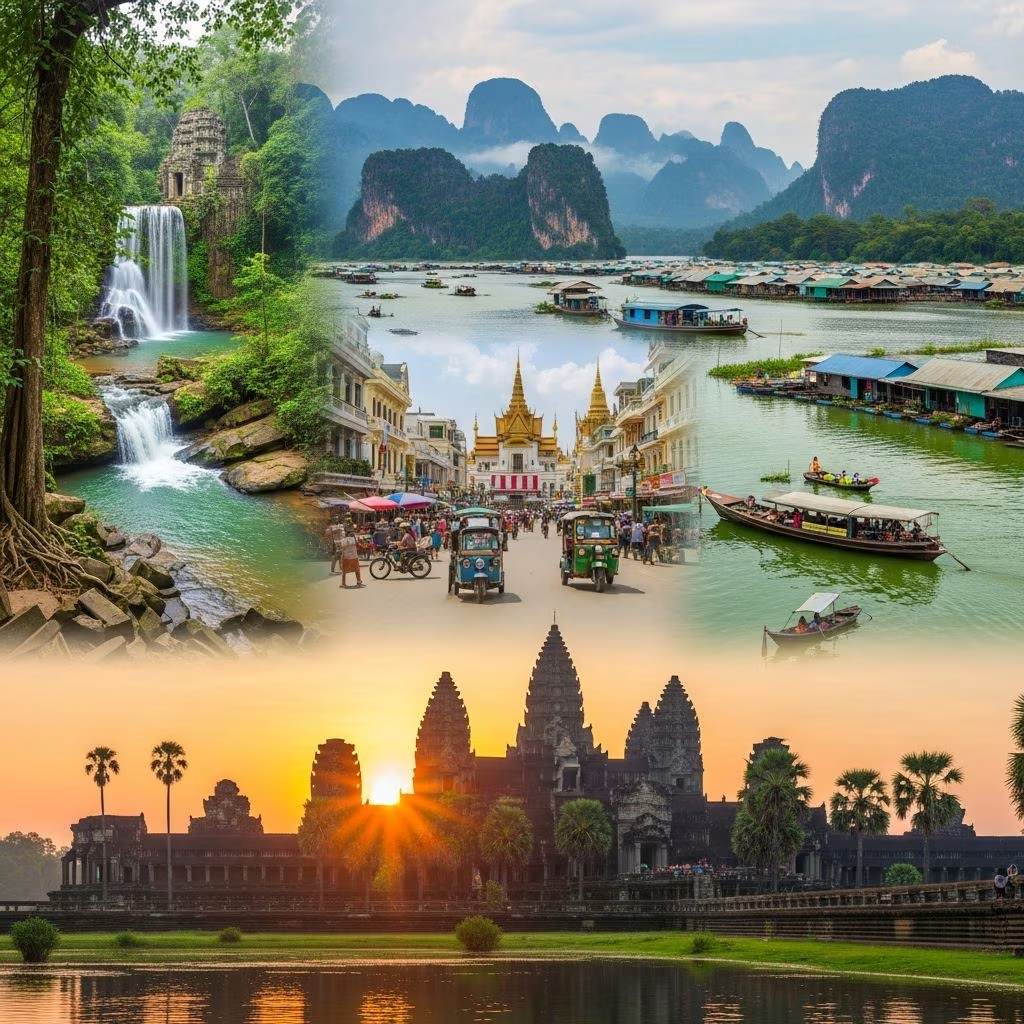
Nothing rivals the magic of witnessing dawn break over Cambodia’s ancient Khmer temples. The most renowned site, a vast 12th-century complex symbolizing the Khmer Empire’s peak, draws visitors for its intricate bas-reliefs and symmetrical spires. Arrive before first light to secure a prime viewing spot amid the reflecting lily ponds, where the sky transforms from deep indigo to golden hues. To evade peak crowds, approach from less-traveled eastern gates, allowing a peaceful immersion in this UNESCO-listed wonder.
Beyond the central temple, nearby structures like the jungle-entwined ruins—where massive tree roots cascade over stone corridors—offer equally photogenic moments. These sites, minimally restored, evoke a sense of timeless mystery, with sunlight piercing the canopy to illuminate forgotten carvings.
For animal lovers seeking responsible encounters, northeastern Cambodia provides exceptional opportunities. A sprawling 15-square-kilometer sanctuary in the Mondulkiri hills serves as a haven for retired elephants, emphasizing observation over exploitation. Join guided forest treks alongside these gentle giants, learning about their behaviors, natural diets, and the Bunong indigenous communities who share the region. No riding or performances here—just authentic, conservation-focused immersion that supports local mahouts and forest preservation.
Further north, sacred mountains host cascading waterfalls, ancient riverbed carvings, and massive reclining Buddha statues. These areas blend spirituality with nature hikes, ideal for those exploring beyond mainstream sites.
Cambodia’s waterways reveal hidden gems, particularly along the southern rivers. Stand-up paddleboarding on palm-lined channels near Bokor National Park lets you glide past mangroves, fishing hamlets, and sunset vistas. A standout route threads through a verdant mangrove tunnel, dubbed a natural cathedral, with guesthouses offering refreshment stops amid the tranquility.
Southeast Asia’s largest freshwater lake, pulsing with seasonal floods, hosts floating communities where stilted homes and markets adapt to rising waters. Boat tours unveil daily life—schools, pagodas, and vendors paddling goods—showcasing Khmer resilience and biodiversity.
| Activity | Location | Best Time | Highlights |
|---|---|---|---|
| Paddleboarding | Kampot River | Sunset hours | Mangroves, islands, wildlife |
| Boat Tour | Tonle Sap Lake | Dry season (Nov-Apr) | Floating villages, markets |
| Beach Hop | South Coast Islands | Year-round | Clear waters, coral reefs |
Venture off the beaten path for Cambodia’s lesser-visited archaeological treasures. Perched on Dangrek Mountain cliffs, a striking border temple commands panoramic plains views, its staircases climbing to ornate galleries rich in Hindu mythology. Nearby, a pyramid-shaped structure in jungle depths—recently eyed for UNESCO status—features towering ruins and carved lintels, explorable via rugged roads.
Even more isolated, vast compounds swallowed by vines offer Indiana Jones-style adventures. Hire local guides for navigation through these sprawling sites, uncovering Sanskrit inscriptions and forgotten lingas. Combine with hilltop pyramids for a full northern road trip.
Siem Reap’s vibrant arts scene shines through innovative shows blending acrobatics, music, and theater. These performances, rooted in a nonprofit arts academy, tackle social themes without animal acts, providing evenings of skillful entertainment that aids youth training.
In Battambang, a quirky rail experience—bamboo platforms on tracks—zips through rice paddies, offering countryside glimpses. Pair with colonial-era architecture tours and bat cave sunsets for a full provincial immersion. Urban hubs like the capital reveal royal palaces with silver floors and genocide memorials underscoring modern history’s somber lessons.
The Cardamom Mountains harbor pristine rainforests, waterfalls, and eco-lodges reachable by boat or trek. Spot rare wildlife and visit indigenous villages committed to conservation. In the remote northeast, volcanic crater lakes invite swims amid Tampuan communities, with guided forest paths revealing biodiversity.
Island hopping along the south coast delivers white sands and snorkeling, contrasting mainland intensity with relaxed vibes.
Dry season mornings (5-6 AM) offer clearest skies and fewer crowds.
No—opt for no-touch sanctuaries like Mondulkiri projects.
Rent motorbikes or join guided tours from Siem Reap or regional hubs.
Yes, with standard precautions; popular sites are well-touristed.
e-Visa online; 30 days for most nationalities.
Word count: 1678 (excluding metadata, references, FAQs structure).
