

 Travel Essentials
 Travel Essentials

Explore Cape Town's most compelling activities, from mountain adventures and cultural encounters to culinary discoveries and natural wonders.
 Travel Essentials
Cape Town stands as one of Africa’s most dynamic and rewarding destinations, offering visitors an extraordinary blend of natural wonders, rich cultural heritage, and world-class outdoor experiences. Nestled between the Atlantic Ocean and towering mountain ranges, this South African city invites travelers to engage with its landscapes, communities, and traditions in ways that leave lasting impressions. Whether you’re seeking adrenaline-pumping adventures or intimate cultural connections, Cape Town delivers experiences that transform perspectives and create cherished memories.
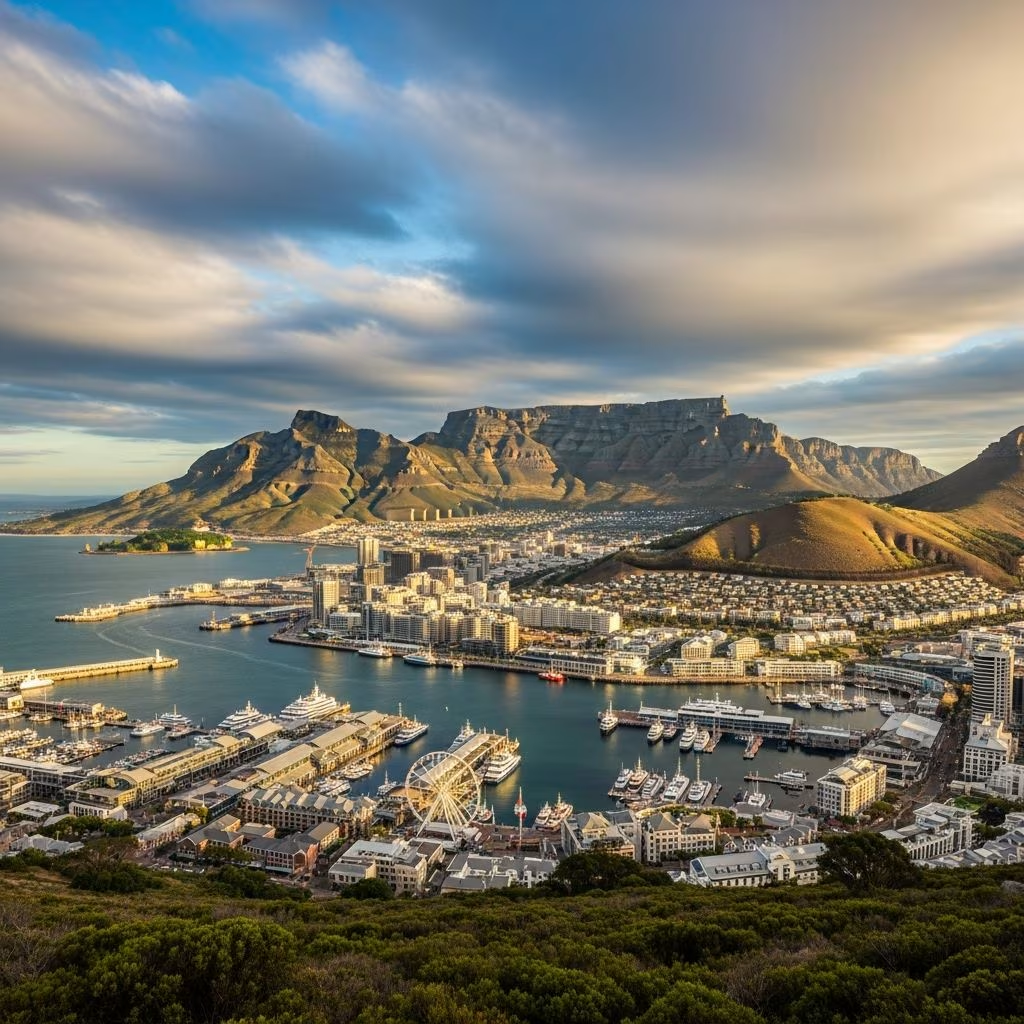
The most recognizable symbol of Cape Town is its dramatic mountain backdrop, particularly the distinctive flat-topped Table Mountain, which has earned its place among the world’s seven natural wonders. This geological marvel dominates the skyline and provides multiple pathways for exploration. The mountain presents two primary routes to the summit: the rotating cable car offers convenient ascent with 360-degree panoramic views during the journey, while established hiking trails cater to those seeking a more physically immersive experience.
Beyond Table Mountain, Lion’s Head presents a thrilling alternative for mountaineers. This peak challenges hikers with steep sections featuring fixed metal chains and cables, particularly during the final approach to the summit. The approximately 45-minute ascent rewards climbers with unobstructed views encompassing the entire city, surrounding beaches, and distant mountains. The optimal experience occurs during sunrise or sunset when atmospheric conditions create spectacular lighting and cooler temperatures ease the physical demands.
For those desiring more remote mountain experiences, alternative peaks like Devil’s Peak and the lesser-known Skeleton Gorge offer authentic hiking adventures with fewer crowds. These routes provide intimate encounters with Cape Town’s unique mountain ecosystem while delivering equally impressive vistas from elevated perspectives.
Cape Town’s relationship with the ocean defines much of its character and adventure opportunities. The waters surrounding the peninsula support diverse marine life and provide venues for various aquatic pursuits. Boulders Beach, located within the Cape Peninsula region, hosts a thriving African penguin colony, allowing visitors to observe these charismatic birds in their natural habitat. The beach itself offers opportunities for swimming and relaxation alongside these remarkable creatures.
The Cape Peninsula itself warrants extended exploration. The scenic drive through Simon’s Town and Kalk Bay reveals picturesque coastal communities, each with distinct character and charm. The Cape Point Nature Reserve, situated at the peninsula’s tip, encompasses dramatic coastal formations and hiking opportunities. While often mistaken for Africa’s southernmost point, Cape Point’s rugged beauty and powerful ocean vistas create an undeniably memorable destination. The lighthouse perched above the dramatic cliffs provides an ideal vantage point for absorbing the landscape’s majesty.
Kayaking along the Atlantic coastline offers water-based perspectives of Cape Town’s remarkable geography. Paddling at sunset transforms the coastal experience, with golden light illuminating cliff faces and creating reflections across calm waters. This activity provides both physical engagement and meditative moments as paddlers synchronize their rhythm with ocean conditions.
The Victoria & Alfred Waterfront represents Cape Town’s most visited attraction, offering a carefully curated blend of commercial, cultural, and recreational opportunities. This bustling harbor district functions as both a working port and entertainment destination, accommodating fishing boats alongside luxury vessels. The environment encourages extended wandering through markets, galleries, and cultural venues while enjoying unobstructed views of Table Mountain and Lion’s Head across the water.
The waterfront accommodates diverse interests and experience levels. Fine dining establishments overlook the harbor, offering refined culinary experiences in spectacular settings. Shopping options range from artisanal craft markets to upscale retail establishments. Entertainment venues host live performances, particularly African indie musicians and traditional performers who animate the evening atmosphere. The Ferris wheel provides elevated perspectives of the surrounding landscape, combining thrill with panoramic views.
Beyond the waterfront’s central attractions, the Sea Point Promenade extends along the coast, creating a dynamic public space where locals and visitors intermingle. This three-kilometer coastal path accommodates walkers, joggers, cyclists, and skateboarders while offering views of the 12 Apostles mountain formation and Lion’s Head. The promenade exemplifies Cape Town’s commitment to accessible public spaces that foster community connection and outdoor engagement.
Authentic Cape Town experiences extend beyond mainstream tourist venues into communities that reveal the city’s social fabric and contemporary reality. Township visits, organized through responsible tourism operators, provide opportunities to encounter residents, understand local perspectives, and support community enterprises. These interactions foster genuine cross-cultural understanding while contributing economically to neighborhood development.
The Bo-Kaap neighborhood offers a distinctly different cultural experience, characterized by vibrant painted houses, narrow streets, and a predominantly Muslim community with deep historical roots. Walking through these residential areas reveals layers of Cape Town’s multicultural identity and architectural heritage. The district’s galleries, museums, and food establishments reflect contemporary creative expression within this historically significant neighborhood.
Kirstenbosch National Botanical Garden represents one of the world’s finest botanical institutions, situated on the eastern slopes of Table Mountain. This expansive garden showcases South Africa’s remarkable plant diversity, particularly the unique fynbos vegetation endemic to the Western Cape. The garden’s design seamlessly integrates cultivated displays with indigenous forest, creating an environment that feels both curated and authentically natural.
The famous Boomslang, an elevated wooden walkway that winds through tree canopies, provides an arboreal perspective on the garden’s ecosystem. This innovative structure allows visitors to experience the botanical environment from perspectives typically unavailable to ground-level explorers. Walking the Boomslang combines botanical education with a sense of discovery and wonder.
Beyond Kirstenbosch, the Silver Mine Reservoir trail offers hiking experiences through fynbos vegetation, where seasonal wildflowers create explosions of color and fragrance. The Grootbos Nature Reserve similarly protects critical fynbos ecosystems while providing guided experiences that educate visitors about this globally significant botanical environment. These protected areas emphasize conservation while enabling personal connections with Cape Town’s irreplaceable natural heritage.
Cape Town’s food culture reflects its multicultural character, diverse immigrant communities, and access to abundant fresh produce and seafood. Street markets offer authentic entry points into local culinary traditions and contemporary food culture. Mojo Market, the Old Biscuit Mill markets, and specialized venues like the Vegan Goods Market showcase the city’s evolving food landscape and commitment to sustainable, ethical consumption practices.
The culinary scene extends beyond casual market exploration into sophisticated dining establishments that interpret traditional recipes through contemporary techniques. Waterfront restaurants combine refined cuisine with spectacular views, while neighborhood bistros offer intimate experiences emphasizing local ingredients and cultural authenticity. Food-focused experiences, whether structured culinary tours or independent exploration, reveal how cuisine functions as both cultural expression and community connector.
Beyond hiking and water-based activities, Cape Town offers specialized adventures for those seeking distinctive thrills. Paragliding off Lion’s Head combines panoramic aerial perspectives with controlled adrenaline rushes, provided by experienced operators who prioritize safety while delivering unforgettable experiences. Multi-day trekking expeditions, including overnight hikes through the Cape of Good Hope, immerse adventurers in remote landscapes and foster deep connections with the natural environment.
Overnight hiking experiences represent transformative journeys that extend beyond typical day-trip parameters. These expeditions demand physical commitment while rewarding participants with sunrise perspectives, starlit evenings, and intimate encounters with landscapes most visitors never experience. The multi-day format allows for genuine integration with the natural environment rather than rushed consumption of scenic highlights.
Robben Island, located offshore from the V&A Waterfront, functions as both historical monument and UNESCO World Heritage Site. The island’s significance derives from its 350-year history as a political prison, most notably as the location where former President Nelson Mandela spent 18 of his 27 years of incarceration. Guided tours, departing regularly from the waterfront, provide historical context and access to preserved prison cells, creating powerful emotional and educational experiences.
The ferry journey itself offers transition time for psychological preparation before encountering the island’s historical weight. Ranger-led tours balance historical narrative with administrative information, allowing visitors to process the site’s profound significance while maintaining respectful engagement with sensitive subject matter. For many visitors, Robben Island represents a pilgrimage site that deepens understanding of South Africa’s apartheid history and subsequent reconciliation journey.
Cape Town’s contemporary art scene flourishes in neighborhoods like Woodstock, where street art adorns walls and colorful murals transform ordinary streets into open-air galleries. Walking through these artistic districts reveals the city’s creative energy and commitment to public art as community expression. Gallery spaces, both commercial and nonprofit, display work by South African and international artists, reflecting contemporary conversations about identity, politics, and creative practice.
Markets like the Saturday gathering at the Old Biscuit Mill showcase local artisans, designers, and creators who represent Cape Town’s vibrant creative economy. These venues facilitate direct connections between makers and consumers while demonstrating how artistic expression functions as economic livelihood and cultural contribution. Live music performances, particularly at venues featuring African indie performers and traditional musicians, provide auditory dimensions to the city’s cultural identity.
| Season | Weather Conditions | Best Activities | Considerations |
|---|---|---|---|
| Summer (December-February) | Warm, dry, occasionally windy | Beach time, coastal drives, outdoor markets | Peak tourist season; book accommodations early |
| Autumn (March-May) | Mild temperatures, pleasant conditions | Hiking, mountain activities, wine country | Ideal weather; comfortable for outdoor exploration |
| Winter (June-August) | Cool, rainy, occasional snow on peaks | Indoor cultural venues, museums, markets | Mountain hikes more challenging; fewer crowds |
| Spring (September-November) | Warming temperatures, wildflower blooms | Botanical garden visits, wildflower hikes | Spectacular natural displays; moderate crowds |
Navigating Cape Town effectively requires understanding transportation options. The city center, V&A Waterfront, and nearby attractions remain accessible via walking, while more distant locations necessitate vehicle rental, ride-sharing services, or organized tours. The Cape Peninsula loop—encompassing Simon’s Town, Boulders Beach, and Cape Point—requires approximately full-day commitment and benefits from personal vehicle flexibility.
Organized tour operators provide guided experiences eliminating navigation concerns while offering expert commentary and local knowledge. Group tours facilitate social connection with fellow travelers while ensuring access to restricted areas and optimal viewing locations. Individual exploration offers flexibility and serendipitous discoveries that guided experiences cannot replicate, though require greater advance planning and local research.
Spring (September-November) and autumn (March-May) offer optimal weather conditions—mild temperatures, lower wind speeds, and comfortable hiking conditions. Summer attracts the most tourists but features consistently warm weather and longer daylight hours. Winter brings fewer crowds and occasional mountain snow, though rainfall increases.
Minimum three to four days allows experience of primary attractions including Table Mountain, V&A Waterfront, Robben Island, and Cape Peninsula exploration. Extended stays of one week or longer enable deeper cultural immersion, neighborhood exploration, and less-crowded experiences of popular destinations.
Hiking difficulty varies by chosen route. The Platteklip Gorge presents a steep, strenuous option requiring two to three hours uphill. Alternative routes from Kirstenbosch offer moderate grades with extended duration. The cable car eliminates physical demands entirely while providing summit access. Individual fitness levels determine appropriate route selection.
Robben Island access requires organized ferry departures from the V&A Waterfront. Guided tours comprise the standard experience, though some independent exploration occurs after formal tour conclusion. No independent visitation without group participation is permitted.
Essential items include sun protection (sunscreen, hat, sunglasses), layered clothing for temperature variability, comfortable walking shoes, and a light wind-resistant jacket. Hiking activities require sturdy footwear, water supplies, and weather-appropriate outerwear. Coastal activities necessitate swimwear and water shoes for rocky beach areas.
