

 Travel Essentials
 Travel Essentials

Explore Champagne's iconic vineyards, UNESCO heritage sites, and champagne houses. A complete guide to unforgettable experiences.
 Travel Essentials
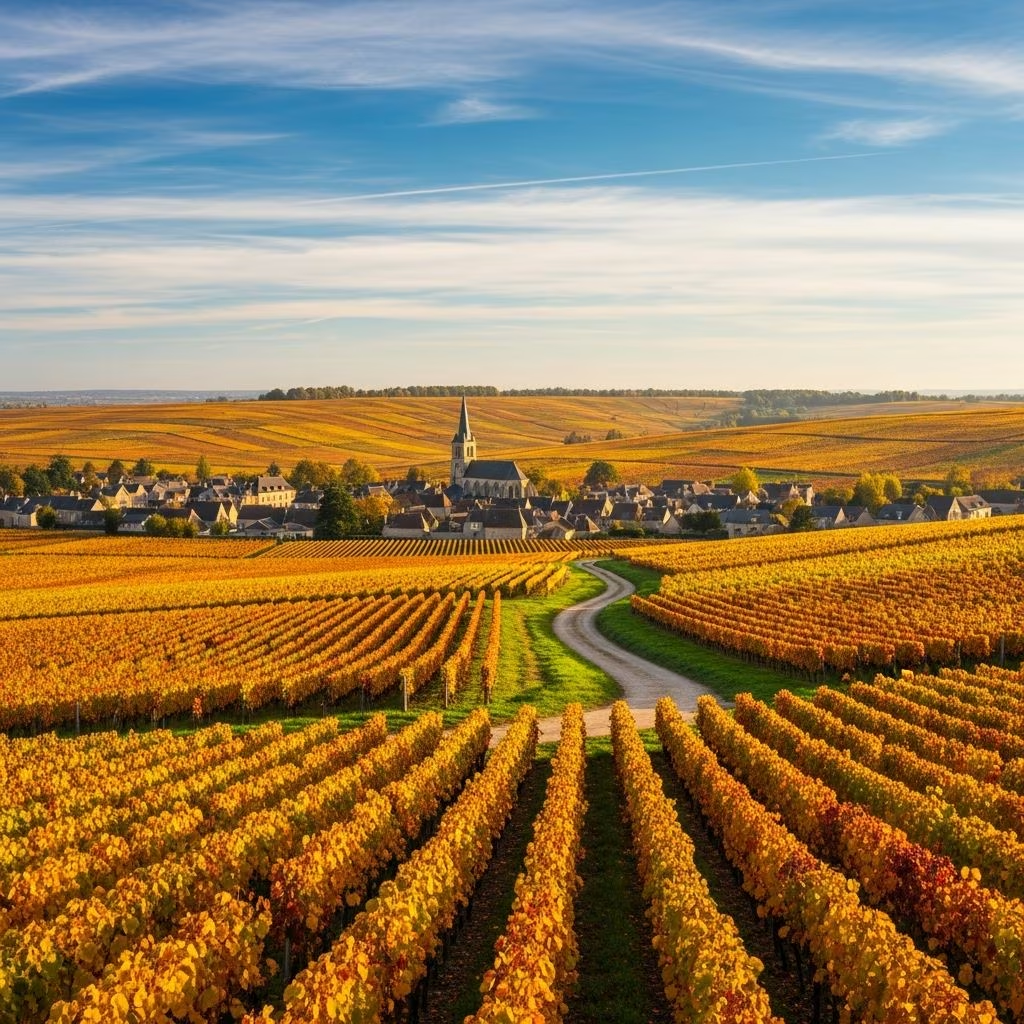
The Champagne region of northeastern France stands as one of the world’s most celebrated wine destinations, attracting visitors seeking authentic sparkling wine experiences combined with cultural and architectural treasures. Beyond the famous effervescent beverages, this picturesque area offers diverse attractions spanning medieval architecture, gourmet dining, outdoor pursuits, and immersive cultural experiences that appeal to travelers with varied interests and preferences.
Nestled in the northeastern corner of France, the Champagne region encompasses several interconnected cities and villages, each contributing unique characteristics to the overall visitor experience. Reims and Épernay serve as primary hubs for tourism and commerce, while smaller communities like Troyes, Hautvillers, and Aÿ preserve the region’s historical character and traditional winemaking heritage. The region’s designation as a UNESCO World Heritage Site recognizes its exceptional universal value, encompassing centuries of cultural development intertwined with viticulture and architectural innovation.
The chalk-based terroir underlying Champagne’s vineyards profoundly influences the character of wines produced here, creating ideal growing conditions that have been cultivated for generations. This geological foundation extends beyond mere agricultural significance—it shaped the region’s infrastructure, including extensive underground chalk cellars (crayères) that now form the backbone of champagne production and storage facilities.
The Cathedral of Notre-Dame de Reims represents perhaps the most iconic structure within the region, embodying French Gothic architectural principles while serving as a living museum of historical and artistic achievement. This magnificent edifice hosted the coronation ceremonies of French monarchs throughout history, cementing its position as a symbol of royal authority and religious significance. The cathedral’s interior showcases an extraordinary collection of stained glass windows created across multiple centuries, from the 13th through 20th centuries, each panel contributing to the luminous artistic narrative that defines the sacred space.
Beyond the cathedral, the region contains additional religious sites worthy of exploration. The Basilica of Saint-Remi provides another window into regional religious heritage, while the modest yet historically significant Chapel at Hautvillers Abbey marks the resting place of Dom Pérignon, credited with pioneering the méthode champenoise techniques that revolutionized sparkling wine production.
The region’s champagne houses represent centuries of accumulated expertise, tradition, and refinement in sparkling wine production. These establishments combine hospitality with education, offering visitors opportunities to understand winemaking intricacies while sampling exceptional products.
Moët et Chandon operates one of the world’s largest champagne production facilities, welcoming visitors into its extensive underground galleries where thousands of bottles age in optimal conditions. Guests navigate through illuminated chalk caves while learning about production techniques, concluding their visits with comprehensive tastings.
Veuve Clicquot maintains a distinguished reputation for quality and innovation, with its production headquarters in Reims offering guided tours through historical cellars and interactive exhibitions that chronicle the house’s remarkable journey from its founding through contemporary operations.
Champagne Mercier distinguishes itself through experiential attractions including a miniature train that traverses its subterranean network of storage caves. The facility showcases the world’s largest wine cask, a remarkable feat of cooperage that impresses visitors with both its scale and historical significance.
G.H. Mumm & Cie, established in 1827, ranks among the world’s most respected champagne producers. Visitors explore underground cellars while learning the house’s extensive history, culminating in tastings of celebrated selections such as the renowned Cordon Rouge expression.
Champagne Bollinger operates from Aÿ, a village surrounded by centuries-old vineyards that have contributed to regional wine culture throughout generations. The house offers cellar explorations and tastings within an intimate setting that emphasizes heritage and craftsmanship.
Ruinart and Taittinger represent additional premier producers offering comprehensive tours combining historical narratives with contemporary production insights and generous sampling opportunities.
Beyond winery experiences, specialized museums illuminate champagne’s complex production history and cultural significance. The Pressoria Champagne Museum, housed within Champagne Pommery’s former pressing facilities, presents an immersive, multi-sensory journey through champagne’s evolution and production methodologies. Interactive exhibits and modern curatorial approaches transform abstract concepts into tangible understanding.
The Museum of Vine and Wine (Musée de La Vigne et du Vin) provides comprehensive education spanning from seventeenth-century origins through contemporary production, complemented by guided tours, cellar explorations, and vineyard visits that contextualize historical information within physical landscapes.
The Musée d’Art Moderne shifts focus from viticulture to fine arts, featuring remarkable French paintings, distinctive glasswork by Maurice Marinot, and colorful ceramic pieces that represent the broader cultural achievements within the region. Works by internationally recognized artists including Picasso and Matisse demonstrate Champagne’s significance beyond wine production.
Avenue de Champagne in Épernay merits dedicated attention for its extraordinary architectural composition, recognized as a UNESCO World Heritage Site. This tree-lined boulevard showcases elegant mansions and villas reconstructed following World War I destruction, including Moët’s private residence, the Hôtel Chandon, featuring lush surrounding gardens. The Château Perrier, a notable mansion, continues evolving its cultural purpose through planned museum developments.
The medieval town of Troyes preserves timber-framed architecture characteristic of historic European settlements, offering visitors opportunities to wander storybook-like lanes that transport them through centuries of regional development. Half-timbered buildings, narrow passageways, and intimate plazas create atmospheric environments that photography enthusiasts and history appreciators find particularly compelling.
The Montagne de Reims Regional Natural Park provides excellent opportunities for hiking and cycling adventures through terrain dotted with century-old vineyards and scenic vistas. The park encompasses chalk caves and wine villages that showcase the integration of viticultural practices with landscape preservation. E-bike tours have emerged as popular alternatives for visitors seeking moderate activity levels while covering greater distances.
Lake Der-Chantecoq, situated in proximity to primary tourist centers, offers water-based activities and scenic environments for those desiring natural experiences independent of wine-related pursuits.
Aerial perspectives through hot air balloon excursions above vineyards provide memorable photographic opportunities and unique vantage points for appreciating landscape compositions and vineyard layouts.
Champagne’s culinary scene extends beyond pairing recommendations, encompassing world-class restaurants earning Michelin recognition that showcase regional produce and traditional cooking techniques. Gourmet dining experiences frequently incorporate champagne as both beverage and cooking ingredient, creating cohesive gastronomic narratives.
Sabrage—the ceremonial opening of champagne bottles using a saber—represents an entertaining dining element that combines historical tradition with contemporary spectacle, frequently featured during celebratory meals within upscale establishments.
Regional food specialties including Champagne cheese complement wine tastings, providing tangible connections between agricultural heritage and contemporary culinary offerings.
Reims, Épernay, and Aÿ maintain train connections facilitating efficient travel between major centers. Most attractions remain accessible through walking, particularly within smaller towns. Organized tours provide structured itineraries combining multiple sites with professional educational guidance.
The Champagne Tourist Route encompasses UNESCO-protected vineyard slopes, historic caves, and wineries stretching across regions including Montagne de Reims, Marne Valley, and Côte des Blancs. This established pathway guides visitors through diverse landscapes while facilitating access to tasting opportunities, cellar visits, and local food experiences within charming French villages.
Different seasons present varying advantages. Spring through fall generally offers optimal visiting conditions, though specific periods like May feature notable events such as the La Champenoise wine-tasting marathon and the Joan of Arc Festival. The Habits de Lumière festival presents sound and light celebrations that animate historic sites after dark during appropriate seasons.
Absolutely. Beyond wine-focused activities, the region provides architectural treasures, museums, outdoor recreation, gourmet dining, and cultural experiences that appeal to diverse interests and preferences regardless of personal attitudes toward alcoholic beverages.
A weekend provides sufficient time to experience primary attractions including cathedral visits, one or two champagne house tours, and exploration of Avenue de Champagne or medieval Troyes. Extended stays enable deeper engagement with outdoor activities, additional wine producers, and smaller villages.
Most champagne houses charge fees for guided tours with tastings, though specific pricing and included elements vary considerably between producers. Many offer tiered options accommodating different budgets and time availability.
The designation recognizes the region’s exceptional universal value encompassing centuries of viticultural and architectural development, distinguished production methods, and the integrated landscape reflecting harmonious human interaction with natural terroir.
The Champagne region transcends its reputation as merely a wine-producing area, emerging instead as a sophisticated cultural destination offering multifaceted experiences within landscapes shaped by centuries of human endeavor and natural excellence. Whether visitors prioritize vineyard exploration, architectural appreciation, gastronomic indulgence, or outdoor adventure, Champagne provides accessible, memorable encounters with European heritage and contemporary hospitality standards that justify its status among France’s premier tourist destinations.
