

 Travel Essentials
 Travel Essentials

Explore Charleston's top attractions, restaurants, breweries, and outdoor activities. Your complete guide to experiencing the Holy City's culture and cuisine.
 Travel Essentials
Charleston stands as one of America’s most captivating destinations, renowned for its well-preserved architecture, renowned culinary landscape, and warm Southern hospitality. This historic port city seamlessly blends colonial heritage with contemporary experiences, offering visitors a diverse array of activities that cater to every interest and travel style. Whether you’re drawn to history, gastronomy, outdoor recreation, or cultural immersion, Charleston delivers an unforgettable experience that explains why it has earned such widespread acclaim among travelers worldwide.
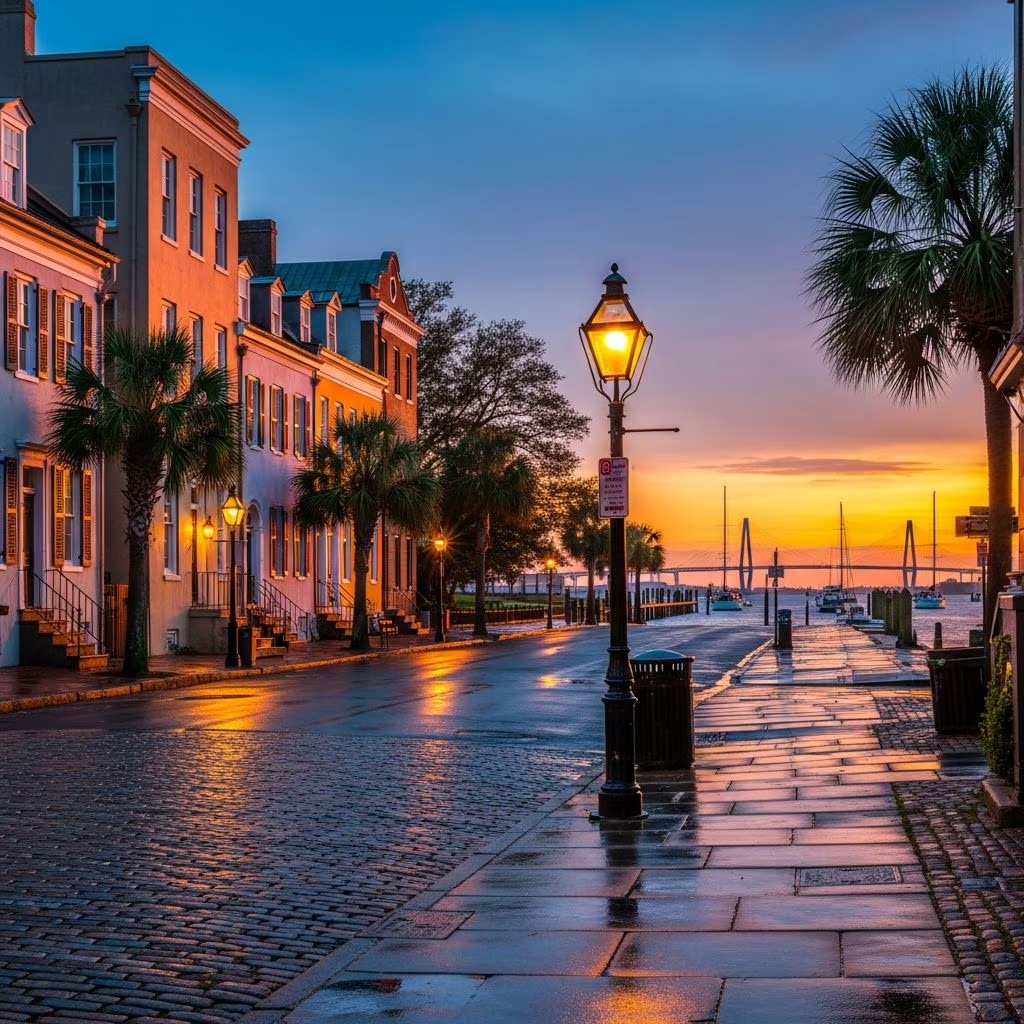
The physical fabric of Charleston tells stories spanning centuries, with its streets lined by structures that represent various architectural periods and styles. Walking through the downtown district reveals a remarkable collection of Colonial, Federal, Victorian, and Antebellum buildings that have been meticulously maintained and restored. The city’s commitment to preservation means that visitors can experience authentic historical environments rather than reconstructed versions.
Beyond simply observing buildings, visitors can engage with Charleston’s history through guided walking tours that provide context and narrative to the structures encountered. These tours often explore themes ranging from architectural evolution to the social histories embedded within neighborhoods. Many tours focus on specific areas such as the French Quarter or the Rainbow Row, where colorful historic buildings create one of the most photographed streetscapes in the Southeast.
Museums and historic house museums offer deeper dives into specific periods and aspects of Charleston’s past. These institutions provide curated exhibitions and expert interpretation that help visitors understand the complex narratives of the city, including its role in American independence, maritime commerce, and cultural development.
Charleston’s food culture has become legendary among culinary travelers, attracting chefs, food writers, and enthusiasts seeking authentic Low Country cuisine and innovative contemporary cooking. The city’s restaurants reflect a commitment to local ingredients, traditional techniques, and creative experimentation that has elevated Charleston’s status as a major food destination.
Low Country cooking represents the traditional cuisine of the coastal Southeast, incorporating fresh seafood, locally grown vegetables, and cooking methods refined over generations. This culinary tradition emphasizes simplicity, quality ingredients, and respect for regional flavors. Contemporary Charleston restaurants have evolved this foundation, incorporating modern techniques while maintaining connections to heritage recipes and ingredients.
The dining landscape accommodates various budgets and preferences. Fine dining establishments offer tasting menus and wine pairings in elegant settings, while casual restaurants provide excellent food in relaxed environments. Street-level vendors and food halls showcase quick bites and casual fare that reflect the city’s diverse culinary traditions.
Seafood dominates many menus, reflecting Charleston’s position as a working port where fresh catches arrive daily. Shrimp, flounder, grouper, and other Atlantic species appear in countless preparations. Equally important are seasonal vegetables and Low Country staples like grits, sweet potatoes, and okra that form the backbone of regional cooking.
The craft beverage movement has transformed Charleston into a destination for beer enthusiasts, with microbreweries and taprooms opening throughout the city over the past two decades. This growth reflects broader American trends while also showcasing local entrepreneurship and creativity in beverage development.
Early pioneers in Charleston’s craft beer movement established the foundation for this thriving scene, with establishments that experimented with various styles and flavors while building community around their products. These original breweries paved the way for subsequent growth, proving market viability and demonstrating consumer interest in locally produced alternatives to mass-market options.
Current breweries offer diverse experiences beyond simple beer consumption. Many feature taprooms with comfortable seating, food service, and event programming that transforms beer venues into community gathering spaces. Some breweries focus on specific styles or experimental batches, while others emphasize education about brewing processes and ingredient selection.
Brewery tours provide insights into production methods, ingredient sourcing, and the philosophy behind specific brews. These experiences appeal to both dedicated beer enthusiasts and casual visitors seeking to understand the craft and effort involved in beverage production. Many breweries offer tastings that allow visitors to sample multiple styles and discover personal preferences.
Charleston’s location along the Atlantic Coast and its intricate system of waterways create exceptional opportunities for water-based recreation. The harbor, rivers, and creeks that characterize this Low Country landscape invite exploration through various water activities suited to different comfort levels and interests.
Sailing represents one quintessential Charleston experience, with numerous operators offering excursions aboard sailboats ranging from small vessels to larger catamarans. These outings typically include views of historic forts, barrier islands, lighthouses, and marine wildlife. Different sailing experiences cater to various durations and intensity levels, from relaxing sunset cruises to full-day expeditions exploring distant islands and coastal features.
Fishing opportunities appeal to both experienced anglers and beginners. Inshore fishing focuses on species found in the marshes and shallow waters, while offshore expeditions target deeper-water fish. Charter boats equipped with appropriate gear and staffed by experienced captains handle logistics, allowing visitors to focus on the experience itself.
Kayaking and paddleboarding offer more intimate water experiences, allowing visitors to navigate waterways at their own pace and access areas unreachable by larger vessels. Guided paddling tours explore marshes, creeks, and barrier islands while providing interpretation about ecosystems, wildlife, and local ecology. Individual rentals accommodate those preferring independent exploration.
Water activities provide opportunities to observe dolphins, birds, and other marine life in natural habitats. Early morning excursions often yield the best wildlife viewing, as many creatures are most active during cooler hours. Photography enthusiasts appreciate the scenic backdrop and wildlife subjects these water-based adventures provide.
Charleston’s climate and geography support year-round outdoor activities beyond water recreation. Parks, gardens, and natural areas throughout the region offer opportunities for walking, biking, and nature observation.
Botanical gardens showcase cultivated collections of plants arranged to highlight aesthetic beauty and ecological relationships. These spaces provide peaceful environments for strolling while learning about horticulture and regional plant communities. Many gardens feature seasonal displays that encourage repeat visits to observe changing compositions throughout the year.
Beach access is available at nearby barrier islands and coastal areas, offering traditional beach recreation including swimming, sunbathing, and beachcombing. Different beaches attract different crowds and offer varying levels of development and amenities, allowing visitors to select environments matching their preferences.
Hiking and nature walking trails through protected areas and preserves provide opportunities to observe natural ecosystems while getting exercise. These trails vary in difficulty and length, accommodating different fitness levels and time availability.
Charleston hosts numerous cultural institutions that celebrate art, music, theater, and diverse cultural traditions. These venues and organizations contribute to the city’s reputation as a culturally vibrant destination beyond its natural beauty and historical significance.
Art galleries throughout the downtown district showcase works by local, regional, and international artists. These spaces range from small intimate galleries featuring individual artists to larger institutions housing curated exhibitions. The arts scene reflects Charleston’s appeal to creative professionals and its development as a cultural hub.
Performance venues present music, dance, theater, and comedy throughout the year. Concert halls, intimate clubs, and outdoor performance spaces accommodate various performance types and audience sizes. The programming reflects diverse musical traditions, from classical orchestral performances to contemporary popular music and jazz.
Annual festivals celebrating music, food, film, and cultural traditions bring concentrated programming and attract visitors specifically for these events. These festivals showcase local talent while drawing acclaimed performers and artists from broader geographic regions.
Charleston offers accommodation options spanning various price points, styles, and locations. Historic properties in preserved buildings provide immersive experiences within the city’s heritage architecture. Contemporary hotels and boutique properties offer modern amenities alongside aesthetic consideration for their surroundings.
Waterfront properties provide views and convenient access to water activities and dining. Downtown locations offer walkability to most attractions, while options in surrounding neighborhoods provide quieter settings and sometimes more competitive pricing.
Vacation rentals and guesthouses supplement traditional hotel options, offering flexibility and space for longer stays or group travel. These properties range from simple efficient accommodations to luxurious homes with extensive amenities.
Charleston’s subtropical climate supports year-round visitation, though different seasons offer distinct advantages and challenges. Spring and fall provide mild temperatures and lower humidity, creating comfortable conditions for outdoor exploration. These seasons attract many visitors, resulting in higher prices and larger crowds.
Summer brings warm weather and occasional rain, with higher humidity levels. While still attractive for water activities, the heat can make extensive walking tours challenging. Prices during peak summer are typically higher than shoulder seasons.
Winter offers mild conditions compared to northern regions, with temperatures rarely dropping below freezing. This season attracts visitors seeking respite from colder climates elsewhere. Prices are generally lower, and crowds are reduced, though some outdoor activities may be less appealing.
Charleston’s compact downtown is highly walkable for most attractions and restaurants. Comfortable walking shoes are essential given distances between sites and varied terrain including historic brick streets and uneven sidewalks.
Public transportation including buses and trolleys provides alternatives to walking for some routes. Rental bicycles offer another option for navigating the city while covering greater distances than walking. Parking in downtown areas can be challenging, particularly during peak seasons, making car-free exploration preferable for many visitors.
Beyond sit-down restaurants, Charleston’s food culture includes markets, food halls, and prepared food options. Local markets offer fresh ingredients reflecting regional agriculture and fishing. Food halls concentrate multiple vendors offering different cuisines and price points in single locations, providing variety without extensive travel.
Charleston’s emergence as a premier American destination reflects multiple factors working in concert. Historic preservation maintains authentic character while supporting tourism economics. The culinary renaissance attracts food enthusiasts and inspires chefs to relocate and establish restaurants. Water access enables recreation and contributes to the scenic beauty that characterizes the region. Cultural institutions and programming provide intellectual engagement and entertainment beyond beach and historical site visitation.
The combination of these elements creates an experience distinct from other American destinations. Visitors find Charleston appeals across demographic categories and travel motivations, explaining its broad appeal and sustained popularity among diverse traveler populations.
Spring (March-May) and fall (September-November) offer the most pleasant weather with moderate temperatures and humidity. These seasons provide ideal conditions for walking tours and outdoor activities, though expect higher prices and larger crowds compared to other seasons.
A minimum three-day visit allows time for basic sightseeing, dining experiences, and water activities. Longer visits enable deeper exploration of neighborhoods, additional museum visits, brewery tours, and day excursions to nearby islands and attractions.
Yes, downtown Charleston is quite walkable with most major attractions, restaurants, and shops within reasonable walking distance. Comfortable walking shoes are essential due to historic brick streets and potential uneven surfaces. Walking tours provide structured exploration with expert interpretation.
Local specialties include shrimp prepared various ways, flounder, grouper, and oysters. Low Country dishes combining these proteins with regional vegetables like okra and sweet potatoes represent authentic traditional cuisine worth experiencing.
Yes, Charleston offers diverse family activities including beaches, museums with interactive exhibits, boat tours, bike rentals, parks, and restaurants accommodating various dietary preferences. Many attractions offer discounted admission for children.
