

 Travel Essentials
 Travel Essentials

Complete guide to top attractions, beaches, castles, and activities across Cornwall's diverse landscape and charming coastal villages.
 Travel Essentials
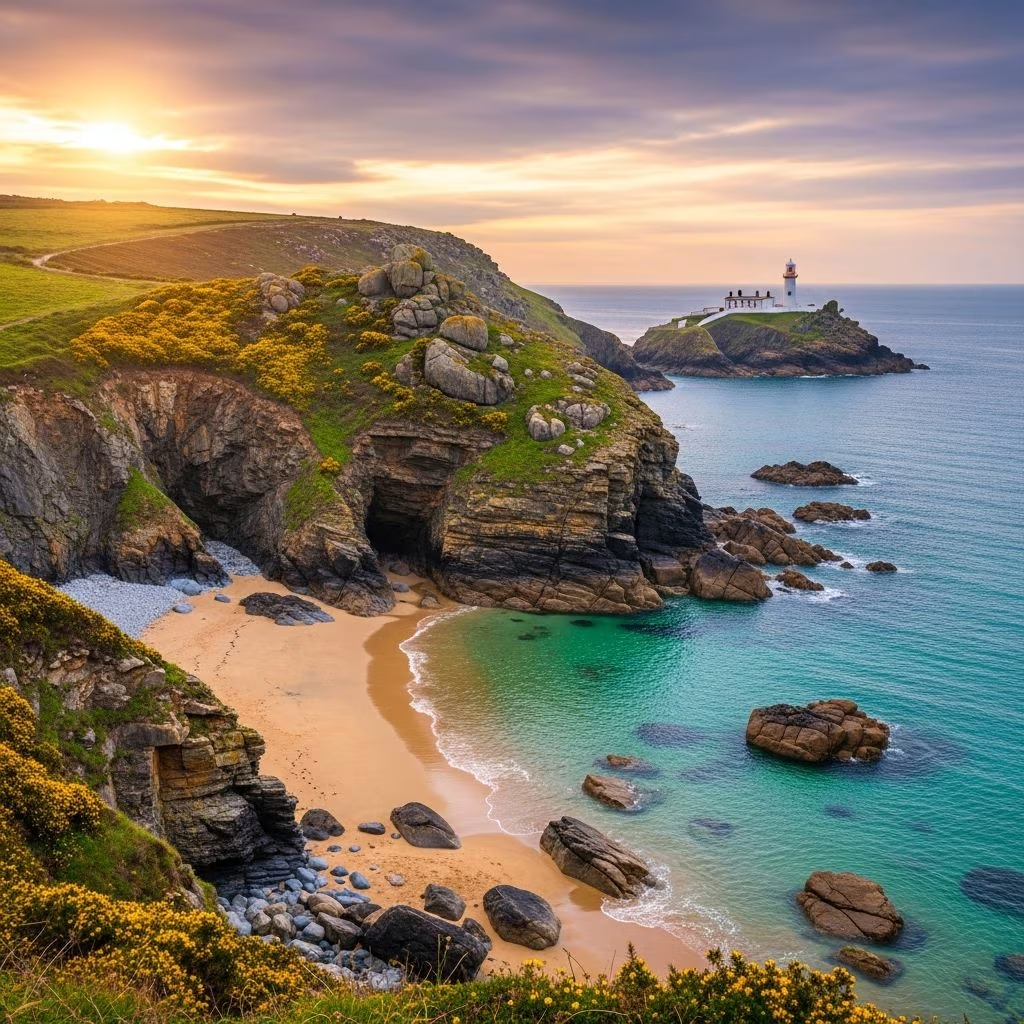
Cornwall, located in Southwest England, stands as one of the UK’s most captivating holiday destinations. This picturesque region combines dramatic coastal landscapes, rich historical heritage, world-class attractions, and vibrant communities that appeal to travelers of every interest. Whether you’re seeking adventure on the water, relaxation on sandy shores, or cultural experiences in charming villages, Cornwall delivers an extraordinary range of experiences throughout the year.
When planning a Cornish getaway, certain attractions consistently rank among the most visited and celebrated. These flagship destinations showcase the region’s unique character and offer something memorable for virtually every visitor.
The Eden Project stands as one of Cornwall’s most recognizable attractions, drawing visitors from across the globe. This innovative botanical attraction features two impressive biomes constructed from transparent plastic domes set within a reclaimed clay pit. The rainforest biome showcases exotic flora from tropical regions worldwide, allowing visitors to experience jungle ecosystems without leaving England. The Mediterranean dome highlights plant species from warm, dry climates, demonstrating how different botanical environments adapt to their surroundings. Beyond the domes, open-air gardens display plants indigenous to Cornwall and surrounding regions. For those seeking additional thrills, the project offers zipline experiences across the sprawling grounds, combining adventure with environmental education. Regular concerts and cultural events held within the venue make it a dynamic cultural hub throughout the year.
Rising majestically from Mount’s Bay, St. Michael’s Mount captivates visitors with its architectural grandeur and legendary heritage. This remarkable tidal island connects to the mainland via a natural causeway accessible during low tide, creating a truly unique approach to this historic stronghold. At high tide, visitors reach the island by boat, adding to the sense of adventure and isolation. The castle itself showcases multiple architectural periods, from its medieval fortress foundations to later additions and refinements. Inside, visitors explore rooms featuring period furnishings, artwork, and artifacts that illuminate centuries of occupation. The island’s terraced gardens provide peaceful spaces for reflection while offering stunning views across the bay.
Dramatically perched on Cornish clifftops, the Minack Theatre represents one of Britain’s most unconventional performance venues. This open-air amphitheater carved into the landscape creates an utterly unique theatrical experience where the natural scenery becomes an integral part of every production. Attending an evening performance here, with the Atlantic Ocean backdrop and Atlantic breezes, creates memories that endure long after the final curtain. The venue hosts theater, ballet, and music performances throughout the summer season, with a small museum and café occupying adjacent spaces.
Cornwall’s strategic coastal position ensured the construction of numerous defensive structures throughout its turbulent history. These castles and forts represent fascinating windows into past centuries.
Perched dramatically on the North Cornish coast, Tintagel Castle captures imaginations through its association with Arthurian legend. Visitors to this fortress encounter romantic accounts linking the site to King Arthur, Merlin, and other figures from Celtic mythology. The castle comprises two distinct sections connected by a recently constructed bridge, allowing visitors to traverse the full extent of these historic ruins. The sheer clifftop location delivers breathtaking views across the Atlantic, making the challenging climb worthwhile. The site combines archaeological significance with legendary appeal, attracting history enthusiasts, mythology followers, and curious tourists alike.
Positioned strategically on the Falmouth headland, Pendennis Castle exemplifies Tudor-era military architecture. Constructed during the reign of Henry VIII, this fortress served as a crucial defensive installation against potential invasion. The castle’s circular design and formidable gun emplacements reflect the military technology of its era. Today’s visitors explore the castle’s multiple levels, discovering exhibits that contextualize the structure’s role in England’s maritime defense strategy. The elevated position provides panoramic views across Falmouth Harbor and the wider Cornish coastline.
Beyond constructed attractions, Cornwall’s landscape itself constitutes the region’s greatest treasure. Dramatic cliffs, secluded coves, and varied terrain create infinite opportunities for exploration and appreciation of natural beauty.
The Lizard Peninsula extends as the United Kingdom’s southernmost point, creating a sense of reaching the literal edge of Britain. This relatively undeveloped headland retains considerable natural beauty, with an 11-kilometer coastal walking route that circumnavigates the peninsula’s most scenic sections. Along this walk, visitors encounter isolated coves, dramatic cliff formations, and charming fishing villages largely untouched by mass tourism development. Communities such as Cadgwith preserve traditional fishing culture, with colorfully painted boats dotting the harbor. Poldhu Cove offers a quieter alternative to more crowded beaches, while Kynance Cove features distinctive rock formations and turquoise waters that captivate photographers and swimmers alike.
Located on the eastern side of Mount’s Bay within the Lizard Peninsula, Kynance Cove exemplifies Cornish coastal beauty. The distinctive turquoise waters, unusual for English shores, create a Mediterranean atmosphere despite the Atlantic location. Rock formations create natural divisions within the cove, offering sheltered swimming areas and tide pools for exploration. The beach’s relatively small size ensures it never becomes overwhelmingly crowded, though visitors should check tidal information before planning their visit.
Land’s End marks the southwestern extremity of mainland Britain, making it a pilgrimage destination for those seeking geographical superlatives. The dramatic clifftop landscape showcases the raw power of Atlantic waves crashing against ancient rock formations. While the immediate vicinity has developed commercial attractions, the genuine appeal lies in the surrounding coastal paths offering spectacular walking opportunities. The landscape’s commercialization represents a trade-off between accessibility and unspoiled nature that visitors should consider when planning their visit.
Cornwall’s extensive coastline features beaches suitable for virtually every preference, from family-friendly sandy strands to challenging surf breaks.
Fistral Beach near Newquay ranks among England’s premier surfing locations, attracting enthusiasts from across the globe. The consistent Atlantic swells and golden sand create ideal conditions for water sports. Constantine Beach on the north coast combines natural beauty with accessibility, offering safe swimming areas for families. Carbis Bay provides a more relaxed atmosphere, perfect for leisurely beach days without demanding athletic pursuits. Bedruthen Steps features dramatic cliff formations surrounding a smaller beach, creating a visually stunning environment for photography and coastal exploration. Sennen Cove near Land’s End offers consistently good conditions for both swimming and surfing.
The South West Coast Path provides one of Britain’s most celebrated long-distance walking routes, with numerous sections traversing Cornwall’s most spectacular scenery. Shorter segments accessible as day walks allow visitors to experience the landscape’s drama without committing to multi-day treks. Beyond walking, the region supports kayaking, paddleboarding, rock climbing, and diving for those seeking more active pursuits. Water sports facilities at major beaches provide equipment rental and instruction for both beginners and experienced practitioners.
Beyond the Eden Project, Cornwall nurtures several significant gardens showcasing diverse horticultural traditions and plant collections.
These remarkable gardens represent decades of restoration work, transforming overgrown Victorian plantings back into cultivated landscape. Walking through the Lost Gardens reveals multiple themed areas, from productive vegetable plots to ornamental sections, each reflecting nineteenth-century horticultural ideals. The gardens’ comprehensive restoration demonstrates how Victorian gardeners approached landscape design and plant cultivation.
The Roseland Peninsula south of Falmouth includes Trelissick, a National Trust property combining house tours with significant garden collections. A scenic ferry ride from Malpas to Falmouth provides an alternative approach to exploring this area, combining water transportation with coastal scenery.
Beyond natural attractions, Cornwall’s towns offer cultural institutions, shopping, and dining experiences worthy of dedicated visits.
St. Ives balances functioning as a working harbor community with thriving artistic heritage. The Tate St. Ives gallery showcases modern and contemporary art with emphasis on British practitioners. The town’s steep streets accommodate numerous boutique shops, galleries, and restaurants concentrated along the seafront and in surrounding lanes. During peak summer periods, visitor congestion creates parking challenges, making the scenic coastal railway from St. Erth a practical and pleasant alternative.
Positioned at the mouth of the Fal River, Falmouth combines maritime significance with contemporary vitality. The town’s waterfront location supports active harbor operations, passenger ferries, and water sports facilities. Numerous restaurants and cafés line the harbor, with coastal paths offering walking opportunities in multiple directions from the town center.
As Cornwall’s only city, Truro provides urban services including shopping, dining, and cultural attractions. Truro Cathedral, designed by architect John Loughborough Pearson, represents significant Victorian ecclesiastical architecture. The surrounding streetscape includes historic buildings alongside contemporary retail establishments.
Beyond major attractions and town centers, smaller communities preserve authentic Cornish character and charm.
Located near Penzance, Mousehole exemplifies Cornish village aesthetics with its picturesque harbor, narrow streets, and traditional stone buildings. The village’s name, derived from the Cornish word for cave, reflects its geological setting. Artistic traditions have established the community as an important cultural center within the region. Visitors seeking quieter experiences often prefer Mousehole’s pace to the busier resort atmosphere of nearby Penzance.
Positioned at the junction of two steep valleys meeting the coast, Boscastle creates distinctive geological and scenic conditions. The harbor’s unusual configuration within narrow cliffs creates picturesque views. The surrounding area features natural phenomena including the Devil’s Blowhole, where seawater erupts through underground caverns during stormy conditions. Boat tours from the harbor provide perspectives unavailable from land.
Hiring an automobile provides maximum flexibility for exploring Cornwall’s dispersed attractions, as public transportation, while available, requires careful planning. Newquay functions as a central base offering ample accommodation options and restaurant choices, facilitating convenient access to diverse attractions throughout the region. Alternative bases include Falmouth, Penzance, or Truro, depending on specific priorities and travel patterns.
Summer months bring warm weather and longer daylight hours but also significantly increased visitor numbers and accommodation prices. Shoulder seasons (May-June and September-October) offer better value and fewer crowds while maintaining reasonable weather. Winter months see fewer visitors but reduced daylight hours and potential weather disruptions. Checking tide times proves essential for visits involving St. Michael’s Mount’s causeway, as accessibility depends entirely on tidal conditions.
Popular attractions including the Eden Project and Minack Theatre benefit from advance booking, ensuring entry and potentially providing cost savings. During peak summer periods, same-day ticket availability cannot be guaranteed for major attractions. Online booking typically offers discounted rates compared to on-site purchases.
