

 Travel Essentials
 Travel Essentials

A comprehensive guide to Crete's top destinations including archaeological wonders, natural landscapes, historic towns, and coastal attractions for unforgettable island experiences.
 Travel Essentials
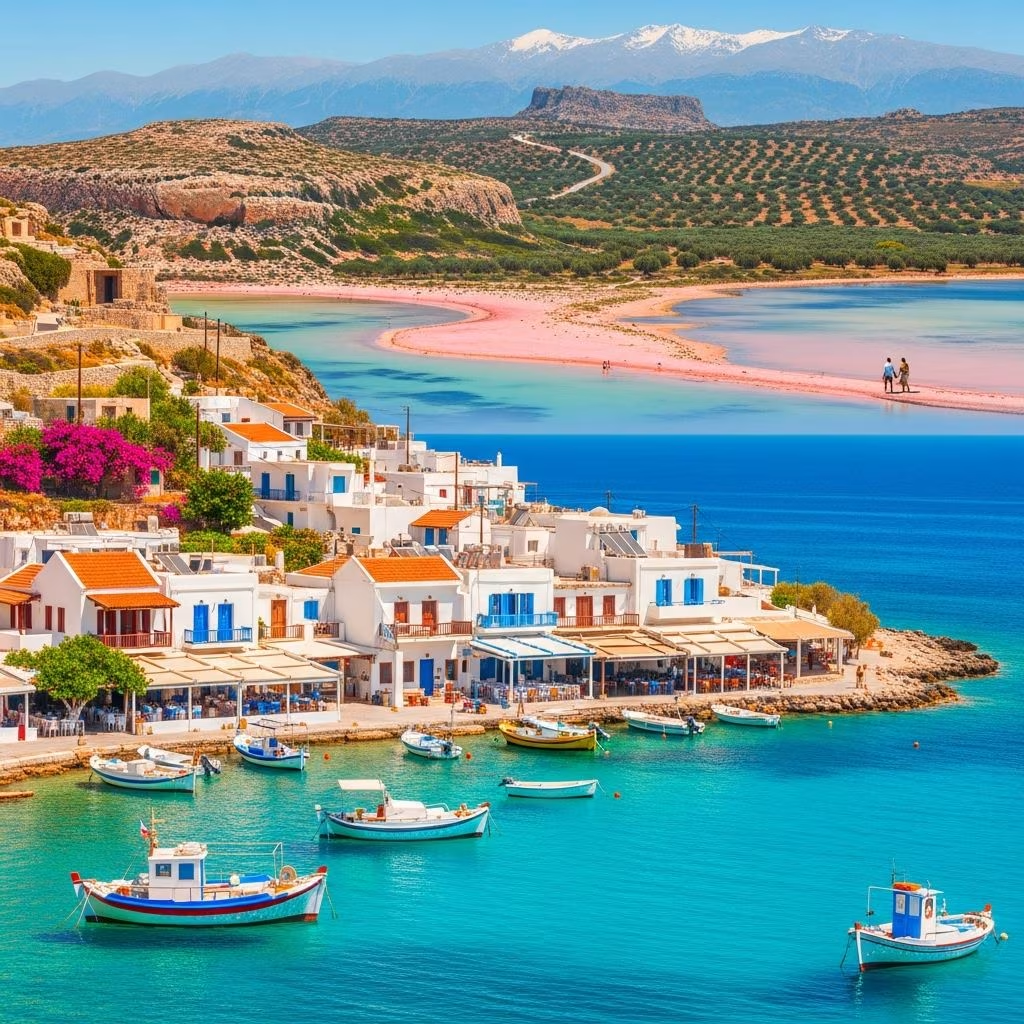
Crete, Greece’s largest island, stands as one of the Mediterranean’s most compelling destinations, offering visitors an extraordinary blend of historical depth, natural magnificence, and cultural authenticity. The island’s appeal transcends typical beach vacation experiences, presenting instead a multifaceted tapestry of Bronze Age ruins, dramatic mountain landscapes, charming Mediterranean towns, and crystalline waters that have captivated travelers for centuries. Whether you’re drawn to ancient history, outdoor adventure, gastronomic exploration, or simply the rhythms of island life, Crete delivers experiences that resonate long after departure.
The archaeological heritage of Crete represents one of Europe’s most significant repositories of ancient knowledge, centered primarily on the remarkable Minoan civilization. This Bronze Age society thrived thousands of years before Classical Greece emerged, creating sophisticated urban centers and leaving behind artifacts that continue to illuminate humanity’s early development.
Perhaps Crete’s most iconic archaeological destination showcases the architectural ingenuity of Minoan rulers. This sprawling palace complex, discovered in the early twentieth century, reveals the advanced engineering and artistic sensibilities of an ancient civilization that flourished approximately 3,500 years ago. The site encompasses multiple levels, interconnected chambers, and sophisticated storage facilities that demonstrate advanced administrative organization. Visitors encounter reconstructed frescoes depicting court life, religious ceremonies, and the island’s maritime significance, while the labyrinthine corridors and unexpected architectural features create an immersive journey through Bronze Age Crete.
For optimal exploration, allocating 2-3 hours allows comprehensive examination of the ruins. Early morning visits provide advantages in avoiding peak crowds and benefiting from cooler temperatures. Engaging a knowledgeable local guide enhances understanding of the complex spatial relationships and mythological connections associated with the site, transforming a simple visit into an educational experience that brings ancient stories to vivid life.
Complementing the palace ruins, Crete’s primary archaeological museum houses an extraordinary collection of Minoan artifacts that contextualizes the island’s ancient significance. Pottery vessels, religious figurines, jewelry, and decorative objects reveal the sophisticated aesthetic sensibilities and technical mastery of Bronze Age artisans. The museum provides essential background for understanding the palace complex’s functions and the daily lives of inhabitants. The collection’s breadth and quality place it among Greece’s most important cultural institutions, offering visitors tangible connections to civilizations that preceded Classical antiquity by millennia.
Beyond historical attractions, Crete’s diverse landscapes present extraordinary opportunities for nature enthusiasts and adventure seekers. The island’s interior reveals dramatic mountain terrain, pristine gorges, and ecological systems that have remained largely unchanged for centuries.
Crete’s most celebrated hiking destination showcases the raw power of geological forces that have sculpted the White Mountains over millennia. This renowned gorge stretches more than ten miles through pristine wilderness, establishing itself as Europe’s longest canyon and the world’s third-longest by some measurements. The hike descends gradually through increasingly narrow passages, where towering cliff faces create breathtaking vistas while wildflowers, endemic plants, and occasional wildlife encounters punctuate the journey. The trail culminates at a tranquil coastal settlement, completing an approximately six-hour traverse that ranks among Europe’s most dramatic trekking experiences.
The gorge appeals particularly to experienced hikers and outdoor enthusiasts prepared for sustained physical exertion. Spring and autumn present optimal conditions, offering moderate temperatures and reliable weather patterns. The route requires appropriate footwear, adequate hydration supplies, and realistic time estimates. Many visitors coordinate with local operators who arrange transport logistics, allowing focus on the hiking experience without vehicular concerns.
Mythology intersects with geology at a prominent cave system long venerated in Greek tradition as birthplace of the supreme deity. The underground environment showcases impressive stalactites and stalagmites that have formed over millions of years, creating chambers of ethereal beauty. Visitors descend through winding passages that descend approximately 300 meters into the mountain, encountering substantial chambers and smaller galleries adorned with mineral formations in varied hues. Beyond geological interest, the site carries profound spiritual significance for visitors drawn to mythological connections and sacred landscapes.
Among Crete’s more unexpected natural features, a significant freshwater lake provides refuge for diverse bird species and aquatic life. The surrounding landscape combines mountains, olive groves, and small settlements, creating picturesque scenery that attracts photographers and nature observers. Paddle boats allow visitors to explore the waters while observing waterfowl and enjoying peaceful contemplation. Nearby traditional restaurants serve locally-sourced cuisine, with many establishments offering waterfront seating for leisurely meals overlooking the tranquil expanse.
Crete’s primary towns showcase distinct historical periods and architectural traditions, reflecting centuries of Mediterranean trade, cultural exchange, and foreign influence. Each urban center maintains distinctive character while offering comfortable modern amenities for contemporary travelers.
The western coast’s principal city presents a remarkable architectural palimpsest where Venetian, Ottoman, and contemporary Greek elements coexist harmoniously. The historic harbor district features narrow cobblestone streets adorned with flowering bougainvillea, traditional wooden balconies, and waterfront promenades ideal for leisurely exploration. A restored lighthouse stands sentinel over the harbor, creating photogenic vistas particularly striking during sunset hours. The fortress overlooking the old town showcases military architecture from the Venetian period, with restored bastions offering panoramic coastal views. Exploring during evening hours allows visitors to experience the authentic social rhythms of local life, with families and social groups gathering in waterfront cafes.
The eastern coast features a charming harbor settlement that combines tourist amenities with authentic Mediterranean character. Narrow streets lead from the waterfront into older quarters where traditional architecture predominates. The town serves as a gateway to nearby islands and coastal attractions while maintaining a more relaxed atmosphere than larger urban centers. Waterfront tavernas serve fresh seafood and regional specialties, with many establishments offering alfresco dining overlooking the harbor. The adjacent lake area provides nature observation opportunities and paddling activities.
Further along the eastern coast, a substantial port town combines historical significance with contemporary resort infrastructure. The town’s various neighborhoods reflect different periods of development and settlement, from ancient quarters to modern beach resort areas. Archaeological museums and historical sites throughout the region provide cultural depth, while surrounding beaches offer recreational opportunities. The town functions as a practical hub for exploring the eastern island while providing evening entertainment and dining options.
Crete’s diverse coastline presents beaches ranging from sandy stretches to dramatic rocky formations, each offering distinct characteristics and appeal. The island’s southern coast particularly showcases some of Greece’s most photographed and celebrated beach environments.
| Beach Location | Primary Characteristics | Best For | Accessibility |
|---|---|---|---|
| Southwestern Pink Sand Beach | Unique pinkish sand, clear turquoise waters, protected lagoon | Photography, swimming, couples | Moderate (seasonal boat access) |
| Northern Lagoon System | Sheltered waters, exotic vegetation, archaeological sites | Shallow water exploration, families, scenic views | Boat tours, water taxis available |
| Southern Gorge Outlet | Beach within dramatic cliff environment, river mouth location | Hiking connections, nature observation | Hiking trail or boat access |
| Eastern Rocky Shores | Natural rock formations, smaller sand pockets, wild landscapes | Photography, adventurous travelers | Boat tours, challenging terrain |
The southwestern coast presents extraordinary natural beauty characterized by exotic vegetation and crystalline shallow waters that create stunning photographic opportunities. Accessible primarily by boat, the environment maintains pristine conditions and limited visitor impact. The distinctive pinkish sand, formed from crushed shells and minerals, creates a unique aesthetic that distinguishes this destination from typical Mediterranean beaches.
The northern lagoon system, accessible through boat excursions, combines natural beauty with historical significance. The shallow, protected waters provide safe swimming environments suitable for families and less experienced swimmers. Nearby ruined fortifications and historical sites enhance the cultural dimension of visits.
Beyond archaeological sites, Crete’s religious architecture reflects centuries of spiritual tradition and historical transformation. Monasteries and churches provide insights into Orthodox Christian heritage while offering peaceful environments for contemplation.
A prominent monastery situated on the central island represents both architectural grandeur and historical tragedy. The complex’s baroque exterior and fortified design reflect its role in protecting monastic communities during periods of Ottoman dominion. The site carries profound significance in Cretan history, commemorating acts of resistance and sacrifice that resonate through contemporary cultural memory. Visitors encounter preserved religious artifacts, traditional workshops, and tranquil gardens that invite spiritual reflection regardless of personal religious orientation.
Spring (April-May) and autumn (September-October) offer ideal combinations of comfortable temperatures, manageable tourist crowds, and favorable weather conditions. Summer months attract peak tourism and intense heat, while winter presents limited operating hours for certain attractions.
A comprehensive week-long visit allows roughly equal distribution among eastern, central, and western regions, with additional time dedicated to specific interests whether archaeological, cultural, or recreational. Four days provides baseline coverage of primary attractions, though rushed scheduling limits deeper engagement.
Rental vehicles provide maximum flexibility for independent travelers, while organized tours offer structured experiences with professional guidance. Public buses connect major towns, though limited rural coverage restricts spontaneous exploration. Boat excursions access coastal and island destinations unavailable by land.
Beaches, lake paddle boats, accessible portions of archaeological sites, and coastal town exploration accommodate family travel. Shorter hiking segments, interactive museums, and waterfront dining provide engaging experiences for varied age groups.
Palm groves, lighthouses, waterfront areas, and port districts provide complimentary exploration opportunities. Many beaches remain free, though organized beach clubs offer amenities at reasonable costs. Monastery visits typically involve modest donations rather than formal fees.
Successful Crete experiences benefit from thoughtful planning that balances structure with flexibility. The island’s size permits efficient exploration of diverse attractions, yet also rewards unhurried engagement with particular regions or activities. Carrying adequate water during outdoor pursuits, using sun protection consistently, and maintaining respectful behavior at archaeological and religious sites ensures both personal comfort and cultural preservation.
Engaging with local communities through dining at family-operated establishments, purchasing artisanal crafts from independent producers, and participating in cultural events deepens travel experiences beyond typical tourist interactions. The Cretan people maintain strong traditions of hospitality while balancing contemporary tourism with cultural preservation aspirations.
