

 Travel Essentials
 Travel Essentials

A comprehensive guide to Delhi's most captivating attractions, from ancient monuments to contemporary art scenes and spiritual landmarks.
 Travel Essentials
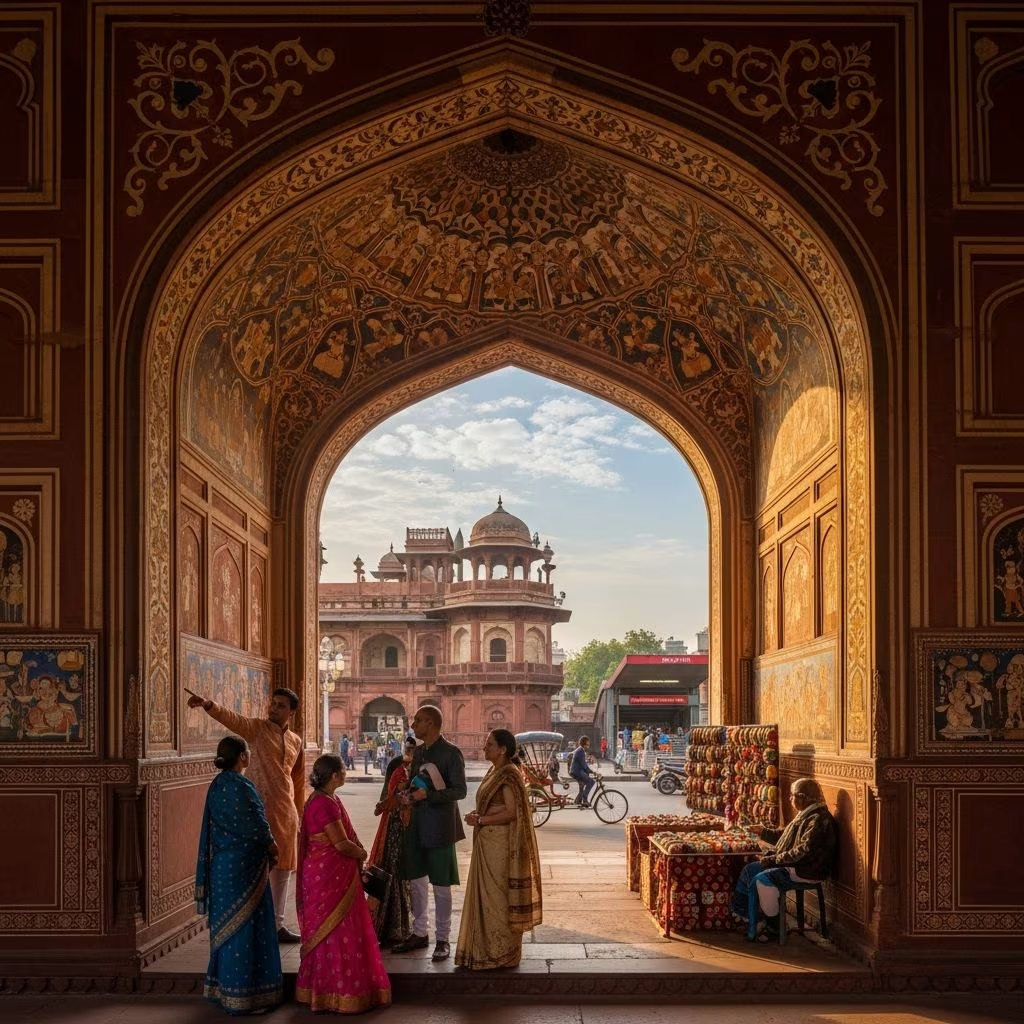
Delhi stands as one of the world’s most layered cities, where centuries of history coexist with modern energy. The capital of India presents visitors with an extraordinary blend of architectural wonders, spiritual centers, and dynamic cultural spaces. Whether exploring remnants of ancient sultanates or experiencing contemporary artistic expressions, travelers will find Delhi offers depth and diversity that extends far beyond typical tourist expectations.
The foundation of Delhi’s historical significance rests largely on its magnificent fortifications. These structures represent different eras of the city’s complex past and continue to draw millions of visitors annually. Walking through these ancient complexes provides insight into the military strategies, architectural innovations, and cultural values of their respective periods.
One of the most prominent examples is a sprawling red sandstone fortress that served as a royal residence and defensive stronghold for centuries. This monument showcases the architectural sophistication of its builders, featuring graceful arches, intricate marble work, and visible influences from both Indian and colonial design traditions. The contrast between indigenous architectural elements and later additions from foreign powers tells the story of Delhi’s transformation through conquest and adaptation. Visitors typically allocate three hours to adequately explore the various chambers, courtyards, and museums contained within its walls.
Adjacent to this fortress lies one of the city’s most vibrant marketplaces, a labyrinth of narrow lanes where vendors sell everything from textiles to jewelry to street food. The energy here remains palpable even after centuries of continuous commerce, making it essential to visit this area to understand how ordinary Delhiites navigate their daily lives.
Delhi’s religious landscape encompasses diverse faiths and traditions, each represented by stunning architectural and spiritual achievements. These spaces offer more than photographic opportunities; they provide windows into the spiritual lives of millions of practitioners.
The eastern bank of the Yamuna River hosts a relatively recent but extraordinary temple complex built in the early 21st century. This sprawling religious site combines traditional Hindu design principles with modern construction techniques and entertainment elements. The experience resembles navigating a theme park dedicated to Hindu culture, featuring boat rides through dioramas depicting ten thousand years of Indian history, animatronic displays, sound and light presentations, and the architectural centerpiece itself. The temple structure showcases pale-red sandstone carved with elaborate reliefs depicting deities and religious narratives, demonstrating that traditional stone-carving techniques remain viable and powerful in contemporary contexts. Visitors should allocate two to three hours to experience the full complex.
In contrast to ornate temple complexes, a distinctive lotus-shaped structure represents a different spiritual approach. This Bahá’í House of Worship stands as a masterpiece of minimalist modern architecture, its flowing lines and geometric perfection creating a serene counterpoint to the city’s chaotic energy. The adjoining facilities include communal dining spaces where visitors share meals with strangers, medical clinics serving the community, and extensive landscaping featuring pools of water. The interior experience involves sitting in meditation while listening to classical music performances. This location ranks among Delhi’s must-visit destinations for those seeking spiritual or architectural inspiration.
Near the popular backpacker district, an imposing temple honors a significant figure in Hindu mythology. Standing 34 meters tall, this central statue represents the monkey god and beloved companion of Lord Rama. The distinctive entrance requires visitors to walk through an architectural representation of a demon’s mouth, beyond which lies an artificial cave containing life-sized sculptural representations of deities in dramatic scenarios. This visceral approach to religious art distinguishes it from more serene spiritual spaces.
Delhi’s green spaces serve multiple functions simultaneously. They provide respite from urban intensity, preserve historical monuments, and create gathering spaces for diverse populations. Several major gardens deserve attention from visitors seeking both relaxation and cultural understanding.
One particular garden complex sprawls across substantial acreage, incorporating Mughal-era tombs scattered throughout landscaped pathways. Families picnic here, artists find inspiration in the surroundings, and locals exercise along tree-shaded walkways. The structures date back approximately 500 years, offering tangible connections to the final dynasty of the Delhi sultanate. A few hours of wandering these gardens provides peaceful reflection while encountering historical remnants from multiple periods.
Complementing these traditional gardens, a modern heritage park has undergone extensive restoration to recreate Mughal garden design principles. Located near the iconic Humayun’s Tomb, this project demonstrates contemporary commitment to preserving historical aesthetic traditions while creating functional recreational space.
Beyond conventional historical sites, Delhi’s contemporary art scene offers compelling experiences. One previously nondescript suburb transformed through an ambitious public art initiative has become a destination in its own right. More than 50 artists from India and internationally have contributed vibrant murals to residential buildings, transforming blank walls into open-air galleries. The works draw inspiration from Indian cultural heritage while incorporating diverse artistic perspectives and techniques. This area costs nothing to explore and connects visitors with the Lodi Garden complex, creating an ideal itinerary combining contemporary art with historical monuments.
Museums throughout Delhi provide structured explorations of Indian history, art, politics, and scientific progress. These institutions range from traditional collections to interactive modern facilities.
Historical Documentation: Several museums focus on pivotal figures in Indian independence and political history. One notable institution occupies the former residence of India’s first female prime minister, where her assassination occurred in 1984. Another preserves the home of a founding prime minister, offering insight into the intellectual environment that shaped modern India’s political direction.
Artistic Collections: Dedicated galleries showcase paintings from numerous Indian artists across different periods, displaying the evolution of Indian artistic traditions and contemporary expressions. These spaces offer profound insights into how Indian visual culture has developed and continues to transform.
Technical Heritage: Museums dedicated to railway history, scientific advancement, and traditional craftsmanship provide unusual perspectives on Indian civilization. Watching artisans demonstrate traditional crafts in their original contexts offers appreciation that photographs alone cannot convey.
Delhi’s commercial spaces reveal much about the city’s economic vitality and consumer culture. Major shopping districts offer everything from luxury goods to handcrafted items to textiles.
One significant commercial hub maintains status as one of the city’s largest retail destinations. Shopping here typically requires two to three hours and involves navigating crowded corridors while discovering bargains on clothing, accessories, and fashion items. The experience embodies Delhi’s commercial energy and provides authentic glimpses of local shopping culture beyond tourist-oriented markets.
Several districts offer experiences distinct from major historical attractions. One particular neighborhood hosts an artistic community centered around bohemian cafes, live music venues, art galleries, and independent boutiques. This area attracts Delhi’s student population and offers tangible contrast to more formally preserved historical sites. An ancient 14th-century religious school and the tomb of a Delhi sultan anchor the neighborhood, which grew around these structures. Casual music venues feature performances in intimate settings, creating opportunities for musical participation rather than passive observation.
Sufi Devotional Traditions: Nestled within residential alleys lies a shrine dedicated to a revered Sufi saint. This location generates an intensely mystical atmosphere as hundreds of daily devotees gather to pay respects while singing devotional hymns and offering rose petals. This experience provides insight into spiritual practices outside mainstream temple contexts.
Archaeological Parks: Beyond major monuments, sprawling archaeological sites contain dozens of lesser-known structures scattered across preserved forest areas. These locations reveal the scope of historical settlement patterns and architectural development across centuries.
Step-Wells and Historical Engineering: Ancient structures designed for water management demonstrate sophisticated engineering approaches to environmental challenges. These monuments combine practical function with artistic ornamentation, showcasing how builders integrated utility with beauty.
Visitors with different interests benefit from structuring time around particular themes. History enthusiasts can focus on successive sultanate periods and their architectural legacies. Spiritual seekers can visit temples and shrines representing diverse traditions. Art-focused travelers can combine street art tours with museum visits and gallery explorations. Shopping enthusiasts can navigate commercial districts and craft markets. Most itineraries benefit from combining major attractions with quieter neighborhoods, creating balanced experiences that prevent sensory overload.
A minimum of three days allows visitors to experience major attractions without excessive rushing. Longer stays permit deeper engagement with neighborhoods, museums, and cultural spaces. Travelers can adjust based on personal interests and tolerance for intense urban environments.
October through March offers pleasant weather, while summer months involve extreme heat. Monsoon seasons bring humidity and occasional flooding in low-lying areas. Most visitors find fall and winter months provide optimal conditions for extensive outdoor exploration.
Photography permissions vary by location. Some temples and museums restrict professional or flash photography, while historical sites generally permit casual photography. Checking specific rules before visiting prevents disappointment.
