


 Food & Culture
Food & Culture
Best Things to Do in Doha, Qatar: Corniche, Souq Waqif & Desert Adventures
Explore Doha's dynamic blend of ancient souqs, towering modern architecture, profound Islamic art collections, and thrilling desert escapades in this ultimate first-timer's guide.
 Food & Culture
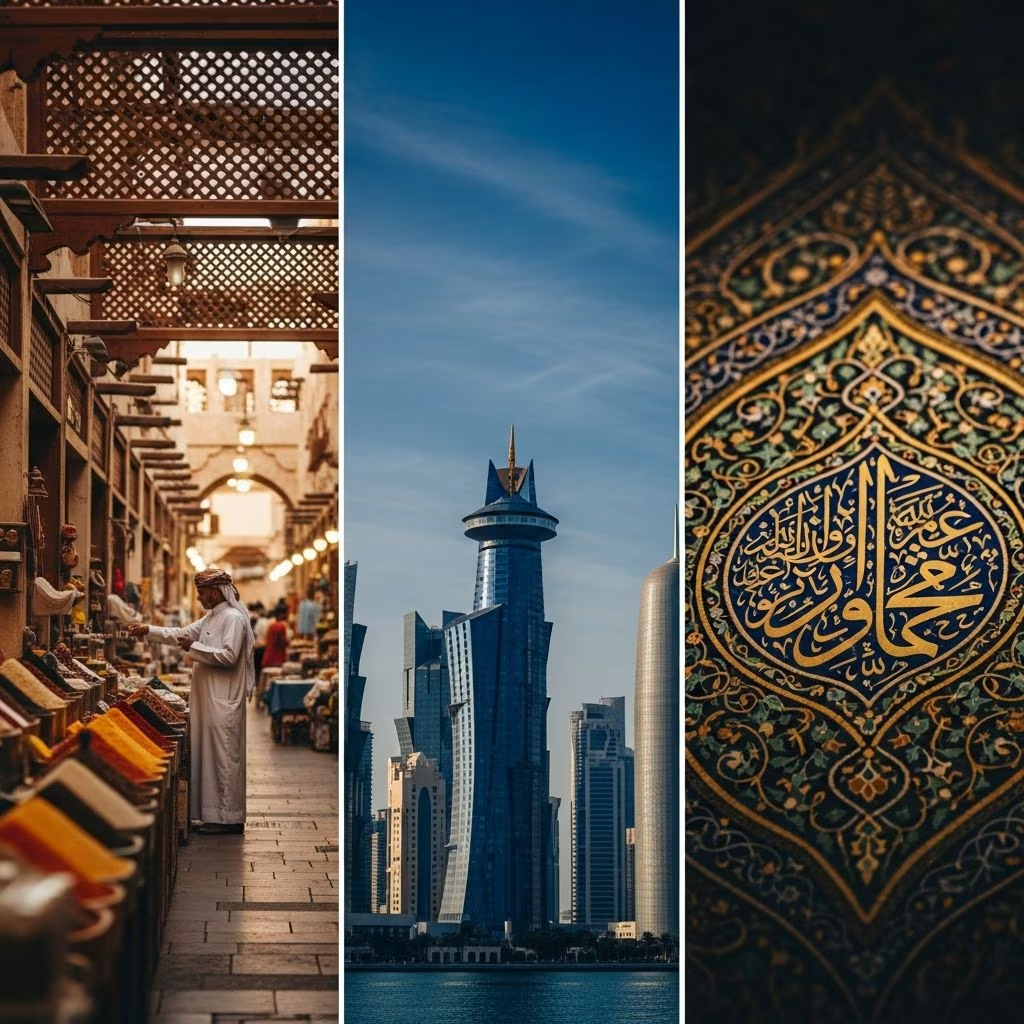
Doha, Qatar’s bustling capital, masterfully fuses its rich Bedouin roots with audacious modern ambitions. Visitors encounter a city where traditional markets hum alongside gleaming high-rises, and museums showcase centuries-old treasures against a backdrop of Persian Gulf waves. This guide illuminates key attractions for newcomers, highlighting cultural immersion, architectural marvels, and outdoor thrills.
Strolling the Iconic Waterfront Promenade
The Doha Corniche stretches along the city’s crescent-shaped bay, offering panoramic vistas of the skyline and sea. This 7-kilometer paved walkway invites leisurely walks amid palm trees, parks, and dhow boats bobbing in the harbor. Early mornings reveal locals jogging or families picnicking, while evenings bring illuminated towers reflecting on the water. It’s an ideal starting point to grasp Doha’s scale—from modest pearl-diving heritage to global finance hub.
Along the path, public art installations and green spaces like Al Bidda Park provide rest spots. Cyclists rent bikes nearby, and food kiosks serve fresh juices and shawarma. The Corniche embodies Doha’s public accessibility, free and open 24/7, fostering community amid rapid urbanization.
Delving into Timeless Trading Hubs
Souq Waqif stands as Doha’s beating heart of commerce and culture, a labyrinth of alleys revived from near-ruin into a vibrant heritage site. Once a modest market for trading goods by the creek, its 2000s restoration preserved mud-brick facades while adding modern comforts like air-conditioned sections. Wander spice stalls overflowing with saffron and cardamom, gold souks glittering with intricate filigree, and perfume vendors blending oud essences on-site.
- Textile Quarter: Fabrics from India, Turkey, and local weaves in vivid patterns.
- Animal Souk: Falcons, falcons’ hoods, and exotic birds— a nod to Qatar’s falconry tradition.
- Artisan Workshops: Potters and weavers demonstrating age-old techniques.
Nightfall transforms the souq with lantern light, live music, and diners at rooftop cafes savoring machboos rice dishes. Despite surrounding malls, Souq Waqif thrives as a sustainable urban oasis, resisting homogenization.
Architectural Wonders Piercing the Sky
Doha’s skyline dazzles with bold designs symbolizing economic prowess. In West Bay’s financial district, Burj Doha by Jean Nouvel rises like a metallic minaret, its facade a geometric lattice echoing mashrabiya screens for shade and privacy. The windowless exterior hides a cube-capped dome inside, channeling light through a vast oculus while framing bay views from soaring interiors.
Nearby, the Shard-like towers cluster, but Burj Doha commands attention with its phallic silhouette and Islamic motifs. These structures combat desert harshness—sandstorms and intense sun—via innovative engineering, blending cultural reverence with futurism.
| Landmark | Architect | Key Feature |
|---|---|---|
| Burj Doha | Jean Nouvel | Mashrabiya-inspired metal screen |
| Museum of Islamic Art | I.M. Pei | Floating cube over water |
| Al-Fanar Center | Local Design | Spiraling minaret form |
Masterpieces of Faith and Craftsmanship
The Museum of Islamic Art (MIA) perches on a purpose-built island, its limestone cube evoking a medieval fortress. Housing artifacts from Spain to India spanning 1,400 years, highlights include turquoise mihrabs, illuminated Qurans, and astrolabes blending science and art. The grand atrium’s dome filters sunlight onto marble floors, mimicking historic prayer halls.
Adjacent, Al-Fanar Cultural Center spirals skyward as Doha’s tallest mosque until 2011, named for Sheikh Abdullah bin Zaid Al-Mahmoud. Its helical form integrates worship, library, and Arabic classes, promoting Islamic scholarship near Souq Waqif. Visitors explore heritage shops and attend events, bridging tradition with contemporary life.
Thrilling Escapes into the Golden Dunes
Beyond urban dazzle, Doha’s periphery unveils vast deserts for adrenaline and serenity. Organized safaris from the city whisk guests in 4x4s over undulating sands, culminating in dune bashing—heart-pounding climbs and drops. Sunset camel treks evoke Bedouin days, followed by Bedouin camps with henna artists, belly dancers, and barbecue under stars.
- Overnight Options: Glamping tents with AC and private dunes.
- Family Activities: Sandboarding and quad biking for all ages.
- Best Time: October to April for milder temperatures.
These outings highlight Qatar’s 90% desert terrain, contrasting coastal modernity and fostering appreciation for nomadic resilience.
Curated Stays for Every Traveler
Doha caters to diverse budgets and styles. Luxury seekers favor West Bay’s Mandarin Oriental or Ritz-Carlton with infinity pools overlooking the bay. Souq Waqif hotels like Al Bidda Boutique blend heritage charm with spas. Budget travelers find comfort at Souq Waqif Hotel or hostels near the Corniche.
| Category | Recommendation | Highlights |
|---|---|---|
| Luxury | Four Seasons | Spa, private beach club |
| Mid-Range | Souq Waqif Boutique | Traditional courtyard views |
| Budget | Ewan Hotel | Central, pool access |
Stopover perks abound: Qatar Airways offers free tours and visas for layovers.
Practical Essentials for Seamless Visits
Qatar riyal (QAR) is currency; cards widely accepted. Arabic and English prevail, with modest dress advised—cover shoulders/knees at mosques. Women enter unescorted; alcohol limited to hotels. Taxis via Karwa app or metro (under expansion) ease navigation. Hamad International Airport’s hammam and art make layovers luxurious.
- Visa: Free 96-hour for 80+ nationalities.
- Weather: Summers exceed 40°C; winters mild.
- Safety: Among world’s safest cities.
Frequently Asked Questions
What is the best time to visit Doha?
November to March offers pleasant 20-30°C weather ideal for outdoor exploration.
Is Doha family-friendly?
Yes, with parks, malls like Villaggio (Venice-themed), and desert fun for kids.
How to get around Doha?
Metro, buses, Careem/Uber rideshares, or rent cars for desert trips.
Can non-Muslims visit mosques?
Many welcome visitors during non-prayer times; dress modestly and respect etiquette.
What Qatari dishes to try?
Machboos (spiced rice with meat), karak tea, and luqaimat sweets.
Preserving Doha’s Unique Harmony
Doha’s evolution—from fishing village to skyscraper haven—reflects visionary planning. Initiatives like Souq Waqif’s rehab ensure cultural continuity amid growth. Future projects, including 2022 World Cup legacies, promise more. Travelers contribute by supporting local artisans and eco-tours, sustaining this gem.
References
- Museum of Islamic Art and Qatar’s Modern Architecture — The Window Seat Club. 2019-03-06. https://thewindowseatclub.wordpress.com/2019/03/06/architecture-qatar-and-the-museum-of-islamic-art/
- The Architectural Icon, Al-Fanar Cultural Center in Doha — Sharek.gov.qa. 2023-07-01. https://www.sharek.gov.qa/en/articles/religion-and-society/the-architectural-icon-alfanar-cultural-center-in-doha-plays-a-significant-role-in-presenting-islam/646f72ad98da6c1a4d1b4df8
- The Case of Souk Waqif in Doha, Qatar — Scientific Research Publishing. 2014-10-01. https://www.scirp.org/journal/paperinformation?paperid=49452
On This Page
Strolling the Iconic Waterfront Promenade Delving into Timeless Trading Hubs Architectural Wonders Piercing the Sky Masterpieces of Faith and Craftsmanship Thrilling Escapes into the Golden Dunes Curated Stays for Every Traveler Practical Essentials for Seamless Visits Frequently Asked Questions Preserving Doha's Unique Harmony← Previous
Museum of Pizza: Brooklyn’s Pop-Up Art Experience
Next →
Wakayama Prefecture Travel Guide: Koyasan, Kumano Kodo & Coastlines
Related Reading
More in Food & Culture
Food & Culture Food & Culture
 Food & Culture
Best Places to Eat in Rome: Neighborhood Dining Guide
 Food & Culture
 Food & Culture