

 Travel Essentials
 Travel Essentials

Explore Fukuoka's iconic attractions including historic shrines, scenic parks, vibrant markets, and world-famous ramen culture. Your complete guide to Japan's most underrated destination.
 Travel Essentials
Fukuoka stands as one of Japan’s most dynamic yet underexplored cities, offering visitors an extraordinary blend of ancient traditions and modern vibrancy. Nestled in the Kyushu region, this metropolitan area serves as a gateway to some of Japan’s most remarkable natural and cultural wonders. Whether you’re seeking spiritual enlightenment at centuries-old temples, peaceful moments in meticulously landscaped gardens, or thrilling encounters with local cuisine, Fukuoka delivers experiences that rival much more famous Japanese destinations.
The city’s strategic location makes it an ideal base for exploring the broader Kyushu region while simultaneously offering countless attractions within the city limits itself. From bustling shopping districts to serene natural landscapes, Fukuoka caters to diverse travel interests and preferences. Understanding the city’s key attractions helps travelers maximize their time and create unforgettable memories in this fascinating destination.
Food culture permeates every aspect of Fukuoka’s identity, making it essential to discuss the city’s gastronomic significance before exploring other attractions. The city has earned international recognition for its distinctive approach to Japanese cuisine, particularly its contributions to ramen culture.
Fukuoka’s most famous culinary export is Hakata ramen, characterized by its rich, creamy tonkotsu (pork bone) broth that simmers for hours to develop its distinctive flavor profile. This iconic dish has become so emblematic of the region that it has influenced ramen preparation methods throughout Japan. The noodles are typically thin and straight, designed to absorb the savory broth perfectly. Restaurants throughout the city serve authentic versions, from casual quick-service establishments to more refined dining experiences.
Beyond formal restaurants, Fukuoka’s yatai—portable food stalls—represent an authentic and economical way to experience local cuisine. These small establishments, particularly concentrated in the Nakasu area west of Gion, offer more than just ramen. Visitors can sample grilled seafood, stir-fried noodles, gyoza, and regional specialties prepared by skilled vendors who often maintain the same stalls for decades. The yatai experience encapsulates Fukuoka’s casual, friendly dining culture where locals and tourists mingle over shared meals and conversations.
The Yanagibashi Rengo Market represents another crucial dimension of Fukuoka’s food culture. This traditional market showcases fresh seafood, vegetables, and regional ingredients that supply the city’s restaurants and homes. Walking through the market provides insight into daily life in Fukuoka and opportunities to purchase unique local products.
Fukuoka’s spiritual landscape encompasses numerous religious sites that reflect centuries of Japanese religious practice and architectural evolution.
Kushida Shrine holds distinction as Fukuoka’s oldest shrine, attracting devotees and visitors seeking blessings for longevity and success. The shrine’s most striking feature is the Kushida Ginkgo Tree, a thousand-year-old botanical treasure that commands reverence from visitors. The shrine also houses the Kakiyamakasa float, a spectacular 5-meter-tall decorated structure used during the renowned Hakata Gion Yamakasa Festival each July, when participants race these enormous floats through city streets at remarkable speeds.
Tochoji Temple houses one of Japan’s most impressive wooden Buddha statues, creating a profound spiritual atmosphere for visitors. The scale and craftsmanship of this religious artwork demonstrate the sophistication of Japanese Buddhist sculpture traditions.
Additional religious sites throughout Fukuoka provide diverse perspectives on Japanese spirituality and architecture, each contributing unique elements to the city’s cultural tapestry.
Fukuoka’s parks provide essential respite from urban activity while offering scenic beauty and recreational opportunities for residents and visitors alike.
Ohori Park stands as Fukuoka’s most beloved public space, featuring a two-kilometer walking path that encircles a substantial pond formed from the former moat surrounding Fukuoka Castle. The park accommodates various activities including leisurely strolls, jogging, boat rentals, and sunset appreciation. The adjacent Ohori Park Japanese Garden showcases traditional landscape design principles with meticulously maintained plantings and water features. A traditional teahouse within the garden offers tea ceremony experiences by reservation, with complimentary participation available on select days each month.
The ruins of Fukuoka Castle provide historical context and archaeological interest, while the surrounding Maizuru Park creates a contemplative setting for exploring the region’s feudal past.
ACROS Fukuoka represents an innovative approach to urban development, featuring a cultural center that incorporates landscape architecture into its design. The building’s roof observatory deck, accessible on weekends and holidays from 10 AM to 4 PM, showcases over 50,000 trees and provides panoramic views of Tenjin Park and the city center. This architectural achievement demonstrates how contemporary structures can harmonize with natural elements.
Canal City Hakata functions as one of Fukuoka’s premier shopping and entertainment destinations, housing over 250 retailers alongside cafes, restaurants, and a theater. The complex’s distinctive feature is a 180-meter artificial canal that winds through the buildings. At the top of each hour, an automated dancing water fountain show with synchronized music provides free entertainment from 10 AM to 10 PM, with performances every 30 minutes. This attraction offers shoppers a pleasant diversion and creates memorable photo opportunities.
This subterranean shopping district provides another retail experience, particularly valuable during inclement weather.
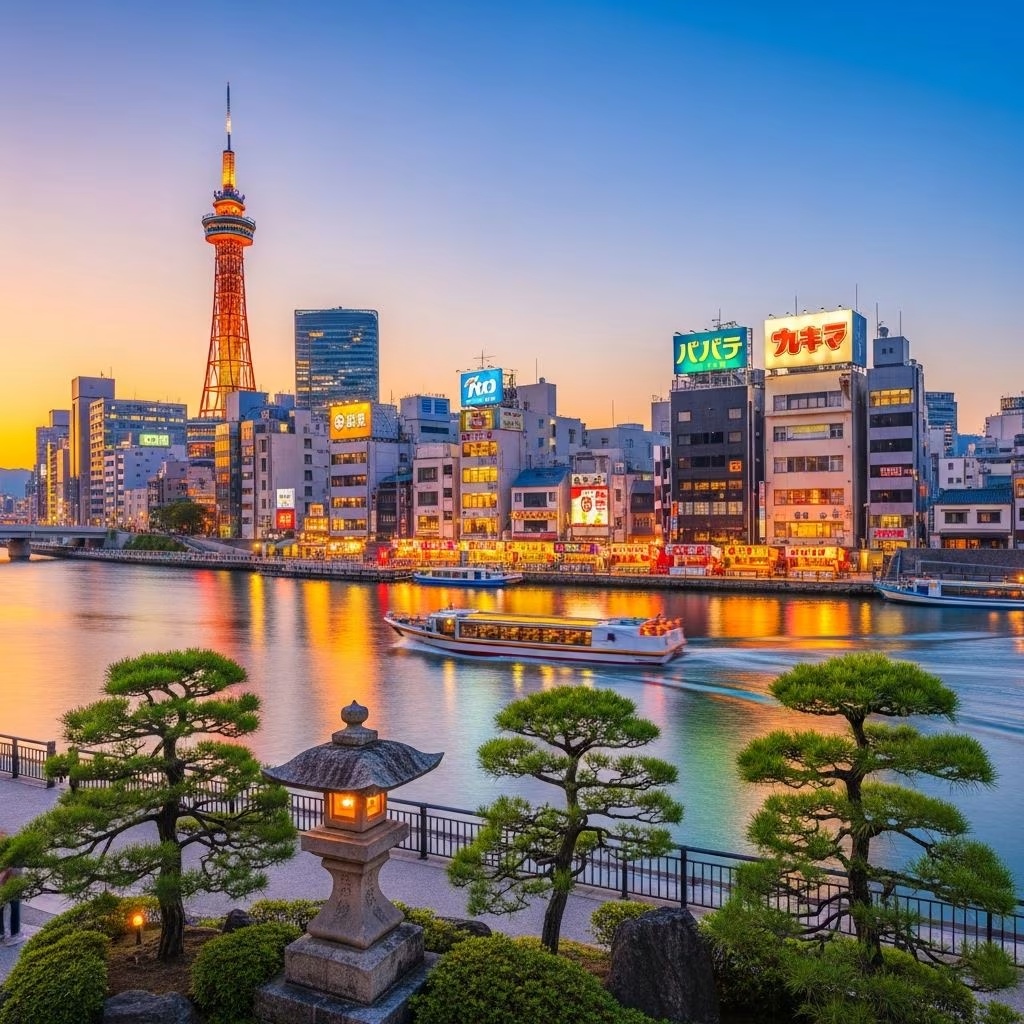
At 234 meters, Fukuoka Tower ranks as Japan’s tallest seaside tower, offering an observation deck at 123 meters with panoramic city and bay views. The tower’s distinctive design makes it recognizable across the cityscape, serving as both a landmark and practical vantage point for understanding Fukuoka’s geography and scale.
The Hakata Machiya Folk Museum recreates the lifestyle and commercial practices of Hakata’s merchant class during Japan’s Meiji and Taisho periods. Spanning three traditional houses within a designated cultural heritage site, the museum features displays of traditional handicrafts including Hakata dolls, textiles, tiger figurines, and other regional arts. Demonstrations of traditional hand-crafting techniques provide visitors with deeper understanding of these artistic traditions and the time-intensive processes involved in their creation.
The city museum preserves and displays artifacts reflecting Fukuoka’s rich history, from prehistoric periods through contemporary times.
Fukuoka Yafuoku Dome serves as the home stadium for the Fukuoka SoftBank Hawks baseball team, offering opportunities to experience Japanese professional baseball culture and atmosphere.
Fukuoka’s regional location facilitates access to numerous destinations worthy of day excursions. Nearby attractions include coastal beaches, thermal hot spring towns, and scenic natural formations that complement the urban experience.
Located approximately 30 minutes from Hakata Bus Terminal, Itoshima offers beach access and Sakurai Futamigaura Shrine, which has gained popularity among Asian tourists for its distinctive coastal setting. This destination combines seaside relaxation with spiritual sites.
Guided tours from Fukuoka provide access to Mt. Aso Crater, Kusasenri Grasslands, Takachiho Gorge, and geothermal features in areas like Beppu and Yufuin. These day trips allow visitors to experience the natural diversity of the Kyushu region.
Hakata Station functions as the primary transportation hub, connecting Fukuoka to other Japanese cities via bullet train and domestic flights through Fukuoka Airport. The station area itself hosts shopping and dining establishments worth exploring.
The Hakata Gion Yamakasa Festival in July represents the city’s most significant annual celebration, featuring float races and traditional performances. Planning visits around such events provides deeper cultural immersion, though advance accommodation booking is essential.
Effective itinerary planning depends on identifying personal interests and travel pace preferences. A multi-day visit allows thorough exploration of central attractions while incorporating regional day trips. Budget-conscious travelers benefit from exploring yatai dining and public parks, while those seeking premium experiences can access guided cultural tours, upscale dining, and museum exhibitions.
Fukuoka rewards visitors who venture beyond surface-level tourism, discovering the authentic daily life, culinary traditions, and spiritual practices that define this dynamic Kyushu city. Whether pursuing historical understanding, gastronomic adventure, natural beauty, or cultural immersion, Fukuoka delivers experiences that create lasting memories and provide meaningful insights into contemporary and historical Japan.
Spring and autumn offer mild weather and clear skies ideal for outdoor exploration. Summer features the Hakata Gion Yamakasa Festival but brings heat and humidity. Winter remains mild compared to northern Japan.
Three to four days allows exploration of major attractions within the city plus one regional day trip. However, even two days provides meaningful experiences for time-limited visitors.
Yes. Fukuoka offers digestible cultural experiences, excellent food, friendly locals, and manageable scale compared to Tokyo or Osaka, making it appropriate for various visitor profiles.
Hakata ramen features a rich tonkotsu (pork bone) broth, thin straight noodles, and typically includes chashu pork and pickled ginger. This style has influenced ramen preparation throughout Japan.
