

 Travel Essentials
 Travel Essentials

Explore Genoa's best attractions from historic palaces and maritime museums to scenic viewpoints and culinary experiences in Italy's most underrated port city.
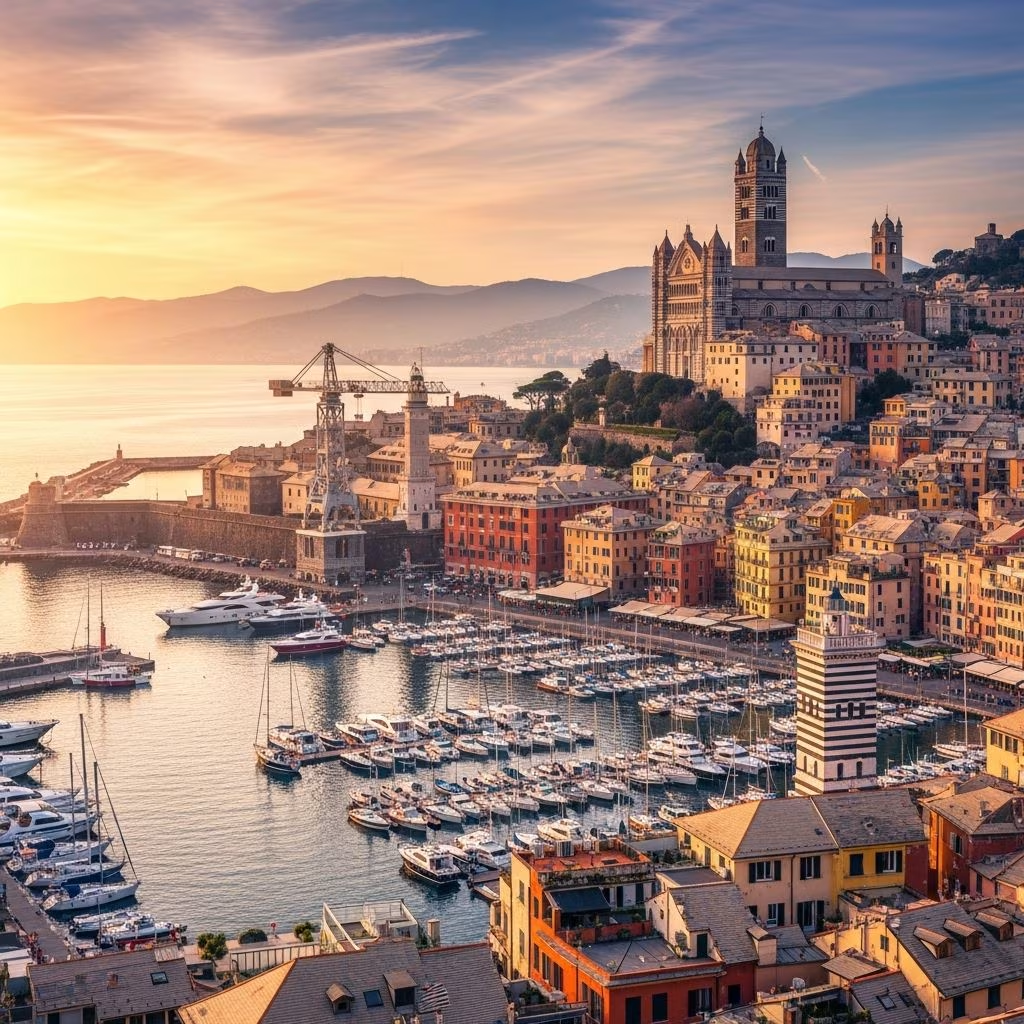 Travel Essentials
Nestled along the Ligurian coast, Genoa stands as one of Italy’s most captivating yet often overlooked destinations. This historic port city combines centuries of maritime heritage with impressive architectural treasures, cultural institutions, and authentic local experiences. Whether you’re planning a quick day trip or an extended stay, Genoa offers diverse attractions that cater to history enthusiasts, art lovers, families, and adventure seekers alike.
The Centro Storico, or historic center, forms the backbone of Genoa’s cultural identity. This densely packed quarter represents one of Europe’s most extensive medieval urban landscapes, characterized by towering buildings and a maze-like street pattern that reflects centuries of organic growth and development.
The Caruggi—narrow medieval alleyways that form the district’s backbone—create a fascinating network of interconnected passageways. These winding streets seemingly follow no particular pattern, yet they guide visitors through authentic Genoese life. Locals conduct daily business in these corridors, shopkeepers display their wares, and small piazzas suddenly emerge from the narrow passages like hidden treasures.
Walking through the Caruggi reveals numerous churches tucked into corners, each serving as spiritual and architectural landmarks. The district’s authenticity stems from its lived-in nature—this remains a functioning neighborhood rather than a museum-like tourist attraction. The absence of chain stores and the prevalence of family-run establishments contribute to its distinctive character.
The Molo district, one of the oldest sections within the Centro Storico, deserves particular attention. Here, medieval buildings showcase architectural styles spanning centuries, with structures dating back to the Middle Ages standing alongside later additions.
Genoa’s architectural heritage extends far beyond its medieval core. The city boasts over 150 palazzo (palaces) representing various periods and styles, many of which welcome public visitors. These structures ranged from private residences to civic buildings, each telling stories of the merchant families and political figures who shaped the city.
The Rolli Palaces system represents a particularly significant collection. During the Renaissance and Early Modern periods, Genoa’s most important families constructed magnificent residences, several of which form part of a UNESCO World Heritage designation. Three principal palaces constitute the main circuit:
The Palazzo Reale (Royal Palace) represents another must-see monument. This 17th-century mansion features ornate rooms open to public exploration and houses prestigious sculptures and artworks. The palace’s interior design showcases period furnishings and decorative elements that illustrate elite life during its era.
The Palazzo Ducale occupies a central position between the Cathedral and Piazza de Ferrari. Originally serving as the residence of Genoa’s elected leaders during the Republic period, this neoclassical structure now functions as a cultural institution hosting rotating exhibitions and events. The building’s impressive scale and refined architectural details enhance the viewing experience of its exhibitions.
Piazza de Ferrari represents Genoa’s primary public gathering space, functioning simultaneously as architectural showcase and urban crossroads. The piazza’s circular design channels movement between major streets radiating outward like spokes on a wheel.
At the square’s center stands an iconic circular fountain—an enormous sculptural ensemble that immediately captures attention. The surrounding buildings blend neoclassical architecture with modern commercial activity, creating an dynamic interplay between historical preservation and contemporary urban life.
Several significant structures frame this space:
| Structure | Function/Type | Architectural Style |
|---|---|---|
| Teatro Carlo Felice | Opera House | Neoclassical |
| Palazzo della Regione | Regional Government | Modern/Contemporary |
| Palazzo della Borsa | Stock Exchange | Historic Commercial |
The square serves as an excellent photography location and provides an ideal starting point for exploring the surrounding shopping districts. Via XX Settembre, one of Genoa’s primary commercial thoroughfares, extends from the piazza’s western edge.
The Cathedral of San Lorenzo stands as Genoa’s most prominent religious structure. This striking cathedral features distinctive architectural characteristics, including a black and white stone exterior that distinguishes it from typical Italian cathedral designs.
Beyond the cathedral, several other churches merit exploration. The Chiesa del Gesù e dei Santi Ambrogio e Andrea, located near the Palazzo Ducale, offers free entrance and represents another significant religious monument with artistic and historical importance.
Throughout the medieval center and beyond, smaller chapels and churches provide quiet contemplative spaces while showcasing regional religious art and architectural traditions.
Genoa’s connection to the sea fundamentally shaped its history and identity. Two major institutions preserve and present this maritime heritage:
The Acquario di Genova (Aquarium of Genoa) holds the distinction of being Italy’s largest aquarium facility. Housing 12,000 animals representing diverse aquatic species, the aquarium creates an immersive underwater experience. Visitors encounter fish, dolphins, birds, reptiles, and invertebrates within larger-than-life tanks designed to evoke ocean vastness. The facility particularly appeals to families with children, offering engaging educational content alongside visual spectacle.
The Galata Museo del Mare (Maritime Museum) occupies multiple floors within the Porto Antico district. This institution presents maritime history through immersive experiences, including full-size ship galleries and historic vessel replicas. Artifacts such as nautical charts, sailing instruments, and navigation tools illuminate historical seafaring practices. Christopher Columbus memorabilia, historical documents, life rafts, and other maritime artifacts chronicle centuries of Mediterranean seafaring traditions.
The Porto Antico (Old Port) represents one of Genoa’s most successful urban revitalization projects. This vibrant waterfront district combines historical preservation with contemporary recreational facilities and commercial establishments.
The palm tree-lined promenade creates an elegant atmosphere for leisurely walks while shops and restaurants line the waterfront. Seasonal activities vary throughout the year—winter visitors can enjoy ice skating near the Bigo (a distinctive architectural landmark), while summer guests access portside swimming pools.
The Bigo structure itself merits attention, serving as both functional lift system and architectural statement. Its panoramic elevator offers elevated city views, particularly valuable for photographers seeking comprehensive perspectives of the port and surrounding districts.
The Spianata Castelletto provides an essential sunset viewing location. This elevated position formerly hosted a defensive fortification that protected the city during historical military challenges. Today, the site offers spectacular panoramic vistas, particularly dramatic during golden hour when the setting sun bathes the city and coastline in warm light.
For visitors seeking 360-degree city perspectives, elevated vantage points provide comprehensive visual orientation to Genoa’s geography and urban layout. These viewpoints prove particularly valuable for first-time visitors attempting to develop spatial understanding of the city’s districts and landmarks.
Via Garibaldi represents a deliberately planned urban space rather than a naturally evolved medieval street. This culturally significant avenue showcases imposing buildings housing refined shops and galleries. The UNESCO World Heritage designation acknowledges the street’s architectural and urban planning significance.
Walking Via Garibaldi provides a contrasting experience to the labyrinthine Caruggi, offering organized, spacious movement through architecturally curated surroundings. The street functions as Genoa’s cultural spine, connecting various museums, galleries, and significant structures.
Genoa’s culinary scene reflects its Mediterranean location and historic trade connections. Pesto, the region’s most famous contribution to Italian cuisine, originated in Genoa and remains central to local food culture. Focaccia, another Ligurian specialty, appears in countless local bakeries and food stalls.
The city’s food experiences range from casual street food to refined dining establishments. Exploring local markets and family-run trattorias provides authentic cultural immersion alongside gastronomic satisfaction.
Spring and fall offer pleasant weather with fewer tourists than summer months. Winter brings lower prices and seasonal activities like ice skating at the Porto Antico.
A minimum two-day itinerary allows exploration of major attractions. Three to four days enables deeper engagement with museums and neighborhoods without rushing.
Yes. The aquarium appeals strongly to children, the Porto Antico offers recreational activities, and many museums provide family-friendly programming.
Genoa offers comparable cultural and historical riches to more famous cities while maintaining lower tourist density and more authentic local atmosphere.
Public buses and regional trains connect districts efficiently. The compact historic center encourages walking for most tourist attractions.
