

 Travel Essentials
 Travel Essentials

Comprehensive guide to Grenada featuring top attractions, activities, dining experiences, and practical travel tips for planning your Caribbean getaway.
 Travel Essentials
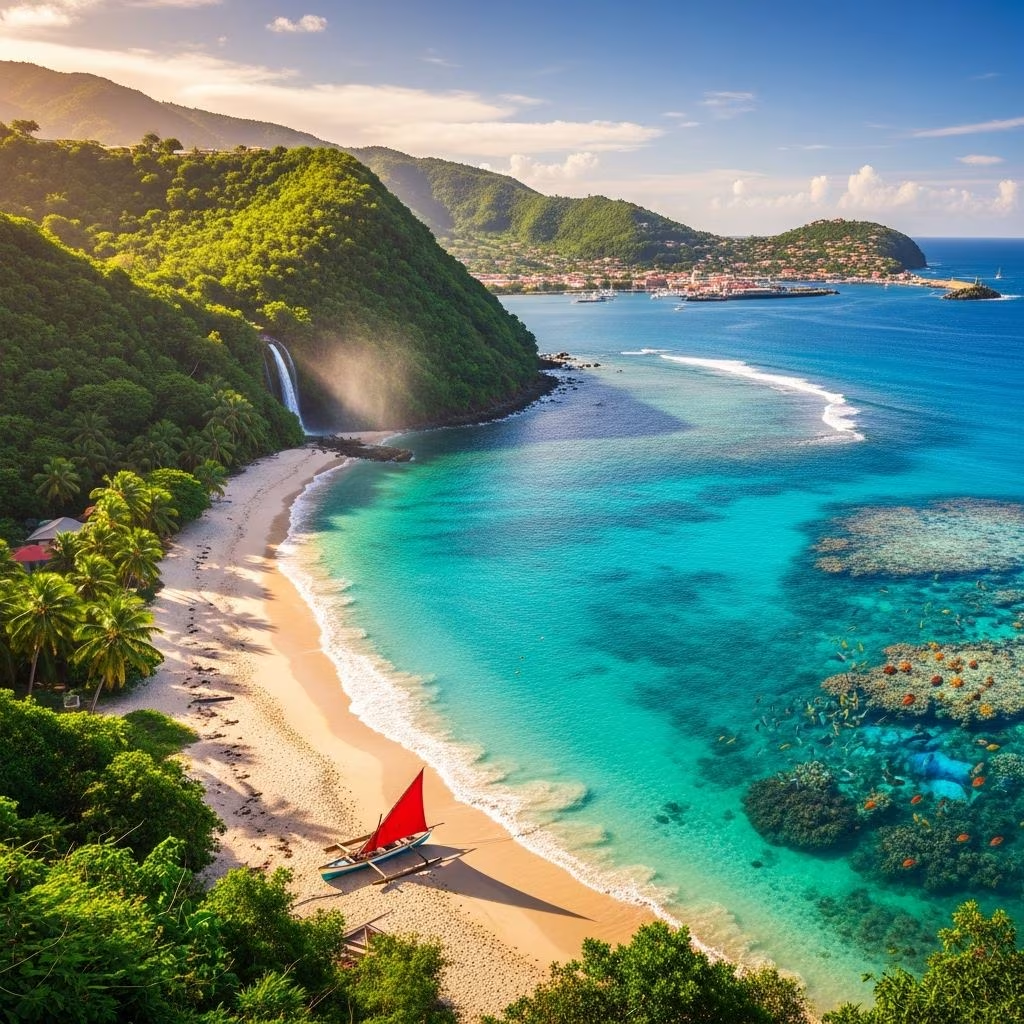
Nestled in the southern Caribbean, Grenada stands as one of the region’s most authentic and unspoiled destinations. Often referred to as the Spice Island due to its legendary nutmeg and cocoa production, this three-island nation offers visitors a compelling blend of natural wonders, cultural richness, and leisurely island living. Unlike more developed Caribbean destinations, Grenada maintains a laid-back atmosphere where tourists genuinely interact with local communities and experience genuine Caribbean hospitality.
Grenada comprises three distinct islands: the main island of Grenada, Carriacou, and the smaller Petite Martinique. The entire nation spans only 133 square miles, yet this compact territory contains remarkable diversity in landscapes and experiences. Carriacou, measuring 13 square miles, sits 90 minutes away by ferry or a quick 20-minute flight from the mainland. This accessibility makes island-hopping an feasible addition to any Grenada itinerary, allowing visitors to experience multiple island environments within a single trip.
The geographical layout influences how travelers structure their vacations. Most visitors arrive at Maurice Bishop International Airport on the main island, then fan out to explore beaches, rainforests, and mountain terrain. The infrastructure supports both adventurous explorers and those seeking relaxation, with transportation options ranging from organized tours to local taxi services.
Tourism experts recommend allocating at least seven days to properly experience Grenada’s offerings. A week-long stay allows visitors to explore the capital, St. George’s, spend multiple days on different beaches, hike through rainforests, and potentially visit sister islands. The peak sailing season runs from October through June, when steady breezes and calm waters create ideal conditions for both professional sailors and leisure boaters.
For visitors planning extended stays, January hosts the celebrated Pure Grenada Sailing Week, attracting maritime enthusiasts from across the globe. However, Grenada welcomes visitors year-round, with each season offering distinct advantages. The dry season provides the most reliable weather for water activities and hiking, while shoulder seasons often feature fewer crowds and more competitive accommodation pricing.
Positioned high in Grenada’s mountainous interior, Grand Etang National Park represents one of the Caribbean’s most significant ecological preserves. The park encompasses 36 acres of pristine crater lake surrounded by lush rainforest, creating a landscape where multiple distinct ecological systems coexist. The varied terrain supports an impressive array of wildlife including numerous bird species, frogs, lizards, opossums, armadillos, mongooses, and the iconic mona monkeys.
Visitors can engage with Grand Etang through an extensive trail network accommodating different fitness levels. Easy 15-minute nature walks suit casual explorers, while demanding multi-hour treks challenge experienced hikers. The misty mountain peaks, scenic waterfalls, and crater lakes visible along these paths create memorable photographic opportunities and profound connections with unspoiled nature.
Grenada’s abundant rainfall feeds numerous waterfalls that cascade through jungle vegetation. Annandale Waterfall stands as the most accessible option, featuring a natural plunge pool suitable for swimming. Seven Sisters and Mt Carmel Waterfalls offer more demanding adventures, rewarding dedicated hikers with secluded swimming holes and pristine forest environments.
Beyond Annandale, intrepid visitors can discover hidden cascades throughout the island. These waterfalls serve as natural gathering spots where locals and tourists alike cool off during tropical afternoons. The surrounding vegetation provides shade and protection, while the constant flow of fresh water creates naturally filtered pools.
At approximately 2,756 feet, Mt Saint Catherine claims the title of Grenada’s highest point, attracting hikers seeking panoramic island views. The challenging ascent rewards successful climbers with perspectives encompassing the entire nation. Similarly challenging, the Welcome Stone in northern Grenada requires hiking through dry forest and steep inclines to reach what many consider the island’s best lookout point, offering stunning vistas of Bathway Beach and Levera Beach.
Grand Anse Beach consistently ranks among the Caribbean’s finest, with consistently calm waters and pristine white sand. The sheltered beach attracts swimmers, snorkelers, and those simply seeking sun and relaxation. Despite its renowned status, the beach rarely feels overcrowded, maintaining the peaceful atmosphere characteristic of Grenada’s beaches.
BBC Beach offers extraordinary clear-water kayaking experiences, allowing paddlers to observe marine life and underwater geography from their vessels. The transparent waters create unique photographic opportunities and facilitate educational interactions with the marine environment. Advanced swimmers can snorkel directly from the beach, while less experienced water enthusiasts can participate in guided kayaking tours.
Carriacou, despite hosting over 9,000 residents, contains no resort facilities, preserving its authentic Caribbean character. This sister island features numerous excellent beaches perfect for visitors seeking genuine island experiences without commercial development. The ferry journey itself becomes part of the adventure, offering opportunities to observe local fishermen, interact with fellow travelers, and witness maritime traditions.
Recognized as one of the Caribbean’s most elegant capitals, St. George’s deserves dedicated exploration time. The city rewards pedestrian wanderers with bustling narrow streets, architecturally significant buildings, and authentic local commerce. Historic Fort George and Fort Frederick offer panoramic perspectives of the city while providing insights into Grenada’s colonial military heritage.
The Grenada National Museum houses historical artifacts and exhibits documenting the island’s first inhabitants, slavery’s role in shaping society, and the plantation economy that defined centuries of development. Parliament House and 18th-century churches round out the architectural tour, while the Westerhall Rum Distillery concludes many visitors’ cultural days with tastings of locally produced spirits.
The Gouyave nutmeg processing station in northwestern Grenada reveals all production stages from harvest through finished product. Visitors can observe workers cracking shells, separating nutmeg from mace, and preparing spices for export. The nearby Douglaston Estate complements the industrial tour with agricultural perspectives. These experiences connect visitors to economic systems supporting local communities while demystifying processes normally invisible to consumers.
Grenada’s cocoa plantations offer immersive chocolate production tours where visitors participate in harvesting processes, crack open pods, and taste fresh cocoa beans. Observing fermentation and drying procedures before tasting finished chocolate bars creates appreciation for the complexity underlying seemingly simple products. These tours support local agricultural economies while educating visitors about sustainable farming practices.
Grenadian cuisine reflects African, Caribbean, and European influences, creating distinctive flavor profiles impossible to replicate elsewhere. Traditional dishes like oil down—a savory stew combining seasoned meats, breadfruit, green bananas, callaloo, turmeric, and coconut milk—represent generations of culinary evolution.
Local experiences include Mt Moritz West Indian Breakfast for traditional morning meals, Boogie b D Buss Up Shot Joint in Grenville for locally made curry dishes, and the Soubise Seafood Festival held monthly on the last Saturday. These establishments prioritize authentic ingredients and traditional preparation methods rather than catering to tourist expectations. Fine dining options complement casual eateries, providing varied experiences across price points and formality levels.
Grenada’s sheltered beaches and pristine reefs create ideal snorkeling conditions throughout most of the year. The island’s relatively undeveloped status means coral ecosystems remain healthier than many Caribbean destinations. Reef and wreck diving attract experienced divers seeking underwater archaeological exploration alongside marine life encounters.
An underwater sculpture park adds artistic dimensions to diving and snorkeling experiences. Submerged statues create artificial reef habitats while providing striking visual elements for underwater photographers. This blend of art and marine conservation represents innovative tourism development respecting environmental limits.
Beyond standard beach and hiking activities, Grenada offers adrenaline-pumping options for adventurous travelers. Cliff jumping at designated jungle locations provides exhilarating escapes from tropical heat. Helicopter tours offer aerial perspectives of the islands and surrounding waters, showcasing geographic relationships invisible from ground level.
Day trips to Carriacou and Petite Martinique combine transportation adventure with destination exploration. The ferry journey itself becomes memorable, with opportunities observing maritime traditions and interacting with local passengers commuting between islands.
Spicemas represents Grenada’s most significant cultural celebration, drawing visitors worldwide to participate in parades, music competitions, and food festivals. The event transforms cities and villages into vibrant cultural spaces where traditional music, dance, and culinary traditions take center stage. Planning trips around Spicemas provides insights into authentic Grenadian culture rather than tourist-oriented entertainment.
Dodgy Dock offers music, culture, and nightlife reflecting local preferences rather than international standards. This venue provides opportunities to experience Grenadian entertainment among local participants, observing how communities celebrate and socialize outside tourist seasons.
While vehicle rental and taxis exist, mastering the local bus system offers both cost savings and cultural immersion. Public transportation costs approximately EC$2.50 (US$0.90) per ride, significantly less than taxi fares, though schedules prove unreliable, particularly weekends. Organized tours through established companies like Real Grenadian Taxi and Tours provide curated experiences balancing convenience with authentic interaction.
Grenada accommodates various travel styles from luxury resorts near Grand Anse Beach to guesthouses in local neighborhoods. Carriacou notably lacks resorts despite excellent beaches, appealing to travelers prioritizing authenticity over convenience. This accommodation diversity allows visitors matching lodging to personal preferences and budgets.
Current travel advisories should be reviewed before departure, with particular attention to crime risk indicators in specific areas. Standard travel precautions apply: avoiding isolated areas after dark, securing valuables, and maintaining awareness of surroundings. Most tourists experience Grenada safely by exercising reasonable judgment and respecting local customs.
October through June offers optimal sailing conditions and drier weather. January features Spicemas celebrations and Pure Grenada Sailing Week. However, Grenada welcomes visitors year-round with varying advantages by season.
A minimum week allows proper exploration of main attractions, beaches, and cultural sites. Extended stays enable leisurely island-hopping and deeper community connections.
Yes. The sister island offers authentic Caribbean experiences with pristine beaches and no resort development. Ferry access makes day trips or overnight stays feasible from the mainland.
Oil down represents the traditional national dish, while fresh seafood features prominently in local cuisine. Street food, market produce, and farm-to-table restaurants offer authentic culinary experiences.
Grenada’s appeal stems from authenticity rather than commercialization, offering visitors genuine Caribbean experiences among welcoming communities. Whether pursuing adventure through hiking and water sports, cultural immersion through historical sites and local interactions, or simple relaxation on pristine beaches, Grenada accommodates diverse travel styles. The phrase “Grenada time” reflects the island’s emphasis on present moments over rushed itineraries—a philosophy that transforms vacations into transformative experiences. By allocating adequate time, engaging respectfully with local communities, and embracing spontaneity, visitors discover why the Spice Island captivates those seeking authentic Caribbean destinations.
