

 Travel Essentials
 Travel Essentials

Explore Gyeongju's top attractions from royal tombs and ancient observatories to folk villages and thrilling parks in this comprehensive guide.
 Travel Essentials
Gyeongju, often called the ‘museum without walls,’ stands as a living testament to Korea’s Silla Kingdom era. This southeastern city in South Korea boasts over 4,000 historical relics scattered across its landscape, earning multiple UNESCO World Heritage designations. Visitors can immerse themselves in ancient tombs, ornate temples, and traditional villages while enjoying modern amusements and scenic hikes. Whether you’re a history enthusiast, nature lover, or family traveler, Gyeongju offers diverse activities for all.
The heart of Gyeongju’s historical allure lies in its royal burial grounds and reconstructed palaces, revealing the opulence of ancient kings.
Spanning a lush park-like setting, the Daereungwon Tomb Complex houses 23 monumental tombs from the Silla Dynasty. These massive mound tombs, some reaching 20 meters high, served as eternal resting places for royalty. Wander tranquil paths lined with cherry blossoms in spring, and enter the reconstructed Cheonmachong tomb to see gold crowns, horse trappings, and intricate artifacts unearthed here. It’s a serene spot to ponder the lives of kings like Michu, whose ‘Bamboo Warrior’ tomb adds mythical flair.
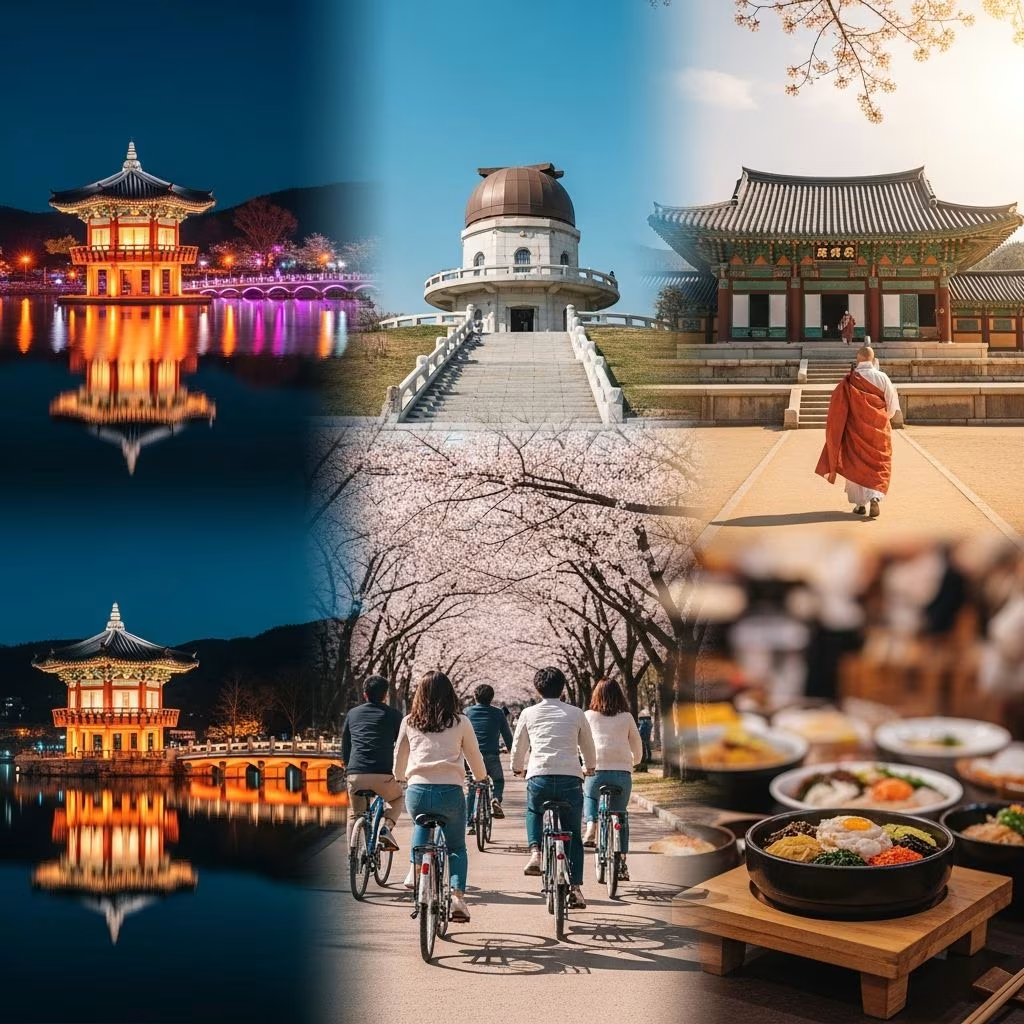
At dusk, Donggung Palace and its adjacent Wolji Pond transform into a magical spectacle. This East Palace, once a pleasure garden for Silla princes, features stone-lined ponds reflecting illuminated pavilions. Stroll the arched bridges and lotus-filled waters, especially during evening light shows when lanterns cast ethereal glows. Built in the 7th century, it evokes the extravagance of royal leisure.
Gyeongju’s spiritual heritage shines through its Buddhist masterpieces, blending architecture, sculpture, and natural beauty.
Perched on Tohamsan Mountain, Bulguksa Temple is a pinnacle of Silla artistry and a UNESCO site. Ascend stone stairways like Dabotap and Seokgatap pagodas, symbols of earthly and heavenly realms. Intricate wooden halls house serene Buddha statues, surrounded by ancient gingko trees. Visit in autumn for fiery foliage or spring for cherry blossoms framing the UNESCO-listed splendor.
A short drive from Bulguksa, Seokguram Grotto captivates with its granite-carved Buddha overlooking the Eastern Sea. This 8th-century hermitage features a 3.4-meter enlightened figure flanked by bodhisattvas in a domed chamber. Natural light filters through, illuminating celestial murals. Pair it with Bulguksa for a full UNESCO duo, but book ahead as access is regulated.
Gyeongju pioneered scientific innovation during the Silla era, evident in surviving structures that blend utility and aesthetics.
The world’s oldest surviving astronomical observatory, Cheomseongdae is a 9-meter stone tower with 365 steps representing days in a year. Built in 634 AD, it allowed scholars to chart stars and seasons. Nearby, the adjacent pond and pavilion offer photo ops amid green lawns. It’s compact yet profound, showcasing Silla’s advanced knowledge.
Experience living Korean heritage in preserved villages and bustling markets that pulse with daily life.
Nestled in hills 20km east, this UNESCO-listed village features 150+ hanok homes from the Joseon Dynasty. Wander thatched-roof houses, learn about clan lineages, and witness ongoing traditions like hanji papermaking. Guided tours reveal Confucian values etched into the landscape.
Closer to the city center, Gyochon offers an intimate hanok cluster once home to yangban elites. Straw-mat floors, ondol heating, and ornate gates transport you to Joseon times. Cafes in restored homes serve herbal teas, blending history with modern comfort.
For vibrant street eats, dive into Jungang Market’s stalls hawking hotteok pancakes, sundubu jjigae stew, and fresh mandu dumplings. Nearby Hwangnidan-gil alley buzzes with trendy cafes, craft beer bars, and murals—perfect for evening people-watching.
Beyond ruins, Gyeongju’s mountains and lakes provide rejuvenating hikes and vistas.
Dominated by Namsan, this national park hides 100+ temples, pagodas, and Buddha carvings amid pine forests. Hike to Yongjangsa Temple or Samneung Tombs for panoramic views. Trails vary from easy walks to strenuous climbs, rewarding with headless statues hinting at turbulent histories.
Crossing the Namcheon River, this 17th-century rainbow-arched bridge glows during night illuminations. Originally for royal processions, it’s now a pedestrian haven with nearby food vendors. Spring cherry tunnels make it Instagram gold.
Balance history with fun at Gyeongju’s entertainment hubs.
South Korea’s largest southern theme park spans thrill rides like Phyton rollercoaster and Mega Drop. Wizard Garden delights kids, while winter sledding and summer water parks add seasons. Combo tickets include Bomun Lake access for pedal boats.
| Category | Price (KRW) |
|---|---|
| Adults | 48,000 |
| Teens | 42,000 |
| Children | 36,000 |
Most sights cluster centrally, ideal for 1-2 days. Rent a bike or join tours from Busan/Seoul. Spring (cherry blossoms) and autumn (foliage) peak; summers suit water activities. Stay in hanok hotels for immersion. Use Gyeongju PASS for discounts on 40+ sites.
1-2 days covers essentials; add more for hikes or parks.
Yes, with tombs, museums, and Gyeongju World.
Wolji Pond illuminations and Hwangnidan-gil.
Bulguksa/Seokguram: 5,000 KRW combo.
Market bibimbap sans meat; temple cuisine nearby.
