

 Travel Essentials
 Travel Essentials

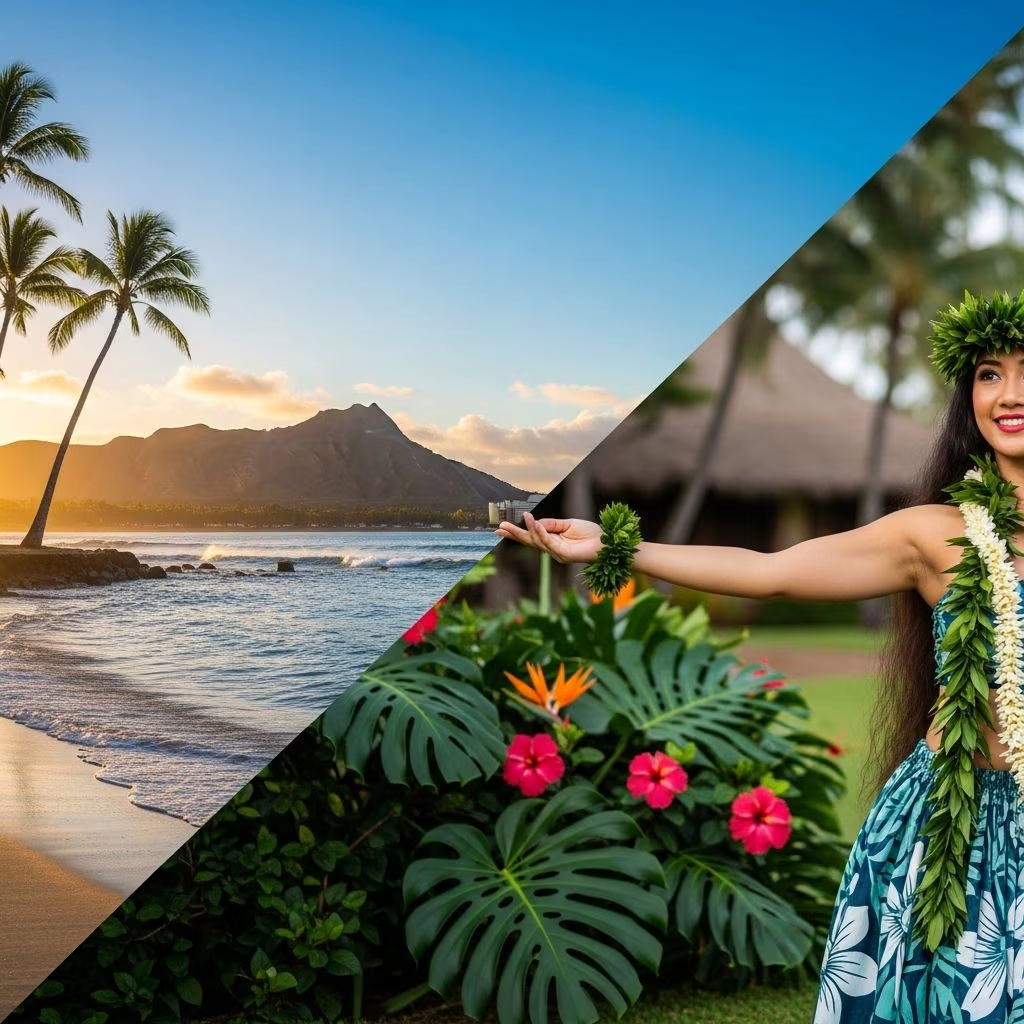
Discover Honolulu’s rich Hawaiian culture, volcanic hikes, world-class museums, and marine adventures for an unforgettable island experience.
 Travel Essentials
Honolulu, the capital of Hawaii and gateway to the island of Oahu, represents far more than just sun-soaked beaches and tourist resorts. This vibrant city seamlessly blends centuries of Hawaiian traditions with modern urban amenities, offering visitors an authentic window into Pacific culture while providing access to some of the world’s most spectacular natural landscapes. Whether you’re seeking spiritual connection through traditional practices, outdoor adventure on volcanic terrain, or immersion in indigenous history, Honolulu delivers transformative experiences that extend far beyond typical vacation activities.
At the heart of Honolulu’s cultural offerings lies the opportunity to engage directly with living Hawaiian traditions. The Royal Hawaiian Center, situated prominently on Kalakaua Avenue, serves as a cultural hub where visitors can participate in complimentary workshops introducing them to authentic Hawaiian practices. These interactive sessions encompass hula dancing, ukulele instruction, lei crafting, and traditional quilt-making techniques passed down through generations.
The significance of these cultural workshops extends beyond entertainment. Hula, often misunderstood as merely a dance form, represents a sophisticated system of storytelling through movement, preserving historical narratives, genealogies, and spiritual knowledge. Learning hula from practitioners connected to Hawaiian communities allows visitors to understand how this art form maintains cultural continuity and honors ancestral wisdom. Similarly, lei-making—the creation of garland wreaths from flowers, leaves, and other natural materials—embodies the Hawaiian value of creating beauty while establishing ceremonial connections and expressing gratitude.
The Helumoa Hale, a reconstructed grove space within the Royal Hawaiian Center, provides an authentic setting for these experiences. Performers share traditional storytelling narratives while musicians demonstrate ukulele mastery, creating an educational environment that respects the cultural context of these practices rather than presenting them as mere tourist attractions.
Diamond Head, known locally as Lēʻahi, stands as perhaps Honolulu’s most recognizable geographical feature. This volcanic tuff cone, formed approximately 300,000 years ago, dominates the Waikiki skyline and represents one of Hawaii’s most accessible yet rewarding hiking experiences.
The Diamond Head State Monument offers a moderately challenging trail spanning approximately 1.6 miles round-trip. What makes this hike exceptional is not merely the physical achievement but the panoramic vistas awaiting those who complete the climb. From the summit, hikers enjoy 360-degree perspectives encompassing Waikiki Beach, the vast Pacific Ocean, the Ko’olau mountain range, and the sprawling urban landscape of Honolulu. On clear days, visibility extends for miles, providing context for understanding Oahu’s geographical and historical significance.
The trail incorporates various natural and structural features including stairs, switchbacks, tunnels, and informative displays educating hikers about the crater’s geological formation and former military significance. During the early 1900s, Diamond Head served as a military observation point, and the original trail was constructed in 1908 to facilitate access to the crater rim. Today’s visitors benefit from well-maintained pathways and amenities including restrooms and picnic areas within the crater.
Strategic timing enhances the experience significantly. Early morning departures allow hikers to avoid afternoon heat and crowds while positioning them for extraordinary sunrise viewing from the summit—a moment that captures the landscape in golden light and provides natural inspiration for photography enthusiasts.
The Bishop Museum stands as Hawaii’s largest and most comprehensive repository of Pacific cultural knowledge and natural history. This institution, housed in distinctive Victorian architecture, originated from the personal collection of Princess Bernice Pauahi Bishop, the last direct descendant of King Kamehameha I. Her family heirlooms and royal possessions, including extraordinary feathered capes reserved for Hawaiian royalty, form the foundation of the museum’s extraordinary holdings.
Today the Bishop Museum safeguards over 24 million artifacts, documents, and photographic materials documenting Hawaiian civilization and broader Polynesian cultures. These collections range from everyday functional objects—combs crafted from coconut-leaf ribs—to items of profound cultural and historical significance, including the leiomano, a formidable shark-tooth-studded weapon historically concealed until battle commenced.
The museum’s natural history exhibitions showcase remarkable specimens including a 55-foot sperm whale skeleton and diverse Pacific fauna. Particularly compelling is the planetarium exhibition explaining how ancient Polynesian navigators guided their voyaging canoes across vast ocean distances using celestial observation and stellar navigation—a navigational system predating modern instrumentation by centuries and representing one of humanity’s greatest achievements in maritime exploration.
Hanauma Bay Nature Preserve represents one of the world’s premier snorkeling destinations, recognized internationally for its combination of accessibility, crystal-clear waters, and extraordinary marine biodiversity. This marine sanctuary protects a vibrant ecosystem where snorkelers encounter colorful tropical fish species, green sea turtles, and thriving coral reef systems in depths accessible to swimmers of varying abilities.
The bay’s unique geography—a sheltered cove formed within an ancient volcanic crater—naturally creates calm water conditions and abundant marine life concentration. The crescent-shaped beach provides easy entry points for water-based activities, while the surrounding landscape offers photographic opportunities and terrestrial wildlife viewing. Protection measures implemented to preserve the marine environment restrict visitor numbers and mandate specific behavioral guidelines ensuring that human presence doesn’t degrade the delicate ecosystem.
Visitors should arrive early to secure parking and enjoy calmer waters before afternoon wind and increased crowding. Bringing personal snorkeling equipment or renting equipment on-site allows extended underwater exploration. Photography enthusiasts will find the combination of clear water, diverse fish species, and dramatic crater formations ideal for capturing memorable images.
The Polynesian Cultural Center functions as an interactive living museum spanning 42 acres and featuring six authentic village recreations representing distinct Native Pacific cultures. Rather than static exhibits, the center presents dynamic demonstrations of indigenous crafts, arts, and traditional practices performed by cultural practitioners.
Visitors circulate through various cultural zones experiencing hula performances, canoe navigation down waterways accompanied by traditional musicians, and spectacular demonstrations of physical prowess including warriors ascending 40-foot coconut trees using traditional climbing techniques. The center incorporates authentic luau dining experiences featuring Pacific cuisine prepared using traditional methods, creating multisensory cultural engagement beyond visual observation.
This comprehensive approach to cultural presentation allows visitors from diverse backgrounds to develop deeper appreciation for Pacific Islander societies while supporting cultural practitioners and ensuring traditional knowledge transmission to younger generations.
The KCC Farmers Market represents Honolulu’s premier venue for experiencing authentic island cuisine and sourcing fresh produce reflecting Hawaii’s agricultural bounty. This established market connects visitors directly with local farmers, food producers, and culinary entrepreneurs, offering opportunities to sample prepared foods incorporating traditional Hawaiian ingredients and contemporary island cooking techniques.
Market vendors sell everything from fresh tropical fruits unavailable on the mainland to prepared plate lunches featuring kalua pork, laulau, and other Hawaiian specialties. The market atmosphere—bustling with local residents shopping for weekly provisions—provides genuine cultural immersion distinct from commercialized tourist experiences. Engaging with vendor conversations often yields recommendations for neighborhood restaurants, local food traditions, and hidden culinary gems throughout Honolulu.
The Dole Plantation, operating continuously since 1950 as America’s oldest pineapple plantation, offers educational experiences spanning agricultural history, botanical cultivation, and Hawaiian agricultural heritage. The plantation grounds feature guided garden tours explaining pineapple cultivation techniques, the Pineapple Garden Maze providing family entertainment, and the Pineapple Express Train transporting visitors through active growing areas.
Food tasting stations throughout the property showcase products derived from plantation crops, culminating in the famous Dole Soft Serve—a soft-serve ice cream prepared with plantation pineapple that has achieved cultural institution status among Hawaii visitors.
Halona Beach Cove presents dramatic coastal scenery for photography and snorkeling opportunities outside central Honolulu. The location features distinctive crater-like beach formations framed by imposing rocky cliffs, creating visually striking landscapes that reward photographers during sunset hours when golden light illuminates the dramatic terrain.
The cove’s turquoise waters support thriving marine life populations accessible to snorkelers seeking alternatives to more crowded beach areas. The combination of geological drama, marine biodiversity, and relative seclusion makes Halona Cove a rewarding destination for travelers willing to venture beyond central tourist zones.
| Activity | Duration | Difficulty Level | Best Time to Visit |
|---|---|---|---|
| Diamond Head Hike | 1-2 hours | Moderate | Early morning |
| Hanauma Bay Snorkeling | 2-4 hours | Easy to Moderate | Morning |
| Bishop Museum | 3-4 hours | Easy | Any time |
| Cultural Center Visit | 4-6 hours | Easy | Any time |
| KCC Farmers Market | 1-2 hours | Easy | Saturday morning |
What is the best time of year to visit Honolulu?
Honolulu experiences consistent pleasant weather year-round, though winter months (December-March) attract peak tourist crowds and higher accommodation prices. Summer months offer excellent weather with slightly warmer temperatures. Consider visiting during shoulder seasons (April-May, September-November) for smaller crowds and moderate pricing.
Are cultural workshops and demonstrations respectful to Hawaiian communities?
Reputable institutions like the Royal Hawaiian Center employ cultural practitioners connected to Hawaiian communities and maintain high standards for authentic representation. These organizations prioritize cultural respect and educational accuracy rather than stereotypical entertainment.
Can children participate in these activities?
Most Honolulu attractions accommodate families with children. Cultural workshops typically welcome participants of all ages, snorkeling at Hanauma Bay suits children with adult supervision, and the Bishop Museum’s planetarium particularly engages younger visitors. Age-specific guidelines vary by activity.
What physical fitness levels are required for outdoor activities?
Diamond Head accommodates moderately fit individuals, though the altitude and steps present challenges for those with mobility limitations or cardiovascular concerns. Snorkeling requires basic swimming ability. Other cultural and museum experiences require minimal physical exertion.
How do I respect Hawaiian cultural practices during my visit?
Approach cultural experiences with genuine interest rather than performative attitudes. Listen respectfully to cultural practitioners, follow facility guidelines, and acknowledge the living significance of these traditions rather than treating them as historical artifacts.
Honolulu’s greatest treasures lie not in resort amenities or commercial attractions but in authentic engagement with living Hawaiian culture and spectacular natural environments. By participating in traditional arts workshops, ascending volcanic landmarks, exploring world-class museums, and immersing yourself in local communities, you create meaningful connections extending far beyond typical vacation experiences.
The experiences available throughout Honolulu invite visitors to become temporary participants in Hawaiian life rather than passive observers. Whether learning hula movements that encode ancestral stories, snorkeling among tropical fish in pristine marine sanctuaries, or standing atop volcanic craters contemplating the geological forces that created these islands, Honolulu offers transformation through authentic cultural and natural engagement.
These experiences collectively embody the Hawaiian value of aloha—a concept encompassing hospitality, compassion, and spiritual connection. By approaching Honolulu with respectful curiosity and genuine engagement, visitors honor both the natural environment and the vibrant Hawaiian culture that defines this remarkable destination.
