

 Travel Essentials
 Travel Essentials

Explore top attractions in Iceland including the Golden Circle, black sand beaches, northern wonders, and thrilling activities like glacier hikes and whale watching.
 Travel Essentials
Iceland captivates travelers with its dramatic volcanoes, steaming geothermal sites, and vast glaciers. This remote North Atlantic island offers a playground for nature lovers, adventure seekers, and those chasing ethereal phenomena like the northern lights. Whether you’re road-tripping the Ring Road or basing yourself in Reykjavik, the country’s compact size makes it easy to pack in diverse experiences. From soaking in hot springs to cruising past icebergs, here’s how to make the most of your Icelandic journey.
Reykjavik, Iceland’s vibrant capital, serves as the perfect launchpad. Wander its colorful streets lined with street art, cafes, and geothermal-heated sidewalks. Key highlights include the futuristic Hallgrimskirkja church, offering panoramic city views from its tower, and the Harpa Concert Hall with its shimmering glass facade inspired by Iceland’s basalt landscapes.
For a taste of local culture, visit the harbor area. The Whale Museum provides insights into marine life, while the Sun Voyager sculpture stands as a poetic symbol of exploration. Evenings call for hunting the northern lights from September to April—head to dark-sky spots like Grotta Lighthouse for prime viewing. During summer, the midnight sun keeps things bright around the clock.
No Iceland trip is complete without the Golden Circle, a 300-kilometer loop from Reykjavik showcasing tectonic rifts, geysers, and waterfalls. Begin at Thingvellir National Park, a UNESCO site where the North American and Eurasian plates pull apart. Walk the rift valley, snorkel in the crystal-clear Silfra fissure, or learn about the ancient Viking parliament held here.
Next, witness geothermal power at Geysir Valley. While the original Geysir is dormant, Strokkur erupts every 5-10 minutes, shooting water 30 meters high. Nearby, Gullfoss waterfall thunders into a canyon, often framed by rainbows on sunny days.
Enhance your route with detours:
| Secret Spot | Description | Activity |
|---|---|---|
| Kerid Crater | Vibrant red volcanic crater with a turquoise lake | Rim hike (30 mins) |
| Bruarfoss | Braided blue waterfall in a lush gorge | Moderate 6km hike |
| Secret Lagoon | Natural hot spring bath | Relaxing soak |
Adventure upgrades include snowmobiling on Langjokull Glacier or dining at geothermal greenhouses like Fridheimar, famous for tomato soups grown year-round.
Venture along the South Coast for a procession of waterfalls, beaches, and glaciers. Seljalandsfoss lets you walk behind its 60-meter veil, while Skogafoss nearby powers down a sheer cliff—climb its stairs for epic views. Further east, hidden Gljufrabui peeks from a cave mouth.
Reynisfjara Black Sand Beach stuns with basalt sea stacks, puffin colonies (summer), and roaring Atlantic waves—heed warnings about sneaker waves. Solheimajokull Glacier offers accessible hikes with crampons, where you’ll tread blue ice amid crevasses.
Other gems include Fjadrargljufur Canyon’s emerald moss walls and Dyrholaey Peninsula’s arches, ideal for birdwatching. Drive times from Reykjavik: 2 hours to Seljalandsfoss, 3.5 to Reynisfjara.
The North reveals raw, less-crowded beauty. Husavik, whale-watching capital, boasts 11 species like humpbacks and orcas—90% success rate on tours. Godafoss, the ‘Waterfall of the Gods,’ curves dramatically, tied to pagan idol-tossing lore.
Lake Myvatn’s pseudo-craters, lava castles at Dimmuborgir, and geothermal Hverir fields steam with sulfur. Asbyrgi Canyon’s horseshoe shape evokes Norse myths, with easy trails. Dettifoss, Europe’s mightiest waterfall, roars in Vatnajokull National Park.
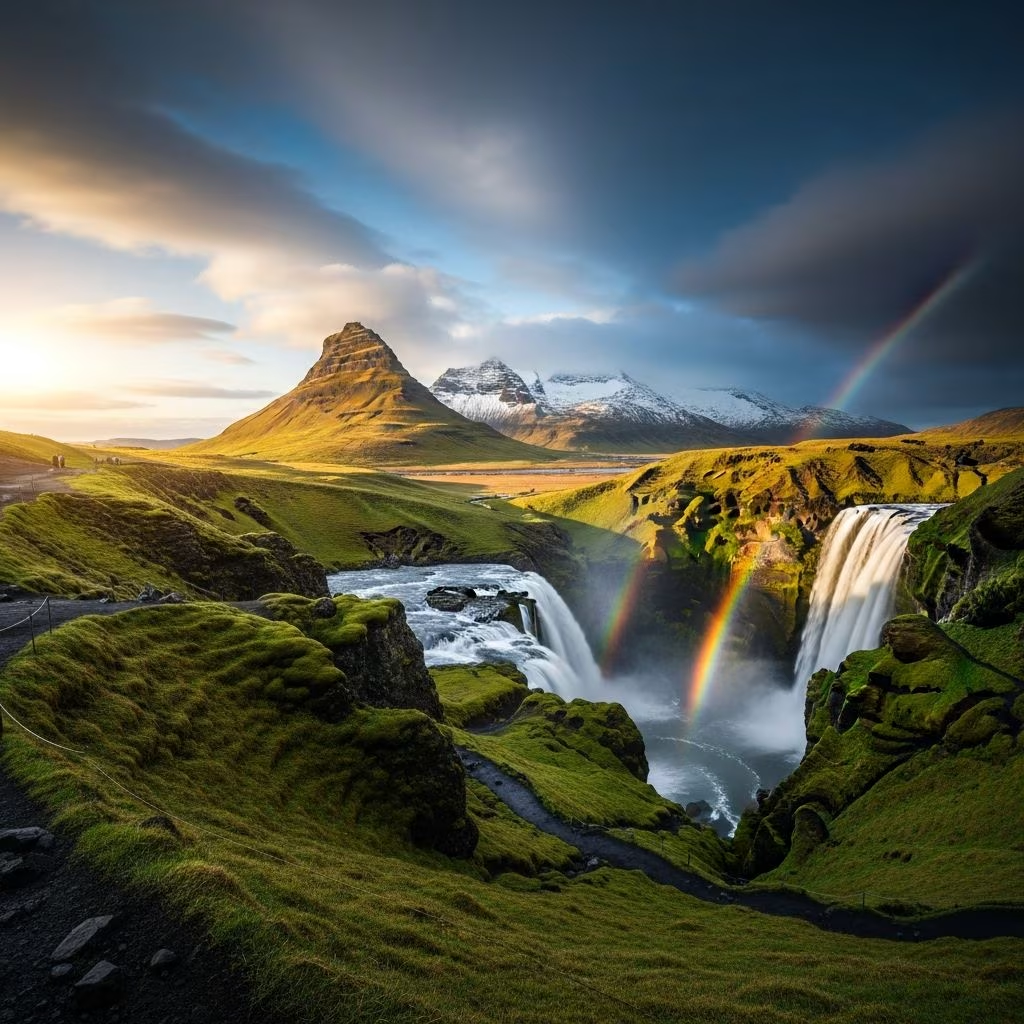
Dubbed ‘Iceland in Miniature,’ this peninsula west of Reykjavik condenses the island’s essence: Kirkjufell Mountain’s arrowhead silhouette, Snaefellsjokull Glacier (portal in Jules Verne’s novel), and Arnarstapi’s dramatic cliffs. Kayak waters near Kirkjufell, explore Vatnshellir Cave’s lava tubes, or lift stones at Djupalonssandur Beach, testing old fisherman strength.
Budir’s isolated black church contrasts lava fields and ocean. Day trip from Reykjavik (2.5 hours) or overnight for tranquility.
Jokulsarlon Glacier Lagoon mesmerizes with calving icebergs from Vatnajokull, Europe’s largest glacier. Zodiac or amphibian boat tours navigate among giants; nearby Diamond Beach sparkles with stranded ice ‘diamonds.’ Seal-spotting is common.
For immersion, hike Solheimajokull or book ice cave tours in winter (Katla or Vatnajokull). These outlets of massive ice caps highlight climate’s impact—tours emphasize sustainability.
Iceland’s 200+ hot springs stem from volcanic activity. The Blue Lagoon’s milky silica waters near Keflavik Airport draw crowds—book premium for lava flows and private changing. Alternatives: Sky Lagoon’s infinity edge overlooking ocean, Myvatn Nature Baths’ natural setting, or Fontana’s steam caves by Laugarvatn Lake.
Public pools like Sundhollin in Reykjavik offer locals’ favorites: hot pots, cold plunges, saunas.
Adrenaline awaits: Horseback ride sure-footed Icelandic ponies across lava fields. Superjeep tours conquer highlands. Dive Silfra’s 100m visibility between continents. Whale watching from Husavik or Olafsvik yields dolphins too.
Northern Lights hunts peak winter; apps like Vedur.is forecast activity. Summer hiking explodes with endless daylight.
Rent a 4×4 for gravel roads (F-roads need permits). Ring Road circles in 7-10 days; fly domestic for time-saving. Pack layers—weather shifts fast. Campgrounds and huts abound; glamping pods offer comfort.
Best time: Summer (June-August) for midnight sun, winter for lights and ice caves. Costs: High, but free nature balances it.
Summer for hiking and puffins; winter for northern lights and fewer crowds.
Yes for flexibility; tours suit groups or non-drivers.
Yes for luxury relaxation; try alternatives to skip lines.
7 minimum; 10-14 for depth.
No—depends on solar activity and clear skies.
With winter tires and caution, yes; check road.is.
