

 Travel Essentials
 Travel Essentials

Discover essential Japanese experiences including spiritual temples, natural wonders, culinary traditions, and unique cultural activities that define a memorable visit.
 Travel Essentials
Japan seamlessly blends ancient tradition with cutting-edge modernity, creating a travel destination that captivates visitors through its diverse landscapes, spiritual heritage, and innovative attractions. Whether you’re planning your first visit or returning for another adventure, understanding the breadth of experiences available helps craft an unforgettable itinerary that reflects your personal interests.
Japan’s religious and cultural landscape is dominated by temples, shrines, and spiritual sites that have served as pilgrimage destinations for centuries. These architectural and spiritual treasures offer visitors profound insight into Japanese values and artistic traditions.
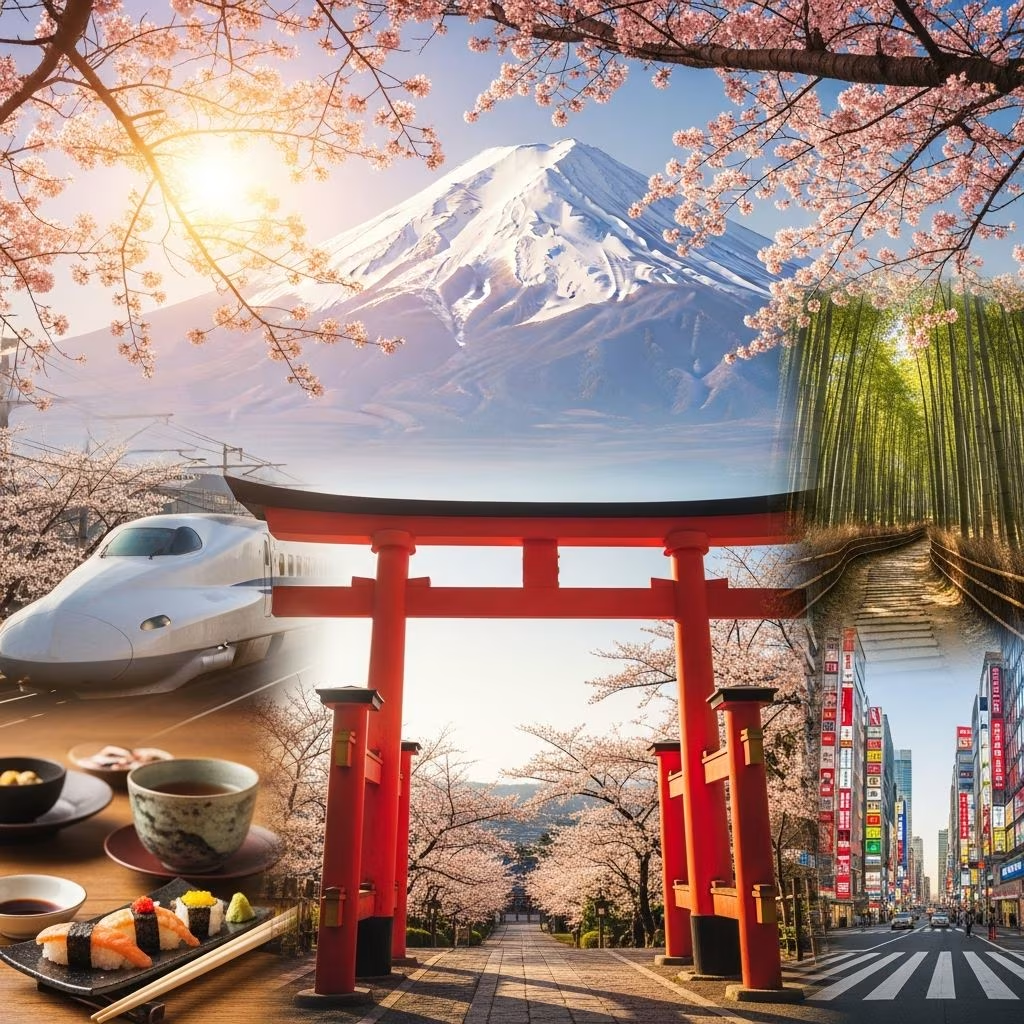
Fushimi Inari Shrine stands as one of Japan’s most visited destinations, consistently ranking among tourists’ top recommendations. Located near Kyoto, this shrine dedicated to Inari, the Shinto god of rice, features an extraordinary network of over 4 kilometers of vermillion torii gates creating tunnel-like passages that wind up the mountainside. Accessibility is convenient, with direct JR train connections from Kyoto station requiring only approximately ten minutes of travel time.
Kinkakuji Temple in Kyoto represents another iconic spiritual destination, known for its distinctive golden pavilion architecture that reflects beautifully in surrounding water features. The temple exemplifies traditional Japanese aesthetic principles and remains a focal point for architectural enthusiasts and cultural photographers.
Ryoan-ji Temple houses one of Japan’s most celebrated zen gardens, featuring a unique composition of precisely arranged rocks rather than traditional plants or trees. Visitors encounter a meditative space designed to encourage contemplation, with the garden’s composition intentionally limiting the visible rocks from any single vantage point. According to temple tradition, enlightenment allows one to perceive all fifteen rocks simultaneously, though most observers see only fourteen.
Japan’s varied topography offers spectacular natural environments ranging from snow-capped peaks to volcanic landscapes and pristine waterways.
Mount Fuji commands attention as Japan’s highest peak at 3,776 meters, revered since ancient times for its nearly perfect conical form. The mountain has inspired pilgrims, poets, and artists throughout history, with climbing the summit representing a significant spiritual and physical achievement. For those seeking views without summiting, Kawaguchiko in Yamanashi prefecture offers prime observation points, though early morning visits yield better visibility due to afternoon cloud coverage.
The Japanese Alps provide exceptional opportunities for outdoor enthusiasts, featuring towering peaks reaching nearly 10,000 feet and diverse recreational activities. Kamikochi within Chubu-Sangaku National Park showcases some of the country’s most breathtaking alpine scenery, complemented by features like Taisho Pond, a mountain lake formed by ancient volcanic activity.
Miyajima Island near Hiroshima presents the mesmerizing Itsukushima Shrine, notable for its floating torii gate appearing to hover above the Seto Inland Sea at high tide. The 60-ton, six-pillar gate constructed from 600-year-old camphor wood creates an optical illusion that reveals its construction secret only when tides recede. Planning visits around tidal schedules maximizes the shrine’s visual impact.
Japan’s cities pulse with energy, offering visitors encounters with modern innovation, traditional shopping districts, and entertainment venues reflecting both historical and contemporary influences.
Tokyo’s viewpoints provide spectacular urban perspectives, with multiple observation decks offering opportunities to survey the sprawling metropolis. Notable locations include Tokyo Tower, Tokyo Skytree, the Government Metropolitan Building, and Bunkyo Tower, with the latter two offering free admission for budget-conscious travelers. On exceptionally clear days, Mount Fuji’s silhouette appears on the horizon, creating iconic photo opportunities.
Shibuya Crossing ranks among the world’s busiest pedestrian intersections, where hundreds of people cross simultaneously in an organized chaos that epitomizes Tokyo’s vibrant energy. The crossing has become a cultural symbol of modern Japan and essential viewing for understanding urban Japanese life.
Shopping districts cater to diverse interests, from cutting-edge electronics in Akihabara’s gaming complexes to fashion-forward boutiques in Harajuku, vintage clothing shops in Shimokitazawa, and extensive department stores throughout major cities. Mega Don Quixote offers seven floors of merchandise including electronics, clothing, and Japanese snacks, providing one-stop exploration of contemporary consumer culture.
Japanese cuisine represents one of the country’s greatest cultural exports, with diverse regional specialties and dining formats offering memorable gustatory adventures.
Traditional tea ceremonies provide intimate cultural experiences where visitors learn proper preparation and consumption rituals surrounding matcha and other tea varieties. These ceremonies emphasize mindfulness, aesthetic appreciation, and cultural etiquette, transforming a simple beverage into a multisensory experience.
Tsukiji Fish Market showcases Japan’s culinary foundations, where fresh seafood and ingredients reflect the nation’s deep connection to oceanic resources. Market exploration offers opportunities to observe traditional trading practices, sample fresh sushi, and understand ingredient selection principles guiding Japanese cooking.
Samurai restaurants offering cultural dining experiences have emerged as popular attractions, combining entertainment with culinary traditions. These venues often feature theatrical performances, historical narratives, and cuisine inspired by samurai-era recipes.
Regional specialties vary significantly across prefectures, encouraging visitors to explore local food cultures as integral components of cultural tourism. Trying local dishes connects travelers directly to regional history, agricultural practices, and family-based cooking traditions.
Japan offers distinctive lodging and relaxation options that extend beyond standard hotel offerings, providing culturally immersive experiences.
Ryokans with onsen represent traditional Japanese inns featuring private or communal hot spring baths heated by geothermal activity. Staying in ryokans provides cultural authenticity, traditional multi-course meals, and therapeutic benefits of mineral-rich waters that have attracted visitors for centuries.
Capsule hotels offer economical and uniquely Japanese accommodation options, where compact sleeping pods stack efficiently to maximize space utilization. These establishments appeal to budget travelers and those seeking authentic modern Japanese experiences.
Spa facilities throughout the country provide relaxation opportunities ranging from traditional bathhouses to contemporary wellness centers offering massage, skincare, and therapeutic treatments.
Japan’s theme parks combine international entertainment standards with distinctly Japanese attractions and cultural elements.
Tokyo DisneySea features eight themed port areas inspired by real-world locations and maritime legends, including American Waterfront, Mediterranean Harbor, Arabian Coast, Mysterious Island featuring an erupting volcano, and Fantasy Springs. The park distinguishes itself through unique theming unavailable at other Disney properties worldwide.
Universal Studios Japan in Osaka provides thrill-seeking rides complemented by Super Nintendo World and the Wizarding World of Harry Potter, appealing to diverse age groups and entertainment preferences. The addition of Donkey Kong Country further expands the gaming-themed experiences.
Tokyo Disneyland offers classic Disney attractions adapted to Japanese preferences and cultural contexts, maintaining international standards while incorporating local elements.
Beyond traditional tourism, Japan offers distinctive activities appealing to adventurous travelers seeking memorable and unusual encounters.
Cosplay go-karting in Tokyo combines high-speed racing with costume culture, allowing participants to drive through city streets while dressed as favorite characters. This uniquely Japanese entertainment phenomenon has become increasingly popular among international visitors.
Jigokudani Monkey Park permits visitors to observe snow monkeys bathing in natural hot springs surrounded by snow-covered landscapes. The park provides rare opportunities to interact with wildlife in their natural habitat while observing fascinating behavioral patterns.
Nara’s wild deer roam freely through accessible parklands, allowing tourists to feed and photograph these semi-sacred animals in semi-natural conditions.
TeamLab digital art experiences provide immersive, technology-driven artistic environments where visitors become participants in interactive installations. These contemporary art museums appeal to those seeking modern creative expressions transcending traditional museum experiences.
Specialized workshops including kintsugi pottery repair, taiko drumming classes, and tea omakase experiences offer hands-on cultural learning that extends beyond observation into active participation.
Japan’s efficient transportation infrastructure facilitates seamless travel between destinations, enabling visitors to maximize their exploration of diverse regions.
Bullet trains connect major cities at remarkable speeds, reducing travel times dramatically compared to conventional rail or automobile transportation. These high-speed rail networks exemplify Japanese technological achievement while providing comfortable, reliable connections throughout the country.
Regional pass systems including the JR Pass provide economical multi-destination travel options for those visiting numerous locations, with boats to islands often accepting pass payment.
Creating an optimal travel schedule requires balancing spiritual and cultural sites with natural exploration and modern entertainment. Most first-time visitors prioritize visiting Kyoto for temple concentration, Tokyo for urban experiences, and surrounding regions like Hiroshima or Hakone for nature and hot spring experiences. Seasonal considerations affect experience quality, with spring cherry blossoms and autumn foliage drawing significant crowds but providing exceptional aesthetic rewards. Budget travelers should incorporate free viewpoints, neighborhood exploration in less touristy areas, and local market dining to maximize value without sacrificing experience quality.
Japan’s remarkable diversity ensures that virtually every traveler discovers personally meaningful experiences regardless of interests, duration, or budget constraints. The combination of profound spiritual heritage, cutting-edge modernity, natural splendor, and culinary excellence creates a destination that simultaneously challenges, surprises, and delights.
