

 Travel Essentials
 Travel Essentials

A complete guide to experiencing Lisbon's best attractions, from historic monuments and scenic viewpoints to authentic food culture and artistic neighborhoods.
 Travel Essentials
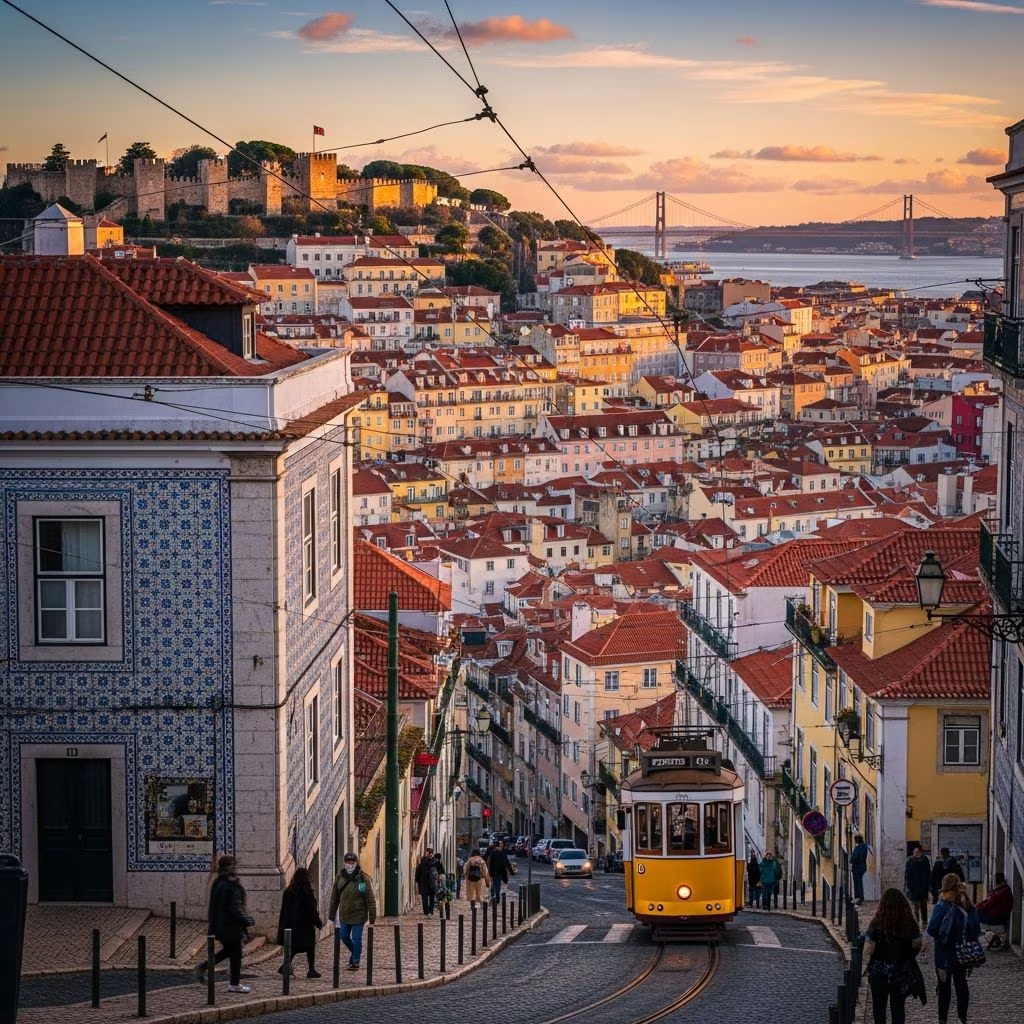
Lisbon stands as one of Europe’s most captivating destinations, seamlessly blending centuries of history with contemporary creativity. This Portuguese capital captivates visitors through its hillside neighborhoods, centuries-old architecture, and an infectious energy that defines the city’s character. Whether you’re navigating narrow cobblestone streets or savoring local cuisine from a clifftop terrace, Lisbon offers experiences that resonate long after departure.
Understanding Lisbon requires acknowledging its complex past. The 1755 earthquake fundamentally reshaped the city, yet its resilience is evident throughout. Reconstructed neighborhoods now showcase distinct personalities, while preserved architectural remnants tell stories of survival and adaptation. This historical context enriches every visit, as contemporary Lisbon builds upon foundations established by previous generations of residents and planners.
Several architectural treasures anchor Lisbon’s tourist circuit and cultural identity. These landmarks represent pivotal moments in Portuguese history and continue attracting millions of visitors annually.
This magnificent monastery represents a pinnacle of Portuguese Gothic architecture, specifically the Manueline style. Built to commemorate Portugal’s success during the Age of Discoveries, the structure survived Lisbon’s devastating 1755 earthquake relatively intact. The monastery stands where Vasco da Gama’s expedition prayed before embarking on their groundbreaking voyage to India. Today, visitors encounter elaborate carved stonework, peaceful cloisters, and the tomb of this celebrated navigator. The exterior displays intricate architectural details that warrant extended observation and photography. Purchasing tickets in advance streamlines entry, particularly during peak tourist seasons.
Constructed between 1514 and 1520, Belem Tower represents one of Lisbon’s most photographed structures. Designated as a UNESCO World Heritage Site in 1983, this fortified tower originally served defensive purposes along the Tagus River. Located near Jerónimos Monastery, the tower features distinctive architectural elements that reflect maritime exploration themes. Early morning visits minimize crowds, allowing for unhurried exploration and optimal photography conditions. The tower’s riverside location provides stunning backdrop opportunities and contextualizes the river’s historical importance to Portuguese trade and exploration.
Perched atop one of Lisbon’s seven hills, this castle offers breathtaking panoramic views extending across the entire city and the Tagus River. Adult admission costs 15 euros, with reduced pricing available for younger visitors. The castle grounds are inhabited by peacocks that have established themselves on the premises, adding unexpected wildlife encounters to the visit. Clear days provide the most spectacular vistas, allowing visitors to identify major landmarks and neighborhoods sprawling below. The elevated position offers unique perspectives for understanding Lisbon’s geographic layout and urban development patterns.
The city’s distinct neighborhoods each possess unique characteristics, architectural styles, and cultural atmospheres.
This historic quarter preserves medieval street layouts and traditional architecture despite centuries of urban evolution. Alfama features the iconic 28 tram route that navigates narrow passages and steep inclines, providing both practical transportation and atmospheric experiences. Key attractions within Alfama include the Sé Cathedral, the National Pantheon, and multiple viewpoints overlooking tile-covered rooftops and the river below. The neighborhood’s labyrinthine streets encourage exploration and unexpected discoveries, though visitors should wear comfortable footwear given the terrain’s demands.
Located along the Tagus River, Belem concentrates many of Lisbon’s most important monuments and cultural institutions. The district’s layout facilitates efficient sightseeing, with major attractions accessible within walking distances. Beyond architectural landmarks, Belem offers restaurants, cafes, and parks that encourage extended visits and leisurely afternoon exploration.
This neighborhood transforms dramatically between day and night. Daytime reveals traditional architecture, independent boutiques, and quiet residential streets. Evening hours activate the district through restaurants, bars, and clubs that extend social activities into early morning hours. The neighborhood’s personality reflects contemporary Lisbon’s creative spirit and youthful energy.
Lisbon’s topography creates numerous elevated vantage points offering panoramic city views without premium pricing. These public viewpoints, called miradouros, provide affordable alternatives to expensive restaurant terraces while delivering equivalent visual rewards.
Recognized as Lisbon’s most photographed viewpoint, this terrace overlooks Alfama’s distinctive tiled rooftops and the Tagus River. The location features a café and restaurant where visitors can enjoy beverages while absorbing the scene. Decorative tiles, bougainvillea trees, and colorful buildings surrounding the viewpoint create inherently photogenic compositions. Sunset hours draw substantial crowds, though earlier visits still provide exceptional views with fewer people competing for prime positions.
This lesser-known viewpoint offers equally impressive perspectives across Lisbon’s skyline and encompasses multiple neighborhoods simultaneously. The location’s reduced foot traffic allows for more meditative experiences compared to heavily-trafficked alternatives. Visitors can enjoy beverages at the adjacent bar while absorbing panoramic cityscapes during golden hour photography opportunities.
Portuguese cuisine emphasizes fresh ingredients, seafood, and time-honored recipes that define the national food culture.
These custard-filled pastries represent Portuguese culinary tradition most recognizably. Pastéis de Belém, operating for 179 years, maintains a secret recipe known exclusively to three chefs at any given time. The bakery consistently draws lengthy queues, though lines move expeditiously. The flaky, crisp exterior contrasts with warm creamy custard filling, creating textures and flavors that justify the established reputation. Multiple locations throughout Lisbon offer these pastries, though the original establishment provides the most authentic historical experience.
Portuguese tradition celebrates preserved fish products presented in attractive tins. Miss Can restaurant specializes in this category, offering curated selections of Portugal’s finest canned fish preparations. First-time visitors to Portuguese cuisine benefit from exposure to these products, which represent centuries of maritime preservation techniques and culinary heritage.
This food hall concentrates Lisbon’s culinary excellence under single roof, featuring established chefs, restaurants, cooking demonstrations, and events. The venue buzzes with activity from morning through evening hours, accommodating diverse preferences and budgetary considerations. Visitors can sample multiple cuisine styles and price points within sequential minutes, making the market ideal for culinary exploration without committing to extended restaurant visits.
Lisbon embraces street art, graffiti, and public artistic initiatives that distinguish the city’s cultural landscape.
The Urban Art Gallery was established to promote street art and graffiti throughout the city in authorized contexts. This initiative enabled local artists to express themselves through multiple artistic projects displayed in public spaces scattered across various neighborhoods. Guided street art tours navigate visitors through districts featuring the most compelling examples, providing context about individual artists and the cultural movement supporting this creative expression.
Lisbon’s markets offer authentic shopping experiences distinct from conventional retail establishments.
Operating on Tuesdays and Saturdays from 9am to 6pm, this flea market provides opportunities to discover souvenirs, antiques, and Portuguese products while appreciating surrounding historic architecture. The National Pantheon church overlooks the market, providing visual context for the location’s historical significance. Visitors can enjoy coffee at Copenhagen Coffee Lab while perusing vendor selections, creating leisurely shopping experiences.
The Tagus River provides multiple perspectives on Lisbon’s geography and architectural character.
Two-hour boat excursions departing from Santo Amaro docks navigate the Tagus while showcasing major landmarks including Belem’s district and tower, the April 25th Bridge, Cristo-Rei monument, and Alfama’s hillside neighborhoods. Arriving early secures front-row seating, optimizing views and photography opportunities. Bringing wine and cheese enhances the experience, allowing visitors to create intimate celebrations while viewing Lisbon’s skyline during golden hour conditions.
Beyond primary attractions, specialized experiences cater to diverse interests and preferences:
The famous 28 tram provides both tourist appeal and practical transportation through hilly neighborhoods. Walking remains viable for many routes, though Lisbon’s steep inclines demand comfortable footwear and realistic time estimates. Public transportation passes provide economical access to buses, trams, and metro systems serving the metropolitan area.
Spring and fall months offer moderate temperatures and manageable tourist crowds. Summer brings peak visitation and elevated temperatures, while winter provides fewer visitors and occasional rainfall. Consider personal preferences regarding weather, crowds, and seasonal activities when selecting visit timing.
Lisbon accommodates various budgetary levels through affordable neighborhood accommodations, inexpensive public transit, free viewpoints, and reasonably-priced local restaurants. Premium dining, luxury accommodations, and organized tours increase overall expenditures significantly.
Spring (April-May) and fall (September-October) offer ideal conditions with moderate temperatures, manageable crowds, and abundant sunshine. These seasons balance comfort and accessibility.
Lisbon remains relatively affordable, particularly for accommodations, local dining, and public transportation. Visitor attractions range from free to moderately-priced, allowing flexible budget management.
Three to four days allow comprehensive exploration of major attractions, neighborhoods, and culinary experiences. Extended stays enable deeper immersion into local culture and neighboring regions like Sintra and Cascais.
Belem, Chiado, and the city center provide well-established tourist infrastructure with visible security presence. While generally safe, visitors should exercise standard urban precautions, particularly regarding personal belongings in crowded areas.
Yes, English proficiency is widespread in tourist areas, restaurants, hotels, and transportation hubs. While learning basic Portuguese phrases enhances cultural appreciation, English-language navigation remains viable.
Lisbon transcends typical tourist destinations through its harmonious integration of history, culture, cuisine, and natural beauty. The city welcomes exploration through multiple sensory channels—visual through architectural grandeur, gustatory through culinary traditions, auditory through street musicians and cultural performances, and tactile through centuries-old cobblestone navigation. Whether visitors prioritize historical immersion, culinary adventure, artistic discovery, or leisurely riverside contemplation, Lisbon delivers comprehensive experiences that justify its status as one of Europe’s most compelling capitals.
