

 Travel Essentials
 Travel Essentials

Explore Lombok's best attractions from mountain treks to island escapes, waterfalls, beaches, and authentic cultural villages.
 Travel Essentials
Lombok stands as one of Indonesia’s most underrated destinations, offering visitors a compelling alternative to its more crowded neighbor, Bali. This island paradise combines dramatic volcanic landscapes, crystalline beaches, authentic cultural experiences, and adventure opportunities that appeal to diverse travel preferences. Whether you seek adrenaline-pumping activities or peaceful retreats, Lombok delivers experiences that linger long after you depart.
The island’s most iconic natural feature, Mount Rinjani, represents an essential experience for adventure enthusiasts visiting Lombok. This active volcano, standing at 3,726 meters elevation, ranks as Indonesia’s second-highest peak and presents one of Southeast Asia’s most rewarding trekking challenges. The ascent typically requires two to three days of guided hiking through diverse ecosystems, rewarding trekkers with panoramic views that justify the physical exertion involved.
The journey toward Rinjani’s summit takes adventurers through lush forest landscapes, past cascading waterfalls, and eventually to the crater rim where an emerald crater lake comes into view. This semi-crater lake, nestled within the volcano’s ancient caldera, creates a surreal landscape that many visitors describe as life-changing. The trek culminates at the summit, where dawn breaks reveal vistas stretching across neighboring islands and the vast ocean beyond.
Potential climbers should note that the dry season, typically May through September, provides optimal trekking conditions with clear skies and stable weather. During the rainy season extending from November through April, summit routes close to prevent accidents, though crater rim trails may remain accessible to experienced hikers with proper guides. The Senaru area in northern Lombok serves as the primary launching point, where numerous certified guides coordinate expeditions and provide essential equipment and local knowledge.
Beyond summiting Rinjani, the mountain region offers numerous alternative experiences. Day hikes to crater viewpoints provide stunning vistas without demanding the multi-day commitment of a full trek. These shorter excursions allow visitors with limited time to experience the volcanic landscape’s majesty while exploring surrounding gardens and natural pools.
Northern Lombok’s waterfall circuit represents a spectacular natural attraction accessible to visitors with varying fitness levels. The region’s primary waterfalls create distinct experiences, each offering unique characteristics and surrounding ecosystems.
Sendang Gile Waterfall serves as the entry point to the waterfall exploration circuit. This 30-meter cascade tumbles into a crystalline pool surrounded by verdant cliff walls and tropical vegetation. The relatively short 45-minute hike from parking areas makes this waterfall accessible to families and casual trekkers. The pool’s cool waters provide refreshing immersion after the jungle trek, and the dramatic amphitheater formed by surrounding rock creates an ethereal atmosphere, particularly during morning visits when mist rises from the water.
Continuing upstream for approximately fifteen minutes leads to Tiu Kelep Waterfall, often cited as Lombok’s most magnificent cascade. This waterfall presents a more challenging experience requiring navigation through river channels and multiple water crossings. The route gradually immerses visitors in increasingly wild jungle environments, ultimately arriving at a breathtaking natural amphitheater where multiple water streams converge. The mist, sound, and scale of Tiu Kelep create an unforgettable sensory experience that justifies the additional effort required to reach it.
For visitors seeking solitude and deeper jungle exploration, Benang Stokel and Kelambu Waterfalls offer more secluded alternatives. Benang Stokel presents twin waterfalls cascading from twenty meters into pristine pools, surrounded by untouched jungle. Kelambu Waterfall, a multi-tiered cascade dropping more than thirty meters, requires bushwhacking through dense vegetation but rewards dedicated explorers with scenes rarely encountered by casual tourists. These waterfalls attract considerably fewer visitors than their northern counterparts, providing opportunities for intimate nature immersion.
The Jukut Waterfall near Tetebatu village offers another compelling water feature, accessible through scenic rice field landscapes and passing through traditional settlements where visitors encounter local daily life firsthand.
The Gili Islands—three distinct islands positioned off Lombok’s northwestern coast—constitute a major attraction for beach lovers and water sports enthusiasts. Gili Trawangan, the largest and most developed of the trio, offers well-established tourism infrastructure including restaurants, dive shops, and accommodation options ranging from budget hostels to upscale resorts.
Gili Air and Gili Meno provide progressively quieter experiences for visitors seeking reduced tourist activity. Gili Air balances amenities with relative tranquility, appealing to travelers desiring both comfort and authenticity. Gili Meno, the smallest and least developed, attracts those prioritizing peace and minimal commercial development. All three islands share characteristics including pristine white-sand beaches, shallow turquoise waters perfect for swimming, and excellent snorkeling opportunities accessible directly from shore.
Bicycle transportation dominates these islands, with vehicles prohibited in many areas. Circumnavigating Gili Trawangan by bike takes approximately three hours and provides intimate exposure to island landscapes, local communities, and hidden beaches inaccessible by other means. This low-speed exploration allows meaningful interaction with residents and appreciation for the islands’ natural character.
Diving and snorkeling represent primary water activities across all three islands, with coral reefs teeming with tropical fish species creating spectacular underwater experiences. Sea turtle encounters occur frequently during diving excursions, and the relatively shallow reefs suit both beginners and experienced divers. Night dives reveal entirely different marine communities, including nocturnal species and bioluminescent organisms.
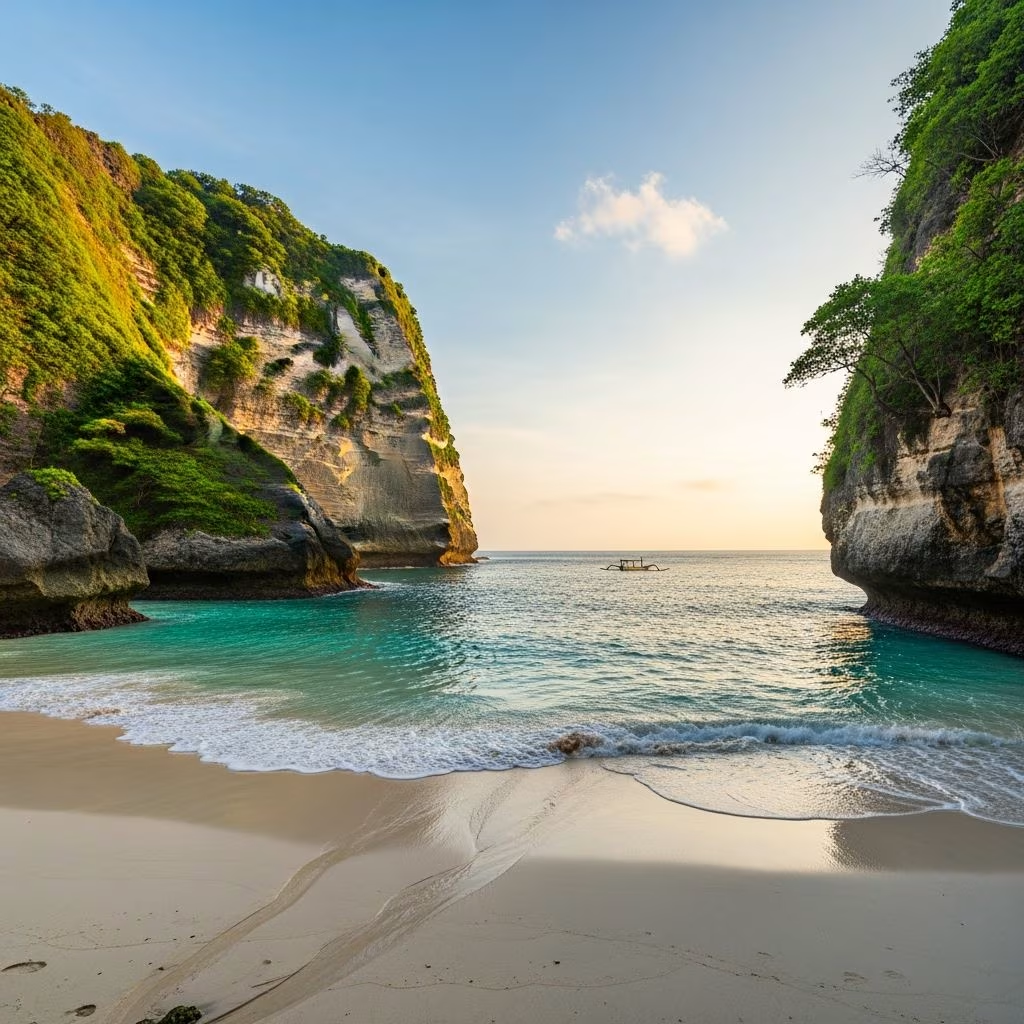
Beyond the Gili Islands, Lombok’s mainland coastline features diverse beaches catering to various preferences and activity levels. Kuta Lombok, situated on the island’s southern coast, has developed considerably while retaining authentic character. The expansive white-sand beach provides excellent swimming conditions, uncrowded spaces compared to Balinese counterparts, and nearby warungs offering local food and refreshments.
Tanjung Aan represents a crescent-shaped bay offering sheltered waters ideal for relaxation and swimming. The cove’s natural protection creates calm conditions perfect for families and less confident swimmers. Local warungs dot the beachfront, serving everything from traditional Indonesian dishes to international cuisine and cold beverages. While primarily known for leisure, the beach also attracts surfers who boat out to nearby breaks where consistent swells produce rideable waves.
Selong Belanak provides a quieter southern beach experience with fewer commercial establishments and more natural atmosphere than developed beach towns. The pristine sand and clear water attract those seeking undisturbed beach time. Pink and black sand beaches occur in certain areas, creating visually striking landscapes and unique sensory experiences compared to standard white-sand beaches.
Senggigi Beach, located near western urban centers, offers convenient beach access with well-developed tourism infrastructure. Shopping, dining, and entertainment options cluster around the beach, making it suitable for visitors desiring urban proximity while still enjoying coastal recreation.
The Sasak people, comprising Lombok’s indigenous population, maintain distinctive cultural traditions and ways of life despite modernization pressures. Visiting traditional Sasak villages provides windows into communities preserving ancestral practices, architecture, and agricultural methods. Southern villages near Kuta operate as lived-in communities rather than museum exhibits, allowing authentic interaction between visitors and residents while generating income supporting traditional livelihoods.
The Traditional Sasak Village experience includes observing traditional weaving, pottery production, and agricultural practices. Local artisans demonstrate techniques passed through generations, creating functional and decorative items using methods largely unchanged for centuries. Supporting these communities through direct purchases and respectful engagement helps preserve cultural knowledge while providing economic alternatives to destructive practices.
Tetebatu village, positioned near Mount Rinjani’s slopes, combines cultural experiences with natural attractions. The settlement is surrounded by extensive rice terraces demonstrating traditional agricultural practices suited to local topography and climate. Walking tours through rice field landscapes connect visitors with rural life rhythms while showcasing the aesthetic beauty of cultivated landscapes. Nearby monkey forests shelter playful macaques accustomed to human presence, creating opportunities for wildlife observation and photography.
Religious sites including mosques and Hindu temples throughout the island reflect Lombok’s diverse spiritual traditions. Masjid Hubbul Wathan and Pura Meru represent architectural and cultural significance, welcoming respectful visitors interested in understanding local faiths and their physical manifestations.
Bukit Selong, a hilltop viewpoint in northern Lombok, presents expansive panoramas of patchwork rice fields creating visually stunning landscapes. The elevated perspective reveals the geometric patterns of agricultural plots, village clusters nestled among fields, and distant volcanic peaks. The scenic drive to reach this vantage point traverses lush countryside rarely visited by tourists, providing insights into rural island life and agricultural practices.
Bukit Merese Hill in southern Kuta offers elevated coastal views and becomes particularly spectacular during sunset hours. The natural hilltop position provides unobstructed perspectives of the Indian Ocean and surrounding countryside. The sunset transforms the sky in shades of orange, pink, and red, creating photogenic scenes and romantic atmospheres popular with couples and photographers. The hike to reach the summit remains relatively manageable, taking approximately one hour at a leisurely pace.
Numerous coastal cliffs throughout Lombok create additional sunset-viewing opportunities. These elevated positions provide dramatic perspectives as sun descends toward the ocean horizon, the sky transforms through color progressions, and shadows lengthen across land and water.
Surfing opportunities exist across multiple Lombok locations, with breaks suiting various skill levels. Beach breaks near Kuta and Senggigi produce consistent waves attractive to intermediate surfers, while reef breaks accessed by boat provide powerful swells for advanced riders. Local guides and rental shops facilitate surf excursions for visitors unfamiliar with specific break characteristics and conditions.
Scuba diving extends beyond the Gili Islands to mainland coastal areas. Diverse reef systems harbor abundant marine life including tropical fish, octopuses, sea dragons, and occasionally sharks. The relatively untouched reef ecosystems provide richer biodiversity compared to heavily dived areas in more developed regions.
Motorcycle exploration allows independent travelers to discover remote locations and secondary roads, providing deeper immersion into island landscapes and communities. Two-wheeled transportation remains affordable and practical, offering flexibility superior to organized tours. Riding through rice fields, coastal roads, and mountain passes creates memorable experiences while exposing visitors to authentic daily life.
Paddleboarding and kayaking provide water-based exploration opportunities, particularly suitable for coastal areas with calm conditions. These activities allow intimate water-level perspective impossible from beaches and permit reaching secluded coves and natural features inaccessible by other means.
Optimal visiting occurs during the dry season extending from May through September when consistent sunshine, minimal rainfall, and calm seas facilitate outdoor activities. The rainy season from November through April presents challenges including mountain route closures, rough ocean conditions, and increased accommodation prices during limited dry periods.
Accommodation options span all budget ranges, from simple guesthouses and homestays to luxury resort properties. Staying with local families through homestay arrangements provides cultural insights and authentic interaction while supporting community economies directly. Mid-range hotels and resorts balance comfort with affordability, while high-end properties offer extensive amenities and services.
Transportation accessibility has improved significantly with regular ferry services to the Gili Islands, reliable road networks throughout the island, and rental options for motorcycles and vehicles. Local guides enhance experiences by providing historical context, cultural information, and safe access to remote locations.
Lombok’s food culture reflects Indonesian traditions with local variations and seasonal ingredients. Warungs throughout the island serve authentic local dishes at affordable prices, allowing budget-conscious travelers to experience genuine culinary traditions. Seafood features prominently given the island’s coastal character, with fresh fish prepared through grilling, frying, or traditional sauce preparations.
Seeking dining experiences beyond tourist-oriented establishments reveals food traditions rarely documented in guidebooks. Local markets provide opportunities to observe community food cultures and purchase fresh tropical fruits, vegetables, and prepared items. Night markets and food stalls emerge after sunset, serving casual meals and snacks to local populations.
The dry season from May through September offers optimal conditions with clear skies, minimal rainfall, and calm seas. This period permits full access to mountain trails, excellent beach conditions, and predictable weather for planning activities.
A minimum five to seven days allows exploration of primary attractions including Mount Rinjani trekking, waterfall visits, and beach time. Extended stays of two weeks or longer permit deeper cultural immersion, remote location discovery, and unhurried experiences in smaller villages.
The full Mount Rinjani trek demands substantial physical conditioning due to elevation gain, steep sections, and multi-day duration. Alternative experiences including crater rim hikes and day trips to viewpoints accommodate lower fitness levels while providing rewarding experiences.
Hiring certified local guides for mountain treks and waterfall visits ensures safety and enhances experiences through local knowledge. Standard travel precautions including travel insurance, valuables security, and sun protection apply as in most destinations.
While possible, day trips allow limited time for proper island exploration and adjustment to travel. Overnight stays permit fuller experiences including snorkeling, diving, bicycle exploration, and sunset experiences.
