

 Travel Essentials
 Travel Essentials

Explore Málaga's top attractions including the Alcazaba fortress, Picasso Museum, Cathedral, and coastal activities. Complete guide to culture, history and dining.
 Travel Essentials
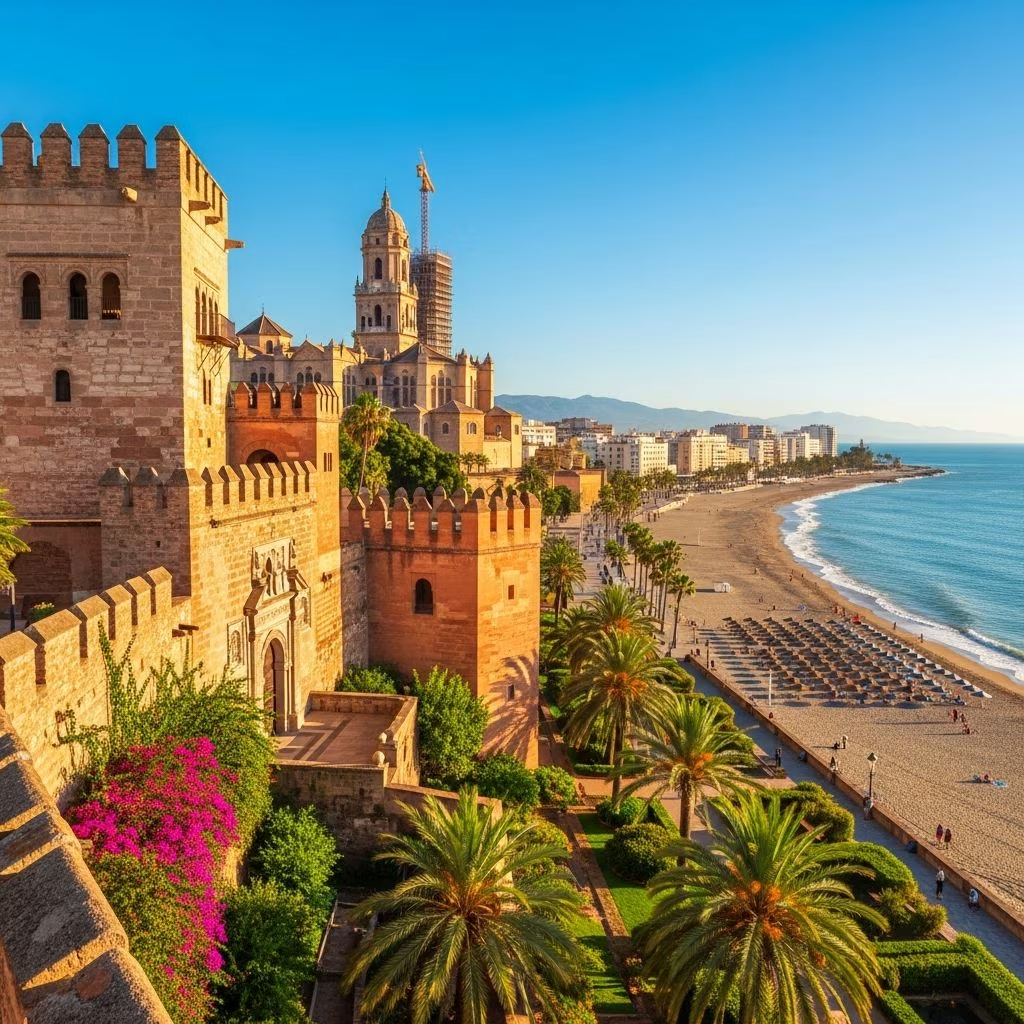
Nestled along Spain’s Costa del Sol, Málaga offers visitors a compelling blend of ancient history, artistic heritage, and Mediterranean coastal beauty. This vibrant Andalusian city serves as both a cultural destination and a relaxation hub, making it an ideal choice for travelers seeking diverse experiences. Whether you’re drawn to architectural wonders, world-class museums, or simply enjoying fresh seafood by the sea, Málaga delivers remarkable opportunities for exploration and discovery.
The most iconic structure dominating Málaga’s skyline is the Alcazaba, an ancient Moorish palace and fortification that commands the hillside behind the historical center. This impressive complex reflects centuries of occupation and architectural evolution, beginning with Phoenician settlement around 600 BC and later developing into a sophisticated Islamic military stronghold during the 8th century. The palace underwent continuous expansion under subsequent rulers, eventually becoming one of Spain’s finest examples of Moorish palatial design.
Walking through the Alcazaba reveals multiple layers of historical significance. The structure features the towering Tower of Homage, elegant gardens within the Plaza de Armas, and the opulent Nasrid Palace. The Taifa Palace showcases distinctive Moorish architectural elements, including signature horseshoe arches adorned with intricate stucco carvings that frame panoramic views of the city, surrounding mountains, and harbor. Visitors can time their exploration for golden hour to experience the fortress bathed in warm light, offering spectacular photography opportunities.
Connected to the Alcazaba via a scenic pathway is Gibralfaro Castle, positioned at an even higher elevation. This vantage point provides the most comprehensive views of Málaga and the coastline beyond. A practical tip for visitors involves purchasing a combined ticket for both the Alcazaba and Gibralfaro Castle, offering significant savings for those planning to explore both monuments.
At the base of the Alcazaba lies the Roman Theatre, a sobering reminder of the city’s multi-cultural past. This archaeological site provides tangible evidence of how numerous civilizations shaped Málaga’s development and cultural identity. Visitors can either tour these three monuments together or explore them independently.
The Málaga Cathedral, officially known as the Cathedral of the Encarnación, dominates the city’s visual landscape and stands as one of its most recognizable landmarks. Locals affectionately call it “La Manquita” or “the one-armed lady,” referencing the asymmetrical design where only one of two planned towers was completed. Construction commenced in the 16th century on the site of a former mosque, incorporating both Gothic and Renaissance architectural influences. The cathedral’s exterior and interior showcase impressive craftsmanship, with Baroque elements and a spectacular domed ceiling. For those seeking elevated perspectives, guided tours to the cathedral’s roof provide panoramic city vistas, though visitors should verify mass schedules before planning their visit.
Málaga holds special significance as the birthplace of Pablo Picasso, a distinction that profoundly influences the city’s cultural identity. The Museo Picasso Málaga houses an extraordinary collection of over 200 artworks, showcasing the artist’s evolution across diverse creative periods, from cubism to classicism. Located near the Cathedral, this museum warrants advance ticket reservations given its popularity.
Beyond the museum, visitors can trace Picasso’s personal history throughout the city. Casa Natal Picasso, his birthplace converted into a museum, displays family memorabilia and early sketches that illuminate his formative years. In Plaza de la Merced, a life-size bronze statue depicts the artist sitting casually on a bench, creating an intimate connection between visitors and the creative giant. The route continues past the Church of Santiago Apóstol, where Picasso received baptism.
Málaga’s artistic character extends far beyond Picasso. The SOHO district, officially known as Barrio de las Artes, has emerged as the epicenter of the city’s vibrant street art scene. The MAUS project transformed this neighborhood into an open-air gallery, featuring monochrome animal murals by artist ROA, alongside works by international street artists D Face and Shepard Fairey. These dynamic murals tumble across walls and extend onto the banks of the River Guadalmedina, creating a constantly evolving artistic landscape.
For contemporary art enthusiasts, the Centre Pompidou Málaga represents a significant cultural institution, functioning as the only Centre Pompidou location outside France. Situated at the port area, it combines modern artistic expression with stunning waterfront vistas.
The revitalized Muelle Uno waterfront development serves multiple purposes for visitors. This modern quay facility offers shopping, dining, and recreational opportunities while showcasing picturesque views of the harbor. Cruising from Muelle Uno provides an excellent method for understanding Málaga’s geographical position and coastal landscape. Several international restaurants at this location provide ideal settings for lunch or dinner with maritime views.
Malagueta Beach remains a popular destination for swimmers, sunbathers, and seafood enthusiasts. The beach area features numerous establishments serving espetos, traditional sardine skewers grilled fresh and enjoyed directly at beach bars, representing an authentic coastal dining experience.
The Parque de Málaga functions as more than simply a green space. Shaded pathways wind through botanical specimens, including the distinctive jacaranda trees mentioned by visitors as pleasant rest spots between major attractions. The park preserves numerous 19th-century fountains, sculptures, and monuments, such as the Fountain of the Three Graces and the Nymph with a Seashell. The Eduardo Ocón auditorium continues hosting concerts and festivals, maintaining the park’s role as a cultural venue.
Beyond the Picasso Museum, Málaga hosts approximately 30 distinct museums, catering to varied interests and educational backgrounds. The Malaga Museum represents the largest museum in Andalusia, incorporating both the Museum of Fine Arts and the Provincial Archaeological Museum. Notably, it offers free admission on Sundays. The Thyssen Museum brings visitors into the heart of historic Málaga and complements the Picasso Museum’s offerings.
Automotive enthusiasts find dedicated interest at the Museo Automovilístico, which houses a spectacular private collection of vintage automobiles. This museum extends beyond vehicles to include an impressive collection of vintage designer clothing, offering unexpected cultural perspectives. Some vehicles are available for hire with professional drivers, accommodating corporate events and weddings.
Málaga’s gastronomic scene reflects Andalusian traditions and Mediterranean influences. Tapas bars proliferate throughout the historic center, offering traditional small plates at every turn. Specific establishments like La Salita provide affordable yet authentic local cuisine, while Lola Unicbay specializes in exceptional tapas offerings. The city’s restaurant diversity extends beyond traditional Spanish fare to include international cuisine options.
The Atarazanas market provides visitors with opportunities to experience local food culture firsthand. This vibrant marketplace showcases fresh produce, seafood, and regional specialties, offering glimpses into daily life and culinary traditions.
The commercial zone between Calle Nueva and Calle Larios combines international brand retailers with local independent shops, accommodating diverse shopping preferences. This district represents Málaga’s modern commercial heart while maintaining authentic character.
Evening entertainment options enhance the visitor experience. Kelipe stands as the premier destination for witnessing flamenco performances, embodying Andalusian cultural expression. For culturally immersive experiences, We Love Málaga organizes specialized food and historic tours exploring the city’s neighborhoods and heritage. The Hammam Al Andalus, underground Turkish baths, provides relaxation opportunities complemented by massage and wellness treatments.
| Attraction Type | Best Time to Visit | Duration | Practical Tips |
|---|---|---|---|
| Alcazaba & Gibralfaro | Late afternoon for golden hour | 2-3 hours | Purchase combined ticket; use elevator for accessibility |
| Picasso Museum | Morning hours | 1.5-2 hours | Book tickets in advance |
| Cathedral | Mid-morning | 1 hour | Check mass times; roof tours available |
| SOHO Street Art | Daytime | 1.5 hours | Self-guided walking tour; bring camera |
| Beaches & Waterfront | Any time, morning recommended | 2-4 hours | Summer crowds peak in July-August |
What is the best time to visit Málaga? Spring (April-May) and fall (September-October) offer pleasant weather with fewer crowds than summer months. Winter remains mild, though some establishments reduce hours.
How many days should I spend in Málaga? A three to four-day visit allows comprehensive exploration of major attractions, cultural sites, and coastal experiences without feeling rushed.
What transportation options exist within Málaga? The city features extensive bus networks, walkable historic districts, and taxi services. Many attractions lie within walking distance of the historic center.
Are museum entries reasonably priced? Most museums offer moderate admission fees, with many providing free hours or discounted rates on specific days. Several offer combined tickets for cost savings.
Is Málaga suitable for families? Yes, the city offers diverse attractions including beaches, parks, interactive museums, and family-friendly restaurants alongside cultural experiences appealing to adults.
What local specialties should visitors try? Essential culinary experiences include espetos (grilled sardines), traditional tapas, gazpacho (cold soup), and local wine varieties from surrounding regions.
