

 Travel Essentials
 Travel Essentials

A comprehensive guide to experiencing Marseille's best attractions, neighborhoods, dining, and cultural venues during a memorable weekend getaway.
 Travel Essentials
Marseille, France’s storied Mediterranean port city, offers visitors an intoxicating blend of historic charm, contemporary culture, and Mediterranean allure. Often overshadowed by Paris or the quieter villages of Provence, this vibrant metropolis deserves serious consideration for your next French adventure. With its eclectic neighborhoods, world-class museums, stunning coastal vistas, and renowned culinary scene, Marseille rewards explorers willing to venture beyond the typical tourist trail. Whether you’re an art enthusiast, food lover, architecture aficionado, or simply seeking authentic Mediterranean experiences, a weekend in this dynamic city provides ample opportunity for discovery and immersion.
Successfully experiencing Marseille begins with understanding how to move through the city efficiently. The most rewarding approach to discovering Marseille’s character involves a combination of transportation methods, each offering unique perspectives on the urban landscape.
Pedestrian exploration remains the most intimate way to absorb the city’s essence. Walking through narrow alleyways, discovering hidden plazas, and stumbling upon local gems creates authentic connections with Marseille’s neighborhoods. The city’s compact historic districts are particularly conducive to foot traffic, allowing visitors to notice architectural details and street-level activities that vehicular travel obscures.
For covering greater distances or reaching elevated attractions, Marseille’s public transportation network provides reliable alternatives. The metro system connects major neighborhoods efficiently, while buses serve peripheral areas and scenic routes. The city’s electric bike-sharing program, known as Le Velo, offers an eco-conscious option for intermediate distances, combining the engagement of walking with extended coverage.
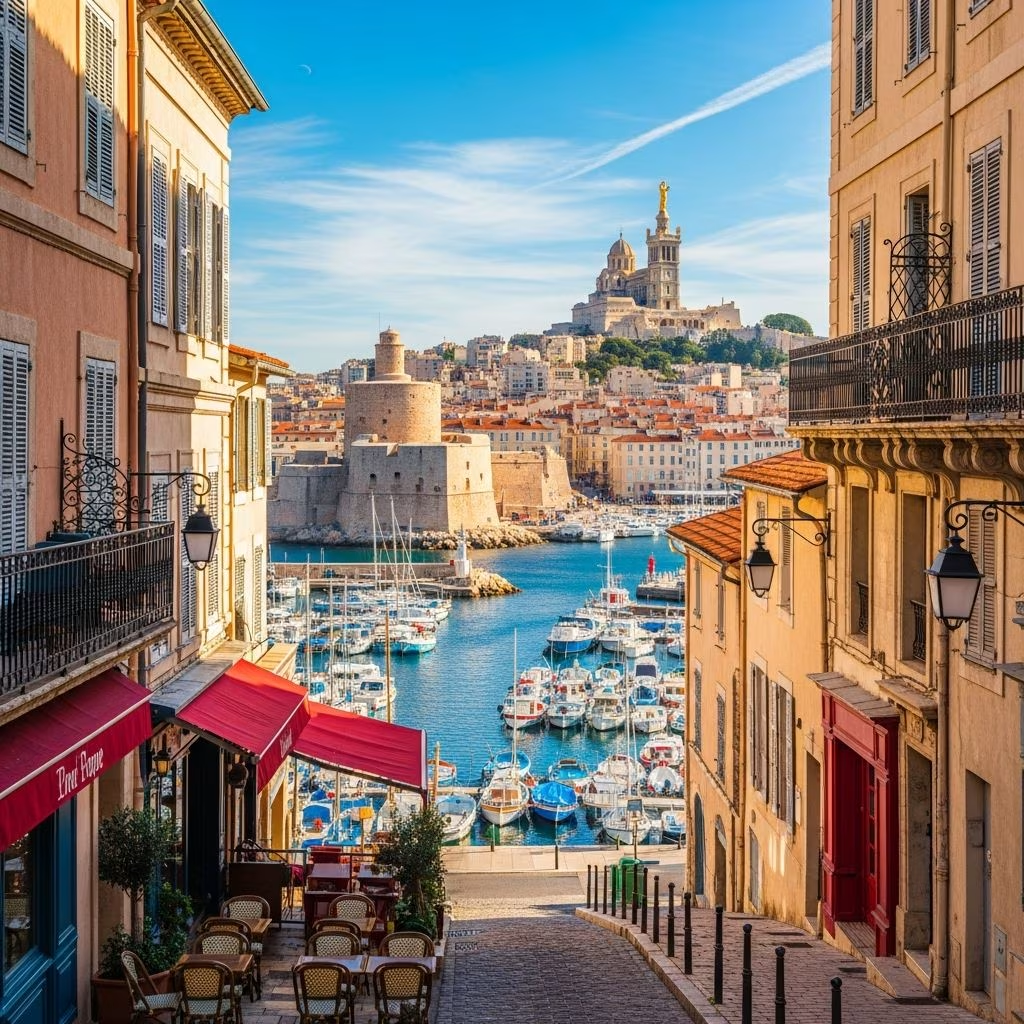
Any meaningful Marseille experience begins at the Vieux Port, or Old Port, the city’s historic nucleus and primary orientation point. This bustling waterfront district serves as both a functional maritime center and the city’s social epicenter, where locals and visitors intermingle at waterside cafés, restaurants, and markets.
The Old Port’s significance transcends its role as a tourist destination. For centuries, this harbor has represented Marseille’s connection to Mediterranean trade routes, foreign cultures, and cosmopolitan influences. Today, the surrounding promenade hosts various market stalls, street performers, and public events that reflect the city’s multicultural character.
The main plaza, Place Honoré d’Estienne d’Orves, occupies the southern end of the port basin and serves as an excellent gathering spot. Lined with diverse dining establishments and beverage venues, this square provides an ideal vantage point for people-watching and absorbing the port’s animated atmosphere. Sunday mornings bring farmers’ markets offering fresh produce, local specialties, and artisanal goods, creating vibrant scenes of commerce and community interaction.
Marseille’s architectural heritage reflects centuries of Mediterranean influences and urban development. Several landmark structures deserve dedicated attention during your weekend visit.
Notre-Dame de la Garde, colloquially known as the “Bonne Mère” or “Good Mother,” crowns a hilltop and dominates Marseille’s skyline. This basilica’s golden statue of the Virgin and Child creates an instantly recognizable silhouette visible throughout the city. The ascent—either by hiking or taking designated bus routes—leads to the sanctuary’s interior, where gleaming mosaics and wooden votive boats testify to maritime traditions and religious devotion. The rooftop offers comprehensive 360-degree panoramic views that encompass the entire urban sprawl and Mediterranean horizon.
Marseille’s Cathedral presents another significant religious monument, reflecting the city’s spiritual importance across historical periods. This structure exemplifies ecclesiastical architecture and contributes to understanding Marseille’s urban development and civic identity.
Fort Saint-Jean, a seventeenth-century fortification, stands adjacent to the Old Port. Originally constructed to defend the harbor and control the city’s entry, this fortress now functions as both a historical landmark and contemporary public space. Visitors enjoy free access to outdoor areas, including rooftop gardens and panoramic viewing platforms that overlook both the Mediterranean and urban landscape.
Marseille’s cultural infrastructure rivals larger European cities, with several outstanding institutions clustered in strategic locations throughout the metropolis.
The La Joliette dockside area has transformed into an unofficial museum quarter, concentrating several important cultural venues within walking distance. MUCEM—the Museum of Civilizations of Europe and the Mediterranean—stands as the district’s flagship institution. This striking architectural structure, resembling a futuristic concrete lattice cage inspired by ancient Mesopotamian design, represents contemporary museological vision. The building itself functions as an artwork, while interior exhibitions showcase rotating displays exploring Mediterranean cultural connections and cross-cultural influences. The museum features a distinctive footbridge connecting it to Fort Saint-Jean, creating a unified cultural complex.
Cosquer Méditerranée operates nearby, offering specialized exhibitions that appeal to diverse visitor interests. The Musée Regards de Provence provides focused examination of artistic and cultural heritage specific to Marseille, Provence, and broader Mediterranean regions. This intimate museum maintains affordable admission fees while providing substantive cultural content with minimal crowds, making it an attractive option for those seeking quieter cultural engagement.
The Palais Longchamp, an ornate structure situated inland, houses the Muséum d’Histoire Naturelle de Marseille, a natural history museum often overlooked by casual visitors. This underrated institution provides engaging exhibitions for those interested in natural sciences and geological heritage.
Le Corbusier’s iconic Cité Radieuse represents twentieth-century architectural innovation and remains actively utilized as residential housing. Guided tours in English allow visitors to experience this Brutalist masterpiece and understand its revolutionary approach to urban mixed-use living.
Beyond major attractions, Marseille’s neighborhoods each possess distinct personalities and attractions that collectively define the city’s character.
Le Panier represents Marseille’s oldest inhabited district, featuring narrow cobblestone streets, modest buildings in varying states of preservation, and vibrant street art. The neighborhood functions as a living museum, where authentic local life intersects with artistic expression. Place de Lenche, a notable plaza within this quarter, buzzes with social activity and offers numerous establishments for refreshment or socialization. Rue du Panier and surrounding streets showcase remarkable examples of contemporary street art, contributing aesthetic interest to casual wandering.
Cours Julien occupies a contrasting position as Marseille’s contemporary cultural epicenter. This bohemian quarter embraces artistic expression through pervasive street art, vintage establishments, independent galleries, craft breweries, and innovative dining venues. The famous Escaliers du Cours Julien—stairs entirely covered in vibrant graffiti art—represents the neighborhood’s artistic commitment. The ascent to the summit reveals an unexpected green space complete with fountain, seating, and arboreal elements, demonstrating how Marseille consistently defies expectations through surprising juxtapositions. International recognition as the world’s coolest neighborhood validates this area’s contemporary cultural significance.
La Charité District offers additional cultural attractions housed in architecturally distinguished buildings. This area provides opportunities for encountering ancient artifacts and historical narratives spanning Celtic, Greek, Roman, and Egyptian civilizations.
Marseille’s food culture reflects Mediterranean influences, maritime traditions, and international exchanges resulting from centuries of port commerce.
Morning market visits represent quintessential French experiences where visitors acquire ingredients for impromptu picnics or meals. The Marché des Reformés specializes in local products including cheese, fruit, charcuterie, and distinctive specialties like panisses (chickpea fritters) and fried sardines. The adjacent Marché des Argonautes functions as an indoor gourmet market distinguished by its stunning stained-glass ceiling, offering higher-end gastronomic selections in an architecturally noteworthy setting.
The city’s dining landscape accommodates both traditional Mediterranean cuisine and contemporary culinary innovation. Waterside establishments near the Old Port provide scenic dining experiences overlooking maritime activity. Cours Julien attracts restaurants and eateries showcasing experimental cooking approaches and diverse cultural influences. The neighborhood’s numerous bars and cafés facilitate social engagement and casual refreshment while observing street-level urban dynamics.
Marseille’s strategic location enables convenient access to notable destinations beyond the immediate urban area. The Calanques National Park, featuring dramatic limestone formations and Mediterranean coves, appeals particularly to outdoor enthusiasts. Traditional wooden schooner cruises provide accessible methods for experiencing these natural formations while enjoying maritime recreation. Such excursions complement urban-focused activities by introducing coastal and natural elements into weekend itineraries.
Several strategic approaches enhance weekend enjoyment and reduce logistical complications:
Marseille’s Mediterranean climate generally favors spring through autumn months, with April representing an ideal visiting period offering pleasant temperatures and blossoming foliage. Weekend timing significantly impacts neighborhood atmospheres, particularly for Cours Julien and Old Port areas, which achieve peak energy during Saturday afternoons and Sunday mornings. Winter months introduce festive markets and seasonal decorations while attracting fewer international tourists, potentially offering quieter cultural engagement opportunities.
While two to three days provides substantial exposure to major attractions and neighborhood character, Marseille rewards extended stays through deeper cultural engagement and localized experiences. Weekend visits accommodate essential sightseeing, though additional time enables meaningful interaction with lesser-known districts and cultural pursuits.
Walking combines free exploration with intimate neighborhood engagement. Public transportation passes offer value for multiple transit uses. Electric bikes provide moderate-cost intermediate-distance coverage. Tourist trains and buses offer comprehensive city overview tours at reasonable rates.
MUCEM represents Marseille’s most significant contemporary museum experience, combining architectural distinction with substantive exhibitions. The Musée Regards de Provence provides focused cultural engagement at affordable cost. Le Corbusier’s Cité Radieuse offers unique architectural perspectives unavailable elsewhere.
Panisses (chickpea fritters), fried sardines, local cheeses, and Mediterranean seafood reflect regional culinary traditions. Market exploration provides authentic access to these specialties and numerous local variations.
Combining iconic sites like the Old Port with neighborhood wandering in Le Panier and Cours Julien, utilizing public cafés for social observation, shopping at local markets rather than tourist-focused retailers, and engaging conversationally with residents and vendors facilitates authentic cultural immersion.
Marseille represents a destination that consistently rewards visitor expectations and frequently exceeds them through unexpected discoveries and multifaceted character. The city refuses simple categorization, simultaneously honoring Mediterranean maritime traditions while embracing contemporary artistic expression and cultural innovation. Whether appreciating architectural monuments, experiencing vibrant neighborhoods, engaging with world-class cultural institutions, or simply observing urban rhythms from waterside cafés, Marseille provides substantive weekend experiences that linger long after departure. The city invites exploration, encourages wandering, celebrates cultural diversity, and maintains an authenticity that distinguishes it from more polished French destinations. A Marseille weekend ultimately represents an investment in genuine cultural engagement rather than superficial tourism.
