

 Travel Essentials
 Travel Essentials

Explore Martinique's best attractions including hiking volcanic trails, snorkeling pristine reefs, visiting botanical gardens, and experiencing authentic Creole culture.
 Travel Essentials
Martinique stands as one of the Caribbean’s most captivating destinations, blending natural wonders with rich cultural traditions and colonial heritage. This French island paradise offers an extraordinary array of experiences for travelers seeking both relaxation and adventure. Whether you’re drawn to pristine beaches, challenging mountain trails, or vibrant cultural encounters, Martinique delivers unforgettable moments at every turn.
The waters surrounding Martinique showcase some of the Caribbean’s most diverse marine ecosystems. Snorkeling enthusiasts will find exceptional opportunities to observe tropical fish species, coral formations, and other aquatic life in their natural habitats. The shallow, clear waters at Anse Dufour provide ideal conditions for beginners and experienced snorkelers alike, where schools of colorful fish navigate between rocky outcrops and living coral structures.
Boat-accessible snorkeling sites expand the range of underwater discoveries available to visitors. These guided excursions often include visits to multiple reef locations, allowing participants to experience varying depths and marine biodiversity throughout a single outing. Local guides enhance these experiences by sharing knowledge about sea creatures, coral ecology, and conservation efforts protecting these delicate ecosystems.
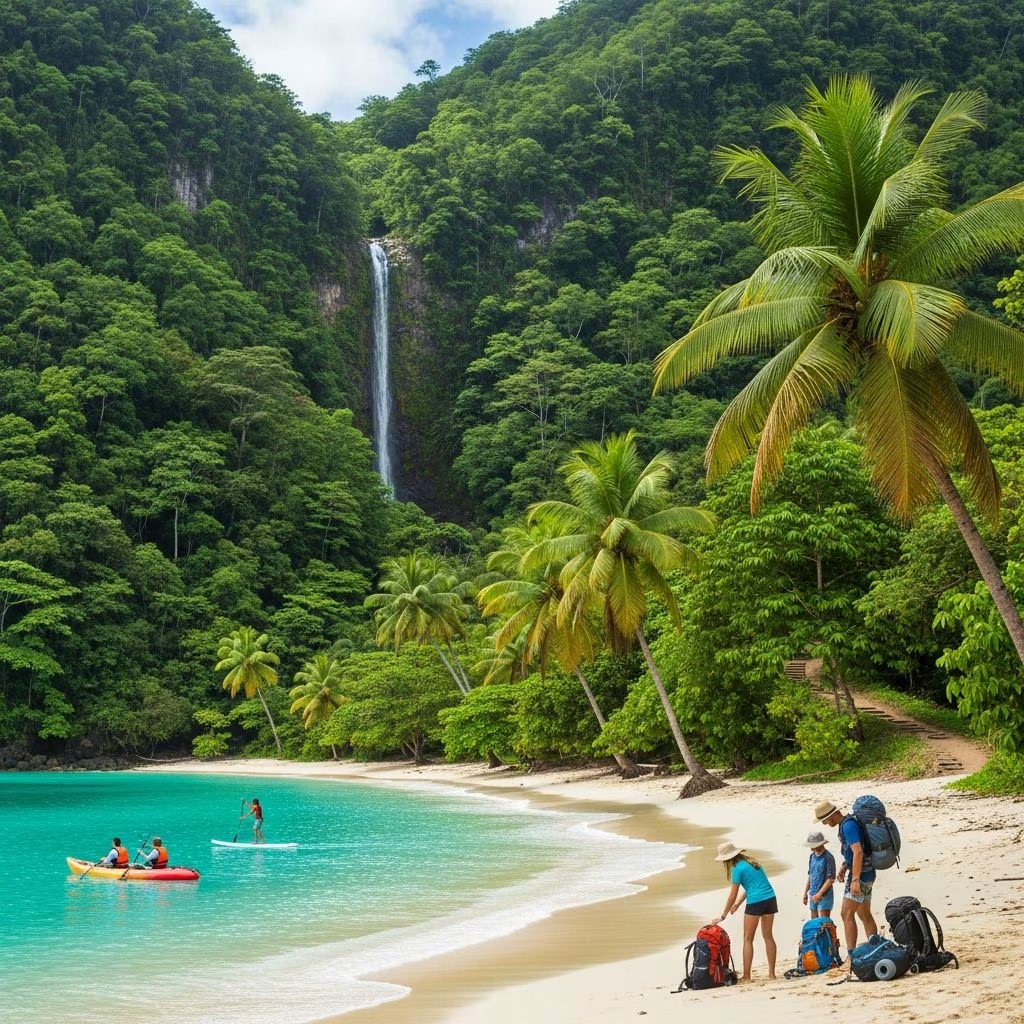
Beyond snorkeling, the island offers numerous water-based recreational opportunities. Kayaking through mangrove channels near Fort-de-France provides a unique perspective on the island’s coastal environment. Paddle through narrow waterways lined with intertwining roots and dense foliage, while local guides point out native bird species and explain the ecological importance of mangrove systems. These excursions typically conclude with opportunities to swim at nearby beaches or enjoy refreshments while absorbing panoramic coastal views.
Diving enthusiasts should seek out Le Rocher du Diamant, a renowned underwater site offering exceptional diving conditions for certified divers. The site features dramatic underwater rock formations, abundant marine life, and good visibility, making it a premier destination for exploring Martinique’s submarine landscape.
Mont Pelée dominates Martinique’s landscape as both the island’s highest point and most iconic geographical feature. This active volcano reaches 1,397 meters in elevation and offers multiple hiking routes suitable for different fitness levels and time commitments. The L’Aileron trail provides a moderate 4-hour round-trip experience, while the Grande Savane offers a shorter 2-hour trek featuring ridge-line hiking with spectacular vantage points overlooking the destroyed ruins of St. Pierre and surrounding seascape.
The Morne Macouba trail takes hikers through dense tropical rainforest, emerging at viewpoints overlooking the Macouba Valley. This route allows visitors to experience Martinique’s interior jungle ecosystems while gaining understanding of the island’s dramatic geographical contrasts. Weather conditions significantly impact hiking experiences on Mont Pelée, so checking forecasts and trail status before departure ensures both safety and optimal visibility.
Beyond the volcano, inland forest trails showcase Martinique’s botanical richness. The Absalon walking loop traverses through areas where exotic plant species thrive beneath a protective jungle canopy. Gentle streams, cascading waterfalls, and panoramic vistas reward hikers with the natural beauty that makes Martinique distinctive among Caribbean destinations. Local guides provide invaluable interpretation of native flora and fauna, transforming physical exertion into an educational experience.
The Jardin de Balata represents Martinique’s premier botanical attraction, showcasing over 3,000 species of tropical plants within a carefully curated environment. Towering bamboo structures, vibrant hibiscus blooms, and numerous palm varieties create an immersive rainforest atmosphere despite the garden’s cultivated nature. Peaceful pathways wind through themed plant collections, offering respite from island heat while providing photographic opportunities throughout the grounds.
The suspension bridge traversing through the upper canopy of Balata Garden offers an extraordinary perspective on both the vegetation and the expansive views of Fort-de-France Bay and Martinique’s interior landscape. This elevated walkway provides visitors with a literal elevation experience while maintaining safety and accessibility. The garden’s design facilitates leisurely exploration at individual paces, allowing visitors to spend anywhere from two to four hours discovering botanical treasures and enjoying natural tranquility.
Fort-de-France, Martinique’s capital and cultural heart, merits dedicated exploration to understand the island’s identity. The city’s historic district features colorful colonial architecture interspersed with vibrant Creole cultural expressions. Local markets overflow with tropical fruits, fresh flowers, and island spices, providing sensory experiences that encapsulate Caribbean vitality and authenticity.
Significant historical monuments dot Fort-de-France’s urban landscape. The Schoelcher Library stands as an architectural and cultural landmark, housing an exceptional collection of historical texts and colonial-era publications. The ornate Saint-Louis Cathedral, recognizable by its 58-meter spire, demonstrates the French colonial influence on religious architecture throughout the Caribbean. Fort Saint-Louis, constructed in 1638, offers both historical context and panoramic views extending across the bay toward surrounding coastal areas.
Walking tours guided by knowledgeable locals provide context for historical sites and reveal stories embedded within public plazas, statues, and everyday locations throughout Fort-de-France. These guided experiences transform a simple city visit into a comprehensive understanding of Martinique’s colonial past, struggles for independence, and evolution into a modern French Caribbean territory.
St. Pierre’s ruins represent one of the Caribbean’s most significant historical sites. Once celebrated as the “Little Paris of the Caribbean,” St. Pierre flourished during the colonial era as a center of commerce and culture. The catastrophic eruption of Mont Pelée in 1902 devastated the city within moments, killing approximately 30,000 residents and fundamentally altering Martinique’s trajectory. Today, visitors walk among remnants of buildings, churches, and infrastructure, confronting the raw power of natural forces and the fragility of human civilization.
The Volcano Museum at St. Pierre documents this tragic historical event through artifacts, photographs, and interpretive displays. The museum provides context for understanding the eruption’s impact and the subsequent rebuilding efforts that transformed St. Pierre into a smaller, quieter community. Visiting St. Pierre combines powerful historical education with stunning natural scenery, as Mount Pelée dominates the skyline above the excavated ruins.
La Savane des Esclaves functions as an open-air museum dedicated to preserving and interpreting the lives of enslaved people who comprised the foundation of Caribbean colonial society. This 12-acre site features approximately twenty traditional structures built using period-appropriate materials and construction techniques. Visitors explore replica dwellings, medicinal plant gardens, and cultural spaces that provide insights into daily life, work practices, and resistance strategies employed by enslaved communities. This educational experience addresses a difficult historical period essential to understanding Martinique’s complete story.
Martinique’s beaches offer diverse characteristics suited to varying preferences and activity levels. Plage des Salines ranks among the Caribbean’s most celebrated beaches, featuring powdery white sand, brilliantly turquoise water, and abundant shade provided by coconut and palm trees. The calm conditions and shallow waters make this beach particularly suitable for families and visitors seeking relaxation without challenging conditions.
Multiple smaller beaches dot Martinique’s coastline, each offering distinctive characteristics. Some beaches provide calm, protected waters ideal for swimming, while others feature more dynamic conditions attracting water sports enthusiasts. Grande Anse d’Arlet and Les Anses d’Arlet offer alternative beach experiences with their own distinct appeal and local amenities.
Bathtub of Josephine presents an unusual natural phenomenon where shallow white sandy areas emerge from turquoise waters, creating an otherworldly landscape that exemplifies the Caribbean’s aesthetic ideal. This unique geological formation attracts visitors seeking distinctive beach experiences beyond conventional sandy shores.
Kitesurfing enthusiasts should direct their attention to Pointe Faula, where consistent wind conditions and appropriate water depth create ideal kitesurfing environments. This activity combines elements of surfing and sailing, offering adrenaline-filled experiences for those possessing requisite skills or willing to engage professional instruction.
Flower Island represents another destination for adrenaline-seeking activities, offering multiple adventure opportunities for thrill-oriented visitors. The island’s unique environment supports specialized water sports and recreational activities unavailable at other locations.
Rock diving at Le Rocher du Diamant provides experienced divers with exceptional underwater exploration opportunities. The dramatic underwater geological formations, diverse marine life populations, and generally favorable diving conditions establish this site as a premier destination for serious diving practitioners.
Martinique’s renowned rum distilleries offer educational and recreational experiences centered on the island’s most famous export. Distillery tours explain cultivation, fermentation, aging, and production processes that transform sugarcane into premium rum products. Visitors sample various expressions, learning to distinguish flavor profiles and understand the influence of aging duration and barrel type on final product characteristics.
Effective travel planning enhances Martinique experiences significantly. Pre-booking guided tours ensures availability for popular activities and provides opportunities to gather detailed information about difficulty levels, duration, and what to bring. Checking weather forecasts before mountain activities prevents disappointment from poor visibility or unsafe conditions. Researching meal options and restaurant reservations helps ensure satisfying dining experiences aligned with dietary preferences.
Transportation between locations may require rental vehicles for independent exploration or can be managed through organized tour groups handling logistical arrangements. Many visitors appreciate the combination approach, utilizing guided tours for specialized experiences while maintaining flexibility for self-directed activities during remaining time.
