

 Travel Essentials
 Travel Essentials

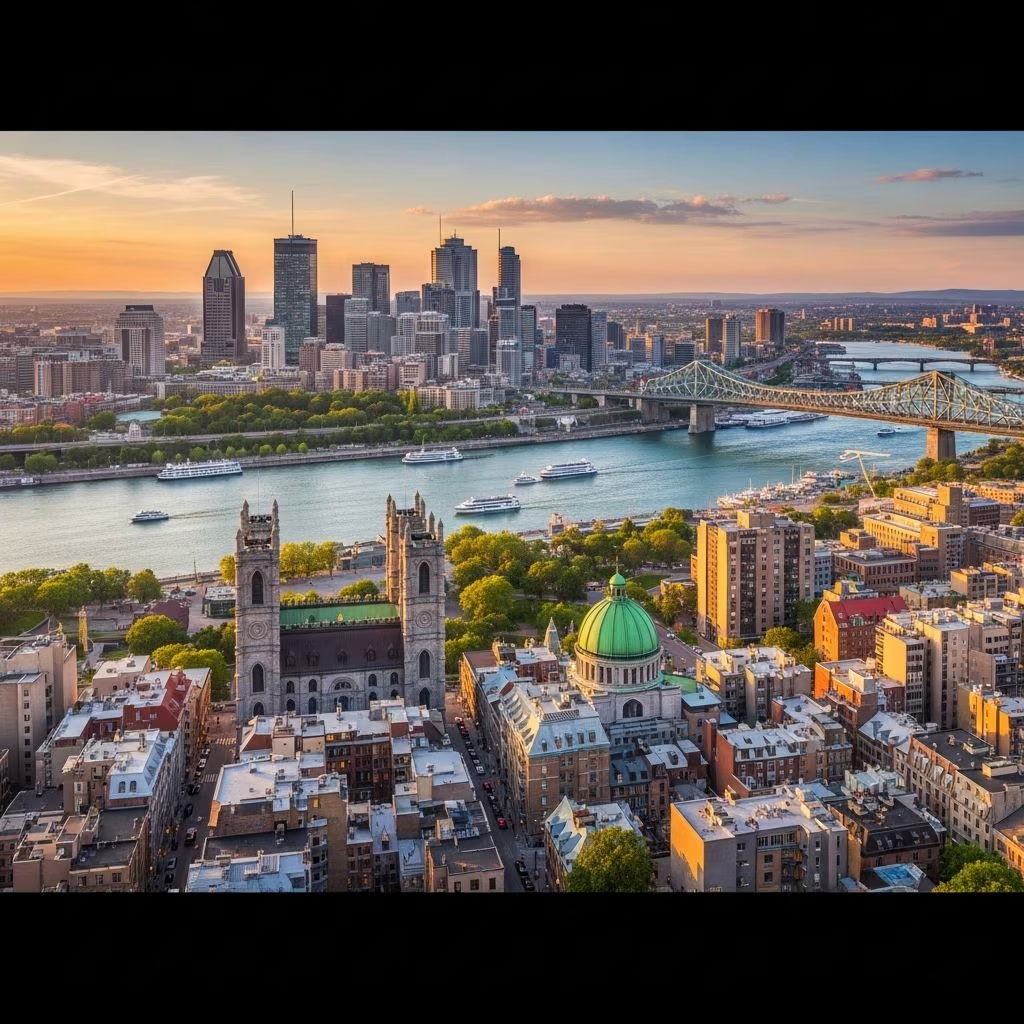
Explore Montreal's diverse neighborhoods, iconic parks, world-class museums, and culinary scenes for an unforgettable Canadian city experience.
 Travel Essentials
Montreal stands as Canada’s most culturally dynamic city, blending European heritage with contemporary creativity. Whether you’re a first-time visitor or returning traveler, the city offers an exceptional mix of architectural treasures, outdoor spaces, artistic venues, and culinary experiences that showcase why it remains one of North America’s most captivating destinations.
Montreal’s character emerges through its neighborhoods, each telling a unique story and offering distinct experiences. Rather than focusing on single attractions, exploring these areas on foot reveals the authentic personality of the city.
The city center radiates outward from historic zones where centuries-old architecture meets modern urban life. Walking through these quarters exposes visitors to the layered history that defines Montreal. Local residents frequent independent boutiques, specialty cafés, and restaurants that anchor each neighborhood’s identity. The street-level experience differs dramatically from tourist guides—you’ll encounter genuine neighborhood life, from morning market visits to evening social gatherings in public squares.
The Latin Quarter presents intellectual energy with university influence, while residential areas showcase Montreal’s multicultural fabric through diverse architectural styles, storefronts in various languages, and community gathering spaces. Tree-lined streets and residential parks provide peaceful counterpoints to busier commercial districts.
Montreal’s relationship with water defines much of its history and contemporary appeal. The waterfront areas offer recreational opportunities alongside historical context. The boardwalk stretches along the St. Lawrence River, providing walking paths, seating areas, and seasonal activities. During warmer months, outdoor concerts and festivals transform the quays into vibrant gathering spaces.
The observation wheel provides panoramic city views, while seasonal attractions include summer ziplines and winter ice skating venues. Maritime history buildings stand restored alongside modern entertainment facilities, creating architectural contrast that illustrates the city’s evolution. Boat tours depart from multiple locations, offering water-level perspectives of the cityscape and surrounding waterways.
The waterfront hosts major cultural institutions including science centers and interactive museums. These venues serve both tourists and local families, offering hands-on exhibits and performances. IMAX theaters showcase nature documentaries and special features on oversized screens. Clock towers and historic structures provide architectural interest while explaining the area’s commercial and transportation heritage.
Rising prominently from the city center, this urban park provides escape from downtown density while remaining accessible by walking paths or public transit. The mountain isn’t a dramatic peak but rather an elevated natural area protected from development since the 19th century. Multiple pathways accommodate different fitness levels, from gentle walking routes to steeper ascents.
The summit area features a visitor pavilion offering orientation to the panoramic views. On clear days, visibility extends across the metropolitan area and beyond. The landscape transforms seasonally—spring brings flowering trees, summer hosts community gatherings and concerts, autumn displays vibrant foliage, and winter converts trails for snowshoeing and sliding activities.
The park serves as the city’s recreational heart, hosting diverse activities throughout the year. Weekend gatherings attract musicians, dancers, and performers who create informal outdoor celebrations. Picnic areas accommodate groups, while designated zones support specific activities. The beaver pond provides natural wildlife viewing opportunities and reflective scenery.
Historic religious architecture provides insight into Montreal’s cultural and spiritual history. The principal basilica features ornate interior design with artistic installations and historic artifacts. Architectural details reveal construction periods and artistic movements. Many visitors experience the space during light and sound performances that enhance appreciation of the interior design.
City Hall and civic buildings illustrate architectural evolution and municipal governance history. The stonework, interior details, and public spaces reflect design principles from different eras. Walking tours often incorporate these structures, explaining their role in urban development and community life.
Montreal’s museum landscape encompasses diverse collections and exhibition approaches. Fine arts museums showcase international and Canadian works across multiple galleries and floors. Specialized museums focus on particular subjects—indigenous cultures, local history, decorative arts, and contemporary expressions. Many institutions occupy historic buildings, making the architecture itself noteworthy.
Archaeological museums provide underground exploration, literally excavating Montreal’s foundational past. Interactive exhibits engage visitors with historical narratives through multiple sensory approaches. Temporary exhibitions complement permanent collections, ensuring repeat visitors discover fresh content.
The city supports theater, dance, music, and performance art across venues ranging from intimate galleries to large concert halls. Festival seasons bring street performances, outdoor concerts, and community celebrations. Many performances showcase local artists alongside international talent, creating diverse programming throughout the year.
Montreal’s integrated nature experience encompasses multiple venues focused on environmental education and natural observation. The botanical gardens display plant collections organized by climate zones and plant families, offering horticultural knowledge and aesthetic beauty. Specialized gardens—Japanese gardens, rose gardens, medicinal plant collections—provide focused botanical experiences.
The insectarium houses extensive living insect collections with observation areas and educational displays. Visitors walk through enclosed vivarium spaces where they can observe natural behaviors in recreated habitats. The living colonies—ant farms, beehives, butterfly gardens—demonstrate insect social organization.
The biodome recreates different ecosystem environments within controlled spaces, allowing year-round observation of animals adapted to various climates. Aquarium sections display aquatic life while forest simulations showcase woodland species. The planetarium offers astronomical programming and dome theater experiences that create immersive educational entertainment.
These venues work collectively to promote environmental awareness and nature appreciation. Educational programming targets different age groups, from children’s activities to adult lectures. Seasonal programming aligns with natural phenomena—spring migration, autumn changes, winter survival strategies.
Montreal’s food scene reflects diverse cultural communities and culinary traditions. Markets offer fresh produce, specialty ingredients, prepared foods, and artisanal products. Shopping in traditional markets provides cultural immersion and opportunities to discover regional specialties and international ingredients unavailable elsewhere.
Different neighborhoods concentrate restaurant scenes, each offering distinct cuisines and dining experiences. Fine dining establishments showcase refined techniques and carefully curated menus, while casual neighborhood restaurants serve community regulars daily specials and comfort foods. Street food vendors and food trucks provide quick, affordable options.
| Season | Weather Conditions | Activities | Visitor Volume |
|---|---|---|---|
| Spring (April-May) | Mild, Variable | Outdoor walks, parks reopening | Moderate |
| Summer (June-August) | Warm, Occasional Rain | Festivals, Outdoor concerts, Waterfront | High |
| Fall (September-October) | Cool, Clear Days | Mountain views, Park walks | Moderate-High |
| Winter (November-March) | Cold, Snow | Winter sports, Indoor attractions | Moderate |
Public transit connects major attractions efficiently, with bus routes and metro lines serving most neighborhoods. Walking remains viable in central areas, with pedestrian-friendly streets and parks. Bike sharing programs provide alternative transportation for exploring residential areas and riverside paths. Ride-sharing services supplement traditional transit.
Summer offers festivals, outdoor activities, and comfortable temperatures, but attracts largest crowds. Spring and fall provide pleasant weather with moderate visitor numbers. Winter enables winter activities but requires cold-weather preparation.
Three to four days allows exploration of major attractions and neighborhoods. Two days covers essential highlights. Week-long visits enable deeper neighborhood exploration and less-known attractions.
Central areas are highly walkable with connected neighborhoods. Comfortable walking shoes essential. Transit supplements walking for longer distances or steep climbs.
French is the official language, but English is widely spoken in tourist areas and businesses. Learning basic French phrases shows respect and enhances local interactions.
Montreal’s museums offer world-class collections and diverse programming. Quality exhibitions and interactive displays provide substantial cultural value.
Balancing major attractions with neighborhood exploration reveals Montreal’s full character. Dedicate time to wandering residential streets, visiting local cafés, and shopping in community markets. Attend performances and festivals when available. Engage with local residents who provide insider recommendations and authentic perspectives. Use transit efficiently to cover distance while maximizing observation time. Plan indoor activities for winter visits and outdoor focus during warmer months.
Montreal rewards both structured itineraries and spontaneous exploration. The combination of architectural heritage, cultural institutions, natural spaces, and culinary excellence creates memorable experiences for diverse visitor interests and preferences.
