

 Travel Essentials
 Travel Essentials

Comprehensive guide to Mumbai's top attractions including historic monuments, museums, temples, beaches, and cultural destinations for travelers.
 Travel Essentials
Mumbai, India’s largest metropolitan center and financial hub, pulsates with an energy that captivates visitors from around the globe. This sprawling coastal city seamlessly blends colonial heritage with contemporary urban culture, offering travelers an extraordinary array of experiences. From iconic architectural landmarks steeped in history to vibrant local bazaars teeming with activity, Mumbai presents countless opportunities for exploration and discovery. Whether you’re seeking spiritual enlightenment, cultural immersion, or leisurely waterfront strolls, this dynamic metropolis delivers unforgettable memories at every turn.
Mumbai’s skyline and streets tell the story of centuries past through remarkable structures that have witnessed the city’s transformation. The city’s architectural heritage reflects its significance as a major colonial port and modern commercial center.
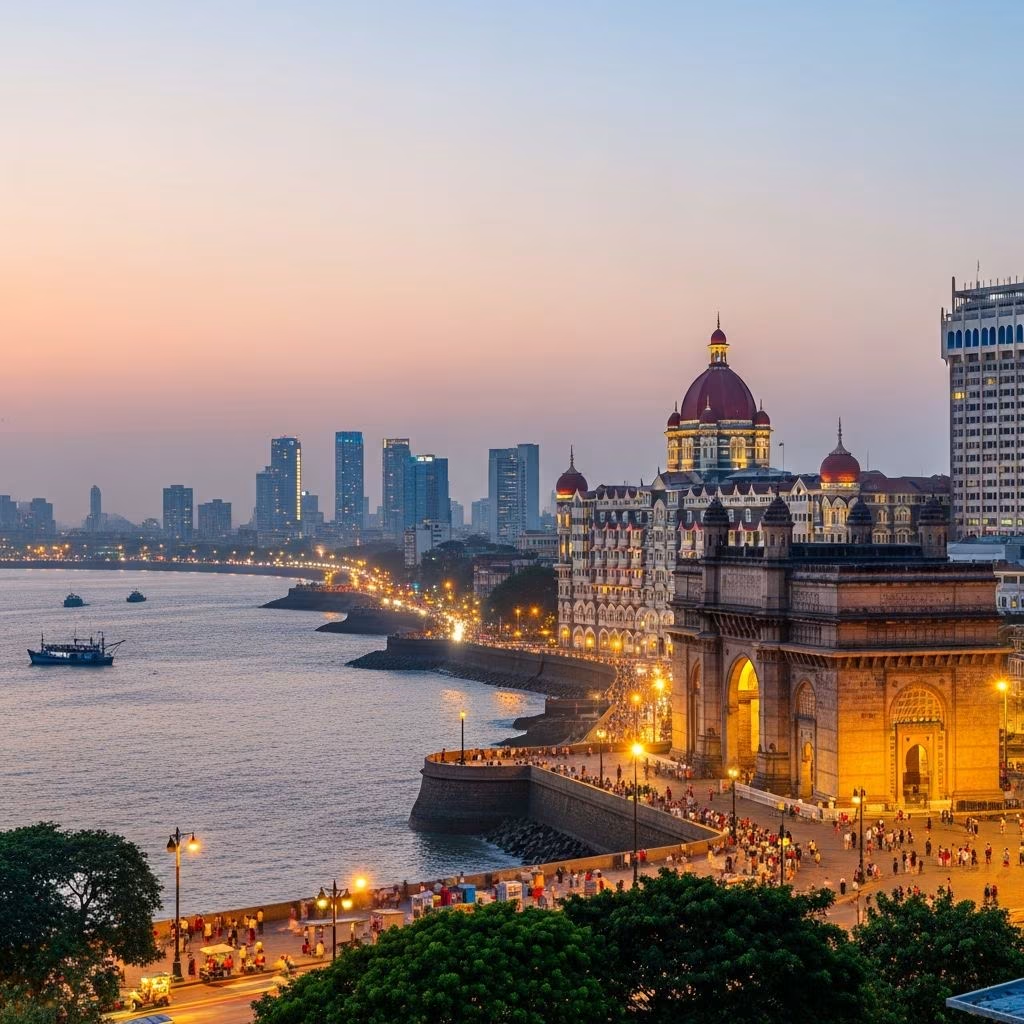
Standing majestically at the harbor’s edge, the Gateway of India commands attention with its imposing Edwardian Gothic architecture. Constructed in 1924, this monumental archway was originally conceived to commemorate a royal visit that occurred years earlier. Over time, the structure has evolved in meaning, transforming from a symbol of colonial dominance into a powerful representation of national independence and pride. Today, locals and visitors alike gather at this emblematic site, making it one of the city’s most photographed locations. The surrounding promenade buzzes with activity, from street vendors selling refreshments to families enjoying the Arabian Sea breezes.
The Chhatrapati Shivaji Terminus, formerly known as Victoria Terminus, stands as an architectural masterpiece that seamlessly merges Victorian design with traditional Indian elements. This UNESCO World Heritage site showcases intricate stonework, soaring turrets, and ornamental details that demonstrate exceptional craftsmanship. The terminal remains a functioning railway hub, creating a fascinating juxtaposition of modern transportation with historical grandeur. Visitors can admire the building’s exterior, observe the constant flow of commuters, and appreciate how this structure has served generations of travelers.
Beyond Mumbai’s urban landscape lie sacred locations that offer glimpses into India’s rich spiritual traditions and artistic heritage spanning centuries.
Located across the harbor, Elephanta Island houses an extraordinary collection of rock-cut temple caves dating back over a millennium. Colorful ferries transport visitors from the Gateway of India across the shimmering waters to this UNESCO World Heritage site. The island’s primary attraction comprises multiple cave sanctuaries, with the largest dedicated to Lord Shiva and featuring a magnificent 6-meter tall sculptural representation. These ancient chambers display sophisticated stone carving techniques, with walls adorned with intricate reliefs depicting Hindu deities and mythological narratives. The caves’ dark corridors, cool stone chambers, and echoing spaces create a profoundly meditative atmosphere. Small museums on the island provide helpful context through informational displays explaining the caves’ historical significance and religious importance.
The Kanheri Caves represent a different spiritual tradition, dating back to the first century and serving as a monastic retreat where Buddhist scholars and practitioners once lived and meditated. This extensive cave complex contains numerous chambers carved from living rock, decorated with paintings and sculptures reflecting Buddhist artistic traditions. The caves’ interior passages, meditation halls, and prayer chambers offer insight into monastic life in ancient times. Visitors can wander through the labyrinthine passages, examining the deteriorating frescoes and stone carvings that hint at this site’s former spiritual vitality.
Mumbai’s institutions dedicated to arts, history, and culture provide comprehensive perspectives on Indian heritage and contemporary creativity.
The Chhatrapati Shivaji Maharaj Vastu Sangrahalaya, Mumbai’s most extensive museum, houses an astonishing collection spanning centuries of Indian artistic and cultural expression. The museum’s galleries display everything from monumental sculptures to delicate decorative objects, offering visual narratives of India’s diverse traditions. Designated a UNESCO World Heritage site for both its building architecture and collections, this institution regularly features international touring exhibitions alongside its permanent displays. The museum’s Victorian and Art Deco structure itself merits appreciation, representing the architectural confidence of its construction period.
The nearby Jehangir Art Gallery showcases contemporary artistic practices and emerging talent through rotating exhibitions. The National Gallery of Modern Art presents twentieth-century Indian works reflecting the nation’s cultural evolution. The Dr. Bhau Daji Lad Mumbai City Museum focuses specifically on the city’s local history and development. Together, these institutions create a cultural corridor where visitors can explore multiple dimensions of artistic and historical expression within walking distance.
Despite its urban density, Mumbai offers verdant sanctuaries and waterfront promenades where residents and visitors find respite and recreation.
The Hanging Gardens, perched atop Malabar Hill, present a meticulously maintained expanse featuring elaborate topiary installations carved into animal forms and abstract patterns. The gardens’ elevated location provides expansive vistas across the Arabian Sea and cityscape, making sunset visits particularly popular. The carefully landscaped pathways wind through flowering displays and sculptured vegetation, creating photo opportunities at every turn. Families frequent this accessible sanctuary for leisurely walks, quiet contemplation, and scenic appreciation.
Marine Drive stretches along the coastline, offering a picturesque promenade where thousands congregate during evening hours. This crescent-shaped roadway, lined with historic architecture and modern developments, provides opportunities for leisurely walks, street food sampling, and sunset observation. The energy shifts throughout the day, from quiet mornings to vibrant evenings when the area transforms into a social hub.
Mumbai’s bazaars pulse with authentic local commerce, offering sensory immersion and authentic cultural encounters.
The Sassoon Docks, established over a century ago, remains Mumbai’s oldest and largest wholesale fish market. Arriving before dawn rewards visitors with an extraordinary spectacle: the Koli fishing community, the city’s original inhabitants, sorting and unloading the night’s catch amid animated commerce and pungent aromas. The colorful traditional attire of workers contrasts against weathered warehouse walls now decorated with vibrant murals created by the St+art Foundation. This sensory-rich experience connects visitors directly to Mumbai’s maritime heritage and working-class economy.
Crawford Market presents a chaotic cornucopia of fresh produce, spices, and prepared foods in an architectural structure dating to the nineteenth century. Colaba Causeway functions as a street market where vendors hawk everything from clothing and handicrafts to souvenirs and vintage items. Chor Bazaar, the “thief’s market,” specializes in antiques, vintage goods, and collectibles. Each marketplace offers distinct merchandise, atmospheres, and cultural glimpses into Mumbai’s commercial life.
Mumbai’s spiritual landscape encompasses multiple religious traditions reflected in its diverse temples, mosques, and shrines.
The Siddhivinayak Temple draws devotees seeking blessings from Lord Ganesha, the remover of obstacles, in an active sanctuary where religious practice remains vibrant. The Mahalakshmi Temple, dedicated to the goddess of prosperity, overlooks the waterfront with historic significance. The Haji Ali Dargah, an Islamic shrine built on a small island, represents the city’s Muslim heritage and remains an important pilgrimage site accessible via a causeway.
Modern Mumbai offers entertainment and leisure facilities reflecting its status as a contemporary metropolitan center.
Mumbai Film City provides glimpses into Bollywood’s operations, offering guided tours through sound stages, back lots, and production facilities where India’s most prolific film industry creates entertainment for global audiences. The facility represents the city’s prominence in Indian popular culture.
Juhu Beach attracts crowds for swimming, street food, and evening social gatherings. Powai Lake offers a more serene natural setting within the urban environment. The Global Vipassana Pagoda stands as a modern spiritual structure dedicated to meditation practice, featuring distinctive dome architecture visible from considerable distances.
Mumbai’s extensive public transportation network, including trains, buses, and ferries, connects major attractions. Local ferries from the Gateway of India provide scenic approaches to Elephanta Island. Hiring private guides enhances understanding of historical contexts and cultural significance. Most attractions remain accessible year-round, though the monsoon season (June through September) affects outdoor locations.
First-time visitors should prioritize the Gateway of India, Elephanta Island caves, Chhatrapati Shivaji Maharaj Vastu Sangrahalaya, and Marine Drive walks. These core attractions provide representative experiences of the city’s historical, spiritual, and contemporary dimensions.
Three to four days allows adequate time for major attractions. Shorter visits should focus on the Gateway of India area, a museum visit, and a ferry excursion to Elephanta Island. Extended stays permit deeper exploration of neighborhood-specific markets, lesser-known temples, and cultural institutions.
Many outdoor attractions like the Gateway of India and waterfront areas offer free access. Museums and caves charge modest admission fees. Guided tours and ferry services involve separate costs. Budget considerations should account for these various expenditures.
Mumbai’s railway system and bus networks efficiently serve tourists visiting major attractions. Ferries operate regularly between the mainland and Elephanta Island. Ride-sharing services provide alternative transportation options throughout the city.
Mumbai presents an intoxicating blend of historical grandeur, spiritual depth, cultural richness, and contemporary dynamism. Whether exploring ancient cave temples, admiring colonial architecture, navigating vibrant bazaars, or strolling moonlit waterfronts, visitors encounter endless facets of Indian civilization and urban energy. The city’s attractions accommodate diverse interests and travel styles, ensuring meaningful experiences for all explorers. Each neighborhood, marketplace, temple, and waterfront promenade contributes unique textures to the complete Mumbai experience, creating memories that resonate long after departure from this extraordinary metropolis.
