Northwestern France’s Normandy region stands as one of Europe’s most historically significant and visually stunning destinations. The landscape combines dramatic coastlines featuring the famous white limestone cliffs with verdant countryside dotted by charming villages and significant historical monuments. Visitors encounter a compelling blend of medieval architecture, World War II heritage sites, artistic inspiration, and world-class cuisine that has attracted travelers for generations.
The Legendary Mont-Saint-Michel: A Medieval Marvel
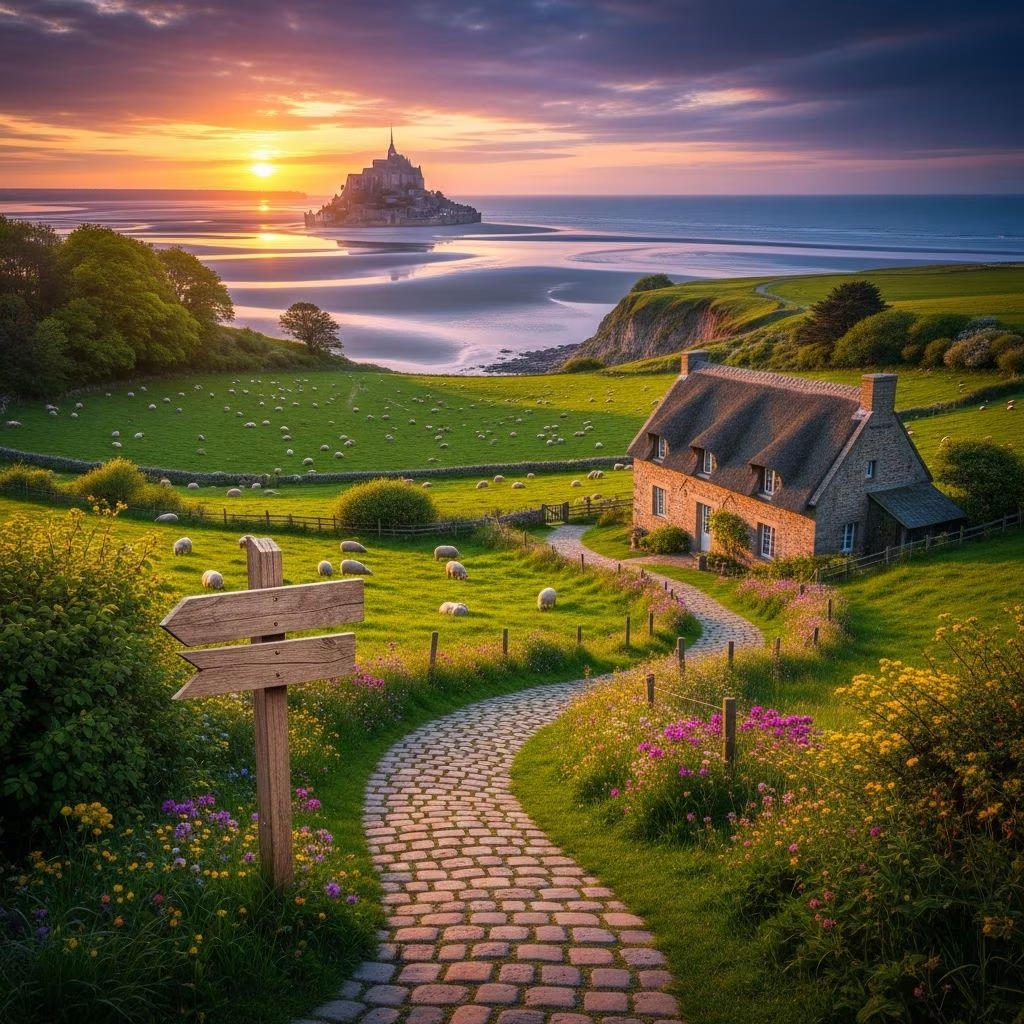
Rising majestically from a rocky tidal island, Mont-Saint-Michel commands attention as one of France’s most recognizable landmarks. This UNESCO World Heritage Site features a medieval monastery that has stood since the eighth century, drawing millions of visitors annually from around the globe. The dramatic positioning of the structure on elevated cliffs creates a breathtaking visual spectacle, particularly during sunset hours when golden light bathes the monastery walls.
Accessing the island involves crossing a modern bridge that connects the mainland to the tidal formation. A shuttle bus system operates regularly from the parking area, transporting visitors across the estuary in approximately twelve minutes. Once on the island, visitors navigate narrow stone pathways leading upward through medieval streets lined with shops and restaurants, ultimately reaching the abbey at the summit.
The interior spaces of the abbey represent some of the most beautiful architectural elements on the island. Ticket purchases grant access to the monastery’s interior chambers, cloisters, and viewing platforms. Strong tidal currents characterize the surrounding waters, creating an almost surreal landscape when high tide completely submerges the previously dry seafloor.
Artistic Inspiration at Giverny’s Gardens
The village of Giverny, easily accessible via day trip from Paris, houses Claude Monet’s former residence and gardens—spaces that profoundly influenced Impressionist art movements. The property underwent careful restoration following severe World War II damage, returning the gardens to their former glory.
The estate comprises multiple distinct garden areas. The Clos Normand features the artist’s two-story house overlooking flower beds planted with vibrant blooms throughout the seasons. The water lily gardens, which inspired many of Monet’s most celebrated paintings, create a serene atmosphere with their Japanese-influenced bridge and aquatic plantings.
Seasonal variations dramatically affect the garden’s appearance and aesthetic appeal. During springtime months, visitors encounter tulips, forget-me-nots, and daffodils in full bloom. May brings pink rhododendrons and violet wisteria throughout the property. Summer visits reward those seeking abundant rose displays. The village also contains the Église Sainte-Radegonde church and Monet’s modest grave in the adjoining cemetery.
Bayeux’s Historical Treasures and Medieval Architecture
The historic town of Bayeux preserves significant medieval heritage through its well-maintained architecture and important cultural institutions. The cathedral represents a magnificent Gothic structure that many consider the town’s most important architectural landmark. The atmospheric crypts within the cathedral create particularly evocative spaces, especially when viewed in evening light.
The Musée de la Tapisserie de Bayeux houses the eleventh-century Bayeux Tapestry—an extraordinary embroidered historical narrative spanning 70 meters. Visitors progress slowly along viewing areas while listening to audio guides, observing intricate stitchwork depicting scenes from the Norman Conquest with remarkable detail. Photography is not permitted within the museum, encouraging focused observation of the textile’s artistry.
Additional attractions include the Bayeux Botanical Garden, freely accessible to visitors and featuring 400 trees alongside a natural monument known as the weeping beech. This peaceful setting provides respite from exploring the town’s architectural and cultural sites.
Honfleur: Coastal Charm and Artistic Heritage
The picturesque seaside town of Honfleur captivates visitors with its charming old port area surrounded by colorful buildings reflected in calm waters. The town’s artistic legacy connects directly to nineteenth-century painters including Claude Monet and Eugène Boudin, whose works celebrated the coastal landscape.
Exploration of Honfleur extends beyond the touristy waterfront areas through pathways leading toward the beach via the Jardine des Personalites, a park displaying stone busts of various historical personalities. Medieval religious structures including Saint Catherine’s Church and Notre Dame de Grace merit visits for their architectural significance.
The Eugène Boudin Museum provides deeper understanding of the famous painter’s connection to Impressionism and his influence on Monet’s artistic development. For visitors seeking authentic experiences beyond typical tourist destinations, exploring Honfleur with local guides reveals hidden restaurants and lesser-known cultural spaces.
D-Day Historical Sites and War Memorials
Normandy’s beaches hold profound significance as the landing sites for Operation Overlord during World War II. Multiple preserved sites commemorate the invasion and its human costs through museums, monuments, and memorials scattered across the coastline.
The Caen Memorial Museum serves as a comprehensive resource for understanding the invasion’s historical context and consequences. The museum combines multimedia presentations, historical artifacts, and archival materials presenting diverse perspectives on the conflict.
Arromanches-les-Bains retains its original artificial harbor structures created for the invasion supply effort. These concrete remnants, known as Mulberry Harbors, remain visible in the shallow waters as testament to the engineering ingenuity employed during the operation. The town also features museums dedicated specifically to the invasion’s logistical operations.
Utah Beach and Omaha Beach preserve their landscape features and interpretive signage explaining the invasion’s tactical elements. The Normandy American Cemetery honors the thousands of American soldiers who died during the campaign, situated on bluff overlooks commanding views of the invasion coastline.
Rouen: Medieval City and Historical Drama
The ancient city of Rouen combines significant medieval architecture with dramatic historical events that shaped European history. The city maintains the site where Joan of Arc was executed, a location that draws pilgrims and history enthusiasts seeking connection to this pivotal moment.
Rouen’s cathedral represents impressive Gothic architecture, while unusual attractions add depth to the visitor experience. King Richard’s mummified heart remains preserved within the cathedral, representing an extraordinary historical artifact. Exploring Rouen involves discovering atmospheric medieval streets, sampling French cuisine, and visiting coffee establishments throughout the old town.
The Alabaster Coast and Dramatic Seascapes
The Alabaster Coast stretches along Normandy’s northern shoreline, featuring spectacular white limestone cliffs that rise dramatically from coastal waters. Étretat serves as the most famous location along this coast, offering stunning clifftop walking paths with panoramic views of distinctive rock formations.
Two major viewpoints frame Étretat’s beach: La Falaise d’Amont on the right features a small church perched above the seafront, while the second viewpoint on the left overlooks an iconic natural rock archway. The clifftop walks provide remarkable vistas and photographic opportunities regardless of season.
Culinary Traditions and Agricultural Routes
Normandy’s gastronomic heritage represents one of France’s most celebrated regional food traditions. The Route du Cidre, a four-mile circuit through the countryside, guides visitors to cider producers throughout the region. Along this route, travelers learn about cider and Calvados production while encountering farm shops selling renowned Normandy cheeses including Camembert, Livarot, Pont-l’Évêque, and Neufchâtel.
The region’s combination of fresh seafood, artisanal cheeses, and distinctive alcoholic beverages reflects centuries of agricultural and culinary development. Visitors experience these traditions through tastings at family-run establishments, market visits in historic town centers, and meals at traditional restaurants throughout the region.
Château Gaillard and Historical Fortifications
Located in the commune of Les Andelys along the Seine River, Château Gaillard stands as an imposing medieval fortress overlooking picturesque river scenery. Richard the Lion-Heart, King of England and Duke of Normandy, reportedly constructed this castle in merely two years, demonstrating significant engineering capability.
The surrounding landscape provides exceptional natural beauty, with tree-lined riverbanks and chalk cliffs creating dramatic backdrops. The town itself served as the birthplace of classical French Baroque painter Nicolas Poussin, adding cultural significance beyond the castle’s architectural importance.
Practical Visitor Information
Seasonal Considerations: Spring offers optimal conditions for visiting Giverny’s gardens when flower displays reach their peak. Summer accommodates those preferring warm weather and fuller tourist seasons. Autumn provides pleasant temperatures and fewer crowds at major attractions. Winter brings quieter periods though some attractions maintain reduced hours.
Transportation: Normandy’s major towns connect via regional rail services from Paris. Driving enables flexible exploration of smaller villages and coastal routes. Shuttle services connect Mont-Saint-Michel’s parking areas to the island.
Accommodation: Towns throughout the region offer various lodging options from luxury hotels to modest bed-and-breakfasts. Booking in advance during peak seasons ensures availability at preferred locations.
Frequently Asked Questions
- When is the best time to visit Normandy? Spring and early autumn offer ideal weather and manageable visitor numbers. Summer provides warm temperatures but brings larger crowds to popular sites.
- How long should visitors spend in Normandy? Three to five days allows exploration of major attractions including Mont-Saint-Michel, Giverny, Bayeux, and D-Day sites without excessive rushing.
- Is Mont-Saint-Michel accessible year-round? The island remains accessible throughout the year, though winter weather may affect accessibility and viewing conditions.
- Can Giverny gardens be visited in winter? While the gardens maintain reduced plantings during winter months, the property remains open for visitors seeking quieter experiences.
- Are guided tours recommended for D-Day sites? Professional guides provide valuable historical context and interpretation for D-Day beaches and museums, enhancing understanding of these significant locations.
References
- 10 Unforgettable Things to Do in Normandy, France — MapTrotting. Accessed April 2026. https://www.maptrotting.com/things-to-do-in-normandy-france/
- THE 15 BEST Things to Do in Normandy (2026) — TripAdvisor. Accessed April 2026. https://www.tripadvisor.com/Attractions-g187179-Activities-Normandy.html
- 14 Unforgettable Sights in Normandy – France — Rucksack.se. Accessed April 2026. https://www.rucksack.se/en/sevardheter-i-normandie-frankrike/
- 5 Wonderful Places To Visit In Normandy, France — Wander Somewhere. Accessed April 2026. https://www.wandersomewhere.com/fra/best-places-normandy
- Normandy’s Unmissable Sites — Normandy Tourism, France. Accessed April 2026. https://en.normandie-tourisme.fr/unmissable-sites/
- Top 10 Places To Visit in Normandy – Travel Guide — YouTube. Accessed April 2026. https://www.youtube.com/watch?v=GLhRgjPYRh4
- 7 of the Best D-Day Sites to Visit in Normandy If You Have Just 1 Day — Destination WWII. Accessed April 2026. https://destinationwwii.com/best-d-day-sites-to-visit-in-normandy/