

 Travel Essentials
 Travel Essentials

A comprehensive guide to Oaxaca's top attractions including archaeological sites, natural formations, traditional crafts, and authentic cultural experiences.
 Travel Essentials
Oaxaca represents one of Mexico’s most culturally rich and geographically diverse regions, offering visitors an extraordinary blend of pre-Hispanic heritage, indigenous traditions, natural wonders, and vibrant urban experiences. Located in southern Mexico, this state encompasses everything from cloud-covered mountain ranges to Pacific coastal areas, ancient archaeological complexes to bustling colonial city streets. Whether you’re an adventure seeker, cultural enthusiast, history buff, or nature lover, Oaxaca delivers memorable experiences that capture the authentic essence of Mexico’s diverse heritage.
The capital city of Oaxaca de Juárez serves as the primary entry point for most visitors and contains numerous attractions worth exploring on foot. The city’s layout makes it relatively easy to navigate, with several key landmarks concentrated within walkable distances of one another.
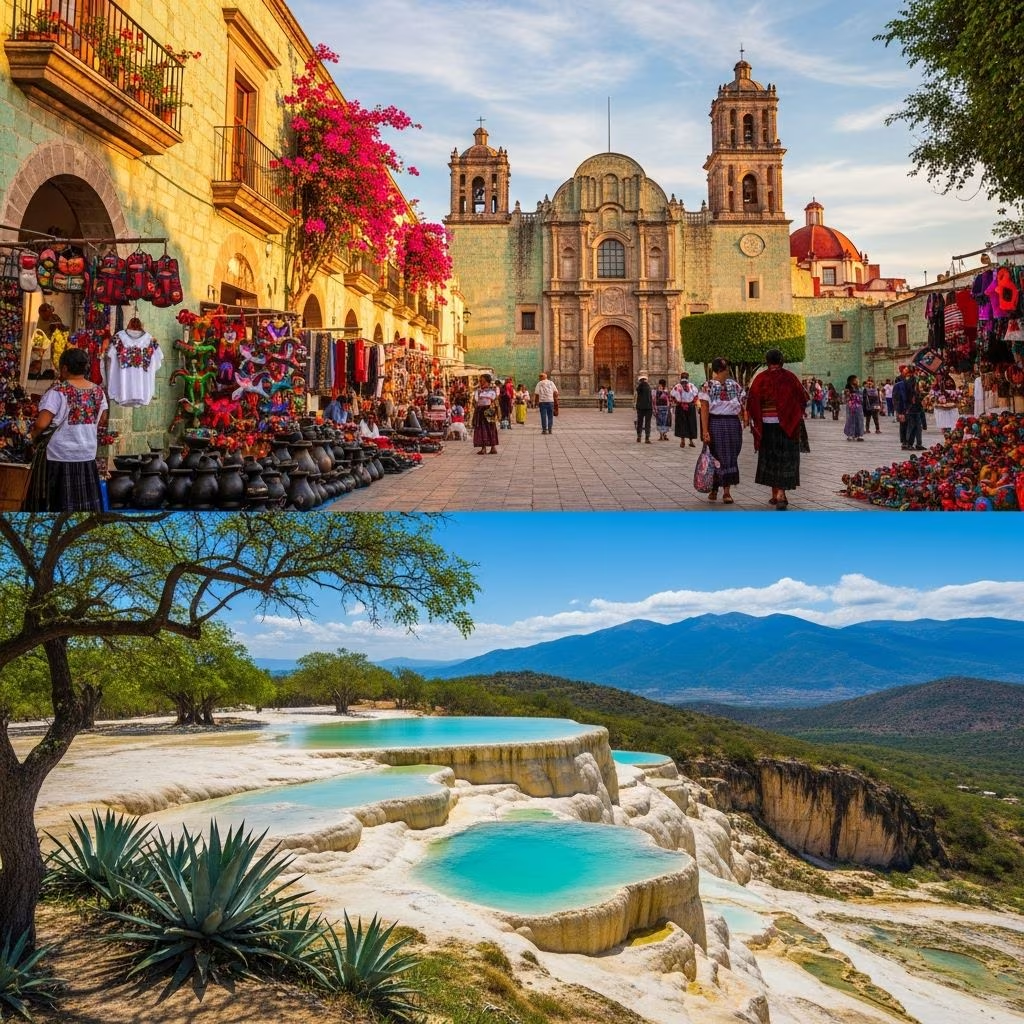
At the city’s core lies the Zócalo, a vibrant central square that functions as the beating heart of Oaxaca City. This expansive plaza serves as a gathering place for both locals and tourists, particularly during evening hours when the atmosphere becomes particularly lively. The Zócalo features tree-lined pathways, street vendors selling regional specialties, and informal performance spaces where you may encounter traditional music or cultural presentations. The square encapsulates local daily life, where families congregate, teenagers socialize, and balloon vendors work among the crowds. Many travelers spend hours simply observing the rhythm of city life unfold naturally around them.
Connecting the Zócalo to other major attractions is a well-established tourist corridor lined with shops, galleries, restaurants, and cafes. This walking route passes through neighborhoods filled with colonial architecture, street art, and local businesses. The journey from one landmark to another becomes an attraction in itself, offering numerous opportunities to discover hidden plazas, independent shops, and informal dining establishments.
The Templo de Santo Domingo de Guzmán stands as one of Oaxaca’s most photographed structures and represents a masterpiece of colonial religious architecture. This impressive church features distinctive soft stone exterior walls, but the interior reveals intricate gold leaf patterns and ornate decorative elements that demonstrate the wealth and influence the Spanish colonial church commanded. Located adjacent to the temple is the Museo de las Culturas (Museum of Cultures), which presents comprehensive exhibitions spanning from pre-Hispanic times through the present day. The museum’s collections highlight the diverse indigenous communities that populated the Oaxaca region historically and continue to maintain cultural traditions today. A particularly notable exhibition features artifacts from Tomb 7 at Monte Albán, including gold, silver, and gemstone treasures that showcase the artistic sophistication of ancient Zapotec civilization.
Monte Albán represents the most significant and visited archaeological site in Oaxaca State, earning recognition as a UNESCO World Heritage Site alongside the city of Oaxaca itself. This pre-Colombian Zapotec center dates back to approximately 500 BC and continued occupation until around AD 500-700 when Spanish settlement altered the region’s trajectory. The site’s dramatic hilltop location provides commanding views across the surrounding mountain ranges and the valley below, creating a visually spectacular setting that amplifies the experience of exploring ancient ruins.
The archaeological complex encompasses numerous structures including an impressive central plaza, truncated pyramids, a ball court, and over 170 tombs scattered throughout the site. Among the most enigmatic features are Los Danzantes, carved stone slabs depicting contorting human figures. While their name suggests they represent dancers frozen in motion, modern archaeological interpretation increasingly suggests these carvings may depict prisoners shown during torture or ritualistic punishment, reflecting the complex and often brutal nature of pre-Columbian societies.
Visiting Monte Albán early in the morning offers substantial advantages, as the site provides minimal shade and afternoon heat becomes intense. Arriving at opening time also allows visitors to explore with fewer crowds, creating a more contemplative and immersive experience among the ancient structures.
The Mitla archaeological site offers a complementary experience to Monte Albán, distinguished by its unique artistic style and reduced visitor crowds. Located in the magical pueblo of Mitla, this site showcases carvings with distinctive geometric patterns reminiscent of ancient Greek pottery in their visual appearance. The smaller scale and less touristy atmosphere make Mitla appealing for visitors seeking a more intimate archaeological experience. The surrounding pueblo magico designation means visitors can combine archaeological exploration with wandering charming colonial streets, local shops, and regional restaurants.
Hierve el Agua represents one of the world’s only two petrified waterfalls and stands as an absolute must-see natural phenomenon in Oaxaca. This geological marvel consists of massive travertine formations created over centuries as mineral-rich springwater cascaded down mountainsides, leaving calcium deposits that eventually solidified into permanent rock formations resembling frozen waterfalls. The site features multiple mineral pools where visitors can swim in naturally heated, therapeutic waters while surrounded by surreal limestone landscapes.
Accessing Hierve el Agua involves a scenic 1.6-mile loop hiking trail that winds through the formations, offering multiple vantage points of this unusual landscape. The drive from Oaxaca City is relatively straightforward for those with personal transportation, though the final miles transition to unpaved roads passable in regular vehicles under dry conditions. Cash tolls apply for access roads. This outdoor experience combines natural beauty, physical activity, and the opportunity to understand unique geological processes.
The village of Teotitlán del Valle represents the living heart of Oaxaca’s textile traditions, where dozens of families perpetuate centuries-old weaving techniques passed through generations. Visitors can observe weavers working at traditional wooden looms, demonstrating the intricate manual processes required to create handwoven rugs, blankets, napkins, table runners, and decorative textiles. Artisans explain their natural dye-making methods, which utilize plants and minerals in the same manner their ancestors employed for generations. Direct purchase from weavers supports community livelihoods and ensures fair compensation for extraordinary craftsmanship. The textiles showcase sophisticated patterns reflecting indigenous artistic traditions and cultural symbolism.
Santiago Matatlan, despite its small population, functions as the mezcal capital of Mexico, hosting over 100 mezcal distilleries. This extraordinary concentration represents the world’s largest collection of mezcal producers in any single location. Visitors can tour distilleries, observe traditional production methods involving roasted agave hearts and copper stills, taste multiple mezcal varieties, and understand the complex flavor profiles that distinguish different producers. The experience reveals how this spirit reflects regional terroir, production techniques, and cultural identity.
Oaxaca’s markets represent essential destinations for experiencing local food culture and regional specialties. These vibrant spaces overflow with fresh produce, indigenous herbs, regional cheeses, and prepared food stalls offering traditional dishes. Market exploration provides authentic cultural immersion while offering opportunities to sample moles—complex sauces representing one of Mexico’s greatest culinary achievements—and other regional specialties that showcase Oaxaca’s sophisticated gastronomic heritage.
The Ethnobotanical Garden (Jardín Etnobotánico) functions as a living museum displaying an impressive collection of desert plants native to the Oaxaca region. Located conveniently behind the Museum of Cultures, this garden can be observed from inside the museum itself. The carefully curated collection provides photogenic opportunities while educating visitors about regional flora and plant-based traditions of indigenous communities. The garden represents relatively quick visit that combines effectively with nearby cultural attractions.
| Attraction | Primary Appeal | Distance from City | Duration |
|---|---|---|---|
| Monte Albán | Archaeological significance, mountain views | Near | 2-3 hours |
| Hierve el Agua | Natural formations, swimming pools | Regional | Full day |
| Teotitlán del Valle | Traditional weaving demonstrations | Regional | 2-3 hours |
| Mitla | Unique carvings, pueblo exploration | Regional | 2-3 hours |
| Santiago Matatlan | Mezcal distillery tours and tastings | Regional | 3-4 hours |
| Templo Santo Domingo | Colonial architecture, religious art | City center | 1-2 hours |
The Temazcal experience represents an authentic engagement with indigenous Zapotec wellness traditions. This traditional sweat lodge practice reflects pre-Hispanic health and spiritual practices that communities continue maintaining today. Respectfully participating in this experience with knowledgeable guides provides insight into indigenous approaches to physical and spiritual wellness that predate European contact by centuries.
The Sierra Norte mountains surrounding Oaxaca City offer breathtaking scenery and opportunities for exploration beyond the main urban center. Communities like Ixtlán de Juárez feature constructed miradores (scenic overlooks) offering panoramic mountain vistas. These highland areas represent authentic villages where indigenous traditions remain integrated into daily life, and specialized tour operators provide guided experiences with indigenous guides who interpret local culture and environment.
Oaxaca’s climate varies by elevation and proximity to the coast. The dry season from November through April offers the most comfortable temperatures and reliable weather, making it ideal for most visitors. This period also encompasses the Guelaguetza festival in July, which celebrates indigenous culture through music, dance, and traditional ceremonies.
Arriving early at sites like Monte Albán provides advantages including smaller crowds and lower temperatures. Bringing substantial water, sun protection, and appropriate footwear enhances comfort and safety. Hiring local guides provides archaeological context and supports community members who depend on tourism revenue.
While personal transportation offers flexibility for accessing regional attractions, organized day tours from Oaxaca City provide convenient alternatives for those without vehicles. Many tours combine multiple sites including Hierve el Agua, Mitla, archaeological zones, and artisan communities into comprehensive experiences.
Oaxaca represents the home of numerous indigenous communities maintaining active cultural traditions. Respectful behavior in communities, photographing with permission, purchasing directly from artisans when possible, and engaging authentically with cultural experiences demonstrates appropriate visitor conduct. Learning basic Spanish phrases facilitates meaningful interactions with local residents.
Oaxaca rewards both structured itineraries and spontaneous exploration. The region’s compact geography allows combining city-based activities with day trips to archaeological sites, natural attractions, and artisan communities. Most visitors benefit from allocating at least four to five days to experience the primary attractions while maintaining a relaxed pace that allows cultural immersion and spontaneous discoveries. Whether focusing on archaeology, nature, indigenous crafts, culinary experiences, or some combination thereof, Oaxaca consistently delivers profound and memorable encounters with Mexico’s rich cultural heritage and spectacular natural environment.
