

 Travel Essentials
 Travel Essentials

A comprehensive guide to experiencing the best of Oaxaca including cultural sites, culinary traditions, markets, and authentic local experiences for travelers.
 Travel Essentials
Oaxaca represents one of Mexico’s most culturally rich and historically significant destinations, drawing travelers from around the world who seek authentic experiences beyond typical tourist attractions. This southern Mexican state captivates visitors with its distinctive blend of indigenous heritage, culinary excellence, and artistic traditions that have been preserved and celebrated for centuries. Whether you’re planning your first visit or returning to deepen your connection with this remarkable region, understanding what makes Oaxaca special requires exploring its various dimensions—from the bustling energy of its markets to the tranquil beauty of its natural wonders.
At the center of Oaxaca City lies the Zócalo, a sprawling plaza that serves as the social and cultural nucleus of the community. This expansive square, framed by colonial arcades and surrounded by the cathedral and significant historical structures, offers visitors an unparalleled window into contemporary Oaxacan life. The experience here transcends typical sightseeing—it embodies the rhythm and character of the region.
Spending time in one of the outdoor cafes positioned around the plaza creates an ideal vantage point for observing the authentic fabric of daily life. Throughout the day, you’ll witness diverse scenes: couples strolling hand in hand, families gathering for celebrations, street vendors showcasing their crafts and merchandise, and young entrepreneurs offering specialized services like shoe polishing. Musicians with traditional instruments move through the crowds, performing regional melodies in exchange for modest tips, creating a living soundtrack to the plaza’s constant, yet unhurried, activity.
The Zócalo transforms throughout the day, offering distinct experiences depending on when you visit. Morning hours bring a different energy than afternoon or evening, with varying crowds and available food options. Many travelers find that allocating several hours to simply sit, observe, and absorb the atmosphere provides more cultural insight than rushing between multiple attractions.
Oaxaca has earned recognition as one of Mexico’s premier culinary destinations, with food serving as a primary vehicle for cultural expression and tradition. The region’s cuisine reflects centuries of indigenous knowledge combined with colonial influences, resulting in distinctive dishes found nowhere else in Mexico.
Beginning your day with traditional breakfast items establishes a connection to local food culture. A frothy hot chocolate paired with pan de yema—a local bread made distinctively with egg yolk—provides an authentic morning experience. This combination represents generations of Oaxacan culinary practice and remains a staple in local cafes and markets.
Snacking throughout the day introduces you to other signature Oaxacan foods. The plaza environment and surrounding streets offer ideal opportunities to sample street food specialties. Spicy peanuts and chapulines—fried grasshoppers seasoned with garlic and lime—represent bold flavor profiles that challenge and delight adventurous palates. These items, widely available in markets and from street vendors, represent authentic local tastes rather than tourist-oriented creations.
Afternoon hours call for different culinary experiences. Cold beverages like locally brewed beer pair well with light snacks while you observe plaza activity. Evening dining opportunities range from informal market stalls offering quick meals to more established restaurants showcasing refined interpretations of traditional dishes.
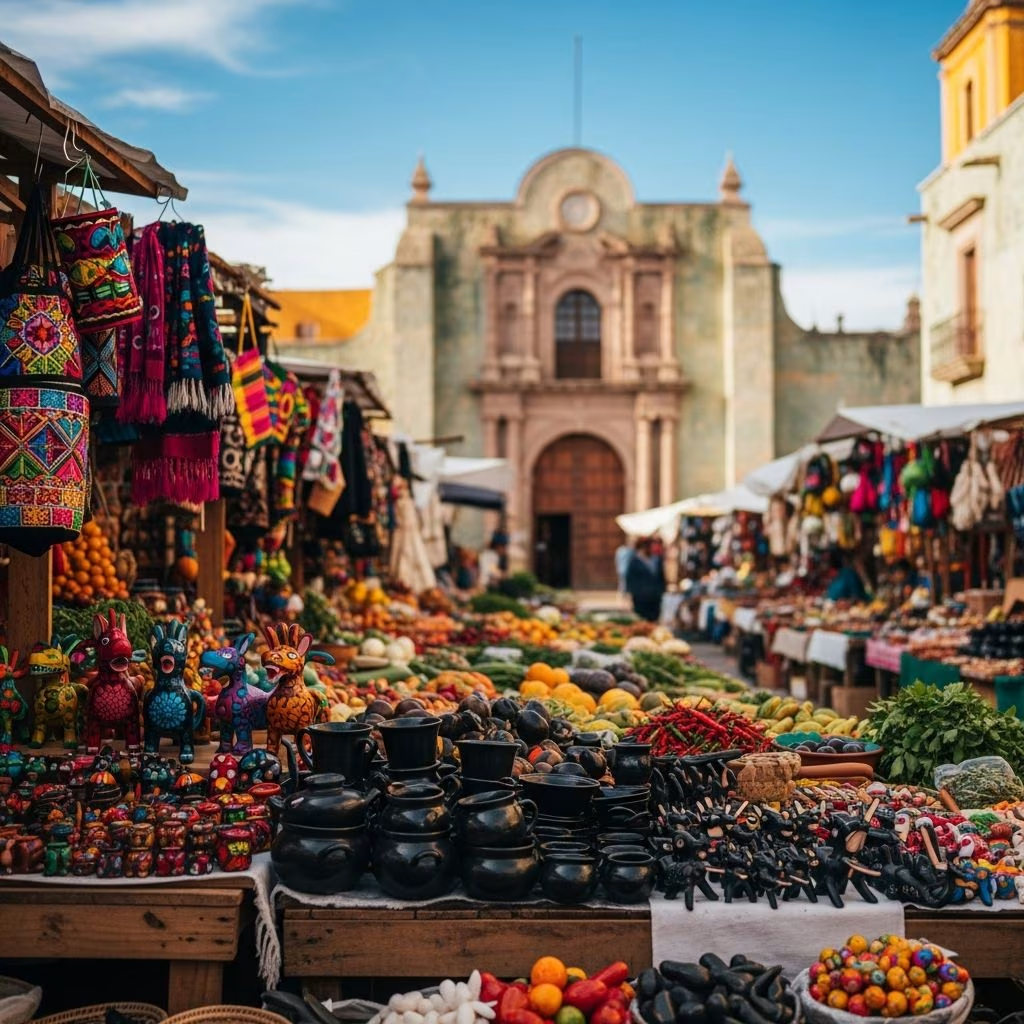
The markets of Oaxaca City function as cultural institutions rather than simple commercial spaces. These bustling environments showcase the region’s agricultural abundance, craft traditions, and food heritage simultaneously. The largest markets—including the Benito Juárez and 20 de Noviembre markets—operate as side-by-side indoor complexes offering comprehensive views into Oaxacan commerce and culture.
Within these markets, visitors encounter a sensory-rich experience combining vibrant colors, distinctive aromas, and lively conversation. Vendors arrange their merchandise with artistic precision, and the energy level reflects the importance of these spaces to local communities. The 20 de Noviembre market features a particularly notable section called the “pasillo de humo” (smoke corridor), where grilled meats sizzle throughout the day, creating an atmosphere impossible to replicate elsewhere.
Markets serve as ideal locations for sampling food specialties while learning directly from vendors about ingredients and preparation methods. This direct interaction differs significantly from restaurant dining and creates memorable exchanges that enrich your understanding of local food culture.
Beyond the plaza and markets, Oaxaca’s architectural and institutional landscape reveals layers of historical significance. The Museum of Cultures provides scholarly context for understanding Oaxaca’s indigenous heritage, colonial period, and contemporary development. This institution complements informal cultural learning with structured information about the region’s evolution.
The Templo de Santo Domingo de Guzmán stands as a remarkable example of 16th-century religious architecture, constructed using local stone and incorporating indigenous craftsmanship techniques. This sandstone structure demonstrates how European architectural traditions merged with indigenous building knowledge during the colonial period. The church’s interior design and artistic elements tell stories of cultural synthesis and spiritual significance.
The Jardín Etnobotánico de Oaxaca offers a specialized experience exploring the region’s botanical heritage. This institution operates exclusively through guided tours, requiring advance booking for access. The garden showcases native plant species and explains their historical significance in indigenous medicine, agriculture, and daily life.
Walking through neighborhoods like those surrounding Plaza de Santo Domingo provides architectural context for understanding how Oaxacans lived historically and contemporarily. The colonial buildings, courtyards, and street layouts reflect planning principles and social structures from different historical periods.
Oaxaca’s artistic traditions extend far beyond typical tourist crafts, representing sophisticated cultural expressions developed over centuries. One distinctive art form involves alebrijes—vibrantly hand-carved wooden creatures that function as spiritual symbols and represent individual spirit guides within indigenous belief systems. These pieces combine whimsical aesthetics with profound cultural meaning, making them valuable additions to collections or meaningful personal purchases.
Visiting art galleries and craft workshops provides insight into contemporary artistic practice while supporting artisans directly. Establishments like Voces de Copal gallery combine sales with educational experiences, allowing visitors to learn about personal spiritual animals based on birth dates and even participate in painting their own alebrijes. This interactive approach transforms art appreciation into personal creative engagement.
Textile traditions represent another significant artistic dimension of Oaxacan culture. Museums dedicated to textiles preserve and display weaving techniques, natural dye processes, and design patterns that have been maintained across generations. The Museo Textil showcases this heritage through collections that illustrate both historical and contemporary textile production.
Mezcal production constitutes a crucial element of Oaxacan identity and economy, with the spirit deeply embedded in local culture and traditions. Understanding mezcal requires moving beyond simple tasting to engage with production methods, regional variations, and cultural significance.
Visiting mezcal distilleries provides educational experiences about production processes from agave roasting through final distillation. These visits demystify the manufacturing process and explain how different techniques and agave varieties produce distinctive flavor profiles. Many distilleries welcome visitors and offer tastings of multiple expressions, enabling comparative evaluation of different mezcal styles.
Santiago Matatlan, a town located outside the main city, has become recognized as Mexico’s mezcal capital, housing over 100 distilleries within a relatively small population. This concentration reflects the region’s ideal growing conditions for agave plants and deep historical connections to mezcal production. A day trip to this town immerses you in mezcal culture more completely than city-based experiences.
Evening experiences at mezcal-focused bars provide relaxed settings for sampling different expressions while enjoying conversations with bartenders who possess deep knowledge about regional producers and production methods. Establishments like Sabina Sabe, named after a Mazatec medicine woman, combine atmospheric ambiance with sophisticated mezcal-focused cocktails.
Hands-on cooking classes represent transformative ways to deepen your culinary understanding and take food knowledge home after your visit. These experiences typically begin with morning market visits where instructors guide you through ingredient selection, explaining choices and qualities to observe when purchasing. This educational component elevates market visits beyond shopping experiences into cultural immersion.
After market visits, classes move to kitchen facilities where you prepare classic Oaxacan dishes under professional guidance. You’ll learn techniques passed down through generations and understand the cultural context behind specific dishes and flavor combinations. By the end of the experience, you’ve created meals you can replicate at home, maintaining your connection to Oaxaca through cooking.
Recommended Visit Duration: Most travelers benefit from allocating 3 to 5 days for a comprehensive Oaxaca experience that includes city exploration, market visits, cultural institutions, and at least one day trip to nearby attractions.
Accommodation Considerations: The city center location offers convenience and proximity to primary attractions but may include higher noise levels during busy periods. The Jalatlaco neighborhood, approximately a 20-minute walk from the center, provides a quieter alternative while maintaining access to cafes, restaurants, and a more residential atmosphere.
Getting Oriented: Guided walking tours during your first day or two provide essential orientation to the historic center, local history, and cultural context. Both paid private tours and free tip-based community tours are available, offering flexibility to match your budget and preferences.
Bike Exploration: Renting bicycles enables efficient exploration of neighborhoods like Xochimilco, known for street art and historic aqueducts, and Jalatlaco with its artistic character and coffee culture.
Hierve el Agua: Famous for its petrified waterfall formations and natural infinity pools, this geological wonder attracts visitors seeking unique natural experiences. Located approximately 1.5 to 2 hours from the city center, the site attracts early morning visits to avoid capacity limitations that restrict daily visitors to 200 people.
Monte Albán: This UNESCO World Heritage Site represents a significant archaeological complex showcasing pre-Columbian civilization. As a half-day trip, it complements your city-based experiences with historical perspective.
Mitla Archaeological Site: Located approximately 45 minutes east of the city, Mitla features remarkable Zapotec stone mosaics displaying incredible detail. The site’s smaller scale compared to Monte Albán makes navigation easier, and tours frequently combine Mitla with stops at Hierve el Agua since they share geographic proximity.
El Tule Tree: En route to other destinations, this massive tree—among the world’s widest specimens—warrants a brief visit to observe this living monument and photograph it in the churchyard setting.
Getting Around: The city center is highly walkable for day-to-day navigation, but day trips require either rental vehicles or organized tour participation. Organized tours eliminate driving concerns while providing cultural context through knowledgeable guides.
Best Time to Visit: While Oaxaca welcomes visitors year-round, specific seasons offer distinct experiences. Day of the Dead celebrations in November create unique cultural atmospheres, while other seasons offer different weather conditions and crowd levels.
Language Considerations: While Spanish serves as the primary language, major tourist areas and established businesses often have English-speaking staff. Learning basic Spanish phrases enhances interactions with local vendors and community members in markets and smaller establishments.
