

 Travel Essentials
 Travel Essentials

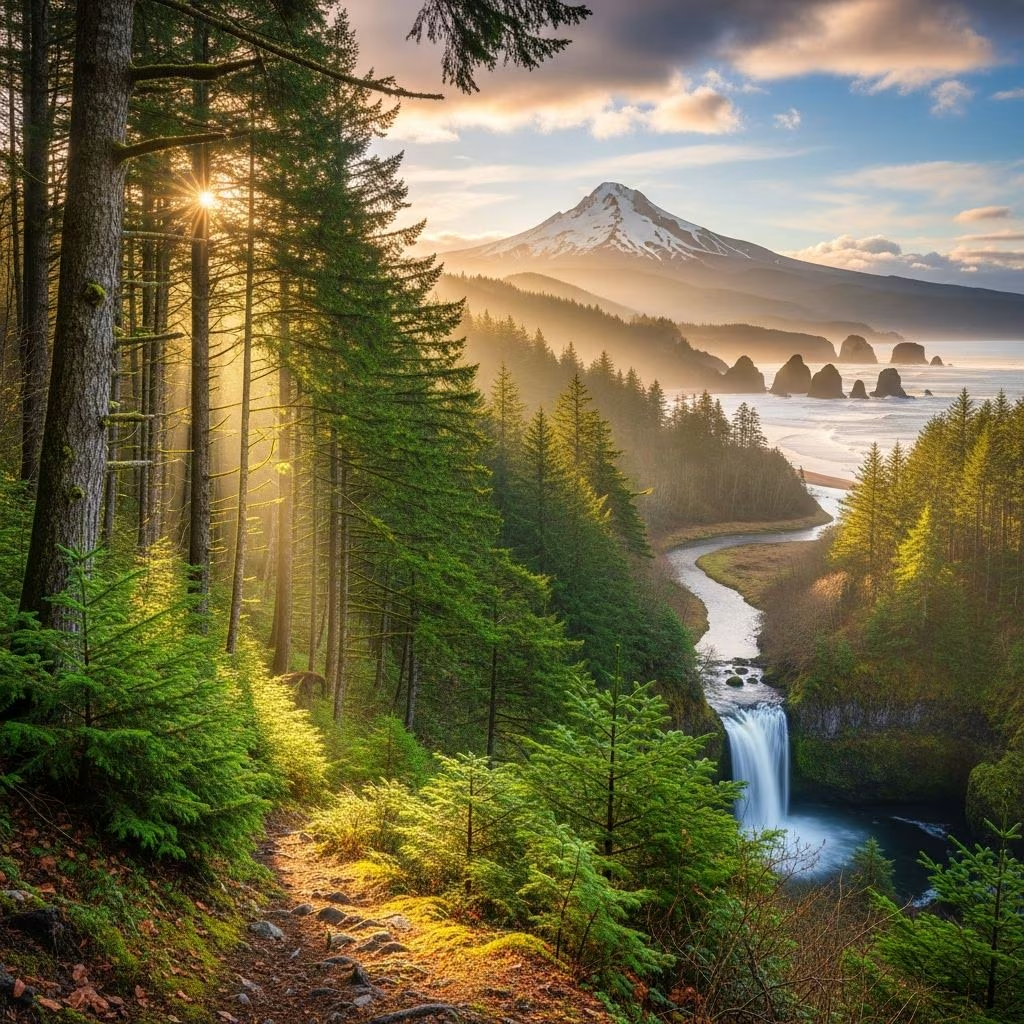
Explore top Oregon experiences from coastal wonders and majestic waterfalls to volcanic lakes, wine valleys, and desert vistas in this comprehensive guide.
 Travel Essentials
Oregon captivates with its diverse tapestry of natural wonders, from rugged coastlines and towering waterfalls to volcanic craters and high-desert formations. This guide highlights must-experience activities that showcase the state’s unparalleled beauty and adventure opportunities, perfect for road trippers, hikers, and nature lovers alike.
The Oregon Coast stretches over 363 miles, offering dramatic cliffs, sandy beaches, and unique sea stacks. Start your journey in Cannon Beach, where the iconic Haystack Rock rises 235 feet from the tide pools, teeming with marine life during low tide. Nearby, explore the Oregon Dunes National Recreation Area, the largest expanse of temperate dunes in North America, ideal for ATV rides, sandboarding, or hiking through shifting sands.
Further south, Heceta Head Lighthouse perches on a cliff north of Florence, its red roof gleaming since 1894. Hike nearby trails for panoramic ocean views and whale watching in season. Shore Acres State Park delivers stunning rocky shorelines and botanical gardens, while Cape Arago State Park adds sea lion colonies and tide pools. Don’t miss the Sea Lion Caves, home to hundreds of the massive mammals year-round.
The Columbia River Gorge, America’s largest national scenic area, boasts over 90 waterfalls amid basalt cliffs and lush forests. Multnomah Falls, Oregon’s tallest at 620 feet, draws crowds with its accessible viewing platform and short hike to Benson Bridge. For fewer visitors, trek to Elowah Falls or the Punchbowl Falls.
Crown Point’s Vista House offers sweeping gorge vistas. In Hood River, windsurf or kiteboard on the Columbia River, then sample craft beers and farm-to-table eats. A detour to Timberline Lodge on Mount Hood reveals a historic ski resort with a massive stone fireplace, featured in films like The Shining.
| Waterfall | Height | Hike Difficulty | Highlights |
|---|---|---|---|
| Multnomah Falls | 620 ft | Easy | Wheelchair-accessible base, bridge viewpoint |
| Punchbowl Falls | 35 ft | Moderate | Swimming hole, scenic pool |
| Ramona Falls | 120 ft | Moderate | Mossy canyon, basalt columns |
Crater Lake National Park harbors the deepest lake in the U.S., formed in a collapsed volcano caldera. Its electric-blue waters reach 1,943 feet deep, surrounded by 33-mile Rim Drive with viewpoints like Discovery Point. Seasonal boat tours to Wizard Island allow hiking and swimming in the pristine lake.
Hike to Plaikni Falls or the Watchman Overlook for garnet formations and panoramic vistas. In winter, snowshoe or ski the caldera rim. The park’s clarity—up to 168 feet visibility—makes it a geological marvel.
Bend serves as a hub for outdoor pursuits amid lava fields and ponderosa pines. Smith Rock State Park features dramatic river canyons and world-class rock climbing; the Misery Ridge Trail offers vertigo-inducing views. Nearby, the High Desert Museum showcases live wildlife, pioneer history, and otter exhibits.
Newberry National Volcanic Monument reveals lava tubes like Lava River Cave, a half-mile underground hike requiring headlamps. Drive the Cascade Lakes Scenic Byway past obsidian flows and mountain lakes. Mount Hood, Oregon’s highest peak at 11,249 feet, beckons with Timberline Lodge skiing in winter and wildflower hikes in summer.
World-renowned for Pinot Noir, the Willamette Valley hosts over 700 wineries across cool-climate AVAs. Cycle or drive the Wine Country Loop, stopping at Eola-Amity Hills or Dundee Hills estates for tastings paired with charcuterie. Beyond wine, visit lavender farms or the Wooden Shoe Tulip Festival in spring.
McMinnville’s Third Street offers breweries and aviation museums, while Portland’s food scene—voodoo doughnuts, food carts—influences the region’s culinary ethos.
The Painted Hills of John Day Fossil Beds National Monument display vibrant sedimentary layers in red, gold, and black—like Mars on Earth. Short trails like Painted Cove Loop immerse you in 40-million-year-old geology.
The Wallowa Mountains, dubbed the Alps of Oregon, offer lake hikes, gondola rides, and horseback trails in Eagle Cap Wilderness. Owyhee Canyonlands present remote slot canyons and wild rivers for rafting. Hells Canyon, North America’s deepest gorge, rivals the Grand Canyon with jet boat tours.
Portland blends city vibrancy with outdoor access. Powell’s City of Books, the world’s largest indie bookstore, spans a city block. Hike Forest Park’s 80 miles of trails or bike the Springwater Corridor. Washington Park houses the International Rose Test Garden, Japanese Garden, and Oregon Zoo with endangered species.
Food carts serve global flavors; catch sunsets from Mount Tabor or Rocky Butte. Day trips to Sauvie Island offer beaches, berry picking, and wildlife.
Spring’s Tulip Festival in Woodburn explodes in color. Summer brings Oregon Shakespeare Festival in Ashland and lavender blooms near Bend. Fall’s Hood River Fruit Loop yields apples and pears. Winter skiing at Mount Bachelor or hot springs soaks like Bagby.
Other gems: Silver Falls State Park’s Trail of Ten Falls, Proxy Falls’ twin cascades, and Alvord Desert’s playa for stargazing.
Summer (June-August) suits most activities with warm days, though coasts fog up. Fall offers mild weather and harvest festivals; winter excels for snow sports.
7-14 days covers highlights: coast, Gorge, Crater Lake, Bend, and valleys comfortably.
Yes—zoos, aquariums, easy hikes, and dunes delight kids. Oregon Coast Aquarium in Newport features sea otters and sharks.
Crater Lake: $30/vehicle; state parks: $5 day-use. National Forest areas often free.
Sea lions, puffins, elk, black bears, Roosevelt elk in the Coast Range.
