

 Travel Essentials
 Travel Essentials

Explore Oslo with children through museums on Bygdøy Peninsula, sculpture parks, opera house climbs, and more. Practical tips for budget-friendly fun and itineraries included.
 Travel Essentials
Oslo, Norway’s vibrant capital, blends urban excitement with natural beauty, making it an ideal destination for families. With child-focused museums, vast green spaces, and interactive landmarks, the city caters to young explorers while keeping parents engaged. This guide highlights top attractions, practical planning advice, and sample itineraries to maximize your time.
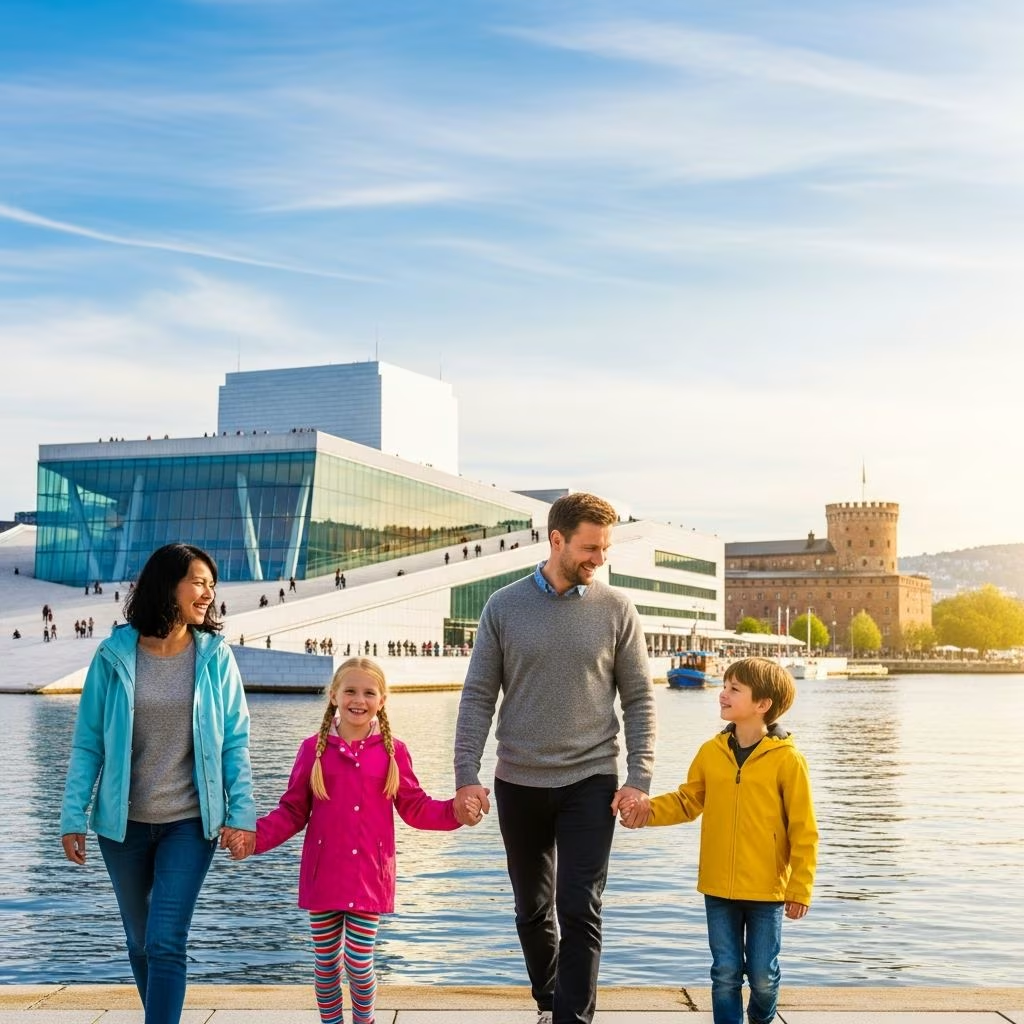
Start your trip at the Oslo Opera House, a architectural marvel where families can wander the exterior freely. Children love scrambling up the slanted marble roof, offering panoramic fjord views. It’s free, accessible, and turns a simple visit into an adventure playground.
Nearby, stroll along Aker Brygge, the waterfront promenade lined with shops, eateries, and street performers. Grab pastries like tebrødstenger—jam-filled delights—or ice cream, perfect for fueling family walks. This area transitions seamlessly from sightseeing to casual dining.
The Bygdøy Peninsula, just a short ferry ride from central Oslo, hosts a cluster of museums tailored for curious kids. Ferry travel itself is a highlight, skimming across Oslofjord with fresh sea breezes.
These sites are compact, allowing a full day of hopping between them via foot or shuttle. Entry fees are reasonable, and the Oslo Pass covers transport and admissions for value.
Oslo’s green spaces are legendary, offering free fun amid stunning landscapes. Frogner Park (Vigeland Park) spans 45 hectares with over 200 bronze and granite sculptures by Gustav Vigeland. Bizarre figures—from infants to monoliths—delight and intrigue kids, who dash between them. The entrance playground features swings, slides, and climbing frames, one of the city’s best.
The Royal Palace Gardens (Slottsparken) provide shaded lawns ideal for picnics and tag games. No equipment needed—just space to run under historic trees near the palace.
For floral wonders, the Botanical Garden at the University of Oslo boasts 5,500 plant species across 150 acres. Willow sculptures and open meadows invite play, blending education with exploration.
Venture to Holmenkollen Ski Jump and Museum, perched on a hill with city vistas. The world’s oldest ski museum displays 4,000 years of history, polar gear, and simulators. Summer ziplines down the jump thrill older kids, while the observation deck wows all.
Oslo Summer Park offers zip-lining, climbing walls, and hiking trails in forested settings. It’s active fun connecting families with Norway’s outdoor ethos.
For cultural immersion, the Norwegian Museum of Cultural History is an open-air site with relocated stave churches, farms, and crafts demos. Kids roam historic buildings, try lefse flatbread, and learn folklore. Free for under-17s, it’s a half-day gem outside the center.
Tusenfryd Amusement Park, Norway’s largest, packs roller coasters, water slides, and play zones. A full day here suits high-energy families, with shows and seasonal events.
Indoors, Popsenteret lets kids play instruments, record songs, and trace Norwegian music history interactively.
In bad weather, the Natural History Museum shines with dinosaur skeletons, meteorites, and a crystal cave. It’s engaging without overwhelming young attention spans.
Plan around Oslo Pass for savings on museums and transport. Here’s a flexible 2-7 day breakdown:
| Duration | Day 1 Focus | Day 2 Focus | Extended Days |
|---|---|---|---|
| 2 Days | Opera House, Aker Brygge, Karl Johans Gate shopping | Bygdøy museums (Fram, Kon-Tiki) | – |
| 3 Days | Central parks (Frogner, Palace Gardens) | Museums + ferry | Holmenkollen or Cultural History Museum |
| 7 Days | City intro (Opera, Munch nearby) | Bygdøy + parks | Fjords day trip, Tusenfryd, Bergen extension |
Public trams, buses, and ferries make navigation easy; bikes or walks suit central spots.
Oslo is pricey, but families manage under $120/day with passes and picnics. Kid meals are common; look for high chairs and play corners in cafes. Restrooms are clean and widespread.
Central hotels like those near Karl Johans Gate offer suites and breakfasts. Budget apartments in Frogner provide kitchens for self-catering. Waterfront spots at Aker Brygge mix convenience with views.
Norwegian fare shines: waffles, brunost cheese, fresh seafood. Kid menus feature pasta, burgers alongside salmon. Picnic in parks with market buys—inexpensive and fun.
Yes, but passes and free parks keep costs down. Expect $100-150/day for 4.
Summer for outdoor fun; winter for lights and fewer crowds.
Most yes, especially museums and parks; ferries have ramps.
Ruter app for tickets; trams to parks, ferry to Bygdøy.
Parks, Opera roof, palace gardens—all gratis and fantastic.
