


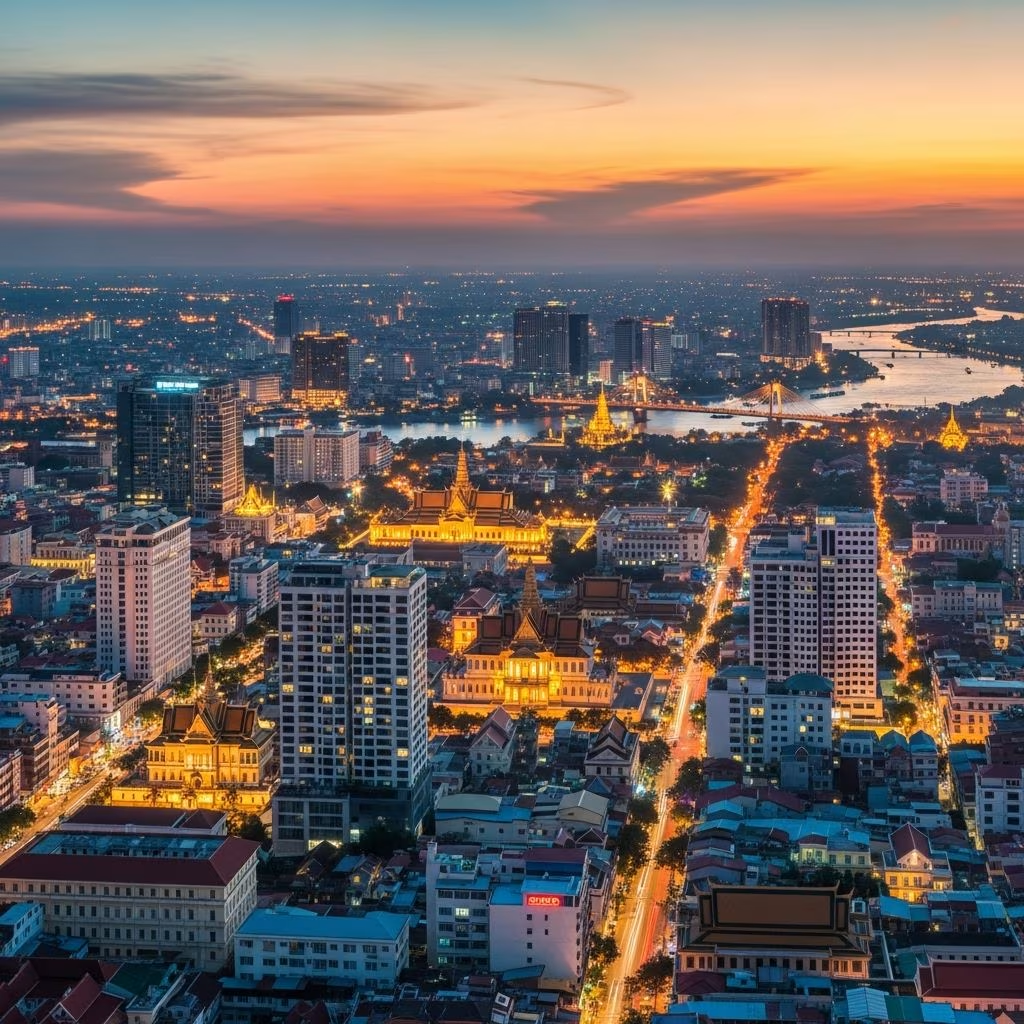
Cambodia’s bustling capital city offers visitors a remarkable blend of historical significance, contemporary culture, and vibrant street life. Phnom Penh combines ornate temples, architectural heritage, and a dynamic urban landscape that reflects centuries of Khmer tradition alongside modern development. Whether you’re visiting for a few days or an extended stay, the city provides diverse experiences ranging from serene spiritual sites to energetic marketplaces that pulse with local commerce and community.
Understanding Phnom Penh’s Geographic and Cultural Layout
The city is strategically positioned at the confluence of three rivers—the Tonle Sap, Mekong, and Bassac—which have historically shaped its development and continue to influence daily life for residents and visitors alike. The riverside areas serve as natural gathering points where locals and tourists converge, particularly during evening hours when the waterfront becomes the social epicenter of the city. The French colonial heritage remains evident throughout Phnom Penh in the architectural styles of buildings, street layouts, and the presence of tree-lined boulevards that create pleasant walking routes through various neighborhoods.
Royal Monuments and Spiritual Centers
The Royal Palace and Its Sacred Grounds
One of Phnom Penh’s most iconic structures, the Royal Palace stands as both the official residence of the monarchy and a symbol of Cambodian sovereignty and cultural pride. The complex showcases stunning golden architecture, meticulously landscaped gardens, and the adjoining Silver Pagoda, which houses sacred Buddhist relics and treasures. Visitors can access specific areas of the palace grounds through organized visits, gaining insight into royal history and the architectural craftsmanship that defines traditional Khmer design. Most tours provide valuable context about the royal family’s role in Cambodian history and allow adequate time to appreciate the artistic details adorning the various structures within the compound.
Ancient Temples and Religious Heritage
Beyond the Royal Palace, Phnom Penh contains numerous temples representing different periods of Khmer religious development. Wat Phnom, situated on an elevated area that gives the city its name, serves as a significant pilgrimage site and offers panoramic views of the surrounding urban landscape. Another important spiritual center, Wat Botum, dates back to the fifteenth century and ranks among the city’s oldest functioning Buddhist temples. These establishments continue to serve as active places of worship where visitors can observe daily Buddhist practices and architectural elements that span centuries of religious devotion. Wat Ounalom, one of the country’s most revered pagodas, features intricate carvings and houses important Buddhist artifacts, including a notable bronze Buddha statue facing eastward within its eastern sanctuary.
Museums and Cultural Repositories
The National Museum’s Extensive Collections
Housing over 5,000 artifacts spanning multiple historical periods, the National Museum stands as a crucial repository of Cambodian cultural heritage. The collection emphasizes works from the Angkor period (9th-15th centuries), showcasing sculptures, ceramics, and religious objects that illustrate the sophistication of classical Khmer civilization. The museum’s distinctive architectural design—featuring galleries arranged around a tranquil central courtyard—creates an intimate atmosphere for viewing these treasures. Notable pieces include a sandstone bird sculpture standing over two meters high, which exemplifies the artistic mastery of ancient Cambodian craftspeople. Guided tours provide scholarly context that enriches understanding of how these objects relate to broader historical narratives and contemporary Cambodian identity.
Remembering Cambodia’s Recent History
Visiting Choeung Ek and Toul Sleng provides sobering but essential perspective on Cambodia’s twentieth-century history. Choeung Ek comprises exhumed mass graves that serve as a memorial to victims of the Khmer Rouge regime, while Toul Sleng, a former secondary school converted into a torture center, documents this tragic period through preserved artifacts and historical records. These sites require emotional preparation, yet they represent crucial components of understanding contemporary Cambodia and honoring the resilience of its people. Located approximately 45 minutes outside central Phnom Penh, these locations are best accessed through organized tours with knowledgeable guides who contextualize the historical significance appropriately.
Market Exploration and Shopping Experiences
Central Market’s Architectural and Commercial Appeal
The Central Market, officially known as Phsa Thmei or New Market, represents a remarkable example of Art Deco architecture established during the French colonial period. This vast market structure features a distinctive central dome under which jewelers, watch merchants, and eyeglass vendors conduct business. Radiating outward from this central hub, numerous corridors contain an extensive variety of merchandise including textiles, household goods, flowers, and personal services. The market atmosphere reflects authentic Phnom Penh commerce, where haggling remains an expected component of transactions and where visitors encounter the daily rhythms of local shopping practices. The architectural grandeur combined with practical functionality makes this market both a cultural landmark and a practical shopping destination.
Specialized Markets Offering Distinct Experiences
The Russian Market appeals particularly to visitors seeking souvenirs, handicrafts, and decorative items, making it an ideal location for acquiring gifts with Cambodian character. The Night Market, operational during evening hours and expanding on weekends, offers clothing, accessories, and entertainment alongside food vendors serving local specialties. Phsar Kandal Market provides the most authentic immersion in local food culture, where vendors sell fresh produce, prepared foods, and ingredients essential to Cambodian cuisine. Each market serves distinct purposes and attracts different demographic groups, creating unique shopping environments that reflect various aspects of Phnom Penh’s commercial and social ecosystems.
Waterfront Activities and Leisure Pursuits
Sisowath Quay: The Riverside Social Hub
Spanning approximately three kilometers along the confluence of the Tonle Sap and Mekong Rivers, Sisowath Quay represents Phnom Penh’s primary recreational and social waterfront. The promenade features an impressive array of restaurants, cafes, and bars that cater to both local residents and international visitors. Tall palm trees line one side while establishments occupy the other, creating a pleasant pedestrian environment particularly vibrant during evening hours. The northern section hosts food vendors and the Phnom Penh Night Market, which operates on weekends and offers a lively atmosphere reminiscent of similar markets throughout Southeast Asia. The promenade transforms after sunset when temples and palace structures receive illumination, creating romantic and visually striking evening landscapes.
River-Based Excursions and Sunset Experiences
Several companies operate sunset cruises departing from Sisowath Quay, offering perspectives of the city from the water and concluding with waterfront promenade walks. Private boat rentals provide flexible options for travelers seeking customized river experiences at their preferred pace. These water-based activities provide respite from urban walking and offer vantage points unavailable from land-based locations. The experience of watching the sun descend while observing the city’s architectural silhouettes creates memorable moments and photo opportunities.
Specialized Tours and Culinary Experiences
Street Food and Culinary Discovery Tours
Combined food and cultural tours provide structured introductions to Cambodian cuisine while incorporating morning market visits and street art exploration. These three-hour morning experiences typically begin with market orientation where local guides explain ingredient uses, traditional preparation methods, and the cultural significance of various dishes. Participants often enjoy multiple breakfast opportunities while learning about Cambodia’s underrepresented food culture and regional specialties. Street art components take visitors to 40 or more murals representing contemporary artistic expression within the city, offering perspective on modern Cambodian creativity and urban aesthetics.
Community and Cultural Immersion Activities
Locally-guided experiences frequently incorporate visits to residential neighborhoods and community centers where visitors interact with residents in non-touristy settings. These interactions provide authentic perspectives on daily life, local values, and contemporary Cambodian society beyond historical sites and commercial areas. Such experiences foster cross-cultural understanding and support local economies through direct community engagement and economic benefits.
Practical Information for Visitors
Timing and Access Considerations
| Attraction | Morning Hours | Afternoon Hours | Best Time to Visit |
|---|---|---|---|
| Royal Palace | 8 AM – 11 AM | 2 PM – 5 PM | Early morning or late afternoon |
| National Museum | Open during daylight | Same hours | Mid-morning for smaller crowds |
| Sisowath Quay | Accessible all day | Most vibrant evenings | Sunset onwards |
| Markets | Most active morning | Afternoon quieter | Early morning for freshness |
Transportation and Navigation
Tuk-tuks provide the most convenient and economical transportation throughout Phnom Penh, with drivers generally understanding tourist destinations and major attractions. Many city tours include transportation arrangements, eliminating navigation concerns for first-time visitors. Walking remains viable in central areas, particularly around Sisowath Quay and the Royal Palace vicinity, where pedestrian infrastructure accommodates foot traffic. Hiring local guides directly at attraction entrances provides cost-effective alternatives to pre-booked tours, though advance arrangements offer convenience and potentially higher-quality interpretive experiences.
Frequently Asked Questions About Phnom Penh
How long should visitors allocate for exploring Phnom Penh?
A minimum three-day visit allows adequate time for major attractions including the Royal Palace, National Museum, Choeung Ek and Toul Sleng, market exploration, and evening waterfront activities. Longer stays enable deeper cultural immersion, community engagement, and relaxed exploration of neighborhoods beyond primary tourist circuits.
What clothing and cultural considerations apply when visiting temples?
Respectful dress codes require covering shoulders and knees when entering active temples and the Royal Palace. Removal of shoes at certain thresholds demonstrates proper respect for sacred spaces. Visitors should maintain quiet, dignified behavior and avoid photography in areas where restrictions apply.
Are solo travelers safe exploring Phnom Penh independently?
Phnom Penh accommodates solo travelers reasonably well with standard urban precautions. Tourist-oriented areas maintain visible security, though visitors should remain aware of surroundings as with any major city. Organized tours provide security through group dynamics and guide accountability.
What budget considerations apply to Phnom Penh travel?
Phnom Penh remains relatively affordable compared to other Southeast Asian capitals, with accommodation, dining, and transportation costs substantially lower than Western countries. Market shopping produces better prices through negotiation, while restaurant dining costs scale according to establishment type and location.
Planning Your Phnom Penh Itinerary
Successful Phnom Penh visits balance structured monument visits with unstructured exploration of residential neighborhoods, markets, and waterfront areas. Allocating morning hours for major attractions when crowds remain smaller and heat less intense maximizes comfort and experience quality. Evening activities leverage the city’s transformation after sunset when temperature decreases and entertainment venues activate. Combining self-directed exploration with guided experiences provides comprehensive understanding while maintaining flexibility and spontaneous discovery opportunities.
Phnom Penh rewards visitors who approach the city with cultural curiosity, patience for navigating unfamiliar environments, and openness to unexpected encounters. The combination of historical significance, contemporary urban vitality, and warm local hospitality creates experiences that extend beyond typical tourism into genuine cultural exchange and personal growth.
References
- Phnom Penh Budget Travel Guide (Updated 2026) — Nomadic Matt. 2026. https://www.nomadicmatt.com/travel-guides/cambodia-travel-tips/phnom-penh/
- Phnom Penh and around Travel Guide — Rough Guides. https://www.roughguides.com/cambodia/phnom-penh-around/
- 13 Best Things To Do in Phnom Penh — Along Dusty Roads. 2024-01. https://www.alongdustyroads.com/posts/best-things-to-do-in-phnom-penh
- Is It Worth Visiting Phnom Penh? — Then We Walked. https://thenwewalked.com/phnom-penh-worth-a-visit/
- Things to do in Phnom Penh, Cambodia – A Guide by A Lovely Planet — A Lovely Planet. https://www.alovelyplanet.com/things-to-do-in-phnom-penh/

