

 Travel Essentials
 Travel Essentials

A comprehensive guide to Portugal's top destinations, featuring vibrant cities, stunning beaches, historic landmarks, and renowned wine regions for every traveler.
 Travel Essentials
Portugal stands as one of Europe’s most enchanting travel destinations, offering visitors an exceptional blend of cultural heritage, natural beauty, and culinary excellence. From the bustling streets of its major urban centers to the tranquil countryside and dramatic coastal landscapes, Portugal presents diverse experiences for travelers of all interests and preferences. Whether you seek historical exploration, outdoor adventures, or relaxation, this Mediterranean nation delivers compelling reasons to visit.
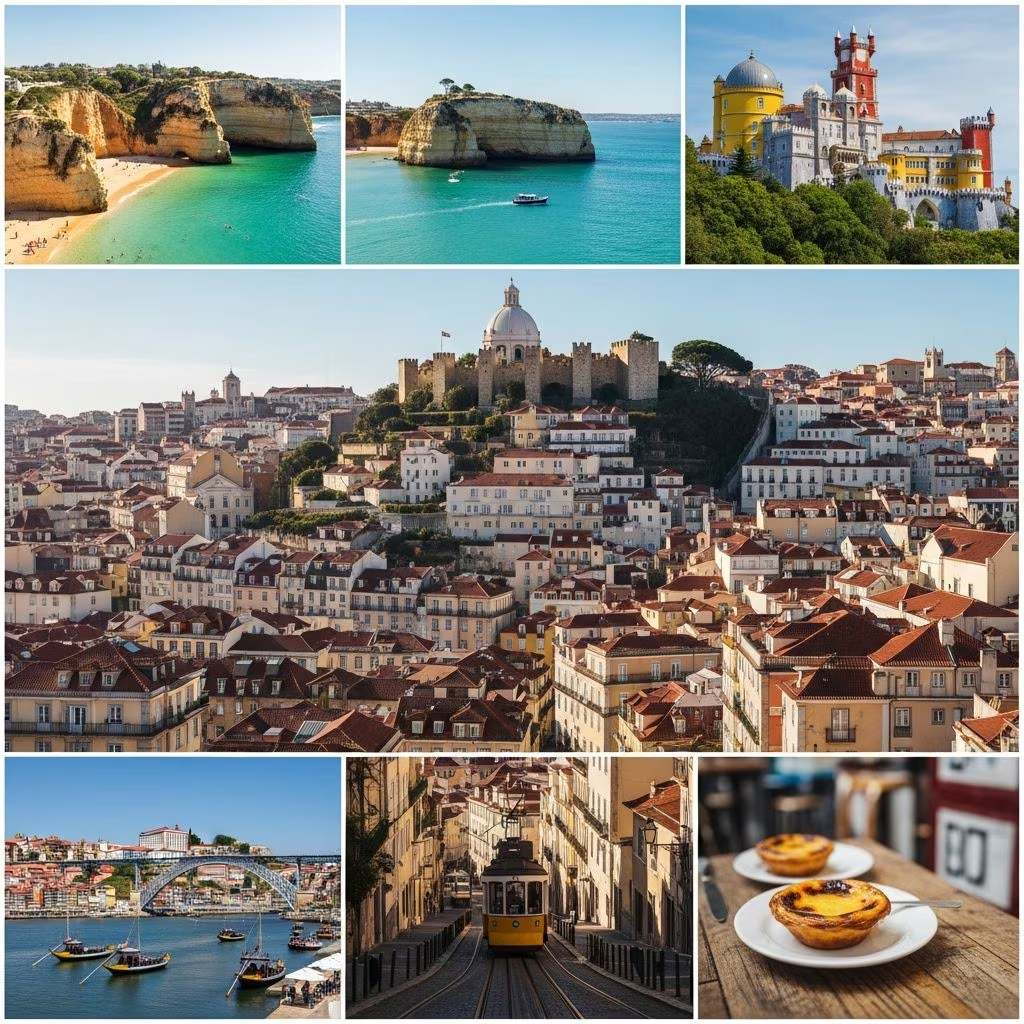
Lisbon serves as Portugal’s vibrant capital and primary entry point for many visitors. The city combines contemporary European energy with deeply rooted historical character, creating a distinctive atmosphere found in few other capitals. The city’s neighborhoods each possess unique identities that contribute to its overall appeal and cultural richness.
The Alfama district represents one of Lisbon’s most atmospheric areas, featuring narrow winding streets, traditional architecture, and authentic local character. This historic quarter showcases the city’s medieval past through its layout and building styles. Meanwhile, the Ribeira waterfront district pulses with modern energy, hosting restaurants, galleries, and entertainment venues alongside the iconic Tagus River.
Key attractions within the capital include:
Lisbon’s culinary scene deserves particular attention, with the city offering world-class dining experiences ranging from contemporary restaurants to traditional tasquinhas. The Time Out Market serves as a gathering place for Portugal’s renowned chefs, presenting the nation’s gastronomic excellence in a single venue.
Porto, located in northern Portugal, represents the nation’s second-largest metropolitan area and serves as a cultural and economic powerhouse. The city’s distinctive character emerges from its position along the Douro River, its historic architecture, and its intimate connection to Port wine production.
The Ribeira district captures Porto’s essence through colorful buildings cascading down hillsides toward the riverfront, creating one of Portugal’s most photogenic urban landscapes. The Dom Luís I Bridge, an iconic double-deck metal arch structure, commands impressive views and connects Porto with Vila Nova de Gaia across the river.
The city provides multiple layers of experience for visitors:
A visit to Porto’s wine cellars provides insight into the production and aging processes that create the region’s signature fortified wine. These cellars combine traditional methods with modern facilities, and many offer guided tastings that explain the wine’s complex flavor profiles and historical significance.
Located west of Lisbon, Sintra transforms visitors’ perceptions of Portuguese destinations through its remarkable concentration of historic palaces and lush gardens nestled within verdant hills. The town’s cooler climate and elevated landscape create a dreamlike atmosphere that inspired centuries of artists and writers.
Sintra’s most celebrated attraction, Pena Palace, exemplifies Portuguese royal architecture and sits prominently on a hilltop, visible from considerable distances. The palace’s colorful facade and eclectic architectural style reflect 19th-century romantic ideals and innovation.
The Quinta da Regaleira estate represents another essential Sintra destination, featuring whimsical gardens filled with hidden tunnels, concealed staircases, and symbolic architectural elements. The property’s most distinctive feature, the Initiation Well, descends underground in a spiral pattern, offering visitors an otherworldly experience as they descend into the earth.
Sintra appeals particularly to history enthusiasts and those seeking to understand Portugal’s royal heritage and Age of Discovery influence on European culture and architecture.
The Douro Valley, recognized as a UNESCO World Heritage Site, presents one of the world’s most stunning wine-producing landscapes. The region’s dramatic terraced vineyards cascade down steep hillsides toward the Douro River, creating visual spectacles that have inspired travelers and artists for generations.
This region specializes in producing Port wine, the fortified wine that bears the region’s connection to Porto. Beyond Port, the valley produces exceptional table wines that increasingly gain recognition among international wine connoisseurs. The landscape itself becomes part of the wine experience, with rows of vines following contours of the land, shaped by centuries of human cultivation.
Visiting the Douro Valley offers multiple approaches:
The valley’s combination of natural beauty, cultural heritage, and culinary excellence positions it as one of Portugal’s most comprehensive travel experiences, appealing to wine enthusiasts, nature lovers, and those seeking authentic rural Portuguese culture.
Portugal’s extensive coastline presents beaches and coastal attractions suited to diverse preferences, from bustling resort areas to serene, relatively undiscovered coves. The Algarve region, located in southern Portugal, concentrates many of the country’s most renowned beach destinations and coastal attractions.
The Algarve coastline features dramatic limestone formations, hidden beaches, and unique marine ecosystems accessed through various means. Ponta da Piedade, located near Lagos, combines hiking opportunities with beach access, allowing visitors to walk along scenic boardwalks between multiple distinct beach areas while enjoying panoramic coastal views.
Benagil Sea Cave stands as the Algarve’s most celebrated marine attraction, drawing visitors worldwide to witness its distinctive cathedral-like interior and natural beach. The cave, formed through centuries of sea erosion, remains accessible only by boat or kayak, maintaining its exclusivity and pristine condition.
Other significant Algarve beaches and attractions include:
For adventure seekers, Portugal’s western coast near Nazaré offers some of the world’s most challenging surfing conditions. The Nazaré Canyon, the largest underwater canyon in Europe extending approximately 170 kilometers along the coast and reaching depths of 5,000 meters, creates extraordinary wave conditions through interactions between ocean swell and underwater topography. Ericeira provides additional excellent surfing opportunities with more accessible conditions for intermediate and advanced surfers.
Cascais, located west of Lisbon along the Portuguese Riviera, combines beach culture with upscale dining and entertainment venues. The town attracts both day-trippers from Lisbon and longer-term visitors seeking refined coastal experiences.
The town’s appeal extends beyond beaches to include excellent restaurants, cafes, and shops concentrated in the old town area. Praia da Rainha offers a picturesque beach setting within the town center, while the marina provides scenic waterfront walking opportunities. For visitors prioritizing culinary experiences, Cascais offers world-class ice cream establishments and internationally-recognized restaurants alongside traditional Portuguese cuisine venues.
Madeira, an autonomous region of Portugal located off the African coast in the Atlantic Ocean, presents distinctive landscapes and experiences separate from mainland Portugal. The island’s rugged coastlines, lush vegetation, and botanical diversity create an environment fundamentally different from the rest of Portugal.
The Levada walking trails represent Madeira’s most distinctive hiking features, following ancient waterways that traverse the island’s verdant terrain. These trails provide immersive nature experiences while revealing the island’s endemic plant species and geological formations.
Madeira’s cultural attractions include:
The island appeals particularly to nature enthusiasts seeking outdoor adventures, botanical exploration, and experiences distinct from mainland European travel destinations.
| Destination Type | Best Locations | Primary Appeal |
|---|---|---|
| Wine Regions | Douro Valley, Porto region | Wine tasting and vineyard exploration |
| Beach Destinations | Algarve, Cascais, Ericeira | Coastal relaxation and water activities |
| Historic Sites | Lisbon, Sintra, Coimbra | Cultural heritage and architecture |
| Adventure Sports | Nazaré, Ericeira, Madeira | Surfing, climbing, and hiking |
Portugal’s relatively compact geography facilitates multi-destination itineraries, allowing visitors to combine several distinct experiences within a single trip. The nation’s excellent transportation infrastructure, including rail networks and modern highways, enables efficient movement between regions.
When planning Portuguese travel, consider seasonal variations that affect different regions differently. Summer months bring crowds to major tourist destinations, while shoulder seasons offer better weather-to-crowd ratios. Wine harvest seasons in the Douro Valley occur during autumn months, providing opportunities to witness traditional production practices.
The nation’s gastronomy deserves deliberate consideration in travel planning, as regional cuisines vary significantly across the country. Coastal regions emphasize seafood preparations, while inland areas feature hearty meat dishes and traditional cooking methods.
