

 Travel Essentials
 Travel Essentials

Explore Salzburg's top attractions including fortresses, palaces, gardens, and Mozart museums. Complete guide to cultural landmarks and outdoor activities.
 Travel Essentials
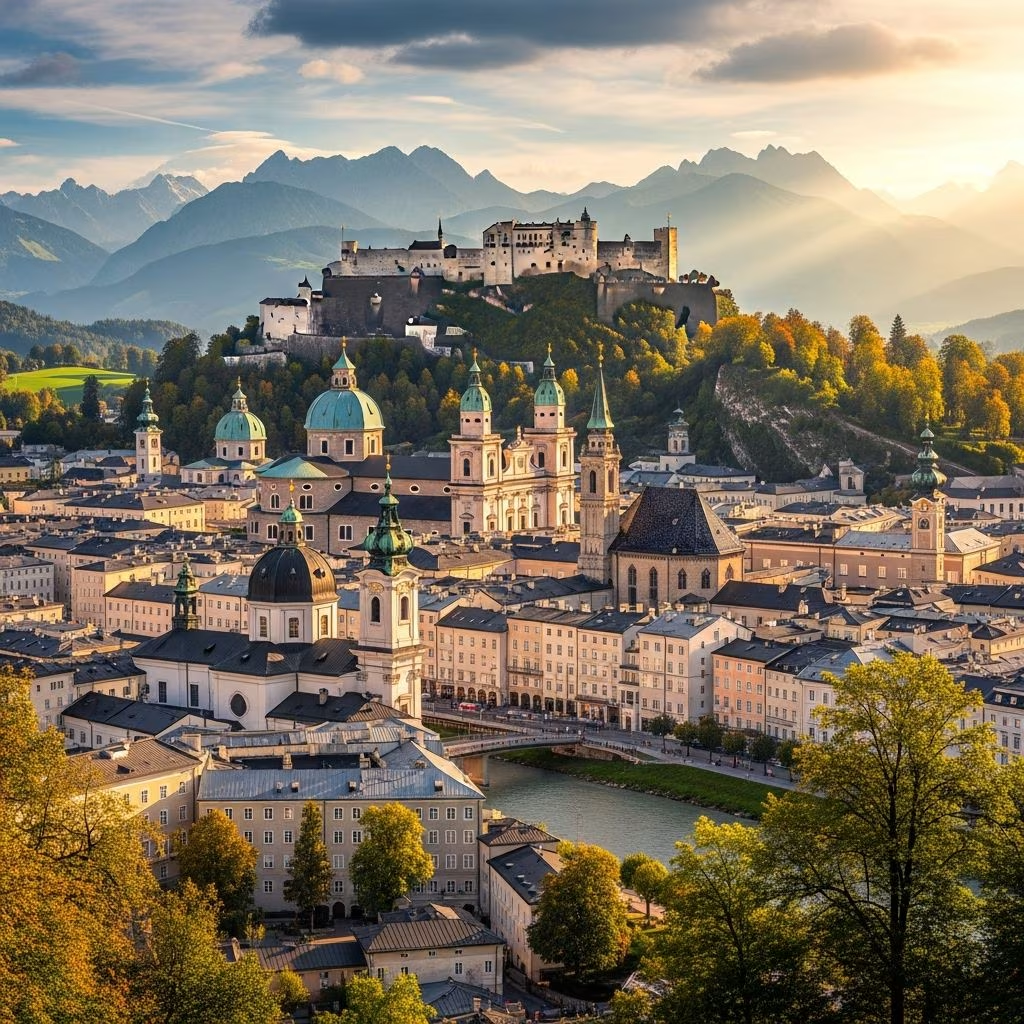
Salzburg stands as one of Austria’s most captivating destinations, seamlessly blending architectural grandeur with natural beauty. This UNESCO-listed city offers visitors an extraordinary range of experiences, from exploring centuries-old fortifications to wandering through meticulously maintained baroque gardens. Whether you’re a history enthusiast, music lover, or nature adventurer, Salzburg provides layered attractions that reveal new dimensions with each visit.
The Hohensalzburg Fortress dominates Salzburg’s skyline and represents one of Central Europe’s most impressive medieval structures. Built in 1077, this mountaintop castle has served as a symbol of the city’s power and cultural significance for nearly a thousand years. Visitors can reach the fortress via cable car, which eliminates a strenuous climb while offering panoramic views during the ascent.
Once inside the fortress walls, multiple experiences await exploration. The architecture itself tells stories of medieval construction techniques and defensive strategies employed centuries ago. Interactive exhibitions within the Fortress Museum detail the castle’s construction history and its role in regional politics. The views from the observation towers and ramparts provide unobstructed vistas of the city below, the surrounding Alpine landscape, and on clear days, distant mountain ranges.
An unexpected cultural element enhances visits to this historic site—classical concerts performed most evenings within the fortress walls create an atmospheric musical experience where centuries-old stone chambers echo with compositions from the baroque era. The Marionette Museum housed within the fortress adds another dimension, showcasing traditional puppet theater traditions connected to the region’s cultural heritage.
Mirabell Palace and its surrounding gardens represent the pinnacle of baroque garden design and palace architecture. Originally constructed as a summer residence, this ensemble combines classical proportions with whimsical landscaping elements that create spaces for both contemplation and leisure.
The Mirabell Gardens showcase horticultural artistry through carefully designed sections including rose gardens, ornamental hedges, and manicured lawns that provide respite from urban exploration. Walking paths meander through themed garden areas, each offering distinct aesthetic experiences. The pegasus fountain and other sculptural elements punctuate the landscape, creating focal points for photography and quiet reflection.
The palace building itself features elegant rooms with decorative details reflecting 17th-century aristocratic tastes. Beyond the formal palace areas, the surrounding grounds extend into romantic spaces where locals and tourists alike seek peaceful moments among flowering plants and shade-providing trees.
Hellbrunn Palace introduces an entirely different dimension to baroque leisure culture through its famous trick fountains. Built in the 17th century as an archbishop’s summer retreat, this property was designed to entertain guests through surprise and delight rather than formal ceremony.
The trick fountains operate on hydraulic principles that date from their original construction. Unsuspecting visitors encounter unexpected water jets emerging from garden pathways, sculptures that spray water when approached, and fountains that create illusions through carefully engineered water flow patterns. This interactive element transforms the visit into participatory entertainment where the palace itself becomes the performer.
Beyond the fountains, the palace grounds include substantial gardens and park areas suitable for extended exploration. The combination of architectural interest, horticultural design, and playful water features creates an experience that appeals to visitors of varying interests and age groups.
Salzburg Cathedral stands as a masterwork of early baroque ecclesiastical architecture. Constructed in the early 17th century, the cathedral served as the site of Wolfgang Amadeus Mozart’s baptism in 1756, connecting the building permanently to the city’s musical legacy. The uniquely designed interior features ornate decorative elements and soaring proportions that create an awe-inspiring spatial experience.
St. Peter’s Cemetery and its associated catacombs offer historical context extending beyond the cathedral itself. The cemetery contains burials spanning centuries, while the catacombs represent early Christian religious practice. This underground religious complex provides glimpses into Salzburg’s spiritual evolution across different historical periods.
Additional churches throughout the city complement the cathedral experience, each representing distinct architectural periods and aesthetic approaches to religious building design.
Salzburg’s association with Wolfgang Amadeus Mozart permeates the city’s cultural identity. Mozart’s Birthplace on Getreidegasse houses exhibits exploring the composer’s life, family relationships, and musical development. The building contains items personally owned or used by Mozart, including his childhood violin, offering tangible connections to the historical figure.
Exhibitions within the birth house document Mozart’s early years, his family dynamics, and the musical environment that shaped his genius. The restored rooms provide spatial context for understanding how domestic life intersected with musical development during the 18th century.
Mozart’s Residence offers complementary perspectives on the composer’s life during different periods. This restored house where the musician lived presents additional biographical information and maintains connections to specific compositional periods.
Live classical music performances occur throughout Salzburg, from concert halls to the fortress evening performances. Attending a concert becomes a natural extension of engaging with the city’s musical heritage, allowing visitors to experience works performed in venues connected to Mozart’s own era.
Getreidegasse functions simultaneously as a shopping destination and architectural heritage site. The narrow street features medieval townhouses distinguished by distinctive through-house architecture, a construction style unique to this region. Rather than standing independently, these structures connect front and rear courtyards through covered passages, reflecting medieval urban planning principles.
Beyond architectural interest, Getreidegasse offers practical visitor amenities including shops, galleries, restaurants, and cafes. The street’s narrow dimensions, pedestrian-only access, and historic building facades create an atmospheric environment for leisurely strolling while exploring merchandise and dining options.
Mozart’s Birthplace anchors this shopping area, making Getreidegasse a natural hub for culturally-focused exploration combined with retail opportunities.
Kapuzinerberg offers accessible outdoor recreation within the city limits. Located in central Salzburg, this hill reaches approximately 2,100 feet elevation and attracts both tourists and residents seeking exercise, sunrise viewing, or sunset observation. The hiking terrain passes through forested areas providing natural environment respite while delivering panoramic city perspectives.
The Mönchsberg walk provides alternative elevated exploration opportunities within downtown Salzburg. Multiple viewpoint locations along mountain pathways offer distinct perspectives of the city, fortress, and surrounding Alpine geography.
These elevation-based experiences require varying physical exertion levels, accommodating different visitor fitness capabilities while delivering scenic rewards for outdoor participation.
The Museum of Natural History serves educational and entertainment functions simultaneously, appealing to visitors interested in regional fauna, geological formations, and environmental history. The collection encompasses specimens and exhibits documenting Central European natural heritage.
The Museum of Modern Art provides contemporary artistic perspectives, offering counterpoint to the historical and baroque-focused attractions dominating much of Salzburg’s tourism infrastructure.
The Salzburg Museum concentrates on comprehensive city history documentation, though the facility undergoes renovation and reopens during 2026. The DomQuartier Salzburg combines multiple historical and religious collections within a unified venue, streamlining exploration of interconnected cultural themes.
The Salzburg Card provides significant practical and financial advantages for multi-day visitors. Card holders receive complimentary entry to major attractions including Hohensalzburg Fortress, Hellbrunn Palace, and numerous museums. This pass effectively streamlines decision-making regarding which attractions merit visits while potentially reducing overall expenditure for comprehensive sightseeing programs.
Individual attraction admission typically ranges from €15 for museums, with discounts available for children, students, family groups, and individuals with disabilities. Cable car transportation to the fortress costs separately from fortress admission.
Salzburg functions as a year-round destination with seasonal variations affecting visitor experience quality. Mountain-based attractions like Kapuzinerberg offer distinct advantages during warmer months, though cleared pathways accommodate winter visitation. The city’s Christmas market transforms public squares into festive shopping environments during December, adding seasonal dimension to traditional attractions.
Café Tomaselli represents Salzburg’s established café culture, offering traditional coffee and pastry experiences in historically significant venues. Local specialties including apfelstrudel (apple strudel) and mozartkugel (Mozart balls—chocolate-covered confections) provide authentic taste experiences connected to regional culinary traditions.
Augustiner Bräu offers traditional Austrian beer hall experiences, allowing visitors to engage with local social customs and beverage traditions in authentic community settings.
Salzburg’s compact layout facilitates efficient exploration, with major attractions accessible within reasonable walking distances or brief public transportation rides. The concentration of baroque architecture, musical heritage sites, and natural viewing locations creates an environment where layered visits reveal increasing complexity and appreciation for the city’s multifaceted character.
First-time visitors benefit from prioritizing the Hohensalzburg Fortress and Mirabell Gardens as foundational experiences, establishing geographic and historical context. Subsequent visits or additional time allows engagement with museums, religious sites, and specialized interests like classical music performances or sound of music-related locations.
The city’s UNESCO World Heritage designation reflects legitimate architectural and cultural significance, making Salzburg a destination where tourism infrastructure, visitor services, and preservation priorities align toward maintaining authentic experiences alongside modern amenities.
