


 Food & Culture
Food & Culture
Best Things to Do in Santiago de Compostela
Explore top attractions in Santiago de Compostela: from the majestic cathedral and historic plazas to lush parks, vibrant markets, and Galician flavors. Perfect for pilgrims and visitors alike.
 Food & Culture
Santiago de Compostela, nestled in Spain’s lush Galicia region, draws millions annually as the endpoint of the renowned Camino de Santiago pilgrimage. This ancient city blends spiritual depth with vibrant culture, offering pilgrims and tourists alike a tapestry of experiences from grand architecture to local gastronomy. Beyond the famous cathedral, discover winding streets, verdant parks, bustling markets, and hidden gems that capture the essence of Galician life.
The Heart of the Pilgrimage: Praza do Obradoiro and the Cathedral
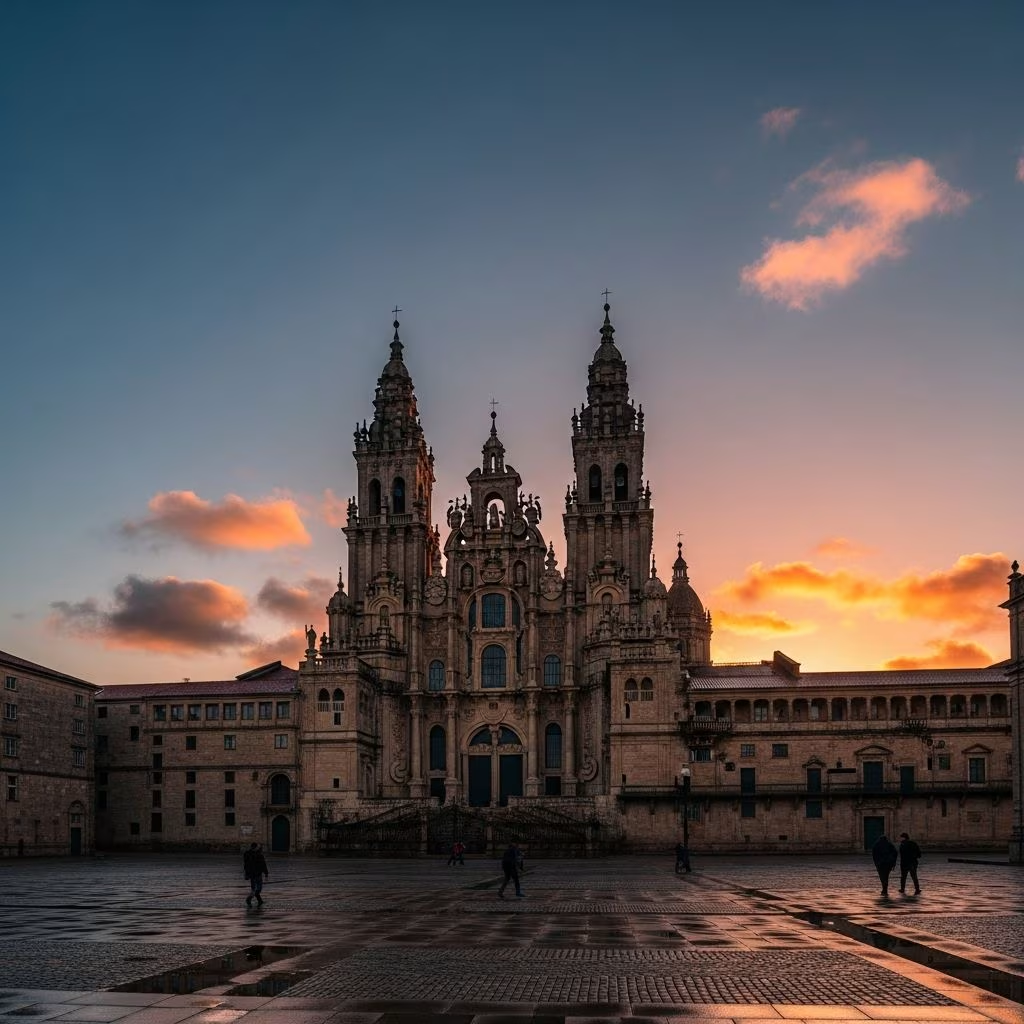
Praza do Obradoiro stands as the city’s pulsating center, a grand square framed by historic buildings where pilgrims conclude their journeys amid cheers and embraces. Here, the Cathedral of Santiago de Compostela dominates, a masterpiece of Romanesque architecture from the 11th-12th centuries, later adorned with Gothic and Baroque elements. Believed to house the tomb of Saint James the Apostle, it serves as one of Christianity’s most sacred sites.
Inside, the Pórtico da Gloria captivates with its intricate sculptures by Mestre Mateo, depicting biblical scenes and virtues. Pilgrims traditionally embrace its central pillar for spiritual blessing. During Pilgrim’s Mass, witness the dramatic Botafumeiro—a massive silver thurible swung by pulleys across the nave, releasing clouds of incense in a mesmerizing ritual held on special occasions.
- Arrive early for mass to secure a seat and observe arriving pilgrims’ emotions.
- Visit the tomb beneath the main altar for quiet reflection.
For an elevated adventure, book a guided rooftop tour. Ascend towers for 360-degree panoramas of the city’s granite rooftops and distant hills, plus glimpses of medieval features like an old pilgrim clothing furnace. Tours are limited, so reserve ahead—ideal even for those with mild height concerns due to open spaces.
Exploring the UNESCO-Listed Old Town
The Zona Vella, Santiago’s medieval core, earned UNESCO World Heritage status in 1985 for its preserved granite alleys, arches, and squares. Wander freely to uncover Romanesque churches, the University of Santiago’s ancient halls, and convents like San Martiño Pinario. This labyrinthine zone buzzes with cafés, boutiques, and nightlife, blending history with everyday Galician charm.
Key stops include Praza da Quintana, often hosting free concerts, and the Pazo de Raxoi (city hall) overlooking the cathedral. Lose yourself in side streets for authentic encounters—perhaps stumbling upon a family-run spot serving pulpo a feira (fair-style octopus), a regional delicacy.
| Old Town Highlight | What to See/Do | Best Time |
|---|---|---|
| Praza da Quintana | Concerts, people-watching | Evenings |
| University Area | Historic buildings, student vibe | Daytime |
| San Martiño Pinario | Baroque abbey interiors | Mornings |
Lush Escapes: Alameda and Bonaval Parks
Amid urban stone, Santiago’s parks provide serene respites. Parque da Alameda, the city’s oldest green space from the 16th century, spans expansive grounds with over 90 plant species including chestnuts, eucalyptus, and palms. Stroll the Paseo da Ferradura for framed cathedral views, relax by statues of Galician luminaries like Valle Inclán or the vibrant ‘As Marías’ honoring local sisters. Perfect for picnics post-market visits.
Nearby, San Domingos de Bonaval Park (or Bonaval) reimagines a former Dominican cemetery into a modern oasis designed by architect Álvaro Siza. Adjacent museums—the Galician Contemporary Art Centre (CGAC) and Museo do Pobo Galego—showcase regional heritage and modern works in striking buildings.
- Alameda: Sunset walks for golden-hour photos.
- Bonaval: Quiet reading spots amid contemporary design.
Culinary Journeys: Markets, Tapas, and Sweets
Santiago’s food scene reflects Galicia’s seafood-rich bounty. The Mercado de Abastos, a historic market near the old town, overflows with fresh percebes (goose barnacles), razor clams, and empanadas. Chat with vendors for tips on the day’s catch—ideal for picnics or cooking classes.
Rúa do Franco ignites evenings with a tapas crawl: order a drink, receive a free tapa, repeat along the bar-lined street. Sample zorza (spiced pork), seafood croquettes, or tetilla cheese. Don’t miss tarta de Santiago, the almond-sponge cake dusted with powdered sugar and a sword-shaped seal—available citywide, best fresh from patisseries.
Explore Mercado La Galiciana for modern twists on Galician produce. For wine lovers, follow the ‘De Viños’ trail through old town cellars sampling albariño and ribeiro varietals.
Hidden Treasures and Nature Walks
Venture beyond the center to Belvís Labyrinth, an underground medieval maze once used for defense, paired with nearby nun-made cookies from cloistered convents. The Río Sarela trail offers a peaceful riverside hike through wooded valleys, revealing the city’s greener side.
Museo das Peregrinacións delves into Camino history with artifacts and pilgrim stories. Secret cloisters in lesser-known churches provide tranquil retreats.
Day Trips and Seasonal Events
From Santiago, day trips enhance your visit: Finisterre’s dramatic coast (Camino’s ‘end of the world’) or coastal Rías Baixas for beaches and albariño vineyards. Year-round festivals include music, theater, and the Apostle’s Day on July 25th with fireworks and botafumeiro swings.
Practical Tips for Your Visit
- Getting Around: Walk the compact old town; taxis or buses for outskirts.
- Best Time: Spring/fall for mild weather, fewer crowds.
- Accommodations: Paradores in historic buildings or pilgrim albergues.
- Massages: Post-Camino relief from €35 at local spas.
Frequently Asked Questions (FAQs)
Is Santiago de Compostela worth visiting without doing the Camino?
Absolutely—its architecture, food, and culture appeal to all travelers.
How long to spend in Santiago?
2-3 days for essentials; longer for day trips.
What’s the best rooftop tour time?
Afternoon slots offer great light; book via official cathedral site.
Vegetarian options in markets?
Yes—empanadas, cheeses, and veggie tapas abound.
Free activities?
Parks, squares, old town wandering, and pilgrim mass.
References
- 12 Best Things to Do in Santiago de Compostela After Your Camino — YouTube (Caminoways channel). 2023. https://www.youtube.com/watch?v=ilPJKrrRSpo
- 10 Things to Do in Santiago de Compostela — Caminoways. Accessed 2026. https://caminoways.com/10-things-to-do-in-santiago-de-compostela
- 20 Top Things to Do in Santiago de Compostela (2026) — Unanchored Passenger. 2026. https://unanchoredpassenger.com/things-to-do-in-santiago-de-compostela/
- What to Do in Santiago de Compostela: Top Things to See After the Camino — Follow the Camino. Accessed 2026. https://followthecamino.com/en/what-to-do-in-santiago-de-compostela-top-things-to-see-after-the-camino/
- 15 Best Things to do in Santiago de Compostela Spain — Culture Trekking. Accessed 2026. https://culturetrekking.com/santiago-de-compostela-spain
On This Page
The Heart of the Pilgrimage: Praza do Obradoiro and the Cathedral Exploring the UNESCO-Listed Old Town Lush Escapes: Alameda and Bonaval Parks Culinary Journeys: Markets, Tapas, and Sweets Hidden Treasures and Nature Walks Day Trips and Seasonal Events Practical Tips for Your Visit Frequently Asked Questions (FAQs)← Previous
Best Things to Do in Cascais, Portugal
Next →
Southern Thailand Travel Guide: Best Islands, Itineraries & Tips
Related Reading
More in Food & Culture
Food & Culture Food & Culture
 Food & Culture
Best Places to Eat in Rome: Neighborhood Dining Guide
 Food & Culture
 Food & Culture