

 Travel Essentials
 Travel Essentials

Explore Santorini's most rewarding activities, from caldera hikes and boat tours to wine tastings and volcanic hot springs.
 Travel Essentials
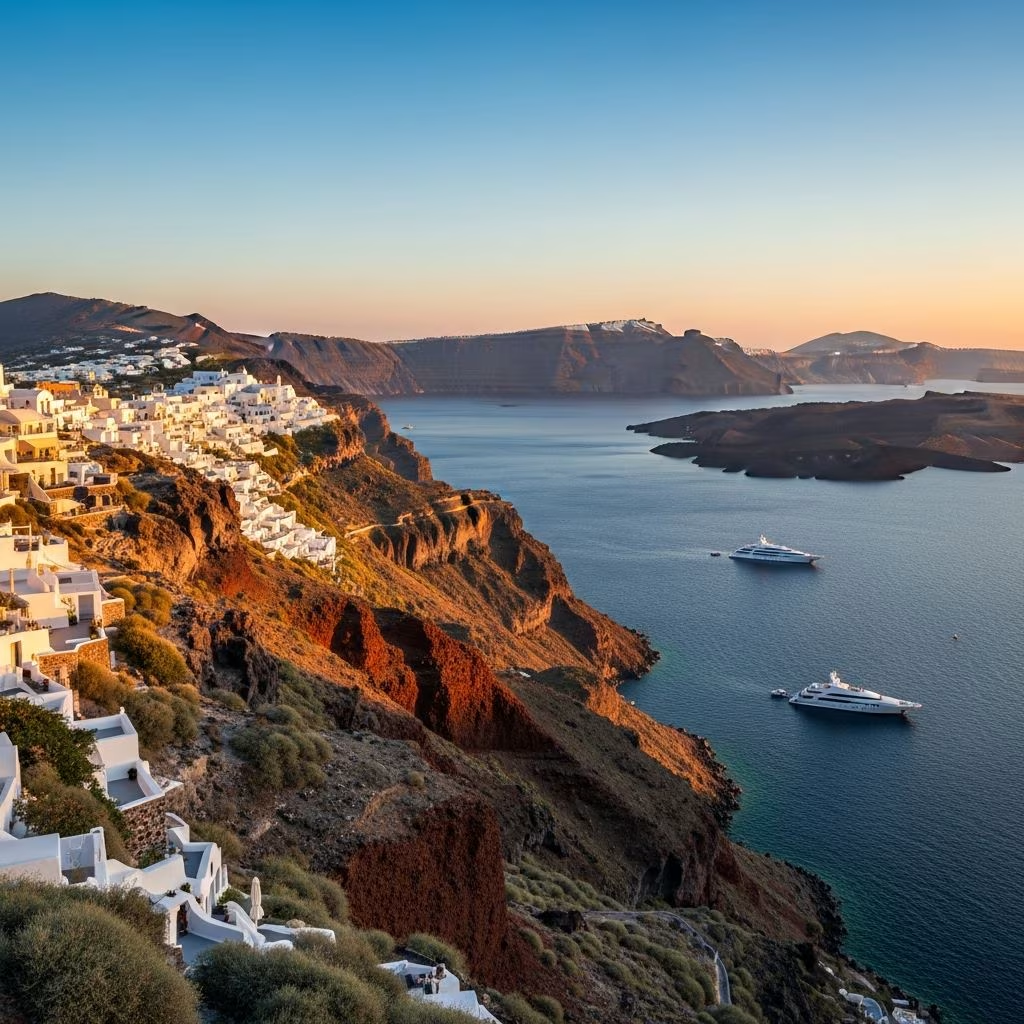
Santorini stands as one of Europe’s most captivating destinations, celebrated for its dramatic geological features and Mediterranean charm. The island’s defining characteristic—a massive water-filled crater known as a caldera—resulted from one of history’s largest volcanic eruptions, fundamentally reshaping the landscape and creating the breathtaking scenery that attracts millions of visitors annually. This volcanic heritage permeates every aspect of the island’s appeal, from its distinctive architecture to its unique natural attractions. Whether you seek cultural immersion, physical adventure, or simply unforgettable views, Santorini delivers an extraordinary range of experiences tailored to every traveler’s interests.
The village of Oia has become synonymous with Santorini’s most celebrated experience: witnessing the sun descend into the Aegean Sea while framed by whitewashed Cycladic architecture. This pilgrimage attracts thousands daily, transforming the narrow streets and clifftop vantage points into gathering spaces where visitors pause to observe nature’s evening spectacle. The phenomenon occurs because Oia sits at the island’s western perimeter, offering unobstructed views across open water as daylight fades.
The sky undergoes a remarkable transformation during sunset hours, displaying a succession of warm tones—brilliant oranges and coral hues gradually yielding to softer purples and deepening blues. The Oia Castle ruins, positioned at the western cliff edge, provide an elevated observation platform particularly prized by photographers. Alternatively, the multiple terraces and clifftop pathways throughout Oia’s caldera-facing neighborhoods offer equally compelling vantage points. Arriving considerably before sunset proves essential, as popular viewing spots fill to capacity during peak season. The experience combines natural spectacle with architectural beauty, as whitewashed cubic structures and characteristic blue-domed churches create a picturesque foreground to the dramatically illuminated sky and sea.
The hiking route connecting Fira and Oia traverses approximately 10 kilometers along the caldera’s dramatic rim, offering one of the world’s most visually rewarding walking experiences. This moderately challenging trail typically requires 2 to 4 hours depending on individual pace and frequency of stops at scenic overlooks. Hikers traverse volcanic terrain while continuously observing the massive crater lake that defines the island’s geological identity.
The path winds through traditional settlements and past cascading whitewashed villages, providing intimate perspectives unavailable from roads or vessels. Volcanic cliffs in shades of black, red, and white surround the route, reflecting the island’s complex geological composition. The trail rewards persistent hikers with progressively grander views of the Aegean Sea, neighboring volcanic islands within the caldera, and the surrounding Cycladic archipelago. Early morning or late afternoon departures avoid midday heat intensity. Essential preparations include abundant water supplies, sun protection, and appropriate footwear for irregular volcanic surfaces. The hike successfully combines cardiovascular exercise with visual stimulation, making it ideal for active travelers seeking immersion in Santorini’s most distinctive landscape.
Multi-hour boat excursions venture into the caldera itself, providing access to volcanic formations and geothermal phenomena unavailable from land. These tours typically operate as 6 to 8-hour experiences departing from major ports, with itineraries commonly including visits to Nea Kameni and Palea Kameni—the active volcanic islands that form the caldera’s interior.
At Nea Kameni, visitors walk across relatively recent lava fields, observing barren volcanic rock formations and occasional steam vents. The island’s crater remains accessible via hiking trails that ascend the volcanic cone, offering perspectives on ongoing geological processes. Palea Kameni features natural hot springs where mineral-rich waters—colored distinctly orange by iron oxide and sulfur deposits—create a unique bathing experience. The thermal waters maintain therapeutic temperatures year-round, attracting visitors seeking health benefits alongside the novelty of bathing in naturally heated volcanic springs. Boat-based excursions also typically navigate along the island’s southern coast, revealing dramatic cliff formations in contrasting colors and allowing swimmers to access black sand beaches inaccessible by land. These comprehensive maritime experiences effectively distill Santorini’s volcanic character into single-day itineraries.
Santorini’s volcanic soil imparts distinctive mineral qualities to its wine production, particularly affecting the island’s renowned white varieties. Wine tasting facilities throughout the island offer structured experiences showcasing local viticultural traditions and sampling opportunities. Establishments like Santo Winery combine tasting sessions with architecture that maximizes caldera views, creating multisensory experiences blending education with scenic appreciation.
The island’s wine industry thrives despite challenging growing conditions, with vines cultivated low to the ground and trained in basket formations to withstand persistent Aegean winds. Local grape varieties, particularly Assyrtiko, have developed distinctive characteristics through generations of cultivation in this unique terroir. Professional tastings typically encompass multiple wines ranging from crisp whites to fuller-bodied reds, accompanied by local cheeses and produce. Wine tourism provides economic diversification beyond sunset tourism while connecting visitors to agricultural heritage extending back centuries. Evening wine experiences frequently conclude as sunset occurs, combining cultural education with the island’s most celebrated natural phenomenon.
Beyond the well-publicized attractions, Santorini contains numerous lesser-known coastal destinations offering distinctive experiences. Red Beach, located on the island’s southern coast near Akrotiri village, displays unusual geological characteristics as its entire cliff face comprises red volcanic rock—a rare phenomenon globally. The distinctive coloration results from specific mineral compositions in ancient lava flows, creating striking visual contrast against the sea. Short walks to designated viewpoints reveal the full extent of this natural oddity without requiring extensive hiking commitment.
Ammoudi Bay, positioned beneath Oia village, functions as a seaside dining destination while simultaneously serving as a launching point for adventurous water activities. The bay’s deeper sections and rock formations create opportunities for cliff jumping—a thrilling summer activity popular among local youth and daring visitors. Accessed via steep paths descending from village restaurants, the jumping location features distinctive white-washed churches positioned atop rocky outcrops, with ropes facilitating climbs to approximately 20-foot jumping elevations. Water depths and safety conditions require careful assessment before participation.
Vlychada Beach and Kamari Beach offer black sand shores resulting from volcanic mineral deposits. These beaches provide more relaxed alternatives to crowded village centers, allowing visitors to swim and sunbathe within the island’s volcanic landscape. Black sand retains heat substantially more than conventional beaches, requiring footwear for comfortable beach navigation during peak summer conditions.
Santorini contains multiple archaeological locations revealing complex settlement histories preceding modern tourism development. Ancient Thera, constructed atop Mesa Vuono hill, represents a lesser-visited site offering superior opportunities for undisturbed historical exploration. Named after Spartan settler leaders, the site features outdoor structures with informational signage explaining historical contexts. Though not as extensively documented as nearby Akrotiri, Ancient Thera’s hilltop location combined with substantial structural preservation creates engaging visitor experiences enhanced by panoramic Aegean views.
Akrotiri’s preserved Bronze Age settlement reveals sophisticated urban planning and artistic accomplishment within Minoan civilization. The site’s protected structures and intact artifacts provide archaeological evidence of advanced ancient societies predating Classical Greece. The relatively crowded nature of Akrotiri contrasts sharply with Ancient Thera’s tranquility, allowing travelers to select experiences matching their preferences regarding crowd density and exploration style.
Summer months (May through September) enable multiple water and land-based activities becoming impractical during cooler seasons. Scuba diving opportunities explore underwater volcanic formations and marine ecosystems. Horseback riding excursions traverse interior trails connecting traditional villages and agricultural areas. ATV expeditions ascend Messavouno mountain, providing elevated perspectives on island geography while combining motorized adventure with controlled environmental interaction.
The extended summer season creates ideal conditions for extended outdoor engagement, with bright sunlight intensifying the azure sea coloration and warm temperatures supporting comfortable water immersion. Conversely, shoulder seasons (April-May and September-October) offer reduced crowds and moderately pleasant conditions, though some specialized activities may operate on limited schedules.
Timing visits strategically significantly enhances experience quality. Sunset viewing in Oia requires arrival 60-90 minutes beforehand to secure satisfactory viewing positions during peak season. Early morning hiking along the caldera rim minimizes heat exposure and maximizes photo quality from favorable lighting angles. Boat excursions typically depart mornings, completing activities with afternoon returns. Wine tasting facilities often close during mid-afternoon hours.
Accommodation selection influences overall accessibility to attractions. Staying in Oia or Fira positions visitors centrally relative to major sites, though accommodations command premium pricing. Smaller villages offer more economical lodging while requiring longer commute times to principal attractions. Transportation via rental vehicles, public buses, or organized tours each present distinct advantages balancing convenience against expense.
May through September offers warm weather and full activity availability, though June-August experiences peak crowds and elevated prices. April-May and September-October provide pleasant conditions with substantially reduced tourist density.
The 10-kilometer route qualifies as moderate difficulty, requiring reasonable fitness levels and substantial endurance. Proper footwear and hydration prove essential for safe completion.
Boat tours operate year-round, though winter conditions may occasionally restrict departures. Summer ensures consistent daily operations.
Essential items include abundant water (minimum 2 liters), high-SPF sunscreen, hat or sunglasses, and proper hiking footwear. Morning starts help mitigate afternoon heat intensity.
Arriving 90 minutes early or selecting less-celebrated viewing areas reduces congestion. Alternative locations along the caldera rim provide comparable views with fewer visitors.
Santorini’s attractions span cultural immersion, physical adventure, natural phenomena, and historical discovery, accommodating diverse visitor preferences and activity tolerance levels. Strategic planning that sequences activities according to location, time requirements, and personal interests maximizes experience value while minimizing travel inefficiency. Whether prioritizing sunset romance, athletic challenge, geological education, or cultural exploration, Santorini delivers extraordinary Mediterranean experiences grounded in distinctive volcanic character and Cycladic heritage.
