

 Travel Essentials
 Travel Essentials

Explore Siem Reap beyond Angkor Wat with unique cultural performances, floating villages, culinary experiences, and historical insights that reveal the heart of Cambodia.
 Travel Essentials
Siem Reap stands as one of Southeast Asia’s most captivating destinations, drawing millions of visitors annually who seek to connect with Cambodia’s rich heritage and natural splendor. While the monumental temples of Angkor dominate travel itineraries, this vibrant city offers a remarkable spectrum of experiences that extend far beyond ancient architecture. From the rhythmic pulse of local markets to the serene beauty of freshwater ecosystems, Siem Reap presents opportunities for travelers to engage authentically with Cambodian culture, cuisine, and landscapes.
The temple complexes surrounding Siem Reap represent humanity’s most ambitious architectural achievements and remain the cornerstone of any visit to this region. Angkor Wat stands as the largest religious monument in the world, constructed during the 12th century as a testament to Khmer engineering and artistic mastery. The temple’s intricate bas-reliefs depict scenes from Hindu mythology and chronicle the historical narratives of the Khmer Empire, with each carved detail revealing sophisticated understanding of sculpture and storytelling.
Visitors planning to explore the temple complex should allocate at least two days to comprehensively experience the various sites. The broader Angkor archaeological park encompasses numerous temples beyond Angkor Wat itself, including Bayon Temple with its distinctive stone faces, Ta Prohm with its dramatic intertwining of nature and architecture, and Pre Rup, which offers commanding vistas during sunset hours. Many travelers find it beneficial to visit the Angkor National Museum before exploring the temples themselves, as the museum’s comprehensive exhibits provide historical context that enriches the temple experience. The museum charges $12 for adult admission and operates from 8:30 AM to 6:00 PM.
Beyond the archaeological wonders lies a vibrant contemporary arts scene that tells distinctly Cambodian stories through performance. Phare, The Cambodian Circus represents one of Southeast Asia’s most acclaimed live entertainment experiences, combining traditional theatre, music, dance, and modern circus arts to present narratives drawn from Cambodian history, folklore, and contemporary life. The performances feature talented young artists who deliver high-energy acrobatic displays including tightrope work, fire dancing, and aerial ballet, all presented without the use of animals.
The intimate circus tent setting amplifies the emotional connection between performers and audience members, creating an atmosphere that transcends typical tourism entertainment. Rather than presenting generic spectacle, Phare’s shows maintain a commitment to cultural authenticity while achieving world-class production standards. Audiences consistently rate Phare as the top-rated cultural performance available in Siem Reap.
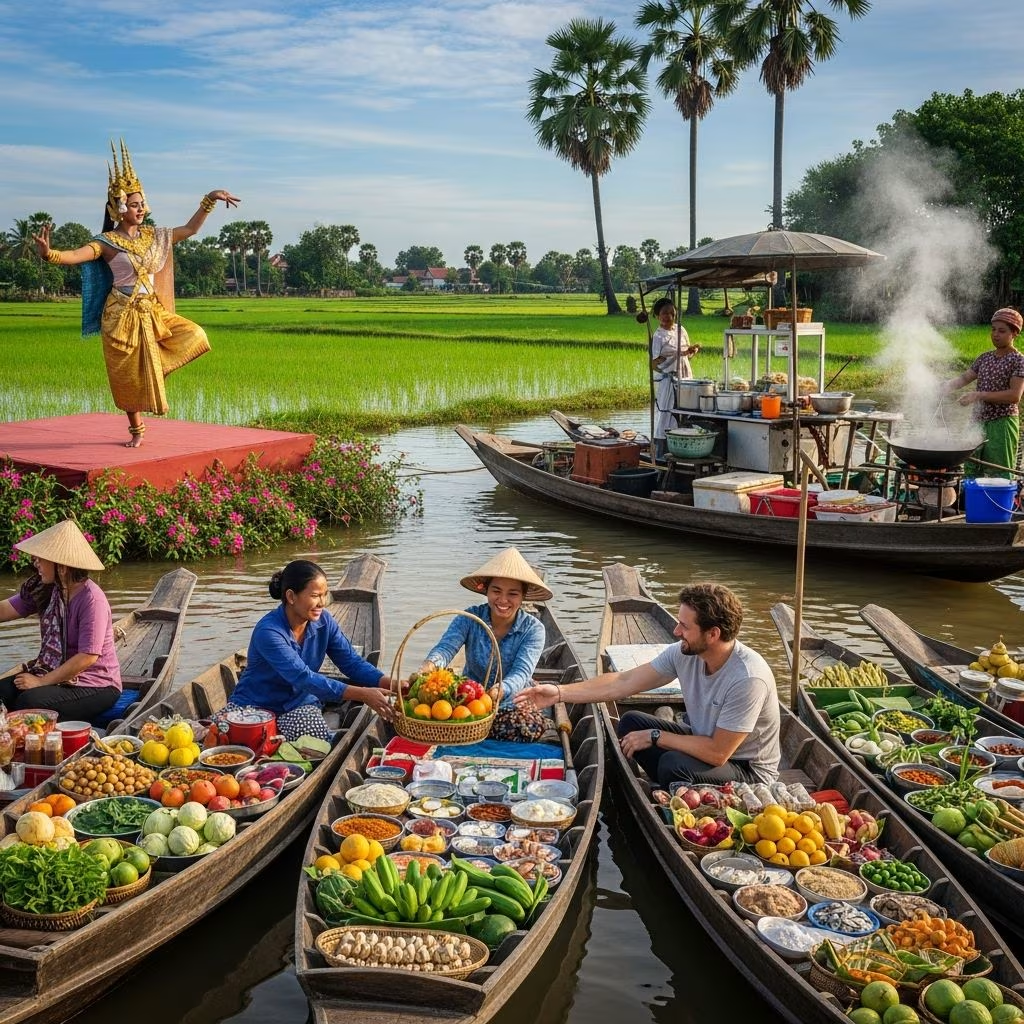
Additional cultural experiences include traditional Apsara dance performances, which showcase classical Khmer dance forms through elaborate costumes and graceful movements. Evening performances typically occur at cultural restaurants and dedicated performance venues throughout the city.
Cambodian gastronomy reflects centuries of cultural exchange and agricultural tradition, with dishes that balance aromatic herbs, fresh vegetables, and carefully calibrated spice levels. Taking a traditional Khmer cooking class provides hands-on education in Cambodia’s distinctive flavors and techniques. These classes typically occur in small group settings where participants visit local markets to select ingredients before returning to cooking facilities to prepare multiple dishes.
The culinary experience extends beyond cooking instruction to encompass understanding ingredient sourcing, regional variations, and the cultural significance of particular dishes. Many cooking schools include meal components featuring plant-based preparations that reflect the substantial vegetarian traditions within Cambodian cuisine. Dining in traditional Cambodian restaurants situated throughout Siem Reap offers alternative opportunities to experience authentic flavors prepared by culinary professionals.
Just outside Siem Reap’s urban boundaries lie expansive lotus flower fields that provide both aesthetic beauty and practical utility. Lotus flowers serve multiple purposes within Cambodian culture, functioning as ingredients in traditional dishes, natural medicine preparations, and herbal tea production. Visitors can arrange tours through lotus farming areas to learn about cultivation processes and the plant’s role in local livelihoods.
Many farms have constructed small pavilions and sitting areas positioned throughout the fields, allowing visitors to enjoy meals while surrounded by flowering blooms. These locations provide exceptional photographic opportunities and moments for quiet reflection amidst natural scenery. Transportation to lotus farms is readily accessible via personal scooter, bicycle, or through ride-sharing applications like Grab.
Tonlé Sap Lake represents Southeast Asia’s largest freshwater lake, creating an environment where distinctive floating villages have developed over generations. These communities, including Kampong Phluk and Kampong Khleang, showcase traditional Cambodian life adapted to aquatic environments, with fishing serving as the primary livelihood and waterways functioning as roads connecting residents to schools and workplaces.
Respectful visitation to floating villages requires understanding that these are living communities rather than tourist attractions, demanding consideration for residents’ privacy and daily routines. Day-trip tours departing from Siem Reap can be combined with other activities, such as countryside jeep tours or bicycle excursions, and often include meals at scenic locations.
For those seeking more active water engagement, ICF Wake Park offers water sports opportunities including wakeboarding and water skiing, providing contrast to temple-focused activities and delivering enjoyable recreational experiences in aquatic settings.
Cambodia’s 20th-century history carries profound significance within the nation’s contemporary identity. The Killing Fields sites provide education about Cambodia’s 1970s genocide through preserved locations and interpretive signage. While the most extensive Killing Fields complex is located in the capital Phnom Penh, smaller sites exist near Siem Reap that document this tragic period on a more intimate scale.
The Cambodia Landmine Museum and Cambodian Genocide Museum offer comprehensive exhibits that contextualize these historical events and their ongoing impacts on contemporary Cambodian society. Visiting these institutions develops nuanced understanding of Cambodia’s resilience and recovery processes.
Siem Reap’s markets provide windows into local commerce and offer opportunities to support traditional craftspeople. Psar Chaa (Old Market) functions as the city’s oldest Khmer market, featuring fresh produce, herbs, and handcrafted souvenirs. This location attracts both locals conducting daily shopping and tourists seeking authentic merchandise.
Walking along the Siem Reap River through the city center provides leisurely free activities that reveal urban character and connectivity. Recent archaeological research has determined that this waterway represents an artificial channel created during the Khmer Empire period. Multiple bridges span the river, facilitating easy pedestrian crossing and exploration of different neighborhoods.
Balancing intensive sightseeing with personal wellness enhances overall travel experiences. Siem Reap offers numerous spa facilities providing traditional massage treatments and wellness services. Swimming pool facilities at various accommodations provide refreshing respites during warm afternoons. These activities allow travelers to maintain physical vitality while managing the demands of extensive exploration.
Optimal Siem Reap visits typically span 3-5 days, allowing comprehensive temple exploration combined with cultural and recreational activities. Consider allocating your schedule as follows:
Visitors should arrange accommodation centrally in Siem Reap town to minimize travel time to attractions. Most activities are accessible through established tour operators, hotel concierge services, or ride-sharing applications.
Cambodia’s tropical climate features monsoon and dry seasons affecting visitation comfort. The dry season (November through March) offers optimal conditions with reduced rainfall and moderate temperatures. The monsoon season (June through October) brings substantial precipitation that transforms landscapes into verdant environments but creates challenging travel conditions.
Most travel experts recommend 3-5 days minimum, with at least 2 days dedicated to temple exploration. This timeframe permits comprehensive Angkor complex visitation combined with cultural activities and local experiences.
While independent exploration is possible, professional guides significantly enhance understanding of architectural details, historical contexts, and hidden temple features. Guides are particularly valuable for temple sites like Ta Prohm and Bayon where historical narratives require interpretation.
Yes, floating village tours accommodate families, though transportation methods and physical demands vary among different tour operators. Select operators specifically marketing family-friendly options and verify accessibility for young travelers.
Early morning visits (shortly after sunrise) provide optimal photography conditions with fewer crowds and cooler temperatures. Sunset visits at elevated temples like Pre Rup offer dramatic lighting and panoramic vistas.
Yes, many tour operators offer combination packages integrating temple exploration with water sports, countryside drives, cooking classes, and cultural performances.
