

 Travel Essentials
 Travel Essentials

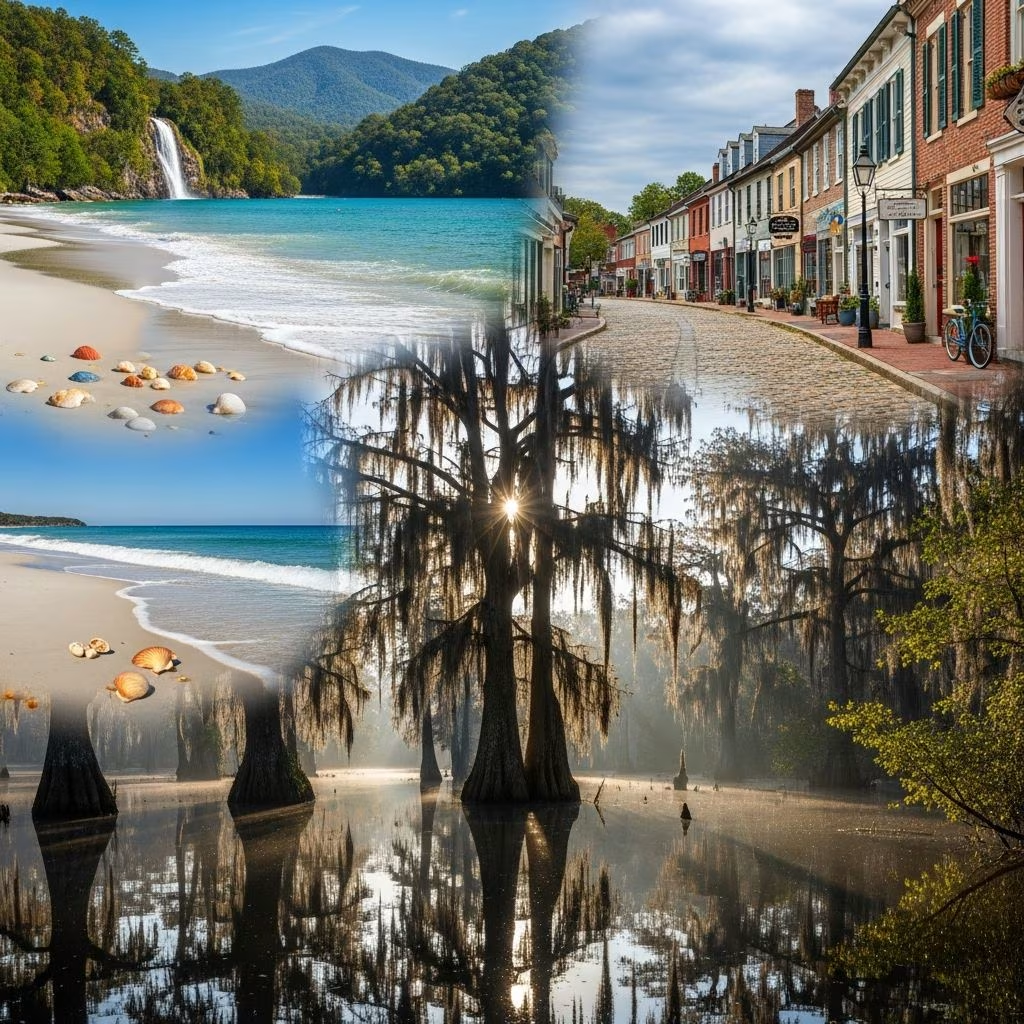
Explore South Carolina's diverse regions from coastal beaches to mountain retreats, featuring historic sites, gardens, and vibrant cities beyond the typical tourist trail.
 Travel Essentials
South Carolina represents a tapestry of American heritage, natural beauty, and Southern hospitality that extends far beyond what casual visitors typically experience. The state’s appeal lies not in singular attractions but in the diverse ecosystems and cultural centers scattered throughout its geography. From the Atlantic coastline to the Blue Ridge foothills, South Carolina offers travelers a genuine connection to the American South’s complexity and charm.
Understanding South Carolina requires moving beyond Charleston’s well-documented squares to appreciate the full breadth of what the state offers. Each region maintains distinct characteristics that reflect local history, geography, and community values. This regional approach to exploration reveals why the state has become increasingly popular among travelers seeking authenticity over conventional tourism.
South Carolina’s coastal regions represent more than beach destinations. These areas embody centuries of American history, architectural significance, and natural preservation efforts that create layered travel experiences. The Atlantic coastline stretches across multiple distinct communities, each with individual character and purpose.
Charleston’s Historic Waterfront serves as the cultural anchor for the entire state. The city’s relationship with water shaped American history—from colonial commerce to Civil War battlegrounds visible from harbor tours. Walking through neighborhoods reveals architectural patterns spanning three centuries, with rainbow-colored historic row houses providing visual testament to preservation efforts. The city’s food culture deserves particular attention, as restaurants interpret Lowcountry cuisine through contemporary techniques while maintaining traditional flavor profiles.
Beyond Charleston’s immediate downtown, surrounding areas offer complementary experiences. Fort Sumter’s position in Charleston Harbor connects visitors directly to pivotal Civil War moments. The Charleston Museum provides context for understanding regional history from pre-colonial periods through modern eras. Art institutions like the Gibbes Museum showcase American visual traditions within Beaux Arts architecture that itself merits study.
Myrtle Beach represents coastal tourism at a different scale. The boardwalk culture, amusement parks, and entertainment venues create a family-oriented atmosphere distinct from Charleston’s historical focus. Broadway at the Beach combines shopping, dining, and attractions within a planned entertainment district. The beach itself maintains sandy shorelines for swimming, surfing, and water sports activities popular among families and youth travelers.
Hilton Head Island demonstrates how coastal development can balance commercial success with environmental preservation. The boot-shaped island maintains a more refined atmosphere than traditional beach towns, with golf courses designed by internationally recognized architects. The Sea Pines Forest Preserve protects maritime forests and wildlife habitats while remaining accessible to visitors. Bicycle trail networks throughout the island provide alternative transportation and recreation opportunities aligned with environmental stewardship principles.
Moving westward from the coast, South Carolina’s terrain rises gradually, creating distinct environmental zones and supporting different economic and cultural foundations. This transitional landscape includes both natural attractions and revitalized urban centers.
Greenville exemplifies urban renewal and cultural renaissance in the Piedmont region. The downtown Falls Park sits at the convergence of local waterways, creating a natural focal point for civic life. The park’s design incorporates historic elements while providing modern recreational amenities. The city’s economic transformation from textile manufacturing to technology and healthcare sectors has created investment in cultural institutions, restaurant scenes, and entertainment venues. Local museums and galleries reflect the region’s industrial heritage while promoting contemporary artistic expression.
Caesars Head State Park marks the transition into higher elevations where visitors encounter Appalachian forest ecosystems and dramatic overlook vistas. The park’s position at approximately 3,000 feet elevation creates climate conditions distinct from coastal areas. Hiking trails range from accessible walks to challenging mountain paths, accommodating various fitness levels. The geological formations visible from overlooks tell stories of Appalachian mountain-building processes spanning hundreds of millions of years.
Beaufort bridges coastal and Piedmont characteristics geographically and culturally. The town maintains a historic waterfront with preserved architecture and community-focused public spaces. Live oak trees draped with Spanish moss create distinctive visual character throughout the landscape. The area’s significance in American film and literature has attracted cultural professionals and artists seeking authentic community environments.
South Carolina’s gardening tradition reflects centuries of cultivation expertise, aesthetic refinement, and ecological knowledge. Multiple significant garden sites showcase different design philosophies and horticultural approaches.
Magnolia Plantation and Gardens represents one of America’s longest-operating horticultural sites. The property demonstrates the evolution of garden design from formal Victorian arrangements to naturalistic woodland plantings. The extensive collection of camellias, azaleas, and native plants creates seasonal visual transformations. Walking the grounds reveals how landscape designers work with topography and water features to create spatial experiences. The plantation’s broader historical significance requires honest acknowledgment of its complicated heritage involving enslaved labor.
Brookgreen Gardens combines horticultural presentation with sculpture curation. The garden spaces integrate artwork with plantings, creating layered artistic experiences. Native plant conservation efforts demonstrate commitment to preserving local flora while creating beautiful landscapes. Educational programs explain ecological relationships and design principles underlying successful gardens.
Middleton Place offers additional perspectives on historic garden design and plantation landscapes. The terraced gardens and water features demonstrate eighteenth-century aesthetic principles adapted to Carolina’s Low Country conditions. The site’s historical documentation helps visitors understand how such properties functioned within broader economic and social systems.
South Carolina offers extensive outdoor recreation opportunities through public lands, water systems, and established trail networks designed for various activity levels.
The Palmetto Trail represents ambitious conservation planning and recreational infrastructure. Spanning approximately 500 miles from mountain regions to coastal areas, the trail system connects existing pathways with newly constructed segments. The project demonstrates how trails can provide recreational access while promoting land conservation. Hikers can experience diverse ecosystems and regional variations by traversing sections rather than committing to the entire route.
The Santee Cooper Lakes system comprises two massive reservoirs in the state’s interior that support recreation and wildlife habitat. Lake Marion’s position offers opportunities for paddling, fishing, and water-based camping. The surrounding national forest lands contain hiking trails and preserve Indian mounds dating back approximately 3,500 years. Evening sunsets over these water bodies create natural photography subjects and contemplative moments for visitors.
South Carolina’s food traditions reflect African, European, and Native American influences merged through centuries of cultural interaction. Understanding regional cuisine provides insight into local history and community values.
Lowcountry cooking emphasizes rice dishes, seafood preparations, and ingredients adapted to coastal climate conditions. Shrimp and grits represent iconic preparations combining protein, starches, and flavorful sauces. Fried chicken and collard greens demonstrate comfort food traditions maintained across generations. Contemporary chefs interpret these foundations using modern techniques while maintaining respect for traditional flavor profiles.
Columbia serves as the state capital and cultural center supporting diverse dining establishments reflecting global cuisines. The Vista district and Five Points neighborhood concentrate restaurants, bars, and entertainment venues creating vibrant evening atmospheres. The Riverbanks Zoo provides family attractions complementing urban dining and cultural experiences.
| Region | Best Season | Primary Activities | Accommodation Style |
|---|---|---|---|
| Coastal Areas | April-May, September-October | Beach recreation, historical tours, dining | Hotels, resorts, vacation rentals |
| Piedmont Cities | Spring, fall | Cultural events, dining, urban exploration | Downtown hotels, boutique inns |
| Mountain Regions | Fall for foliage, spring for wildflowers | Hiking, scenic overlooks, nature photography | Mountain lodges, cabins |
| Garden Sites | March-May for peak blooms | Garden tours, photography, education | Historic inns, nearby town hotels |
Seasonal considerations affect both weather conditions and crowd levels significantly. Spring months (April-May) offer mild temperatures and peak garden blooms. Fall (September-October) provides comfortable weather and reduced summer crowds. Summer attracts families but brings heat and humidity, particularly in coastal areas. Winter weather remains generally mild in most regions, though mountain areas may experience occasional snow.
Spring (April-May) and fall (September-October) offer ideal weather conditions with mild temperatures and manageable crowds. Spring particularly suits garden visits when blooming peaks occur. Fall provides excellent hiking conditions as temperatures cool and foliage changes occur in mountain regions.
A meaningful visit requires minimum 4-5 days to experience at least two regions thoroughly. Charleston alone merits 2-3 days. Combining coastal and mountain experiences benefits from 7-10 day itineraries allowing time for driving and genuine exploration rather than rushed tourism.
Charleston represents a major attraction but overlooks significant regional offerings. Greenville’s cultural renaissance, mountain recreation opportunities, beach alternatives at Hilton Head, and garden destinations offer distinct experiences unavailable in Charleston specifically.
Options include hiking via the Palmetto Trail and state park systems, paddling on lakes and rivers, golfing at courses ranging from public to championship venues, biking on trail networks, fishing in both freshwater and saltwater, and general wildlife observation throughout natural areas.
Lodging costs vary significantly by location and season. Coastal resort areas command premium rates, particularly during summer months. Mountain areas, smaller towns, and shoulder season visits offer more economical options. South Carolina maintains accommodations across all budget ranges from luxury resorts to modest inns and vacation rentals.
South Carolina’s significance for American travelers extends beyond conventional tourism motivations. The state represents a place where multiple historical narratives intersect, where natural diversity supports varied recreational interests, and where authentic community culture remains accessible to thoughtful visitors. The combination of historical sites, culinary traditions, natural landscapes, and preserved communities creates travel experiences that satisfy both curiosity and relaxation preferences.
Visitors departing South Carolina frequently express surprise at the depth and variety discovered during their stays. Initial expectations shaped by coastal stereotypes or historical focus expand through genuine regional exploration. This discovery pattern reflects how the state rewards travelers willing to venture beyond predictable tourist routes and engage with communities on their own terms.
South Carolina’s warm hospitality genuinely reflects genuine community character rather than commercialized tourism performance. This authenticity, combined with landscape diversity and cultural richness, explains the state’s increasing popularity among travelers seeking meaningful Southern experiences beyond standard vacation patterns.
