

 Travel Essentials
 Travel Essentials

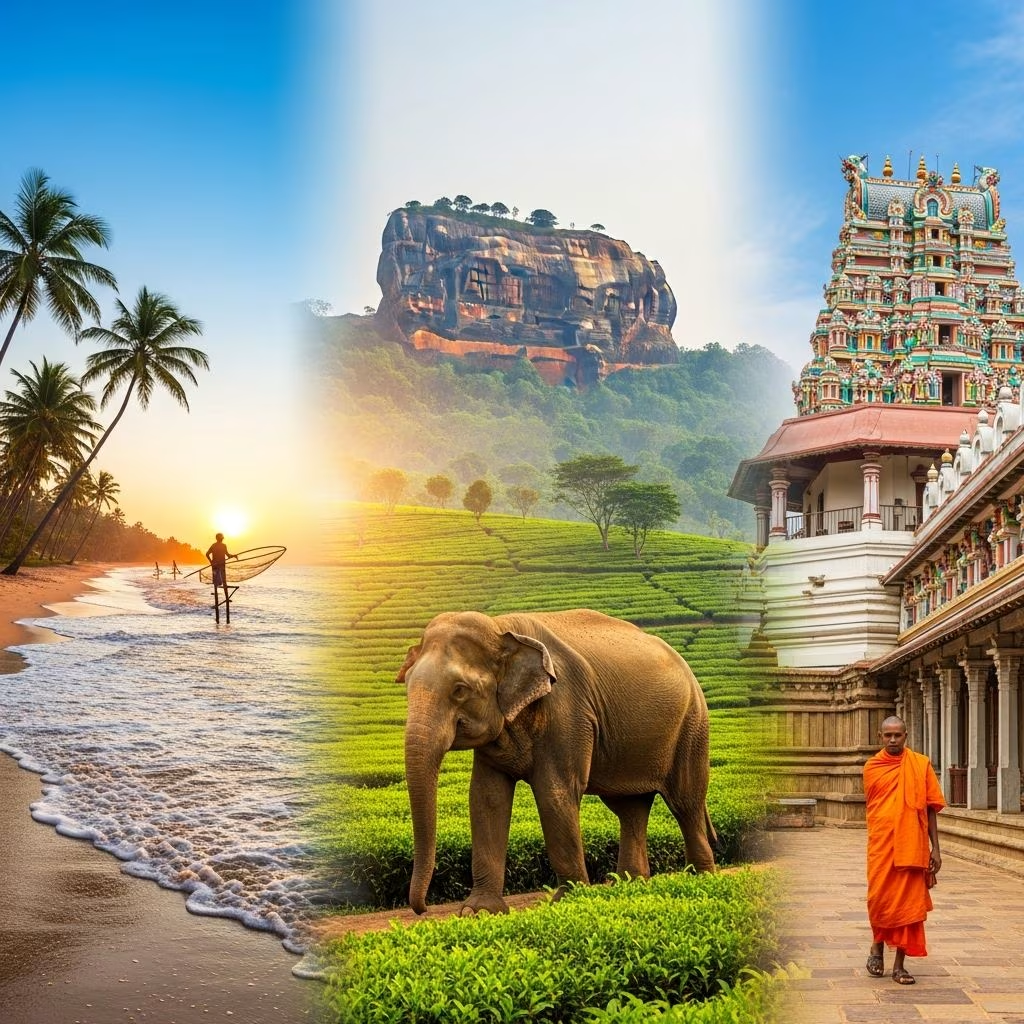
Explore Sri Lanka's top destinations including iconic rock formations, UNESCO heritage sites, national parks, and cultural landmarks that define this island nation's rich history.
 Travel Essentials
Sri Lanka stands as one of Asia’s most compelling travel destinations, offering an extraordinary diversity of experiences compressed into a relatively compact island nation. This teardrop-shaped island in the Indian Ocean presents visitors with an remarkable array of attractions spanning ancient civilizations, pristine natural environments, and vibrant cultural traditions. Whether you’re seeking adventure, spiritual enlightenment, relaxation, or historical exploration, Sri Lanka delivers an experience that resonates long after your departure.
The most recognizable landmark in Sri Lanka remains its celebrated rock fortress, a geological marvel that rises dramatically from the surrounding rainforest landscape. This 1,200-step climb presents visitors with one of the island’s most rewarding physical challenges. The ascent, though demanding in the tropical heat, culminates at an ancient palace constructed during the 5th century—a testament to the remarkable engineering capabilities of Sri Lanka’s historical inhabitants. The views from the summit encompass vast stretches of jungle, constructed lakes, and terraced gardens that showcase sophisticated water management systems developed over 1,500 years ago.
For those seeking alternative perspectives, the adjacent granite outcropping offers equally spectacular vistas without the crowded pathways of the main attraction. Early morning visits to this secondary peak coincide with sunrise, providing an ideal vantage point for observing the primary fortress bathed in golden light. The entrance fee typically ranges from $30 to $40 USD, with early morning access rewarding visitors with solitude and optimal photography conditions.
The medieval city complex located in the central region preserves remarkably intact ruins from Sri Lanka’s ancient kingdoms. This archaeological park showcases the architectural evolution across different periods, with structures demonstrating South Indian influences acquired through historical invasions and cultural exchanges. Notable features include monumental stone Buddha figures carved from solid granite, intact religious structures rising over 50 meters, and a carefully arranged ceremonial quadrangle representing the artistic pinnacle of medieval construction techniques.
Visitors planning comprehensive archaeological tours should prioritize morning arrival to navigate the expansive site before midday heat intensifies. Weekday visits significantly reduce crowds compared to weekends and holiday periods, allowing for uninterrupted exploration and contemplation. The combination of well-preserved religious structures and administrative buildings provides substantial insight into how ancient kingdoms functioned and organized their urban centers.
Sri Lanka’s most impressive repository of Buddhist art resides within five interconnected cave chambers containing over 150 individually crafted Buddha statues and elaborate frescoes. This sanctuary, positioned in the island’s cultural heartland, represents one of the most significant Buddhist pilgrimage destinations in the region. The artistic sophistication displayed through intricate facial expressions and varied meditation postures demonstrates the refined sculptural traditions that flourished in medieval Sri Lankan Buddhist communities.
The experience of entering these caverns, where statues range from diminutive figures to colossal seated Buddhas, creates an atmosphere of profound spiritual presence. Visitors should plan extended time for this site, as adequate appreciation requires careful observation of sculptural details and fresco preservation efforts undertaken over recent decades.
Among the world’s oldest continuously maintained Buddhist sites stands an ancient tree grown from a cutting of the original tree under which Buddha attained enlightenment. Located in the island’s northern cultural heartland, this living monument has been religiously protected for approximately 2,300 years. The surrounding temple complex, recognized as a UNESCO World Heritage site, draws Buddhist pilgrims from throughout Asia and represents one of the most important religious destinations in the Buddhist world.
Sri Lanka’s most sacred mountain holds religious significance across multiple faiths, with Buddhists believing the summit contains an impression of Buddha’s foot, while Islamic, Hindu, and Christian traditions recognize the mountain through their own theological frameworks. The 7-kilometer ascent involving approximately 1,500 steps rewards dedicated hikers with breathtaking panoramic vistas encompassing the entire island’s geography. Most trekkers complete the summit push within three hours, though the experience proves equally rewarding during sunset hours when the surrounding landscape transforms into shades of amber and crimson.
The hike carries no formal entrance fee, though pilgrims traditionally make voluntary donations at the summit shrine. This relatively accessible mountain experience attracts enthusiasts of varying fitness levels, making it one of the island’s most democratized adventure activities.
Within the elevated tea-growing regions, smaller peaks offer similarly spectacular mountain experiences with considerably shorter climbing times. A particularly popular morning excursion involves ascending to a viewpoint overlooking emerald-colored tea plantations and mist-shrouded valleys. The three-kilometer walk requires approximately 45 minutes to an hour, making it accessible for travelers with limited time or modest fitness levels. The reward consists of sweeping views across the interior highlands where terraced tea gardens create distinctive geometric patterns across mountainous terrain.
Sri Lanka maintains several protected ecosystems where visitors can observe the island’s remarkable fauna in natural habitats. These safari destinations feature concentrated elephant populations, with several parks providing opportunities to observe hundreds of these magnificent creatures during seasonal migrations. The island harbors the world’s highest concentration of leopards, though these elusive cats remain challenging to spot even within designated reserves. Early morning safari drives significantly increase wildlife viewing prospects, as animals exhibit heightened activity during cooler hours.
The major reserve complexes feature diverse landscapes ranging from scrubland to dense forest, supporting varied species assemblies. Responsible safari operations prioritize animal welfare and employ experienced guides capable of locating wildlife while maintaining appropriate distances.
The waters surrounding Sri Lanka’s southern coast attract seasonal migrations of the planet’s largest mammals. Between January and April, blue whales congregate in deep ocean channels relatively close to shore, creating rare opportunities for viewing these gentle giants in their natural marine environment. Whale-watching tours operate from the southern town of Mirissa, though booking well in advance proves essential during peak season when commercial interest surges.
These maritime excursions frequently incorporate opportunities to observe dolphins and sea turtles, adding layers of marine biodiversity to the experience. Selecting responsible tour operators—those practicing ethical wildlife observation protocols—ensures positive experiences for both visitors and marine organisms.
The misty highlands of Sri Lanka’s interior sustain some of the world’s finest tea gardens, with commercial production concentrated in specific elevation ranges where atmospheric conditions create ideal growing environments. Visitors traveling through these regions can arrange stops at active plantations where workers engage in hand-harvesting processes unchanged for generations. The sensory experience of witnessing tea production—from leaf selection through processing—connects travelers directly to the agricultural foundations of Sri Lankan commerce and culture.
Tea estate towns offer opportunities to sample freshly brewed selections while enjoying elevated viewpoints overlooking endless rows of cultivated plants. The cooler mountain temperatures and refreshing beverages create memorable experiences contrasting sharply with lowland coastal areas.
Sri Lanka’s beaches have become Instagram destinations partly due to creative recreational installations that combine thrill-seeking with photogenic appeal. A particularly famous rope swing suspended from a beachside tree draws visitors seeking the rush of swinging across tropical waters and sandy shores. These installations represent modern tourism convergence points, where contemporary social media culture intersects with traditional beach relaxation. The minimal cost belies the disproportionate value generated through social sharing and memory creation.
The island’s southern and western coasts host world-class surfing breaks attracting experienced surfers and beginners alike. Designated beach towns provide professional instruction, equipment rental, and communities of water sports enthusiasts. The warm waters, consistent wave patterns, and laid-back beach culture create appealing environments for visitors seeking active coastal experiences beyond traditional sunbathing.
The southern coast preserves a historic fort constructed during European colonial periods, featuring impressive ramparts and architectural elements reflecting international military engineering standards of past centuries. This fortified settlement evolved over centuries through multiple occupations, with each governing power leaving architectural imprints. Contemporary visitors can walk along ramparts offering ocean vistas, explore preserved structures housing shops and restaurants, and observe how historical military infrastructure now serves tourism and residential functions.
The island’s largest urban center contains numerous cultural attractions spanning religious traditions and architectural styles. Modern skyscrapers coexist with historical temples, mosques, churches, and civic buildings representing Sri Lanka’s multicultural heritage. Urban parks provide green spaces within bustling city environments, while museums and galleries showcase artistic traditions and historical narratives relevant to understanding contemporary Sri Lanka.
Historic railway routes connecting cities through mountainous terrain provide travelers with distinctive perspectives unavailable through highway transport. The celebrated journey between the central highlands and the eastern hill town traverses UNESCO-recognized tea country, passing through mountain tunnels and across dramatic viaducts. The nine-hour experience constitutes a journey as much as transportation, with passengers observing landscape transformations while experiencing authentic train travel in tropical environments.
Authentic travel experiences emerge through engagement with local marketplaces where vendors sell agricultural products, crafts, and daily necessities. These commercial hubs reflect genuine economic activity rather than tourist commodification, offering insights into how ordinary Sri Lankans source food, materials, and goods. Morning market visits capture peak activity, with vendors arranging seasonal produce and local merchants establishing their selling positions.
| Destination Category | Best Visiting Season | Estimated Duration | Primary Activities |
|---|---|---|---|
| Mountain Peaks and Highlands | December to March | 2-4 days | Hiking, photography, tea plantation tours |
| Ancient Ruins and Archaeological Sites | Year-round | 1-3 days | Historical exploration, guided tours, education |
| Wildlife Reserves and National Parks | June to September (dry season) | 1-2 days | Safari drives, wildlife observation, photography |
| Beach and Coastal Areas | December to March (west/south); May to September (east) | 3-5 days | Swimming, surfing, water sports, relaxation |
| Religious Sites and Temples | Year-round | Half to full day | Spiritual observation, cultural appreciation, photography |
Most travelers find 7-10 days sufficient to experience the island’s primary attractions across various regions. Shorter visits of 3-4 days concentrate on specific areas, while extended stays enable deeper cultural immersion and relaxation.
December through March generally offers favorable weather across most regions, though specific areas experience optimal conditions during different months. Coastal areas have distinct wet and dry seasons affecting accessibility and comfort levels.
Most popular hikes require only comfortable walking shoes, appropriate clothing, and hydration supplies. More challenging treks may benefit from trekking poles and advanced equipment, but primary attractions remain accessible to average fitness levels.
Selecting responsible tour operators, respecting cultural practices, supporting local businesses, and maintaining appropriate distances from animals ensures positive impacts on both environments and communities.
Sri Lanka’s remarkable concentration of diverse attractions—spanning spiritual significance, natural wonders, historical depth, and adventure opportunities—positions the island as an exceptional travel destination. The accessibility of multiple experience categories within relatively short distances enables travelers to design itineraries matching specific interests and time constraints. Whether prioritizing archaeological exploration, mountain adventures, wildlife observation, or coastal relaxation, Sri Lanka accommodates varied travel styles and preferences. The island’s welcoming culture, affordable tourism infrastructure, and genuine commitment to sharing its heritage create conditions for transformative travel experiences that extend well beyond the duration of physical visits.
