

 Travel Essentials
 Travel Essentials

Explore Tanzania's iconic safari parks, mountain peaks, and coastal treasures. From Serengeti wildlife to Kilimanjaro summits and Zanzibar beaches.
 Travel Essentials
Tanzania stands as one of Africa’s most diverse and captivating destinations, offering travelers an extraordinary spectrum of experiences that range from world-class wildlife viewing to mountain adventures and pristine beach escapes. Nestled in East Africa, this nation presents an unparalleled canvas for exploration, where natural wonders meet rich cultural traditions. Whether you seek the thrill of witnessing nature’s raw power or the tranquility of island paradise, Tanzania delivers experiences that resonate long after your journey concludes.
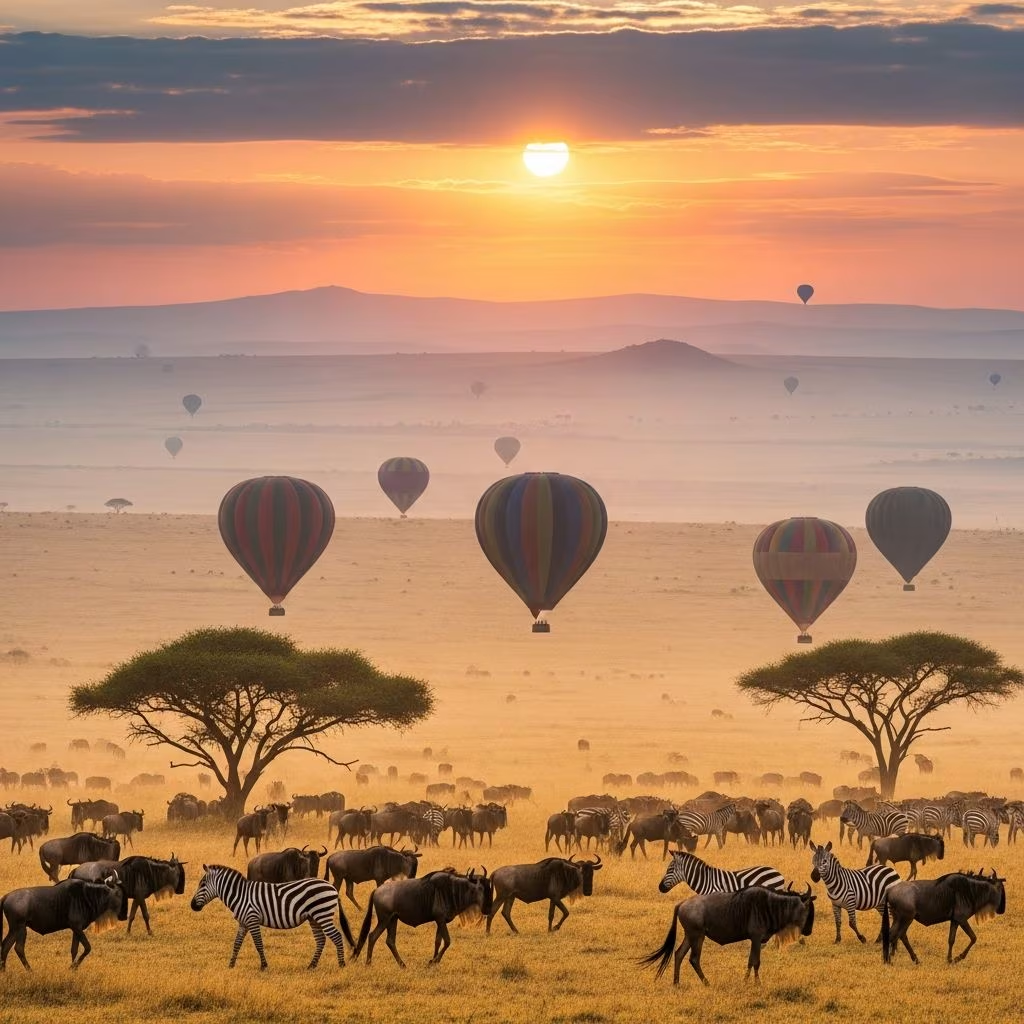
The Serengeti represents the pinnacle of African safari experiences, earning its reputation as one of the world’s most famous wildlife sanctuaries. This vast ecosystem stretches across northern Tanzania, encompassing endless golden plains that teem with diverse animal populations. The park’s name derives from the Maasai word meaning “the place where the land runs on forever,” a description that accurately captures the sense of boundless wilderness visitors encounter.
What distinguishes the Serengeti from other safari destinations is the sheer concentration and variety of wildlife. Lions reign as apex predators across the plains, while massive herds of wildebeest, zebras, and gazelles create a dynamic landscape of constant movement and interaction. Visitors witness predator-prey relationships unfold naturally, observing the delicate balance that has sustained this ecosystem for millennia.
The annual Great Migration stands as nature’s most remarkable phenomenon. Over one million wildebeests and hundreds of thousands of zebras undertake a cyclical journey across the Serengeti and into Kenya’s Maasai Mara, driven by seasonal rainfall patterns and the search for fresh grazing lands. This mass movement of animals creates an awe-inspiring display of nature’s raw power and the survival instincts that drive wildlife behavior.
Optimal viewing times vary depending on specific animal movements. The dry season, typically from June through October, concentrates wildlife around remaining water sources, offering exceptional viewing opportunities. Morning and evening game drives maximize wildlife encounters, as animals are most active during cooler temperatures.
Experiencing the Serengeti from a hot-air balloon adds an entirely new dimension to safari exploration. As dawn breaks, balloons rise into the crisp morning air, providing an ethereal vantage point over the endless plains below. From this unique perspective, the landscape reveals its true scale—thousands of animals appear like tiny figures moving across an immense natural canvas.
The balloon experience captures the magic that has enchanted visitors for centuries. The Maasai people, who have inhabited this region for generations, developed an intimate relationship with this environment, coexisting alongside the extraordinary fauna and flora that define the Serengeti. Modern travelers gain similar perspectives on this harmonious relationship between people and wildlife.
The sensory experience distinguishes balloon safaris from ground-based viewing. The gentle silence of hot-air flight allows visitors to hear natural sounds—bird calls, distant roars, and the movement of herds across grasslands. The combination of visual grandeur and auditory immersion creates memories that surpass traditional safari experiences.
The Ngorongoro Crater represents an ecological marvel and one of Tanzania’s most unique natural formations. This massive caldera, created by the collapse of a volcanic cone millions of years ago, contains a self-contained ecosystem supporting extraordinary wildlife biodiversity. The crater’s distinctive geography creates a natural enclosure that concentrates animal populations, offering visitors exceptional viewing opportunities.
Within the crater’s confines exists an unrivaled diversity of species and habitats. Lake Magadi, a soda lake at the crater’s center, attracts numerous animals seeking water and minerals. The surrounding plains support large populations of herbivores, while predators follow their prey in an intricate ecological dance. Early morning expeditions allow travelers to maximize sighting opportunities, with the entire day available for thorough exploration.
The crater’s unique ecosystem supports populations of animals rarely seen elsewhere, including the endangered black rhinoceros. The enclosed environment has preserved animal populations that might otherwise face pressure from external factors, making the crater a crucial conservation area. Visitors gain insights into how isolated ecosystems function and the importance of protected lands in species preservation.
Mount Kilimanjaro, Africa’s tallest mountain, stands at 5,895 meters and represents both a physical challenge and a spiritual journey. Known as “The Roof of Africa,” this dormant volcano draws adventurers from across the globe seeking to summit its snow-capped peak. The mountain’s prominence in African geography and culture makes reaching Uhuru Peak—the mountain’s highest point, whose name means “freedom” in Kiswahili—a profoundly meaningful accomplishment.
The mountain accommodates climbers of varying experience levels through multiple routes, each offering distinct advantages. While full summit attempts require significant mountaineering experience, lower-elevation day hikes allow less experienced hikers to explore the lush green slopes and experience the mountain’s diverse ecosystems. These accessible options democratize Kilimanjaro experiences, enabling a broader range of visitors to connect with this iconic peak.
The climb represents more than physical exertion; it encompasses psychological resilience, altitude adaptation, and personal transformation. Climbers traverse dramatically different ecological zones as they ascend, from tropical forests to alpine meadows to barren volcanic terrain. This vertical journey through Tanzania’s diverse landscapes mirrors the continent’s biological richness compressed into a single mountain.
Tarangire National Park offers a safari experience distinct from the Serengeti’s crowds, attracting fewer visitors while maintaining exceptional wildlife viewing opportunities. The park derives its name from the Tarangire River, which flows through its center, creating a lifeline for wildlife during dry seasons. Massive elephant herds concentrate around this water source, creating scenes reminiscent of Africa’s earlier ages when megafauna dominated the landscape.
The park’s distinctive character emerges from its iconic baobab trees, ancient giants that dot the savanna and provide crucial resources for wildlife. These massive trees create visually stunning landscapes, their gnarled trunks and sprawling canopies forming natural monuments across the plains. The combination of elephants and baobabs creates one of Tanzania’s most photogenic environments, where wildlife and landscape photography opportunities abound.
Beyond elephants, Tarangire supports all three African big cats—lions, leopards, and cheetahs—along with numerous other predators and herbivores. The park’s relative isolation from major tourism centers means visitors experience authentic safari conditions with reduced tourist pressure. Birdwatching enthusiasts find exceptional opportunities, with over 500 bird species recorded within the park.
Zanzibar represents Tanzania’s gateway to tropical island experiences, offering an escape from savanna landscapes into pristine beach environments. This archipelago has long captured imaginations through its history as a spice trading hub, its cultural blend of Arab, African, and Asian influences, and its stunning natural beauty. The islands provide the perfect counterbalance to Tanzania’s safari experiences, combining adventure with relaxation.
The marine environment around Zanzibar offers world-class diving and snorkeling opportunities. Coral reefs teeming with tropical fish create underwater worlds as compelling as terrestrial wildlife viewing. The warm Indian Ocean waters provide ideal conditions year-round for marine exploration, whether through guided dives or casual snorkeling from shore.
Beyond water activities, Zanzibar’s islands offer cultural immersion through stone town exploration, spice plantation tours, and encounters with local communities. The archipelago’s rich history emerges through architectural remnants, market experiences, and traditional sailing boats that continue plying these waters as they have for centuries.
For travelers seeking intimate wildlife encounters beyond traditional safari settings, chimpanzee trekking in Gombe Stream National Park provides transformative experiences. Located on the shores of Lake Tanganyika, this forest reserve preserves habitat for wild chimpanzee populations. Guided treks through dense mountain forests offer opportunities to observe these primates in their natural environment, creating profound connections with our closest living relatives.
Mikumi National Park presents an off-the-beaten-path alternative for safari enthusiasts, offering diverse wildlife experiences against backdrops of sweeping grasslands and the scenic Uluguru Mountains. The park hosts lions, wildebeest, giraffes, and elephants in a biodiverse wilderness that receives fewer visitors than northern circuit parks.
Ruaha National Park provides opportunities for walking safaris, allowing visitors to explore wilderness on foot with experienced guides[10]. This intimate approach to wildlife viewing differs from vehicle-based experiences, offering sensory engagement with the landscape and wildlife in ways traditional safaris cannot provide.
Lake Manyara’s tree-top walkway offers an innovative safari perspective, featuring a suspension bridge reaching heights of approximately 60 feet among tree canopies. This unique structure allows visitors to observe monkeys, exotic birds, butterflies, and ground-dwelling animals like elephants and buffalo from an entirely new vantage point.
Lake Natron, a remote alkaline lake in northern Tanzania, presents striking visual landscapes with its distinctive reddish coloration created by specialized algae and mineral content. The lake’s otherworldly appearance combined with its cultural significance creates memorable experiences for adventurous travelers.
Kuza Cave provides recreational opportunities alongside cultural experiences, offering swimming, drumming lessons, Swahili language classes, and nature preserve exploration. This multi-faceted approach to tourism demonstrates how cultural and natural experiences can be integrated into comprehensive destination offerings.
Tanzania’s climate patterns significantly influence travel experiences and wildlife viewing opportunities. The cool, dry months from June through October represent the optimal period for safari experiences, when animal concentrations peak around water sources and vegetation is minimal, facilitating wildlife viewing. This season also coincides with the Great Migration’s most dramatic movements across the Serengeti.
The rainy season from November through May brings lush vegetation, fewer tourists, and excellent opportunities for bird watching. While road conditions may be more challenging and certain parks become less accessible, this period offers intimate safari experiences with significantly reduced crowds.
The northern safari circuit connecting Serengeti, Ngorongoro Crater, Tarangire, and Arusha represents the classic Tanzania experience, providing comprehensive wildlife and landscape viewing within a concentrated geographic area. This region offers the infrastructure and accessibility that allow travelers to maximize experiences within limited timeframes.
Southern and western regions offer alternative safari experiences with less tourist development. Ruaha National Park, Selous Game Reserve, and western parks provide authentic wilderness encounters for travelers seeking solitude and authentic bush experiences. These regions require more planning and specialized arrangements but reward adventurous travelers with unforgettable encounters.
Tanzania’s commitment to wildlife conservation has preserved some of Africa’s largest remaining animal populations and most intact ecosystems. National parks and game reserves protect critical habitat for endangered species including black rhinoceros, African wild dogs, and numerous bird species. Understanding conservation efforts enriches wildlife viewing experiences, transforming them from entertainment into appreciation for preservation efforts.
The presence of indigenous communities throughout Tanzania adds cultural dimensions to natural tourism. The Maasai people maintain traditional pastoral lifestyles despite modern pressures, offering visitors opportunities for cultural exchange and understanding of sustainable coexistence between human communities and wildlife populations. Respectful engagement with local communities enhances visitor experiences while supporting local economies.
