

 Travel Essentials
 Travel Essentials

Explore the Faroe Islands with this comprehensive travel guide covering hiking trails, waterfalls, wildlife viewing, and unique cultural experiences.
 Travel Essentials
Nestled in the North Atlantic between Iceland and Norway, the Faroe Islands represent one of Europe’s most dramatically beautiful yet remote destinations. This archipelago of 18 volcanic islands offers visitors an unparalleled combination of rugged natural beauty, unique Nordic culture, and world-class outdoor adventures. Whether you’re a seasoned hiker, wildlife enthusiast, or cultural explorer, the Faroe Islands deliver transformative travel experiences that linger long after departure.
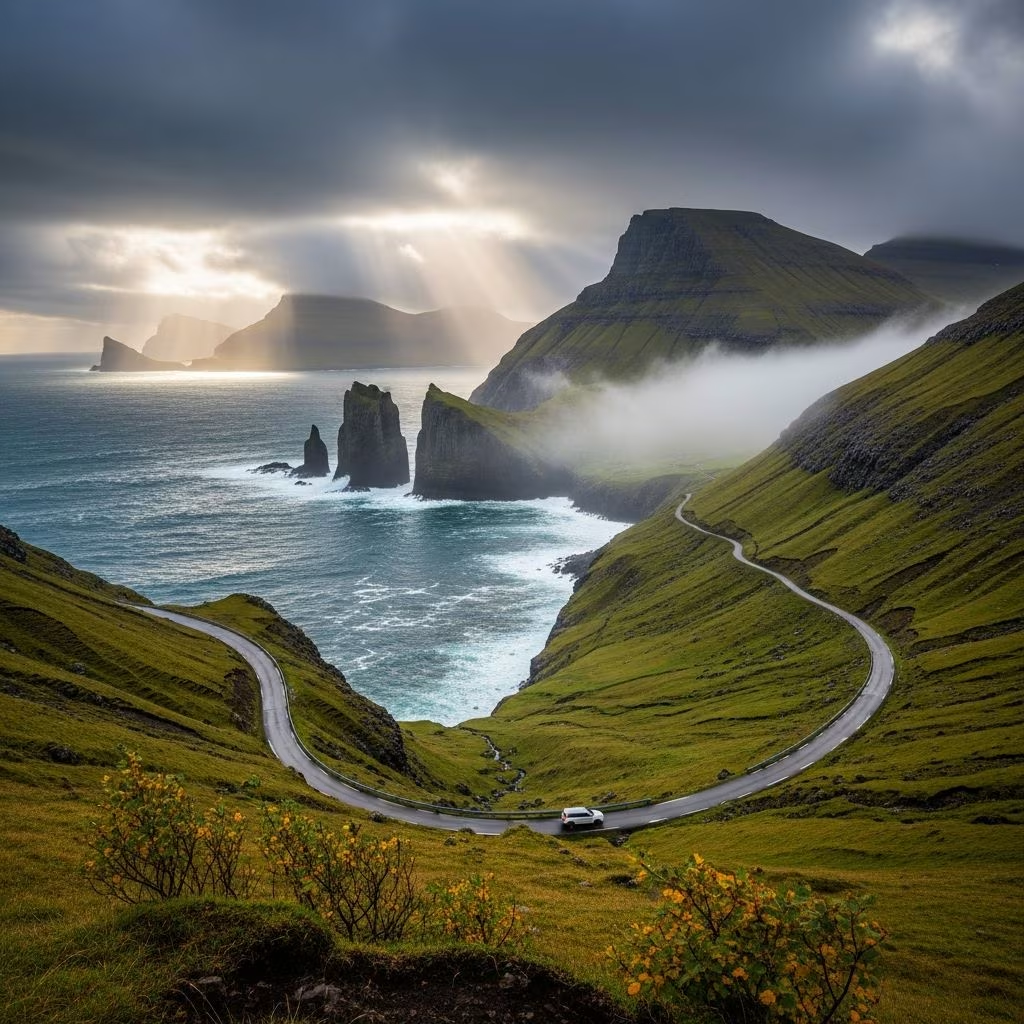
The Faroe Islands’ distinctive character emerges from their geological formation and geographical isolation. The islands feature towering sea cliffs, steep valleys, and fjords carved by ancient glaciation. Grass-covered mountains dominate the terrain, creating the emerald landscapes that define the archipelago’s visual identity. The relatively compact size of the islands—approximately 1,399 square kilometers combined—makes them surprisingly accessible for exploration despite their remote location.
The climate presents both challenges and rewards for visitors. Cool temperatures year-round average between 5-12°C, and weather can shift rapidly throughout a single day. The extended daylight during summer months provides opportunities for prolonged outdoor exploration, with the midnight sun phenomenon occurring during June and July.
Waterfalls dominate the Faroese landscape, with numerous cascades of varying heights and accessibility scattered throughout the islands. These natural features represent some of the archipelago’s most photographed and visited attractions.
Mulafossur Waterfall stands as the most recognizable waterfall in the Faroe Islands. Located on Vagar Island, this spectacular cascade plunges directly from cliff edges into the Atlantic Ocean below. The waterfall sits remarkably close to the airport, making it an ideal first stop for arriving visitors. A short two-minute walk from the parking area leads to optimal viewing positions where the waterfall’s dramatic drop and the picturesque village of Gasadalur create compelling photographic compositions. During summer months, visitors may spot puffins perching on nearby cliffs, adding wildlife interest to the location.
Fossa Waterfall claims the distinction of being the Faroe Islands’ tallest waterfall at 140 meters. Unlike many other major waterfalls requiring substantial hikes, Fossa offers unusual accessibility—visitors can drive directly to the base, making it ideal for those with limited mobility or time constraints. The two-tiered structure creates visual interest, particularly during periods of heavy rainfall or strong winds when water spray becomes dramatically visible from considerable distances.
Beyond these renowned falls, numerous other cascades reward exploration. The coastal areas north of Eidi feature striking waterfalls that integrate dramatically with rocky beach formations, particularly impressive during turbulent weather conditions. The Saksun area offers unique opportunities for experiencing seawater lagoon environments combined with freshwater waterfall features.
The Faroe Islands offer hiking opportunities ranging from casual walks to challenging mountain traverses. The dramatic terrain ensures that nearly every trail delivers spectacular vistas and memorable outdoor experiences.
Drangarnir Sea Stacks Trek presents one of the archipelago’s most rewarding hiking adventures. The journey to these distinctive rock formations requires approximately 6 kilometers of hiking each way, providing an extended mountain experience. Hikers encounter grazing sheep throughout the route, contributing to the authentic pastoral character of the landscape. The trek concludes with spectacular perspectives of the sea stacks from both elevated positions and lower vantage points along the fjord, revealing the rough Atlantic coastline in all its dramatic glory.
Kallur Lighthouse Hike offers an accessible yet rewarding ascent accessible via ferry to Kalsoy Island. The route combines manageable terrain with increasingly expansive views as elevation increases. From the summit, the surrounding seascape, neighboring islands, and the distinctive lighthouse structure provide enduring visual impressions.
Lake Sorvagsvatn Viewpoint features a one-hour hiking route leading to one of the archipelago’s most photographed perspectives. This remarkable location creates an optical illusion in which a freshwater lake appears suspended above the Atlantic Ocean. The dramatic elevation gain and geological drama make this experience unforgettable. Adventurous visitors can extend their experience by arranging kayaking expeditions on the lake itself, combining hiking with water-based recreation.
The Faroe Islands host extraordinary birdlife, supporting over 110 bird species with approximately one million puffins breeding on the islands during summer months. These colorful seabirds represent the primary wildlife draw for many visitors.
Mykines Island emerges as the premier destination for puffin observation. With only 10 permanent residents, the island maintains a pristine natural environment ideal for bird viewing. The rich avian biodiversity extends beyond puffins to include fulmars, kittiwakes, and various seabird species. The island’s grassy slopes provide ideal nesting habitat, transforming Mykines into a bird watcher’s paradise during breeding season.
Vestmanna Bird Cliffs showcase the archipelago’s most dramatic marine bird habitat. Boat tours navigate through dramatic sea cave passages and beneath towering cliff faces rising several hundred feet above the water. These expeditions place visitors within feet of nesting birds, creating intimate wildlife encounters impossible to replicate from land-based vantage points. The boat experience resembles an adrenaline-fueled roller coaster ride combining natural spectacle with thrilling adventure.
Nólsoy Island boasts the world’s largest colony of storm petrels, representing another unique wildlife distinction for this remarkable archipelago. Specialized birdwatching tours provide access to this exceptional ecological site.
Beyond waterfalls and wildlife, the Faroe Islands feature distinctive geological formations and scenic viewpoints that deserve dedicated exploration.
Trøllkonufingur (Troll Finger Viewpoint) represents one of the archipelago’s most recognizable natural landmarks. Local folklore suggests this distinctive rock formation represents the finger of a witch from Iceland, who fell into the ocean and remains partially above the surface. A 20-minute walk from Sandavágur town leads to the viewpoint, rewarding hikers with unobstructed vistas and exceptional photography opportunities. On clear days, the panoramic views extend across multiple islands and the surrounding seascape.
Hvithamar Fjord Viewpoint provides expansive perspectives of the northern coastline. A small parking area north of Funningur provides access to hilltop positions offering spectacular fjord and island vistas. The adjacent village of Gjógv features traditional Faroese architecture and dramatic coastal scenery, making it an ideal complement to the viewpoint visit.
Saksun Seawater Lagoon creates a unique geological phenomenon where a distinct lagoon separates from the Atlantic through a narrow channel. This distinctive feature creates remarkable color contrasts and provides unique recreational opportunities combining natural observation with cultural immersion.
The Faroe Islands balance ancient traditions with cutting-edge infrastructure developments.
Eysturoy Subsea Tunnel represents a marvel of modern engineering featuring the world’s first undersea roundabout, nicknamed the jellyfish due to its distinctive circular design. This innovative transportation infrastructure connects islands previously requiring ferry passages, reducing travel times considerably. The tunnel incorporates an impressive underwater art installation, transforming functional infrastructure into cultural and artistic statement. Driving through this engineering achievement provides a tangible sense of how modern construction adapts to challenging island geography.
The Faroe Islands maintain strong cultural traditions reflected in distinctive architecture, local customs, and preserved heritage sites.
Tinganes Historic Centre in Torshavn preserves traditional Faroese structures featuring distinctive grass-covered roofs. These turf-topped buildings represent centuries-old construction techniques adapted to the northern climate. The village serves as the headquarters of the Faroese Government, emphasizing the cultural significance of these preserved structures. Walking through Tinganes provides immersive connection to traditional Faroese lifestyle and architectural heritage.
Local Cuisine and Dining offers authentic cultural experiences. Traditional Faroese restaurants serve dishes reflecting the islands’ maritime heritage, including fresh seafood, lamb, and traditional preparations. Michelin-starred dining establishments on the islands provide elevated culinary experiences featuring local ingredients and contemporary Nordic techniques.
Planning an effective Faroe Islands visit requires understanding practical logistics and seasonal considerations.
| Aspect | Details |
|---|---|
| Best Visiting Season | June-August for maximum daylight and wildlife viewing; May and September offer fewer crowds |
| Transportation | Rental cars provide primary access; ferries connect island groups; subsea tunnels increasingly accessible |
| Accommodation | Guesthouses, hotels, and vacation rentals available; book in advance during peak season |
| Physical Preparation | Variable terrain requires appropriate footwear and weather-resistant clothing |
| Language | Faroese spoken locally; English widely understood in tourist areas |
Successful Faroe Islands visits require appropriate preparation. Weather changes dramatically throughout individual days, necessitating layered clothing and waterproof outerwear regardless of season. Sturdy hiking boots with excellent grip prove essential given terrain conditions. Visitors should allow flexibility in itineraries, as weather frequently impacts ferry schedules and outdoor activities.
The islands’ relatively high costs reflect their remote location and limited supply chains. Accommodation and dining expenses exceed many European destinations. Booking accommodations substantially in advance, particularly during peak summer months, ensures adequate options and better pricing.
Limited infrastructure in smaller villages means that visitors should plan fuel, food, and supplies strategically. Mobile connectivity remains reliable throughout most islands, facilitating navigation and real-time weather monitoring.
The Faroe Islands’ delicate ecosystems and cultural communities benefit from respectful visitor behavior. Staying on marked trails protects fragile vegetation and prevents erosion. Maintaining distance from wildlife, particularly during breeding seasons, ensures undisturbed natural processes. Supporting local businesses, artisans, and guides contributes directly to community sustainability and preserves authentic cultural character.
The Faroe Islands represent far more than a collection of tourist attractions—they embody a unique convergence of dramatic natural forces, distinctive cultural heritage, and resilient human communities. Whether pursuing adrenaline-fueled adventures, peaceful nature contemplation, or cultural immersion, these islands deliver transformative experiences that challenge, inspire, and fundamentally alter visitors’ perspectives on natural beauty and human adaptation to extraordinary landscapes.
