

 Travel Essentials
 Travel Essentials

Explore Tokyo's summer highlights including fireworks festivals, mountain hikes, botanical gardens, digital art museums, and traditional seasonal celebrations.
 Travel Essentials
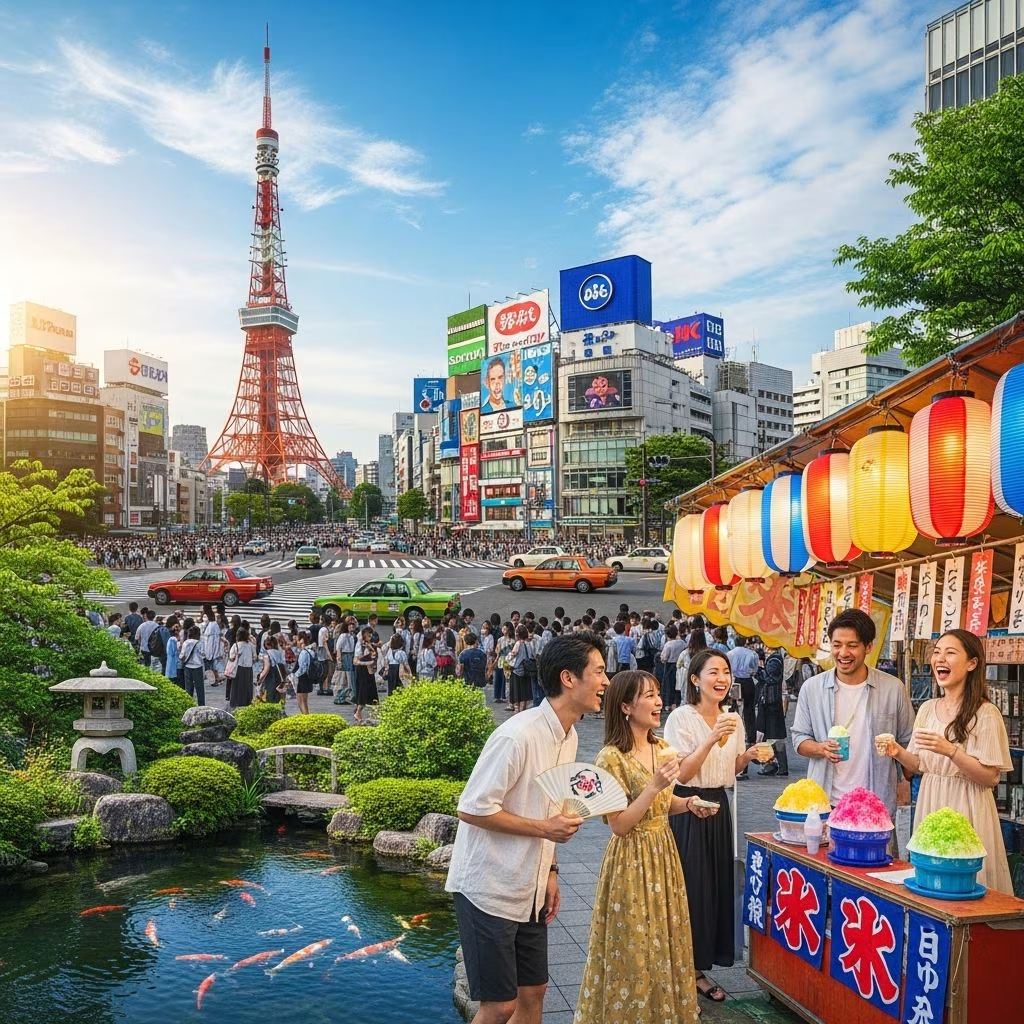
Summer in Tokyo transforms the city into a destination brimming with seasonal opportunities and outdoor celebrations. While temperatures rise significantly, the months from June through August offer unique cultural events, natural phenomena, and outdoor adventures that make this season distinctly memorable. Whether you prefer immersing yourself in traditional celebrations, exploring natural landscapes, or discovering indoor attractions to escape the heat, Tokyo’s summer calendar provides something for every traveler.
Tokyo’s botanical landscapes shift dramatically throughout the summer months, creating distinct viewing opportunities across the city’s many parks and gardens. Understanding when and where to observe these floral displays allows visitors to plan garden visits strategically.
June marks the arrival of the rainy season, which paradoxically brings forth some of the year’s most colorful displays. During this period, hydrangea bushes bloom in vibrant hues throughout parks such as Tamagawadai Park and nearby Kamakura. These delicate flowers thrive in the moisture-rich conditions of early summer, creating photogenic landscapes perfect for garden enthusiasts.
As June progresses into mid-month, iris blooms begin appearing across multiple Tokyo locations. Visitors seeking these elegant flowers should prioritize destinations including Horikiri Iris Garden, Mizumoto Park, and Meiji Jingu Iris Garden. Each location offers slightly different varieties and viewing experiences, allowing for multiple garden visits across different weeks.
July brings the lotus flower season, with early morning visits yielding the best viewing conditions. Ueno Park’s Shinobazu Pond hosts impressive lotus displays, though arriving in the pre-dawn hours ensures the flowers remain fully open before the day’s heat causes them to close. This seasonal timing creates an exceptional photographic opportunity for nature photographers and botanical enthusiasts.
For visitors seeking to escape urban congestion, Tokyo’s periphery offers numerous hiking destinations that become particularly appealing during summer when vegetation reaches peak lushness. These mountain trails provide cooler temperatures and refreshing natural environments.
Mount Takao represents an accessible hiking destination within reasonable travel time from central Tokyo. The mountain’s well-maintained trails accommodate various fitness levels, offering shorter walks for casual visitors and more challenging routes for experienced hikers. The surrounding forest canopy provides natural shade, making summer hikes more comfortable than they might initially appear.
The Izu Peninsula presents a more extensive natural destination for day-trip adventurers. This region combines coastal beaches with mountainous terrain, waterfalls, and diverse ecosystems. Visitors can customize their experience based on energy levels and interests, combining coastal relaxation with mountain exploration within a single day trip.
Mount Nokogiriyama and the Okutama region extend hiking possibilities for visitors with transportation flexibility. Okutama particularly appeals to nature enthusiasts seeking waterfalls, limestone caves, rivers, and gorges. While requiring more travel time than closer alternatives, the landscape diversity justifies the additional journey for adventurous explorers.
Important consideration: Todoroki Valley, traditionally praised as a refreshing summer refuge due to its naturally cooler microclimate, remains closed to visitors. Falling trees related to heavy rainfalls prompted safety measures that have remained in effect since September 2023. Travelers should confirm current accessibility before planning visits to any nature destinations.
For many travelers, ascending Mount Fuji represents a significant bucket-list achievement. Summer provides the sole opportunity to complete this adventure, as climbing season operates exclusively during specific months. Current-year climbing typically runs from early July through September 10, creating a condensed window for summit attempts.
Successful Mount Fuji ascents require thorough preparation, appropriate equipment, and realistic fitness assessments. The official Mount Fuji Climbing Website provides comprehensive information regarding required gear, physical preparation recommendations, and safety protocols. Weather conditions significantly impact summit visibility and climbing difficulty; checking forecasts several days in advance allows climbers to optimize their scheduling.
The climb’s duration typically spans two to three days, with climbers ascending to mountain huts during the first day, summiting early the following morning, and descending afterward. While physically demanding, the experience attracts thousands of visitors annually, with many reporting transformative personal experiences from reaching the summit.
Summer festivals represent quintessential Japanese cultural experiences, drawing massive crowds and creating vibrant atmospheric environments throughout Tokyo. Multiple significant celebrations occur across the season, each featuring distinct traditions and spectacles.
The Tanabata Festival, celebrated in early July, honors the legendary meeting of separated celestial lovers. Taito City hosts notable celebrations featuring festive decorations, traditional performances, and communal gatherings. This festival combines romantic mythology with colorful public celebrations, creating meaningful cultural experiences.
Yasukuni Shrine’s Mitama Matsuri occurs mid-July, featuring traditional lanterns, performances, and spiritual observances. The festival transforms the shrine grounds into illuminated spaces reflecting spiritual traditions and contemporary celebration.
The Koenji Awa-odori Dance Festival in late August showcases traditional dance performances where participants wearing yukata and happi coats perform synchronized movements along festival routes. These participatory celebrations invite visitors to observe and, in some cases, join traditional dance formations.
Tokyo’s most celebrated fireworks event, the Sumida River Fireworks Festival, typically occurs on the last Saturday in July, attracting approximately one million spectators. The event combines pyrotechnic displays with traditional Japanese summer aesthetics, particularly when attendees wear yukata.
Strategic planning enhances the fireworks experience. Arriving early ensures prime viewing locations along the riverbanks. Comfortable clothing proves essential when standing among large crowds for extended periods. The displays typically commence around 7 p.m. and continue for one to two hours, creating substantial commitment requirements.
For visitors preferring to avoid massive crowds, smaller fireworks festivals occur throughout July and August across different Tokyo locations and nearby areas. These alternative events provide similar experiences with reduced congestion.
Museum visits provide excellent strategies for spending summer afternoons in climate-controlled comfort while engaging with cultural and artistic offerings. Tokyo’s museum landscape encompasses diverse collections and innovative exhibitions.
The Studio Ghibli Museum appeals to animation enthusiasts and families, featuring original artworks, film screenings, and whimsical spaces celebrating Hayao Miyazaki’s creative vision. Advance reservations prove essential, as ticket availability frequently sells out during peak summer months.
The National Art Center attracts Japanese art and architecture enthusiasts with free admission to its permanent collections. The museum’s architectural distinction and thoughtfully curated displays make it worthwhile despite the often-mentioned free-entry status.
The Mori Art Museum maintains contemporary art exhibitions featuring rotating displays by international and Japanese artists. Each exhibition typically runs for defined periods, ensuring variety for return visitors across different summer weeks.
TeamLab Borderless and TeamLab Planets represent innovative approaches to museum experiences, combining digital technology with immersive environmental design. These installations have attracted international recognition and substantial visitor numbers.
TeamLab Borderless features interactive digital environments where visitor movements trigger visual responses. Touching digital characters causes corresponding graphic transformations; sitting on hills displays simulated water movement around observers. The light and crystal rooms create particularly memorable sensory experiences.
TeamLab Planets extends the immersive concept with additional interactive elements and larger-scale installations. Both venues recommend advance ticket purchases and prepare visitors for potential queue times, despite the investment proving worthwhile for most visitors.
The Ga-Kyo Aquarium in Odaiba and the Art Aquarium Museum in Ginza offer alternative artistic experiences combining marine life with decorative lighting and design elements. These venues create enchanting atmospheres through integrating biological and artistic components.
Tokyo’s indoor entertainment options extend beyond traditional museums. The Konica Minolta Planetariums provide opportunities to observe starry skies—a luxury in Tokyo’s light-polluted urban environment. These facilities create immersive celestial experiences through advanced projection technology.
Tokyo’s aquariums showcase diverse marine species and specialized exhibition formats. Beyond traditional fish displays, some venues focus on artistic presentation, creating visually striking environments combining biological specimens with aesthetic design principles.
Ueno Park deserves particular mention for concentrating six distinct museums within a single park environment. This arrangement allows visitors to combine multiple exhibitions within cohesive day itineraries, maximizing cultural engagement while remaining in one location.
Extending beyond Tokyo proper, several nearby locations provide excellent summer escape opportunities and complement urban exploration with natural or cultural alternatives.
Nikko combines mountainous terrain, traditional temples, shrine architecture, and forest environments. The region features forest walks, waterfalls including the impressive Kegon Falls, and river activities such as rafting on the emerald-hued Kinu River. The landscape’s mountainous character creates noticeably cooler temperatures compared to central Tokyo.
Fujisawa and Enoshima cater to beach-oriented preferences, offering sand beaches, casual dining establishments, and evening social atmospheres. These coastal areas attract many Tokyo residents seeking weekend beach escapes during summer months, providing authentic local experience alongside tourist facilities.
Substantial parks distributed throughout Tokyo offer shaded areas, landscaped features, and recreational opportunities during summer months. Ueno Park, Yoyogi Park, and Shinjuku Gyoen National Garden rank among the most developed and visitor-friendly options.
These expansive green spaces provide tree-lined paths, seating areas, and diverse attractions within single location visits. Picnicking under shade trees, exploring varied garden sections, and observing seasonal plantings create accessible summer activities requiring minimal advance planning.
Tokyo’s summer heat and humidity demand specific preparation strategies:
Tokyo’s summer presents compelling opportunities alongside environmental challenges. Temperatures frequently exceed 30°C (86°F), with humidity levels intensifying discomfort. However, strategic planning combining outdoor exploration with indoor alternatives creates balanced summer itineraries.
Festival schedules concentrate activity during early evening and nighttime hours when temperatures moderate slightly. This temporal alignment allows evening festival attendance without peak daytime heat exposure.
Booking advance tickets for popular museums and attractions prevents frustration from sold-out situations, particularly for high-demand venues like the Studio Ghibli Museum.
Tokyo’s summer season combines natural beauty, cultural celebration, artistic innovation, and outdoor adventure into a compelling destination experience. From ascending Mount Fuji to observing lotus blossoms in early morning light, from participating in traditional festivals to exploring immersive digital art installations, summer in Tokyo accommodates diverse interests and energy levels. Thoughtful planning that balances outdoor exploration with heat management strategies enables visitors to maximize seasonal offerings while maintaining comfort throughout their journey.
