

 Travel Essentials
 Travel Essentials

Discover why Trieste deserves a spot on your Italian itinerary with its blend of Austro-Hungarian heritage, Roman history, and coastal beauty.
 Travel Essentials
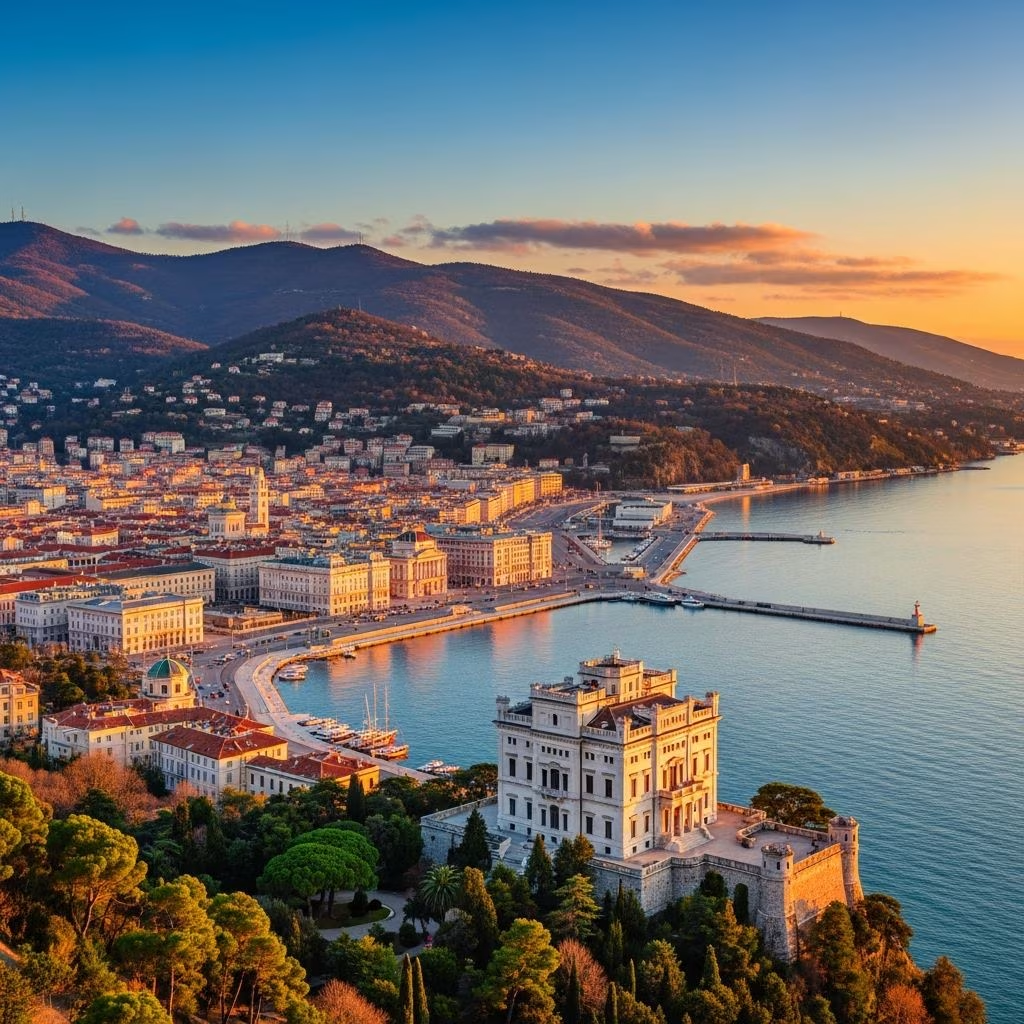
Trieste occupies a unique position along Italy’s northeastern coastline, a city that has long remained in the shadow of more celebrated Italian destinations yet possesses remarkable depth and character. Positioned where the Adriatic Sea meets the Italian mainland in the Friuli-Venezia Giulia region, this port city represents a fascinating intersection of Central European elegance and Mediterranean warmth. Unlike the overwhelming crowds that descend upon Venice or the Renaissance grandeur of Florence, Trieste offers travelers an authentic urban experience where history breathes through its architecture and streets.
Trieste sits at the far northeastern edge of the Italian “boot,” occupying a strategic position on the northern Adriatic coastline. This geographic placement has profoundly shaped its identity, creating a city that feels distinctly different from other Italian urban centers. The proximity to Slovenia and Croatia across the water has historically influenced the city’s cultural development, resulting in architectural and culinary traditions that blend Mediterranean and Central European influences. On particularly clear days, visitors can observe the mountain ranges above Venice across the water, providing a tangible sense of Trieste’s position as a gateway between distinct European regions.
The city’s character emerges from its role as a working port town rather than a tourist-fabricated destination. This authenticity distinguishes Trieste from more packaged Italian experiences, presenting travelers with genuine urban exploration opportunities rather than manufactured attractions. The population remains relatively compact, allowing visitors to navigate the city’s neighborhoods on foot and engage with locals in cafes and markets without the pervasive tourism infrastructure found elsewhere.
The most visually striking landmark in Trieste is undoubtedly Piazza Unità d’Italia, often referenced as one of Europe’s largest main squares and notably positioned directly overlooking the Adriatic Sea. This expansive plaza represents the city’s grandeur and serves as the primary gathering point for residents and visitors alike. The square’s borders showcase magnificent Viennese-style architecture, a testament to the city’s historical connection to the Austro-Hungarian Empire. Government buildings and charming cafes line the perimeter, while City Hall faces directly toward the sea, creating an unusual urban configuration where the city’s administrative heart gazes upon the water.
Complementing the main square is the enchanting Canal Grande, which bisects the city’s heart and serves as its spiritual centerpiece. This waterway, constructed between 1754 and 1756 by Venetian architect Matteo Pirona, originally facilitated commercial operations by allowing vessels to transport materials and goods directly into the urban core. Today, the canal remains lined with beautiful buildings, impressive churches, and numerous bars and restaurants that animate the surrounding Borgo Teresiano neighborhood. Evening strolls along the canal reveal lively atmospheres and exceptional architectural details that capture Trieste’s maritime heritage and cosmopolitan character.
Trieste’s historical significance extends back millennia, with tangible evidence of Roman occupation visible throughout the city. The Teatro Romano (Roman Theatre) stands as a remarkable preservation of ancient construction, located conveniently near Piazza Unità d’Italia. Visitors can observe original walls, columns, and seating arrangements that remain surprisingly intact, offering glimpses into how citizens entertained themselves during the Roman period. This archaeological treasure allows travelers to physically connect with over two thousand years of history.
Beyond the Roman era, Trieste’s architectural and cultural landscape reflects centuries of European power dynamics and political transitions. The city’s connection to the Austro-Hungarian Empire appears in the elegant European-style buildings throughout the historic center, creating an atmosphere distinct from other Italian cities. This multicultural heritage extends to the city’s literary and intellectual traditions, with the city serving as home to renowned literary figures and maintaining a vibrant cultural scene that continues to influence Italian arts and letters.
The Civico Museo della Risiera di San Sabba preserves one of Italy’s most sobering historical narratives, as the only Nazi military operations site on Italian soil during World War II. This museum documents the experiences of victims and resistance members, providing essential historical education on this period’s horrors. Such memorials ensure that Trieste’s complex twentieth-century history remains actively remembered and studied.
As a functioning port city, Trieste’s relationship with the water defines much of its character and offers numerous exploration opportunities. The port and harbor area extends significantly along the Adriatic coastline, with distinct zones catering to different visitor interests. While portions remain industrial—reflecting the city’s continuing working-harbor status—areas closer to Piazza Venezia present more scenic vistas featuring smaller boats and private yachts. The contrast between industrial and leisure waterfront areas provides authentic context for understanding Trieste’s ongoing commercial importance.
The Molo Audace promenade extends approximately three hundred meters into the sea from Piazza Unità d’Italia, offering extended waterfront strolling opportunities and panoramic Adriatic views. During warmer months, adventurous visitors even swim from this location, transforming a simple promenade into a recreational beach experience. This blend of urban waterfront and natural bathing opportunities exemplifies how Trieste integrates maritime access into daily city life.
Trieste’s castle offerings provide elevated perspectives on the city and surrounding landscape. Castello di Miramare perches dramatically above the Adriatic Sea outside the city center, requiring bus transportation but rewarding visitors with spectacular coastal views. This architectural gem features distinctive aesthetics that some travelers compare to fairy-tale castle imagery. The castle represents a significant excursion for visitors with additional time to explore beyond the immediate urban core.
Castello di San Giusto, positioned prominently in the historic center, offers more accessible castle exploration combined with adjacent Roman Forum examination. The walk to the castle presents multiple route options through either Parco della Rimembranza or tree-lined streets leading past the Cattedrale di San Giusto Martire, allowing visitors to choose scenic pathways based on personal preference. The Monument of Fallen Soldiers at the Roman Forum commemorates World War I casualties, contextualizing Trieste within broader European historical narratives.
Beyond architectural landmarks, Trieste maintains several museums that deepen understanding of the city’s multifaceted heritage. The Revoltella Museum houses an extensive art collection originally assembled by Baron Pasquale Revoltella before his death in 1872. The museum preserves not only his artwork but also his personal furnishings and library, creating an immersive environment that illustrates upper-class life during the nineteenth century.
The city’s literary heritage receives particular attention through various cultural institutions and memorials celebrating Trieste’s contributions to Italian letters. This intellectual and artistic legacy distinguishes Trieste as a city of ideas and creativity, attracting culturally-minded visitors seeking authentic engagement with European thought and expression.
Trieste’s gastronomic identity reflects its geographic and cultural positioning, incorporating Mediterranean seafood traditions with Central European culinary techniques. Local cuisine emphasizes fresh maritime ingredients prepared through generations-old recipes that celebrate the Adriatic’s bounty. Numerous waterfront restaurants and neighborhood trattorias provide opportunities to experience authentic regional flavors prepared by chefs rooted in local culinary traditions.
The city cultivates an exceptional coffee culture that deserves particular attention from visitors. Trieste maintains distinct coffee traditions featuring specialized preparations and brewing methods developed over centuries of Mediterranean and Central European influence. Historic cafes throughout the city preserve these traditions while welcoming both long-time residents and curious travelers. Establishments like Caffè San Marco exemplify how Trieste honors its coffee heritage through atmospheric settings and expertly prepared beverages.
The Cavana neighborhood presents an ideal starting point for experiential urban exploration, featuring narrow alleyways lined with shops, restaurants, and bars alongside waterfront vistas. This area captures the essence of Trieste’s lived urban character, where locals navigate daily routines while tourists discover genuine neighborhood atmospheres. Walking through Cavana’s winding streets offers intimate acquaintance with the city’s texture and rhythm, contrasting sharply with manufactured tourist experiences.
Extended stays enable deeper neighborhood exploration and participation in local activities beyond standard tourist itineraries. The city’s compact scale facilitates such discovery, as most neighborhoods remain accessible through relatively brief walks from the city center. This walkability encourages spontaneous exploration and unexpected encounters with local establishments and cultural spaces.
Trieste’s size and layout allow adequate exploration within two days, though extended stays permit more leisurely engagement with the city’s neighborhoods and cultural institutions. Day visitors arriving via cruise ship can accomplish meaningful exploration of primary attractions through focused itineraries prioritizing major landmarks and waterfront areas. Multi-day visitors can expand their scope to include less-visited neighborhoods, museums, and day-trip destinations across regional boundaries.
Transportation within Trieste relies on walking for central areas, with public buses and trams providing access to peripheral attractions. The Trieste Tram offers a particularly charming transportation option when schedule permits, though travelers should anticipate irregular service patterns. For excursions beyond city boundaries to nearby Slovenia or Croatia, car rental provides maximum flexibility, while train connections facilitate day trips within Italy.
Visitor services including guided tours through platforms like GetYourGuide and Viator offer curated experiences suited to various schedules and interests, accommodating those preferring structured exploration over independent wandering.
Trieste experiences Mediterranean-influenced weather with mild winters and warm summers. The canal area and waterfront neighborhoods maintain lively atmospheres even during off-season months like November, with outdoor venues and cafes remaining active. Summer months bring beach opportunities at locations like Contovello and the Molo Audace promenade, where swimming becomes a viable activity. Spring and fall present ideal visiting periods, offering pleasant temperatures without summer crowds or winter weather challenges.
Trieste represents an exceptional alternative to crowded mainstream Italian destinations, offering authentic urban experiences, remarkable historical depth, and genuine local engagement opportunities. The city’s blend of Roman archaeology, Austro-Hungarian architecture, maritime heritage, and contemporary cultural vitality creates multifaceted appeal across diverse visitor interests. Rather than experiencing Italy through packaged attractions, Trieste allows travelers to engage with a living city where history, commerce, and daily life coexist naturally.
The absence of overwhelming tourist infrastructure paradoxically enhances Trieste’s value as a destination, preserving urban authenticity and enabling meaningful encounters with residents and local culture. For travelers seeking substantive European experiences beyond well-worn tourist paths, Trieste delivers exceptional rewards through its historic richness, architectural beauty, and distinctive geographic position as a gateway between Mediterranean and Central European worlds.
Two days provides adequate time to explore primary attractions and experience the city’s essential character. Day-trippers can accomplish meaningful sightseeing through focused itineraries, while extended stays enable neighborhood exploration and leisurely engagement with local culture.
Trieste’s Austro-Hungarian architectural heritage, functioning port-city status, and relatively modest tourism infrastructure create an atmosphere distinctly different from more famous Italian destinations. The city prioritizes authentic local experience over manufactured tourism.
Yes, walking serves as the primary transportation method within the historic center. Public buses and trams, including the charming historic tram, provide access to peripheral areas and attractions. Car rental enables day trips to Slovenia and Croatia.
Fresh Adriatic seafood prepared through traditional recipes represents Trieste’s primary gastronomic specialty. The city’s distinctive coffee culture and Central European-influenced pastries also merit exploration through local establishments.
Spring and fall offer pleasant temperatures and manageable crowds. Summer enables beach activities at waterfront locations, while winter and off-season months maintain lively atmospheres with fewer tourists, though water temperatures prevent swimming.
