

 Travel Essentials
 Travel Essentials

Explore Vietnam's iconic landmarks, natural wonders, and cultural treasures. From Ha Long Bay cruises to mountain hikes, find your perfect Vietnamese adventure.
 Travel Essentials
Vietnam stands as one of Southeast Asia’s most compelling destinations, offering an intricate blend of ancient traditions, breathtaking natural landscapes, and vibrant contemporary culture. Whether you’re seeking adrenaline-pumping adventures, serene cultural encounters, or gastronomic discoveries, this Southeast Asian nation provides endless possibilities for travelers of all preferences. The country’s diverse geography—spanning from limestone karsts to tropical beaches, mountains to river deltas—ensures that no two travel experiences need be alike.
Vietnam’s extensive coastline presents some of the most visually stunning marine destinations in Asia. The country’s waterways serve as both transportation arteries and recreational playgrounds, offering visitors multiple ways to experience the sea.
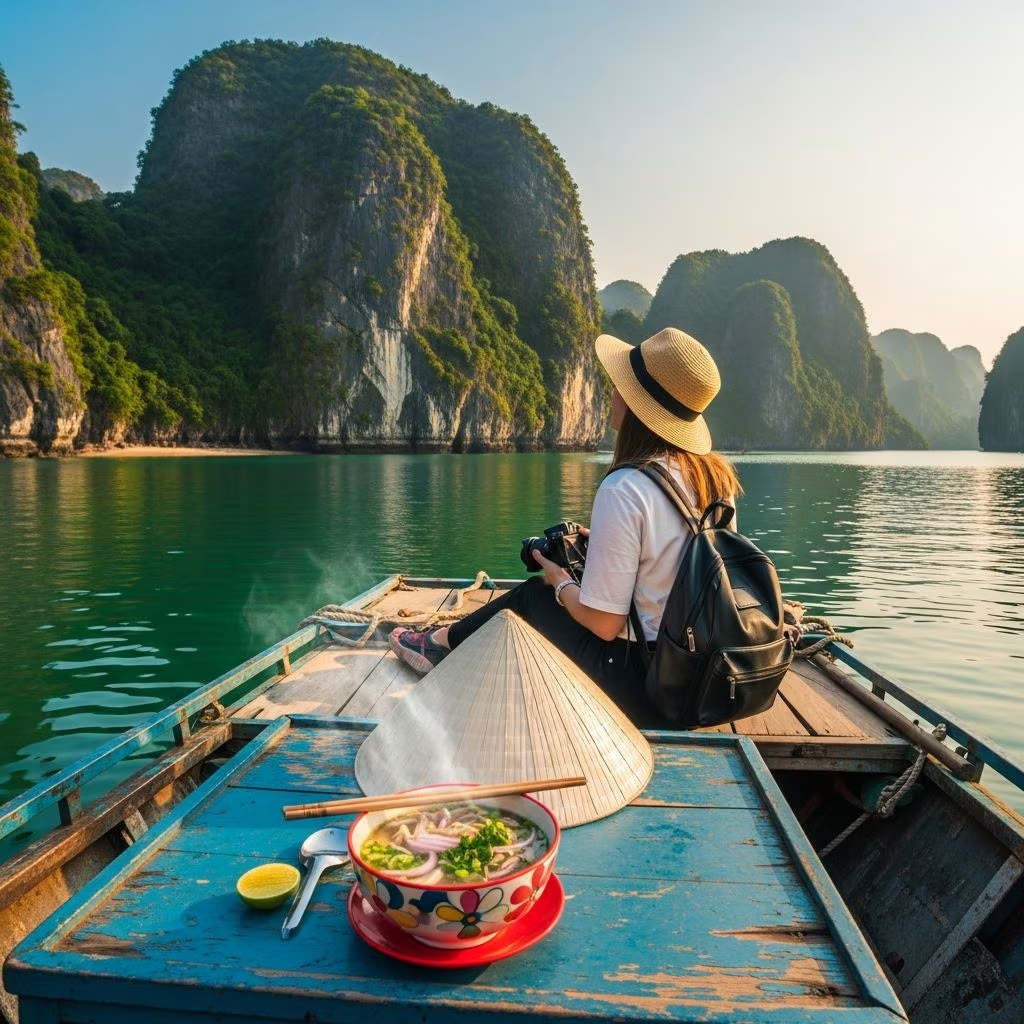
Rising majestically from emerald waters in northeastern Vietnam, Ha Long Bay represents one of the world’s most iconic natural formations. The bay’s dramatic landscape features over 2,000 limestone karsts that have formed over approximately 500 million years, creating an otherworldly seascape. Visitors can cruise these paper-flat waters aboard traditional Vietnamese junk boats, navigating past distinctive rock formations such as Dinh Huong Islet, which resembles an incense burner and even appears on the Vietnamese 200,000 Dong banknote.
The experience of gliding through Ha Long Bay offers more than just visual splendor—it provides a gateway into understanding Vietnam’s maritime heritage. Many overnight cruises include accommodations on the water, allowing travelers to witness the bay transform from day to night and experience sunrise over the limestone landscape.
Beyond Ha Long Bay, Vietnam offers numerous island and beach destinations suited for different travel styles. Phu Quoc Island attracts families and beach enthusiasts with its combination of sandy shores and modern attractions, including VinWonders theme park and the world’s longest over-sea cable car at Sun World Hon Thom nature park. For those seeking a more traditional beach experience, Nha Trang offers a six-kilometer crescent of sand backed by turquoise waters and a vibrant beachfront promenade featuring restaurants and nightlife venues.
Cat Ba Island, situated within Ha Long Bay, presents opportunities for motorbike tours through diverse beach landscapes and the challenging Cat Ba National Park hike, which rewards hikers with panoramic views over the island’s verdant terrain.
Vietnam’s mountainous regions offer dramatic vistas and outdoor pursuits ranging from leisurely cable car rides to challenging jungle treks.
Perched in mountains outside Da Nang, Ba Na Hills functions as both a tourist destination and cultural icon. The site’s most recognizable feature—the Golden Bridge—consists of a curved walkway elegantly held aloft by two enormous stone hands, creating one of Vietnam’s most photographed landmarks. The cable car ascent through dense forest provides a cool respite from coastal heat, with views that improve as elevation increases. The complex includes a mock European village complete with a Gothic cathedral (functioning as a hotel), Bavarian beer hall, and alpine-style attractions.
The Golden Bridge and Ba Na Hills experience exemplify modern Vietnam’s approach to tourism—creating Instagram-worthy attractions while maintaining environmental consciousness through the contained nature of the site and careful visitor management.
Approximately two hours from Hanoi, Ninh Binh presents an alternative to Ha Long Bay’s marine karsts. Often described as “Ha Long Bay on land,” this region features dramatic limestone formations rising from lush valleys. The premier attraction, Hang Mua or Mua Caves, demands a steep hike rewarded with a temple visit and expansive viewpoints over the Ninh Binh landscape. The surrounding area encompasses the ancient capital ruins at Hoa Lu, Bai Dinh temple complex (the country’s largest Buddhist temple installation), and Tam Coc’s three famous grottos accessible by rowboat.
Vietnam’s interior geography includes extraordinary cave systems, with exploration opportunities ranging from accessible caverns to specialized expeditions.
Phong Nha-Ke Bang National Park hosts Vietnam’s most significant natural attraction—Hang Son Doong Cave, recognized as the world’s largest cavern by volume. This geological marvel contains a main passage so expansive that an entire New York City block could fit within it. However, access remains strictly controlled through costly guided treks that fill up far in advance, with 2026 bookings already completed. The park encompasses numerous other cave systems suitable for various fitness and experience levels, plus opportunities for jungle trekking through pristine rainforest.
Beyond natural attractions, Vietnam’s cultural heritage provides profound insights into the nation’s complex history and enduring traditions.
Vietnam’s capital serves as the cultural heartbeat, home to significant historical sites and artistic traditions. The Ho Chi Minh Mausoleum complex honors the country’s revolutionary leader, featuring a grand yellow palace and traditional wooden stilt house representing different periods of Vietnamese architecture. The city’s Old Quarter pulses with commercial energy and historical character, while the water puppet show—an art form originating in the Red River Delta—provides entertainment reflecting centuries-old traditions. Local culinary specialties include Banh Mi sandwiches from street carts and egg coffee, a northern Vietnamese delicacy.
The sprawling Huế Imperial City complex once served Vietnam’s royal family, encompassing a citadel with moat, ancient residences, temples, and gardens. As a UNESCO heritage site, this full-day exploration requires comfortable walking shoes due to the expansive grounds. The architectural complexity and photographic opportunities make Huế essential for understanding Vietnam’s imperial legacy.
This UNESCO-listed heritage town maintains well-preserved architecture reflecting French colonial and Southeast Asian influences. Hoi An’s atmospheric lantern-lit streets, traditional craft workshops, and riverside setting create an evocative atmosphere distinct from Vietnam’s more modernized urban centers.
The Mekong Delta represents one of Vietnam’s most vital and visually distinctive regions, offering opportunities to experience traditional riverside life.
Early morning trips to floating markets provide authentic glimpses into Vietnamese commerce and daily life. Can Tho, the delta’s largest town, serves as a base for exploring numerous markets where vendors trade and barter from traditional wooden boats, selling produce, handicrafts, and local snacks. Beyond market visits, gentle cycling through peaceful villages alongside ancient pagodas and orchards offers peaceful alternatives to motorized tourism.
Vietnam accommodates various adventure preferences and activity levels, from gentle explorations to challenging pursuits.
Sunset boat rides down the Saigon River provide evening entertainment with city views, while motorbike tours through rural areas offer immersive transportation methods for exploring secondary attractions and connecting with local communities. Ben Thanh Market in Ho Chi Minh City presents shopping opportunities for traditional crafts, textiles, and souvenirs within a historic marketplace setting.
Vietnam’s tourism infrastructure accommodates various budget levels and preferences. Luxury travelers can select boutique overnight cruises with polished cabins and sunset decks, such as those operating in Ha Long Bay, providing refined waterborne experiences. Mid-range options include well-established ecolodges like Topas Ecolodge in Sapa, featuring stone bungalows positioned above terraced rice fields with infinity pools overlooking mountainous terrain. Budget accommodations in major cities provide basic but comfortable facilities, while guesthouses in smaller towns offer opportunities for interaction with local proprietors.
Vietnam’s climate varies significantly by region and season. Northern regions experience distinct seasons with cooler winter months from November through February, while southern areas maintain tropical warmth year-round. Monsoon seasons affect different regions at varying times, with dry seasons generally offering optimal conditions for outdoor activities and sightseeing. Travel timing influences both accommodation availability and pricing, with peak seasons correlating to higher costs and increased crowds at major attractions.
Vietnamese cuisine extends far beyond internationally familiar dishes, encompassing regional variations and specialized preparations. Street food culture provides affordable and authentic culinary experiences, from morning rice soups to evening barbecue preparations. Floating markets offer opportunities to purchase fresh ingredients and prepared foods directly from vendors, while established restaurants ranging from casual to fine dining serve both traditional and contemporary Vietnamese cooking.
Navigating Vietnam involves multiple transportation options suited to different travel styles. Domestic flights connect major cities efficiently, while long-distance buses provide economical alternatives. Motorbike rentals enable independent exploration for confident riders, while organized tours provide structured experiences with professional guidance. Within cities, taxis, ride-sharing applications, and tuk-tuks offer convenient local transportation.
