

 Travel Essentials
 Travel Essentials

Comprehensive guide to exploring Vík and Southeast Iceland, featuring black sand beaches, glacier hikes, waterfalls, and cultural attractions.
 Travel Essentials
Southeast Iceland represents one of the country’s most dynamic and geologically diverse regions, offering visitors an extraordinary blend of natural wonders and cultural heritage. The charming village of Vík serves as an ideal basecamp for exploring this remarkable corner of Iceland, where ancient glaciers meet powerful Atlantic waves, and moss-covered lava fields stretch across vast horizons. Whether you’re an adventure seeker, nature photographer, or cultural enthusiast, this southeastern coastal area presents endless opportunities for exploration and discovery.
Vík i Mývatn functions as a crucial gateway to Southeast Iceland’s most impressive attractions. Located along Route 1, Iceland’s famous Ring Road, this small village has become increasingly significant for travelers seeking to experience the raw beauty of Iceland’s southern coast. The region’s strategic location provides convenient access to multiple natural phenomena that would take considerably longer to reach from other parts of the country, making it an essential stop on any comprehensive Icelandic itinerary.
The surrounding landscape tells a story written in volcanic rock, glacial ice, and millennia of geological transformation. The area sits at the intersection of several tectonic plates, creating conditions for extraordinary natural diversity within a relatively compact geographic zone. This unique geological position has shaped everything from the region’s dramatic coastlines to its underground ice cave systems.
The southeastern region boasts numerous waterfalls that rank among Iceland’s most spectacular. Skógafoss exemplifies the raw power of glacial runoff, with its impressive vertical drop creating a perpetual mist that catches sunlight in stunning fashion. The waterfall’s scale becomes apparent as visitors approach, with the roar of descending water growing louder and the spray becoming more intense. A network of stairs provides access to elevated viewpoints, though visitors should prepare for wet conditions and powerful wind gusts that accompany the waterfall’s massive volume of water.
Beyond individual falls, the broader hydrological network throughout Southeast Iceland creates numerous opportunities for waterfall exploration. These features serve not merely as picturesque attractions but as vital components of Iceland’s complex water management system, channeling glacial melt from the massive Vatnajökull ice cap toward the Atlantic Ocean.
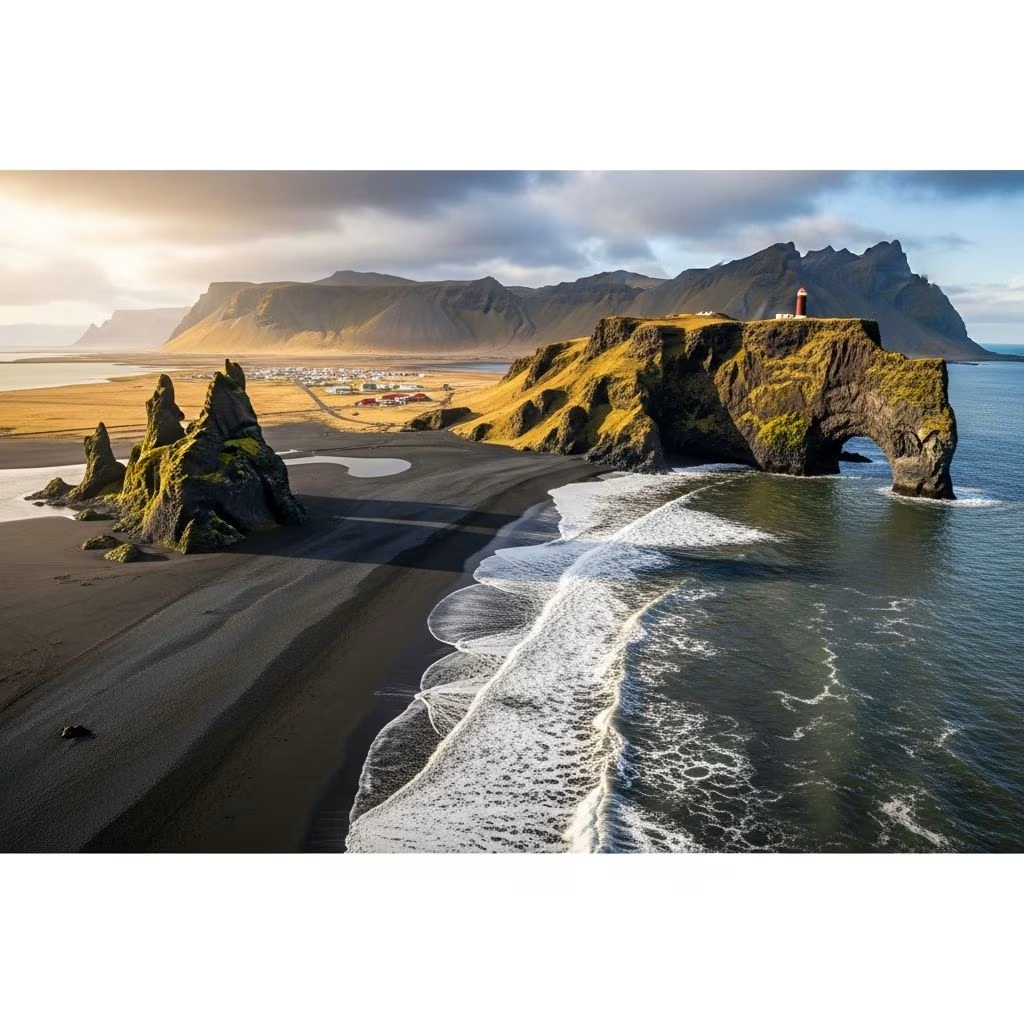
The region’s famous black sand beaches represent a fundamental expression of Iceland’s volcanic heritage. Reynisfjara stands as the most renowned example, drawing visitors from across the globe who come to witness the striking contrast between jet-black sand and white-capped Atlantic waves. The beach’s distinctive appearance results from the rapid cooling of lava when it encounters seawater, creating fragmented basalt particles that form the characteristic dark sand.
Several natural features enhance Reynisfjara’s visual drama:
Safety considerations prove essential when visiting black sand beaches in this region. The powerful riptide currents and unpredictable wave patterns present genuine hazards that require visitor awareness and respect. Travelers should maintain appropriate distances from the surf and avoid venturing too far from shore, as conditions can change rapidly without warning.
Vatnajökull National Park encompasses some of the Arctic’s most remarkable ice formations and represents a UNESCO World Heritage Site of international significance. The glacier system covers approximately 15% of Iceland’s total land area, creating a frozen landscape of breathtaking proportions. This vast ice field maintains 10 active volcanoes beneath its surface, demonstrating the dramatic interplay between geothermal heat and glacial ice that characterizes Iceland’s geology.
Visitors can experience glacier environments through various guided activities tailored to different skill levels and seasonal availability. Summer glacier hikes typically take place on Falljökull near Skaftafell, requiring 2-3 hours and providing hands-on glaciology education. Winter ice cave exploration represents an entirely different adventure, with specialized tours operating from October through March using purpose-built super-Jeep vehicles to reach natural cave entrances. These underground ice caverns display remarkable blue coloring and intricate ice formations shaped by thermal dynamics and water flow.
The dramatic meeting of fire and ice appears most vividly in the Skaftafell wilderness area, where massive glacier tongues descend toward birch forests. These rare woodland areas provide ecological context for understanding Iceland’s environmental transformation across millennia. Walking through these forests while approaching glacial margins creates a visceral understanding of how dramatically climatic conditions can vary across short geographic distances.
The Skógar Folk Museum preserves and presents traditional Icelandic heritage through reconstructed historical structures and authentic artifacts. Visitors encounter turf-roofed buildings characteristic of traditional rural settlements, gaining understanding of how Icelanders adapted to the challenging subarctic environment. The museum’s exhibits extend beyond architecture to encompass fishing traditions, transportation history, and domestic life across different historical periods.
A self-guided cultural walk through Vík’s Old Town provides intimate knowledge of the village’s evolution and contemporary character. This accessible route suitable for all fitness levels passes multiple points of historical significance, offering perspective on how settlement patterns and economic activities have shaped the community over generations. Informational signage positioned throughout the walk provides context about significant buildings and locations, transforming a simple walking route into an educational experience.
Traditional Icelandic religious architecture finds striking expression in Vík’s iconic church, perched prominently on a hillside overlooking the village and surrounding landscape. The structure’s distinctive appearance reflects architectural traditions that repeat throughout Iceland and the North Atlantic region, while its elevated position provides commanding views across the black sand plains toward the ocean.
Dyrhólaey Peninsula presents one of Southeast Iceland’s most distinctive natural formations, extending dramatically from the mainland into the Atlantic. The peninsula’s elevation provides comprehensive viewpoints for observing the surrounding black sand beaches, crashing wave patterns, and coastal bird populations. A navigable arch formation carved by wave action through the peninsula’s base creates an additional point of geological interest and photographic appeal.
The Dyrhólaey Lighthouse occupies the peninsula’s extremity, positioned strategically to guide maritime traffic through these challenging coastal waters. Standing at this location, visitors experience the full force of Atlantic weather patterns and gain appreciation for Iceland’s maritime heritage and the hazards faced by traditional fishing communities.
Reynisfjall mountain, accessible through a moderate hiking route beginning near Reynisfjara Beach, rises to 340 meters elevation and provides panoramic perspectives of the entire coastal zone. The ascent passes through varied terrain and reveals changing vistas as elevation increases, culminating in views encompassing multiple geographic features and creating opportunities for comprehensive landscape photography.
The Icelandic Lava Show presents a controlled demonstration of volcanic processes through live presentations featuring heated molten lava interacting with ice. This experience proves particularly valuable for visitors unable to witness natural volcanic activity, providing visceral understanding of Iceland’s dramatic geological character. Tickets cost approximately 5,900 ISK ($43 USD).
The Vík Maritime Museum preserves maritime heritage through vessel displays and cultural artifacts documenting the region’s seafaring traditions. The museum’s primary attraction includes the fully restored Skaftfellingur ship, allowing visitors to examine traditional maritime construction and equipment up close. The museum typically operates Wednesday through Sunday from noon to 5 PM, though hours may vary seasonally.
Loftsalahellir cave, accessible via track routes near Dyrhólaey’s causeway, holds Viking-era historical significance as a traditional gathering location for medieval saga councils. This combination of geological interest and archaeological importance creates a compelling destination for historically-minded visitors.
The region supports various guided activities accommodating different adventure preferences and comfort levels:
| Activity | Season | Duration | Difficulty Level |
|---|---|---|---|
| Glacier hiking on Falljökull | Summer | 2-3 hours | Moderate |
| Ice cave exploration | October-March | Variable | Moderate to Advanced |
| Black sand beach horseback riding | Year-round | 1-2 hours | Beginner-friendly |
| Fimmvörðuháls mountain trek | Summer | 8-10 hours | Advanced |
| Cultural walking routes | Year-round | 2-3 hours | Easy |
The Fimmvörðuháls mountain trail connecting Skógar and Þórsmörk represents a demanding but rewarding trekking opportunity for experienced hikers. Completing this 25-kilometer route typically requires 8-10 hours and involves encountering dramatic elevational changes and variable weather conditions. Hikers should prepare for exposure to all four seasons across a single day’s journey, packing accordingly for unpredictable conditions.
Vík’s restaurant scene provides sustenance options ranging from casual cafés to established dining establishments. Suður-Vík offers hearty traditional fare in an architecturally interesting space featuring exposed wooden beams and local artwork. Mia’s Country Van specializes in fish and chips preparation, serving convenient meals suitable for road-trip dining. Smiðjan Brugghús functions as Vík’s primary craft beverage destination, featuring ten house beers on tap alongside bar food and interior windows providing brewery facility views.
These dining establishments support exploration logistics by allowing visitors to refuel between major attractions, with strategic meal timing enabling efficient use of daylight hours and visitor capacity management at popular sites.
Weather conditions in Southeast Iceland change rapidly and dramatically, requiring flexible planning and appropriate clothing regardless of season. Black sand beaches present specific hazards including unpredictable wave patterns and powerful rip currents that demand visitor awareness and caution. Ice cave and glacier explorations require specialized equipment and professional guidance, as these environments contain genuine danger for unprepared visitors.
Advance research into specific attraction operating hours proves essential, as seasonal variations affect access to certain sites. Many cultural institutions maintain restricted schedules, particularly during winter months when daylight availability diminishes significantly.
Q: What is the best time to visit Southeast Iceland?
A: Summer months (June-August) offer extended daylight and generally more stable weather, though shoulder seasons (May and September) provide fewer crowds. Winter visits enable ice cave exploration and present opportunities to observe northern lights, though daylight becomes severely limited.
Q: Can visitors safely swim in black sand beaches?
A: No. Powerful Atlantic currents, unpredictable wave patterns, and cold water temperatures make swimming dangerous. Visitors should observe beaches from safe distances and never enter the water without professional guidance.
Q: How difficult are glacier hiking experiences?
A: Standard glacier hikes accommodate moderate fitness levels and require only basic experience. Specialized ice cave exploration demands greater physical capability and mental preparation.
Q: Is a rental vehicle necessary?
A: Yes, independent transportation proves essential for accessing the region’s dispersed attractions efficiently. Public transportation exists but operates on limited schedules, restricting exploration flexibility.
Q: What should visitors pack for Southeast Iceland visits?
A: Layered clothing, waterproof gear, sturdy footwear, sunscreen, and high-factor sunglasses prove essential. Glacier activities require additional specialized equipment typically provided by professional tour operators.
