

 Travel Essentials
 Travel Essentials

A comprehensive travel guide to Wales' top destinations including castles, national parks, coastal attractions, and cultural experiences for all adventure levels.
 Travel Essentials
Wales stands as one of the United Kingdom’s most dynamic and varied destinations, offering visitors an extraordinary blend of natural landscapes, historical treasures, and contemporary cultural attractions. Whether you seek adrenaline-pumping outdoor adventures, peaceful countryside walks, or immersive cultural experiences, this Celtic nation delivers unforgettable memories across its diverse regions. From towering mountain peaks to dramatic coastal stretches, Wales presents countless opportunities for exploration and discovery.
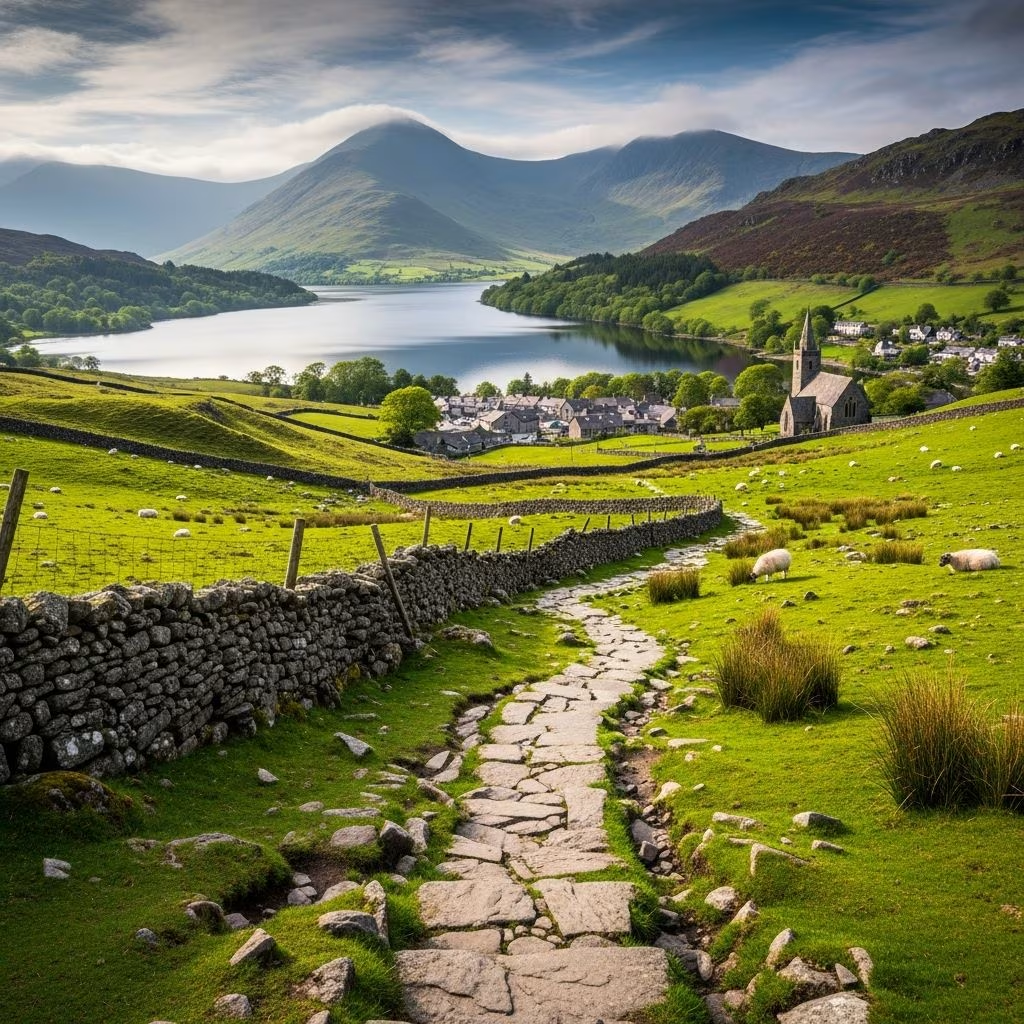
The mountainous heart of Wales pulses with energy and natural splendor. Eryri National Park, also known as Snowdonia National Park, encompasses approximately 840 square miles of spectacular terrain, making it one of the most visited national parks in the United Kingdom. This expansive wilderness attracts roughly half a million hikers annually, with most attempting to summit Mount Snowdon, the highest peak in Wales and England. The park’s dramatic landscapes feature steep valleys, pristine lakes, and charming mountain villages including Beddgelert and Betws-y-Coed, which offer an almost fairy-tale quality to their settings.
Beyond mountain hiking, visitors can explore the National Slate Museum, an exceptional open-air facility showcasing the industrial heritage of slate quarrying that shaped this region’s economy for centuries. The museum provides fascinating insights into traditional mining techniques and the lives of workers who extracted valuable slate from these mountainous areas. For those seeking a more leisurely experience, heritage railways traverse the park’s scenic valleys, offering comfortable journeys through impossible-to-reach mountain villages and alongside cascading streams.
Wales possesses an extraordinary concentration of medieval castles, many representing some of Europe’s finest military architecture. Edward I’s Iron Ring of Castles, now designated as a UNESCO World Heritage Site, represents an ambitious 13th-century construction program designed to consolidate Norman control over Wales. These magnificent fortifications include Caernarfon Castle, Harlech Castle, Beaumaris Castle, and Conwy Castle, each displaying distinctive architectural features and commanding strategic positions.
Caernarfon Castle particularly captures the imagination with its impressive towers and symbolic significance. Begun by Edward I in 1283, this fortress stands as one of the most expensive castles ever constructed by an English monarch. The distinctive Eagle Tower, the castle’s largest structure featuring three turrets, offers panoramic views of both the castle and surrounding countryside. Modern visitors enjoy interactive exhibits, including a ‘Game of Crowns’ exhibition, that bring medieval history to vivid life.
Conwy Castle presents another remarkable example of medieval military engineering, with nearly 1,000 years of documented history. As a UNESCO World Heritage Site, this fortress offers extensive exploration opportunities and typically requires approximately 45 minutes for a comprehensive visit. Each castle in the Iron Ring collection reveals distinct architectural elements and historical narratives, making castle-hopping an enriching activity for history enthusiasts.
Wales boasts a spectacular coastline featuring dramatic cliffs, sandy beaches, and charming seaside towns that attract visitors year-round. Pembrokeshire Coast National Park represents one of Britain’s premier coastal destinations, offering breathtaking seascapes, hidden coves, and excellent walking opportunities. This area encompasses only 243 square miles but concentrates extraordinary natural beauty within its boundaries, featuring rugged cliffs, golden beaches, and hidden valleys.
Llandudno, situated along the North Wales coast, combines Victorian charm with modern entertainment. The famous pier extends into the sea with traditional seaside attractions and amusement facilities, while the adjacent beach provides ample space for relaxation and recreational activities. Tenby Beach, another coastal favorite, presents a picturesque blend of colorful architecture, sandy shores, and water sports opportunities that appeal to families and adventure seekers alike.
For a unique prehistoric experience, visitors can explore Pentre Ifan, an ancient burial chamber dating back over 5,000 years, conveniently located while traveling through West Wales. This easily accessible archaeological site offers tangible connections to Wales’ distant past without requiring extensive effort to reach.
Cardiff, Wales’ dynamic capital city, showcases remarkable transformation from its industrial heritage to a vibrant modern metropolis. Cardiff Bay exemplifies this reinvention, emerging from decades of coal-industry decline to become a contemporary cultural destination. The regenerated waterfront features striking architectural achievements, including the Wales Millennium Centre, crowned with an iconic bronze shell, where the Welsh National Opera performs world-class productions.
The Senedd (Welsh Parliament), designed by renowned architect Richard Rogers, a Pritzker Prize winner, creates a visually stunning presence along the waterfront with its distinctive undulating forms. The Bay Trail, spanning 6.25 miles around the waterfront, offers pedestrians and cyclists a comprehensive journey along the re-wilded barrage and scenic shoreline. Alongside these modern structures, visitors discover historical treasures including the whitewashed Norwegian Church, where celebrated children’s author Roald Dahl received his christening.
Within Cardiff proper, the city castle provides centuries of architectural evolution in a single site. St Fagans National Museum of History, located on Cardiff’s outskirts, functions as an open-air facility featuring historic buildings, recreated villages, and exhibits exploring Welsh traditions, crafts, and cultural heritage. Techniquest delights younger visitors with interactive science exhibits and entertainment opportunities that combine education with fun.
Wales’ dramatic topography creates numerous stunning waterfalls accessible through carefully maintained hiking trails. The Four Waterfalls Walk near Swansea stretches 5.5 miles through dense pine forests and fern-covered gorges, guiding hikers to several cascading falls. The most memorable destination along this route is Sgwd-yr-Eira, translated as Waterfall of the Snow, where visitors experience the unique opportunity to walk behind a substantial curtain of falling water. This distinctive waterfall creates a magical atmosphere as water crashes down alongside hikers willing to accept the resulting dampness.
These trails, combining well-maintained steps and footbridges with natural beauty, accommodate reasonably fit visitors while providing sensory-rich experiences. Planning waterfall hikes requires sturdy footwear and weather-appropriate clothing, particularly when encountering wet conditions behind falls.
The Isle of Anglesey (Ynys Môn), located off Wales’ northern coast, concentrates significant prehistoric archaeological resources. Barclodiad y Gawres, the Giantess’ Apronful, represents Wales’ largest neolithic tomb, standing as evidence of ancient burial practices spanning millennia. Lligwy Burial Chamber impresses visitors with its massive 18-foot capstone, demonstrating prehistoric engineering capabilities and construction techniques. These monuments provide tangible connections to Wales’ pre-historical inhabitants and their sophisticated understanding of architecture and organization.
The Brecon Beacons National Park presents a different mountain experience from Snowdonia, featuring rolling peaks, scenic valleys, and diverse ecosystems. This 520-square-mile park offers excellent hiking opportunities, with peaks generally lower and more accessible than Snowdonian mountains, making it ideal for varied fitness levels. The park showcases Wales’ geological diversity and supports distinctive wildlife communities adapted to upland environments.
The Ffestiniog and Welsh Highland Railways provide nostalgic journeys through impossibly scenic landscapes, combining transportation with tourism. The Ffestiniog Railway operates a 13.5-mile route from the harbor town of Porthmadog to Blaenau Ffestiniog, recognized by Guinness World Records as a significant heritage railway. These narrow-gauge railways traverse landscapes inaccessible by standard roads, offering perspectives impossible to achieve by automobile travel.
Bodnant Garden showcases exceptional horticultural achievements, combining formal gardens with naturalistic landscapes across 80 acres. This attraction appeals to garden enthusiasts and casual visitors alike, offering seasonal blooms, peaceful walking paths, and photographic opportunities throughout the year.
The Principality Stadium hosts international rugby matches and major sporting events, serving as Wales’ premier sports venue. This modern facility accommodates 74,500 spectators and represents Wales’ commitment to sports excellence and world-class entertainment infrastructure.
Summer months (June-August) offer the most favorable weather for outdoor activities and mountain hiking, with extended daylight hours enabling full-day explorations. Spring and autumn provide milder temperatures and fewer crowds, making them excellent for those preferring quieter experiences. Winter visiting rewards hardy travelers with dramatic weather, snow-capped mountains, and atmospheric castle exploration, though some higher elevation trails may become inaccessible.
Summer (June-August) provides optimal weather for outdoor activities, while shoulder seasons (April-May and September-October) offer pleasant conditions with fewer crowds. Winter attracts visitors seeking dramatic landscapes and atmospheric historical site exploration.
A comprehensive Wales visit requires 7-10 days to experience major attractions across different regions. Three to four days allows exploration of primary destinations like Cardiff and Snowdonia, while extended visits enable deeper engagement with coastal areas and remote locations.
Most major castles remain open year-round, though seasonal hours vary. Visitor services, guided tours, and interpretive facilities operate most extensively during peak tourist seasons.
Brecon Beacons accommodates varying fitness levels with accessible peaks and gentle valley walks. Snowdonia offers challenges for experienced hikers while maintaining options for moderate walkers. Coastal national parks provide accessible walking without elevation gains.
Absolutely. The Iron Ring castles cluster in north Wales within approximately 50 miles, enabling multiple visits over several days. Each castle requires 45 minutes to 2 hours for thorough exploration.
Wales rewards both rushed visits and extended stays, though more time allows deeper engagement with regional differences and hidden communities. Combining coastal experiences with mountain adventures, historical exploration with contemporary culture, and outdoor activities with indoor attractions creates balanced itineraries. Transportation networks connect major destinations efficiently, making independent travel straightforward. Accommodations range from luxury hotels to budget-friendly hostels, with numerous mid-range options serving diverse traveler preferences.
Wales represents far more than a destination between major European capitals—it constitutes a complete travel experience combining natural beauty, historical significance, cultural vibrancy, and warm hospitality. Whether you invest a weekend or extended weeks, Wales delivers memorable experiences across its remarkable landscapes and welcoming communities.
