

 Travel Essentials
 Travel Essentials

Explore Winnipeg's top attractions including museums, parks, historic sites, and vibrant markets that showcase Manitoba's rich cultural heritage.
 Travel Essentials
Winnipeg, Manitoba’s capital city, stands as a vibrant cultural hub in Western Canada with a diverse array of attractions that appeal to travelers of all interests. Known as the “Gateway to the West,” this prairie city offers world-class museums, expansive parks, historic landmarks, and engaging cultural experiences that reflect its rich heritage and contemporary vitality. Whether you’re visiting for a weekend or planning an extended stay, Winnipeg provides numerous opportunities to explore Canadian history, art, nature, and local cuisine in an accessible and welcoming environment.
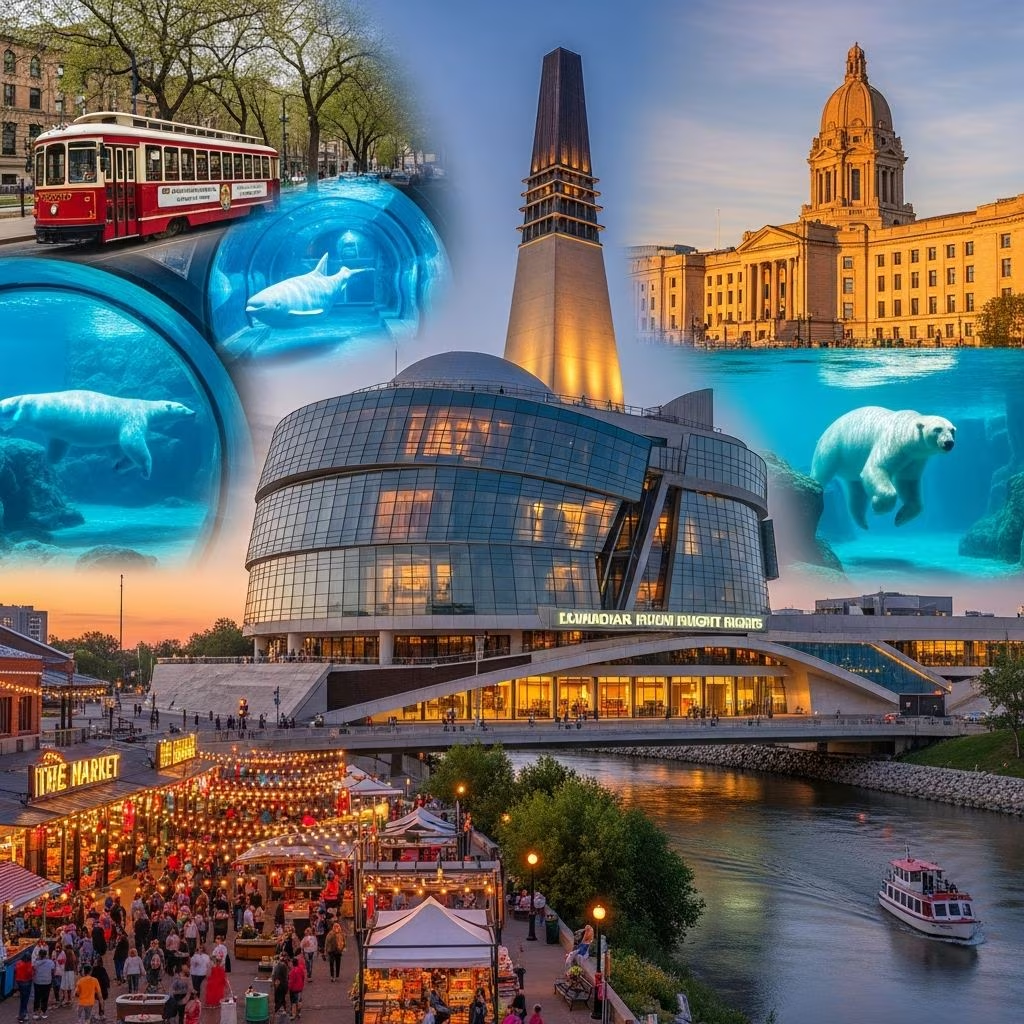
Winnipeg’s cultural landscape is anchored by several exceptional institutions that showcase art, history, and human achievement. The Canadian Museum for Human Rights stands as an architectural icon and intellectual landmark, drawing visitors interested in exploring fundamental questions about rights, dignity, and social progress. This institution has become synonymous with Winnipeg’s identity as a progressive city committed to social values.
The Winnipeg Art Gallery represents another cornerstone of the city’s cultural offerings, housing an impressive collection of 26,000 pieces spanning from ancient Roman times to contemporary works. What distinguishes this gallery is its remarkable accumulation of Inuit art, which comprises the world’s largest collection of this indigenous Canadian artistic tradition. Visitors can explore diverse artistic expressions while enjoying dining areas that offer views of the sculpture garden, making the gallery experience both intellectually enriching and aesthetically pleasant.
For those interested in natural and cultural history, the Manitoba Museum provides comprehensive exhibits featuring provincial stories, scientific displays in its Science Gallery, and planetarium shows that captivate both children and adults. These institutions collectively offer insights into Winnipeg’s evolution and significance within broader Canadian and international contexts.
Despite being an urban center, Winnipeg maintains substantial natural areas that provide recreation, education, and respite. Assiniboine Park encompasses over 1,000 acres and functions as a multifaceted destination rather than a single attraction. Within this expansive green space, visitors encounter several distinct experiences that cater to different interests and preferences.
The park’s horticultural features include the English Garden, which displays thousands of flowers arranged in traditional English landscape design principles. Meanwhile, the Leo Mol Sculpture Garden honors the late Ukrainian-Canadian artist by showcasing over 300 of his works. Dr. Leo Mol received both the Order of Canada and Order of Manitoba for his artistic contributions, making this garden a tribute to distinguished Canadian creativity.
The Assiniboine Park Zoo operates within this landscape, offering visitors encounters with diverse animal species including the renowned polar bears housed in the Journey to Churchill exhibit. This specialized habitat mimics Arctic environments and includes underwater viewing tunnels where visitors observe seals in aquatic settings. The zoo emphasizes conservation education, helping visitors understand the importance of wildlife protection and ecological preservation.
Beyond Assiniboine Park, the Living Prairie Museum preserves 13 hectares of tallgrass prairie containing over 150 species of wildflowers and prairie grasses. This ecological preserve offers self-guided trails through authentic prairie landscape, providing morning or afternoon excursions that reconnect visitors with the natural environment that historically defined this region.
Winnipeg’s history reflects centuries of human activity, trade, and cultural exchange. The Forks represents perhaps the most historically significant location, serving as a meeting place for Aboriginal peoples and later European fur traders, Scottish settlers, boat workers, railway builders, and hunters. This National Historic Site marks where the Assiniboine River meets the Red River, creating a geographical and cultural confluence.
Upper Fort Garry National Historic Site offers immersive experiences through outdoor walking tours where costumed interpreters demonstrate historical practices including blacksmithing, historic firearms usage, fur trade operations, candle making, and period music. These interactive demonstrations allow visitors to engage directly with history rather than passively observing exhibits, creating memorable educational experiences.
Lower Fort Garry functions as a living history museum where visitors encounter costumed staff and hands-on activities that illuminate frontier life and Hudson’s Bay Company operations. This approach to historical interpretation helps visitors understand how historical figures worked, lived, and adapted to their environments.
The Forks Market operates as Winnipeg’s unofficial gathering place for locals and visitors alike, situated where the city’s two major rivers converge. This dynamic venue hosts millions of visitors annually who come for vibrant dining options, unique shopping opportunities, and arts and entertainment programming. The market reflects Winnipeg’s contemporary culture while occupying ground steeped in historical significance.
The Exchange District represents another commercial and cultural hub where visitors can explore historic architecture, boutique shops, galleries, and restaurants. This neighborhood preserves Victorian-era buildings while accommodating contemporary businesses, creating a distinctive urban environment that appeals to those interested in architectural heritage and local commerce.
Winnipeg offers numerous dining establishments reflecting both local specialties and international cuisines, with many concentrated in and around The Forks Market area. These culinary options allow visitors to experience regional flavors and locally-sourced ingredients.
The Basilique-Cathédrale de Saint Boniface stands as a significant architectural and religious landmark, representing the city’s cultural diversity and spiritual heritage. This cathedral attracts visitors interested in religious history, architectural design, and the stories of Saint Boniface’s settlement and influence on Manitoba’s development.
The Manitoba Legislative Building offers tours that reveal provincial history and governmental architecture, allowing visitors to understand how Manitoba governs itself and appreciate the symbolic significance of legislative spaces.
Winnipeg’s location in the northern prairie provides unique seasonal opportunities. Lake Winnipeg offers beach recreation and water activities for those seeking outdoor experiences during warmer months. Additionally, Winnipeg’s northern latitude creates possibilities for viewing the Northern Lights, particularly during autumn and winter months when atmospheric conditions align favorably.
For sports enthusiasts, Winnipeg Jets hockey games provide entertainment and cultural experiences that reflect the city’s passion for this national sport. Canada Life Centre hosts these games and other events, serving as a hub for professional sports entertainment.
The Manitoba Children’s Museum specifically caters to young visitors with interactive exhibits and hands-on learning experiences designed for developmental stages and educational benefit.
Winnipeg experiences distinct seasons, with summer offering optimal weather for outdoor activities and parks. Winter months provide Northern Lights viewing opportunities, while spring and fall offer pleasant temperatures for walking tours and outdoor exploration.
The Forks historic area is free to explore, and many parks including Assiniboine Park offer free access. The Oodena Celebration Circle and riverside walks provide costless recreational opportunities.
A weekend provides sufficient time to visit major museums and parks, though extended visits allow deeper engagement with cultural institutions and neighborhood exploration. Museums typically require 2-4 hours each, while parks can accommodate varying time commitments.
Assiniboine Park Zoo, Manitoba Children’s Museum, The Forks Market, and Assiniboine Park’s gardens appeal particularly to families with children, though most attractions accommodate visitors of all ages.
Winnipeg provides various tourism resources to assist visitors in planning their experiences. A tourist information center operates at The Forks, offering guidance, maps, and recommendations. Most museums and attractions maintain extended hours during peak seasons, though hours may reduce during off-season periods. Programming at The Forks concludes with Labour Day for organized activities, though the historic site remains accessible for informal exploration.
The city’s compact downtown core makes many attractions accessible by walking, though public transportation and automotive travel provide alternatives for reaching more distant locations such as Assiniboine Park and the Living Prairie Museum.
Winnipeg emerges as a destination offering surprising diversity and depth for a prairie city. Its cultural institutions preserve and celebrate Canadian heritage while contemporary attractions reflect the city’s ongoing evolution and vitality. Whether visitors prioritize artistic engagement, historical understanding, natural exploration, or culinary experiences, Winnipeg provides accessible and enriching opportunities. The city’s commitment to preserving its heritage while embracing contemporary culture creates a distinctive destination that rewards both brief visits and extended exploration, making it a valuable addition to any travel itinerary in Western Canada.
