

 Travel Essentials
 Travel Essentials

From Yellowstone's geysers to Grand Teton's peaks, discover Wyoming's legendary national parks, outdoor adventures, and authentic Western heritage.
 Travel Essentials
\n\n
Wyoming stands as one of America’s most diverse and visually stunning destinations, blending untamed wilderness with authentic frontier heritage. The state’s combination of geothermal wonders, towering mountain ranges, pristine lakes, and wildlife-rich landscapes attracts millions of visitors annually seeking authentic Western experiences.
\n\n
\n\n
Wyoming’s geothermal landscape represents some of Earth’s most extraordinary natural features. The state hosts numerous thermal attractions that showcase the planet’s raw geological power and create otherworldly scenery that captivates visitors from around the globe.
\n\n
\n\n
Old Faithful stands as perhaps Wyoming’s most recognizable landmark, earning its name through centuries of predictable eruption patterns. This remarkable geyser demonstrates nature’s reliability in an otherwise unpredictable landscape, shooting boiling water approximately 130 to 180 feet into the air during each eruption cycle. Visitors gather daily to witness this dramatic display, making it one of the most visited natural features in North America.
\n\n
The geyser’s regular performance—typically erupting approximately every 90 minutes—allows travelers to plan their visits with reasonable certainty. Each eruption lasts several minutes, providing ample time for photography and observation. The surrounding boardwalk infrastructure enables close-range viewing while maintaining visitor safety and environmental protection.
\n\n
\n\n
Beyond Old Faithful lies an equally mesmerizing thermal feature: the Grand Prismatic Spring. This expansive hot spring holds the distinction of being North America’s largest and ranks as the third-largest in the world. What distinguishes this feature from other thermal attractions is its extraordinary coloration—a vibrant tapestry of azure blue, emerald green, golden yellow, and crimson red radiating from its center outward.
\n\n
The spring’s remarkable hues result from thermophilic bacteria and algae that thrive at varying temperatures within the mineral-rich waters. This biological phenomenon creates a natural gradient of colors that intensifies during summer months when microbial growth peaks. Visitors frequently cite the Grand Prismatic Spring as a must-see attraction, particularly from elevated vantage points that showcase the complete spectrum of colors.
\n\n
\n\n
While Old Faithful dominates popular attention, the Norris Geyser Basin offers equally impressive geothermal activity with significantly fewer crowds. This basin contains dozens of active geysers, including the powerful Steamboat Geyser, which erupts with tremendous force—sometimes exceeding 300 feet in height. Visitors navigate elevated boardwalks suspended mere inches above steaming vents and bubbling pools, creating an intimate connection with Earth’s geothermal systems.
\n\n
\n\n
Wyoming’s mountain ranges rival any destination globally, offering dramatic peaks, extensive trail networks, and unparalleled backcountry experiences. These elevations provide sanctuary for wildlife while creating boundless opportunities for trekking, mountaineering, and wilderness immersion.
\n\n
\n\n
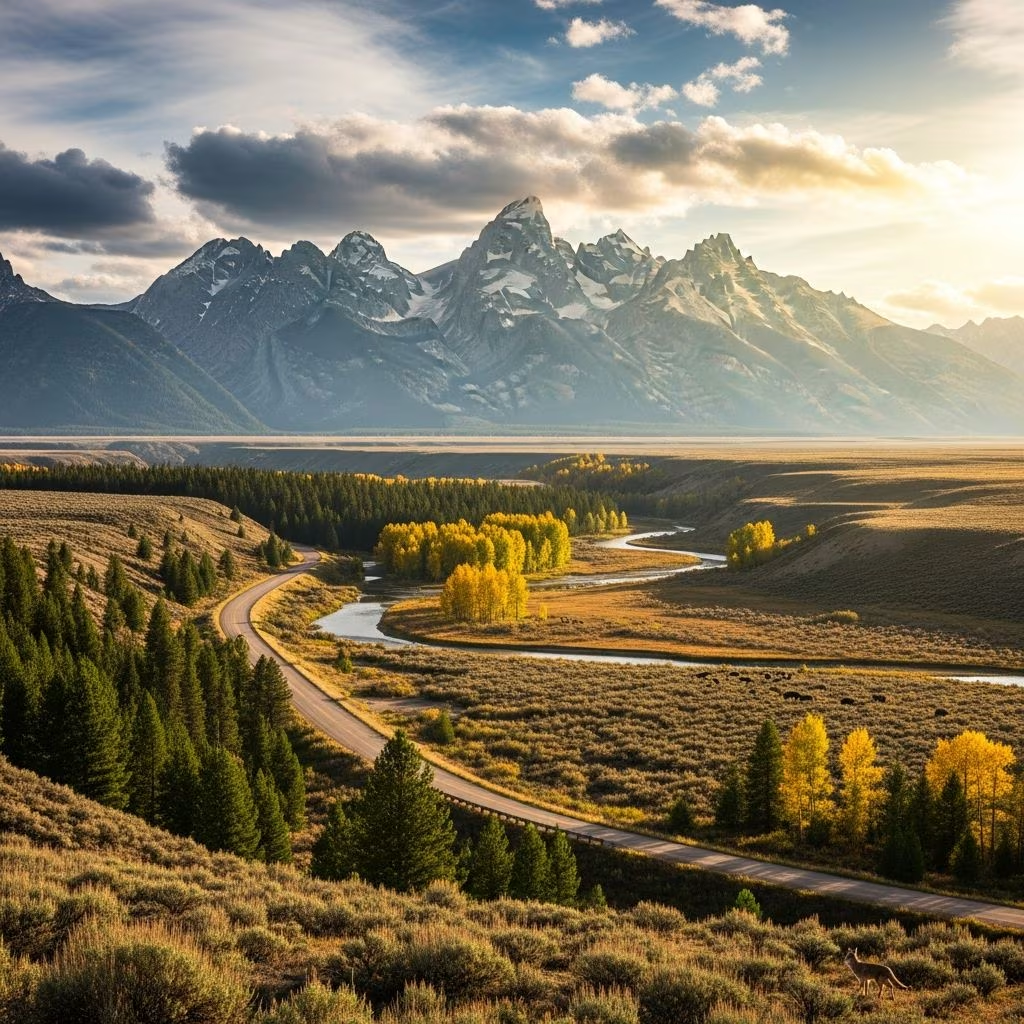
Grand Teton National Park protects Wyoming’s most architecturally impressive mountain range—dramatic, jagged peaks that rise abruptly from valley floors. The Teton Range features numerous summits exceeding 12,000 feet, with the Grand Teton itself reaching 13,775 feet. Beyond the peaks, the park encompasses glacial-carved lakes, dense coniferous forests, and approximately 250 miles of maintained hiking trails spanning varying difficulty levels.
\n\n
The park’s diverse ecosystem supports abundant wildlife populations, including elk, black bears, grizzly bears, bald eagles, gray wolves, and moose. Early morning and dusk visits increase the probability of wildlife encounters, particularly in meadow areas and along river corridors. Photography enthusiasts find the park’s scenery endlessly compelling, with countless vantage points providing dramatic compositions throughout seasons.
\n\n
\n\n
Within Grand Teton National Park, Jenny Lake represents a centerpiece attraction featuring crystalline alpine waters surrounded by canyon walls and waterfalls. The circumnavigating trail spans approximately 7.1 miles, passing Hidden Falls, Cascade Canyon, and Inspiration Point—each offering distinct perspectives and photographic opportunities. Visitors may traverse the complete loop or access specific features via shuttle boat service, accommodating varying fitness levels and time constraints.
\n\n
The lake’s popularity stems from its accessibility combined with spectacular scenery, making it ideal for day-trippers and dedicated hikers alike. Summer months attract the majority of visitors, though each season presents unique characteristics—spring snowmelt creates powerful waterfall displays, autumn offers wildlife migration spectacles, and winter transforms the landscape into a pristine alpine wonderland.
\n\n
\n\n
For adventurous travelers seeking solitude and wilderness immersion, the Wind River Mountains offer an alternative to more-visited destinations. This remote range encompasses 2.25 million acres of pristine wilderness in west-central Wyoming, harboring Wyoming’s tallest peak and countless unnamed summits. Most wilderness areas remain inaccessible by vehicle, requiring committed backpacking to experience their full splendor.
\n\n
The Wind River Range appeals primarily to experienced mountaineers and devoted backcountry enthusiasts rather than casual hikers. Multi-day expeditions, technical climbing, and high-altitude camping define the typical Wind River experience. Pristine alpine lakes and dramatic terrain reward those willing to invest significant time and physical effort in exploration.
\n\n
\n\n
Wyoming’s network of scenic drives provides alternative ways to experience natural beauty without requiring strenuous hiking. These routes showcase geological formations, wildlife habitat, and seasonal transformations while requiring only vehicle operation.
\n\n
\n\n
The Beartooth Scenic Highway traverses the Beartooth Mountain Range along the Wyoming-Montana border, north of Yellowstone. This renowned route climbs to Beartooth Pass—one of North America’s highest roads at 10,297 feet—passing distinctive peaks including Wyoming’s version of the famous Matterhorn. The approximately 68-mile drive requires several hours to complete, enabling frequent stops at scenic pullouts and trailheads.
\n\n
The highway operates seasonally, typically opening in late May and closing before the first major winter snowfall. Summer travel provides optimal conditions for photography and wildlife viewing. The route’s high elevation means afternoon thunderstorms frequently develop during summer months, adding dramatic atmospheric elements to the landscape.
\n\n
\n\n
Located in southwestern Wyoming, Flaming Gorge National Recreation Area encompasses approximately 207,000 acres where desert and alpine environments merge. Red rock formations, deep canyons, and a substantial reservoir create distinctive scenery throughout the region. Visitors enjoy recreational boating on the reservoir, white-water rafting through river canyons, and scenic overlook visitation. Guided tours of Flaming Gorge Dam provide educational insights into the region’s engineering and geological history.
\n\n
Big Horn Canyon, located along the Montana border in northern Wyoming, offers similarly dramatic scenery with significantly reduced visitor density. This underdeveloped area features epic cliff formations, bright red sand beaches, abundant bighorn sheep populations, and exceptional canyoneering opportunities. Current isolation suggests future designation as a national park, making present-day visitation particularly valuable for those seeking authentic wilderness encounters.
\n\n
\n\n
Wyoming’s ecosystems support North America’s most diverse large mammal populations, creating unprecedented wildlife viewing opportunities throughout the state.
\n\n
\n\n
Within Yellowstone National Park, Lamar Valley—historically called the “Serengeti of North America”—concentrates exceptional wildlife viewing opportunities. Bison, wolves, elk, grizzly bears, and numerous bird species inhabit this expansive valley. Early morning visits substantially increase sighting probability, with patient observers frequently witnessing predator-prey interactions and seasonal migrations.
\n\n
\n\n
The Grand Canyon of the Yellowstone showcases dramatic geology through its stunning lower and upper falls. The Lower Falls plunge approximately 308 feet into a colorful canyon carved through rhyolite rock, creating a sight that rivals more famous canyon destinations. Artist Point provides the iconic vantage point for photographing the falls and canyon architecture.
\n\n
\n\n
Beyond natural features, Wyoming preserves significant cultural resources reflecting frontier history, indigenous heritage, and Western traditions.
\n\n
\n\n
The Buffalo Bill Center of the West in Cody combines museum exhibitions with authentic historical interpretation. The facility encompasses multiple galleries exploring Plains Indian cultures, Buffalo Bill Cody’s legacy, firearms history, and Western art. The center provides context for understanding Wyoming’s complex cultural evolution and the individuals who shaped regional development.
\n\n
\n\n
Throughout Wyoming, rodeos maintain authentic Western traditions through contemporary competition. Events such as the Cody Nite Rodeo present professional-level bucking horses, bull riding, barrel racing, and roping competitions. These spectacles preserve and celebrate frontier skills while entertaining audiences with genuine athletic competition and cultural expression.
\n\n
\n\n
| Accommodation Type | Characteristics | Best For |
|---|---|---|
| Dude Ranches | Working ranches offering authentic Western experiences, horseback riding, and cowboy culture immersion | Families seeking comprehensive Western heritage experiences |
| Historic Hotels | Charming small-town hotels preserving frontier-era architecture and hospitality traditions | Travelers preferring nostalgic accommodations with regional character |
| National Park Lodges | Full-service accommodations within or adjacent park boundaries, offering convenience for park exploration | Visitors prioritizing park access and organized tour participation |
| Modern Resorts | Contemporary hospitality facilities with contemporary amenities and professional services | Travelers seeking upscale comfort during nature-focused visits |
\n
\n\n
\n\n
Wyoming’s climate varies dramatically by season, influencing activity availability and visitor experience quality. Summer months (June through August) provide peak visitation conditions with most trails snow-free and facilities fully operational. Winter (December through February) transforms landscapes through snow cover, creating distinct beauty while restricting access to certain areas. Spring and autumn offer moderate temperatures with fewer crowds, though weather unpredictability requires flexible planning.
\n\n
\n\n
\n
Summer (June through August) offers optimal conditions for national park visitation and outdoor recreation. However, autumn (September through October) provides excellent weather with significantly reduced crowds. Winter attracts skiing enthusiasts to Jackson Hole Mountain Resort and other winter destinations.
\n\n
\n
A minimum seven-day itinerary allows visits to both Yellowstone and Grand Teton with moderate exploration depth. Longer stays (10-14 days) enable more comprehensive region coverage, including lesser-known attractions and remote wilderness areas.
\n\n
\n
Yes, a personal vehicle substantially enhances flexibility and access to remote attractions. While organized tours and shuttle services exist, self-driving enables optimal scheduling and spontaneous exploration opportunities.
\n\n
\n
Maintain minimum distances (25 yards) from most wildlife and 100 yards from bears and wolves. Never approach or feed any animals. Store food and trash securely when camping or hiking in bear country. Always travel in groups of three or more.
\n\n
\n
Yes, backcountry camping in national parks requires permits obtained from visitor centers or online reservation systems. Permits limit daily quotas and reservation windows to manage environmental impact and ensure visitor experience quality.
\n
\n\n
\n\n
Wyoming’s culinary landscape reflects ranching heritage through emphasis on beef, game meats, and traditional Western fare. Contemporary restaurants in Jackson, Cody, and smaller towns incorporate locally-sourced ingredients with innovative techniques. Small-town establishments maintain traditional recipes and preparation methods, providing authentic regional gastronomic experiences.
\n\n
\n\n
Locally-owned shops throughout Wyoming offer authentic Western merchandise, Native American crafts, regional artwork, and heritage goods. Gateway communities near national parks concentrate retail establishments, while smaller towns maintain general stores and antique shops reflecting frontier-era commerce patterns.
\n\n
\n\n
An effective Wyoming visit sequence typically begins with Yellowstone National Park, utilizing at least three days for comprehensive exploration. Subsequent travel to Grand Teton National Park (two to three days) enables mountain scenery immersion and hiking. Remaining time accommodates Jackson Hole exploration, scenic drives, and cultural attractions in towns like Cody or smaller communities.
\n\n
Visitors prioritizing wilderness experiences may allocate time to Wind River Mountains, Big Horn Canyon, or remote backcountry regions. Those emphasizing cultural engagement should incorporate museum visits, rodeo attendance, and dude ranch stays. Combining multiple experience categories creates well-rounded Wyoming memories transcending simple checklist tourism.
\n\n
\n
\n
\n
\n
\n
\n
\n
\n
