

 Travel Essentials
 Travel Essentials

Complete guide to Yellowstone's top attractions including geysers, wildlife viewing, hiking trails, and thermal features for first-time and returning visitors.
 Travel Essentials
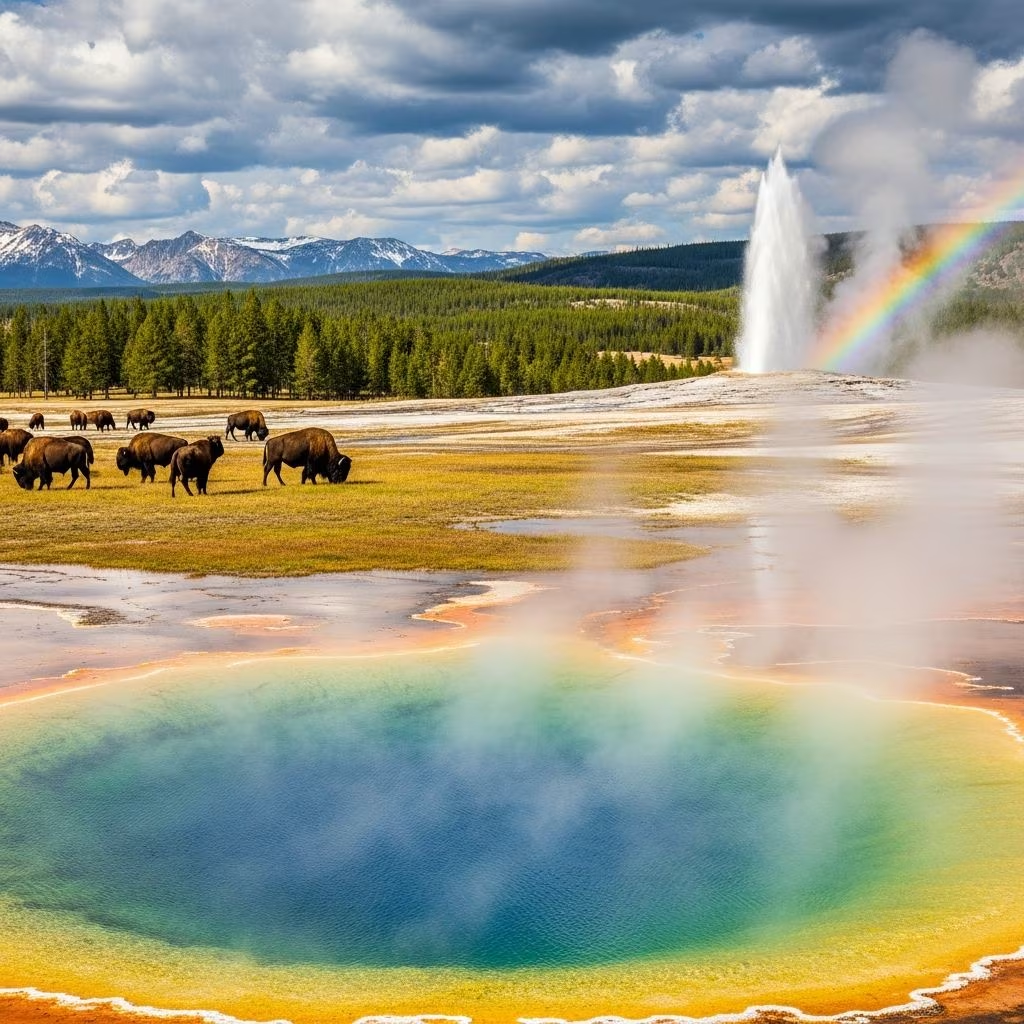
Yellowstone National Park stands as one of North America’s most remarkable destinations, attracting millions of visitors annually who come to witness extraordinary geothermal phenomena, abundant wildlife, and breathtaking landscapes. Spanning across Wyoming, Montana, and Idaho, this UNESCO World Heritage Site offers diverse experiences ranging from accessible boardwalk tours to challenging mountain hikes. Whether you’re planning your first visit or returning for deeper exploration, understanding the park’s key attractions and optimal ways to experience them will enhance your journey through this natural treasure.
The thermal features that define Yellowstone’s character represent some of Earth’s most dramatic geological displays. These natural wonders showcase the planet’s dynamic geothermal systems and provide unforgettable visual experiences that leave lasting impressions on visitors.
Old Faithful stands as Yellowstone’s most recognizable landmark and serves as an excellent starting point for understanding the park’s geothermal significance. Named during the 1870 Washburn-Langford-Doane Expedition that ultimately led to the park’s establishment in 1872, Old Faithful was the first geyser to receive an official name. Among nearly 500 geysers throughout Yellowstone, Old Faithful remains the most famous and predictable, erupting with remarkable regularity that allows visitors to plan their viewing experiences. The geyser’s Upper Geyser Basin location encompasses numerous thermal features and trails, creating a hub of activity where multiple attractions can be experienced in a concentrated area.
The Grand Prismatic Spring represents arguably the most visually stunning thermal feature within Yellowstone National Park, serving as the centerpiece of the Midway Geyser Basin. The vibrant, contrasting colors that characterize this spring result from heat-loving bacteria and minerals creating a natural palette of blues, greens, yellows, and oranges. Two viewing approaches offer distinct perspectives: the short boardwalk near the Midway Geyser Basin Trailhead provides intimate access, while the Grand Prismatic Spring Overlook accessible via the Fairy Falls Trail delivers comprehensive vistas that showcase the spring’s full chromatic range.
The Upper Geyser Basin offers an extensive afternoon of exploration among active thermal features including Grotto Geyser, Tardy Geyser, and Sawmill Geyser. The trail extending to Morning Glory Pool provides an additional destination for those seeking further thermal exploration. The Great Fountain Geyser, distinguished by its striking glassy terraced pools that create beautiful reflections particularly at sunset, represents another notable feature, though eruptions occur unpredictably every 9 to 15 hours. The West Thumb Geyser Basin and Fountain Paint Pots offer additional opportunities to observe geothermal activity, with Fountain Geyser erupting every 3.5 to 11 hours for 20-minute intervals.
Yellowstone harbors more free-roaming wildlife than almost any other location in the Continental United States, making wildlife observation a cornerstone of the park experience. The park’s diverse ecosystems support populations of iconic megafauna and numerous smaller species, creating opportunities for wildlife interaction unmatched in most North American destinations.
Wildlife activity peaks during dawn hours, making early morning the optimal period for animal observations. Lamar Valley, frequently referred to as the “Serengeti of North America,” represents the park’s premier location for wildlife viewing, offering expansive vistas and excellent opportunities to spot bison, elk, eagles, and diverse bird species. Hayden Valley provides another significant wildlife corridor where visitors regularly encounter various animals in their natural habitat. Evening hikes, particularly traversing trails with valley views, often yield rewarding wildlife sightings as animals become active during cooler hours.
Guided “Wake Up to Wildlife” tours led by knowledgeable naturalists specialize in positioning visitors for dawn wildlife encounters in Lamar Valley. For those seeking more intensive wildlife experiences, Yellowstone Wolf Tracker excursions offer expert-led expeditions focused specifically on locating and observing the park’s wolf populations alongside other fauna. These guided experiences provide educational context and significantly increase the likelihood of meaningful animal encounters compared to independent exploration.
Yellowstone’s trail system accommodates all fitness levels, from leisurely boardwalks to strenuous alpine hikes offering panoramic mountain vistas. The park’s hiking opportunities combine geothermal features, canyon views, waterfall access, and wildlife habitat exploration within single destinations.
The Avalanche Peak Trail ranks among the park’s premier day hikes, ascending to elevations exceeding 10,000 feet and delivering panoramic views considered among the most beautiful in the entire park. Bunsen Peak provides another excellent high-elevation option with stunning vistas extending across Lamar Valley to the north, an area recognized as the park’s most productive wildlife habitat. These summit hikes offer particular appeal during late evening or sunset hours when harsh midday light softens, creating superior photographic conditions and cooler temperatures during the strenuous ascent.
The North Rim and Lower Brink Trail presents a 2.3-mile out-and-back route delivering impressive views of the Lower Falls of the Yellowstone River, one of the park’s most impressive waterfalls. This trail combines auditory drama from the river’s roar with the cooling mist on visitors’ faces and arresting visual perspectives of the cascade. The Grand Canyon of the Yellowstone at Canyon Village offers countless viewpoints and trails on both river sides, with Artist Point standing apart as arguably the most beautiful and iconic viewing location in the entire park.
For visitors seeking shorter excursions, the Fairy Falls Trail to the Grand Prismatic Spring Overlook combines thermal feature access with achievable hiking distances. The Midway Geyser Basin boardwalk provides ground-level thermal feature exploration without requiring elevation gain or extended walking distances.
E-bike companies operating within the park offer guided and self-guided cycling experiences through scenic areas including the Golden Gate, Osprey Falls, and routes circling Bunsen Peak’s base. The advantage of organized e-bike services includes transportation logistics handled by professional operators, eliminating the hassle of transporting bicycles to and from the park.
The Firehole River at the designated Firehole Canyon Swimming area provides one of the few safe swimming locations within the park where visitors can experience the brisk, beautiful waters during mid-summer when strong currents from snowmelt have diminished. Yellowstone Lake offers scenic beauty and opportunities for boating and fishing. Whitewater rafting excursions in nearby Gardiner, Montana, provide adventure alternatives for those seeking water-based thrills beyond the park boundary.
The Grand Loop Road forms the primary driving circuit connecting major park attractions, allowing visitors to access all principal destinations through organized routes. First-time visitors frequently structure itineraries around key destinations including Mammoth Hot Springs, Norris Geyser Basin, Old Faithful, the Grand Canyon of Yellowstone, and Yellowstone Lake.
Park conditions vary dramatically across seasons, affecting trail accessibility, wildlife visibility, and thermal feature appearance. Summer months offer complete park access but bring highest visitation and crowds. Spring and fall provide moderate temperatures and reduced crowding, while winter transforms the park into a snowy landscape accessible via specialized transportation.
Visitors must adhere strictly to park safety guidelines, as Yellowstone’s geothermal features and wildlife present genuine dangers. Swimming outside designated areas, approaching wildlife closely, and deviating from established trails create serious risks of injury or death. The park provides designated safe swimming areas, boardwalks around thermal features, and visitor regulations specifically designed to protect both people and the environment.
Yellowstone National Park rewards visitors with unparalleled opportunities to witness Earth’s geothermal wonders, observe wildlife in natural habitats, and explore distinctive landscapes through diverse activities. Whether your visit spans one day or multiple weeks, prioritizing key attractions while remaining flexible for unexpected discoveries creates memorable experiences. Combining easily accessible thermal features with challenging hiking trails, wildlife viewing in optimal locations, and unique activities like e-biking ensures that visitors of all interests and fitness levels discover personal connections with this extraordinary natural treasure. Planning thoughtfully around seasonal variations, weather conditions, and safety guidelines transforms a Yellowstone visit into a defining travel experience.
