

 Travel Essentials
 Travel Essentials

A comprehensive guide to Chicago's best thrift shops and vintage stores, featuring neighborhood highlights and shopping tips for fashion enthusiasts.
 Travel Essentials
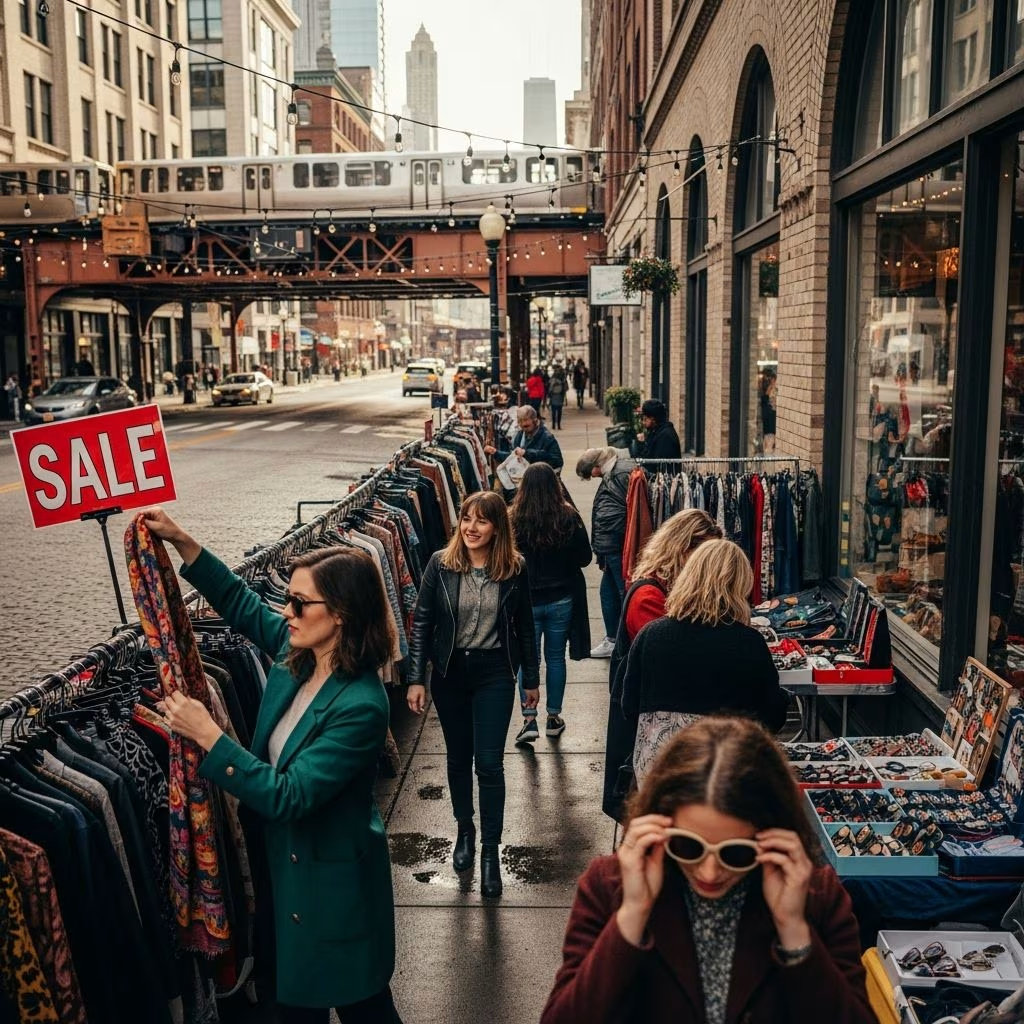
Chicago’s reputation as a fashion-forward city extends far beyond its high-end boutiques and department stores. The Windy City has cultivated a thriving ecosystem of thrift shops and vintage retailers that cater to bargain hunters, sustainability-conscious shoppers, and collectors seeking one-of-a-kind pieces. With 77 distinct neighborhoods, Chicago offers an impressive array of secondhand shopping destinations, each with its own character and inventory. Whether you’re searching for designer scores at fraction prices, retro graphic tees from the 1980s, or sustainable home furnishings, Chicago’s vintage and thrift scene delivers exceptional finds without the premium price tags.
The distinction between thrift stores and vintage boutiques shapes the shopping experience across Chicago. Thrift establishments typically operate on a broader scale, accepting diverse donations and stocking general merchandise from clothing to furniture to home décor. These warehouses of possibility appeal to treasure hunters willing to invest time digging through extensive inventory. Vintage shops, conversely, maintain curated collections with carefully selected pieces from specific eras or style categories, often commanding higher price points due to the deliberate curation process.
Chicago’s neighborhoods each maintain distinct shopping personalities. Some areas specialize in high-end designer consignment, while others champion emerging independent businesses owned by women of color or focus on specific fashion aesthetics like streetwear or menswear. This diversity means that your shopping strategy should adapt based on neighborhood selection and the specific treasures you seek.
For shoppers pursuing high-end vintage pieces, certain neighborhoods and establishments have earned reputations as premier destinations. Wicker Park has emerged as a central hub for serious vintage collectors, housing multiple specialty shops along Milwaukee Avenue. Store B Vintage specifically caters to luxury vintage enthusiasts, emphasizing early vintage collections and carefully selected designer pieces. The neighborhood’s concentration of shops creates an efficient shopping corridor where multiple stores can be visited in a single excursion.
Lincoln Park’s established thrift presence includes operations that have served the community for over three decades, featuring dedicated designer rooms showcasing gently used pieces from prestigious labels including YSL, Prada, and Kate Spade. These curated sections within larger thrift operations offer accessible entry points to luxury secondhand shopping without the discovery challenges of general inventory.
Avondale’s Monarch Thrift Shop represents the evolution of modern thrift retail, combining a substantial 3,000-square-foot footprint with an organized layout that respects shopper time constraints. The shop’s “Luxe” section occasionally features rare discoveries from designers like Stella McCartney, Dior, and Michael Kors, demonstrating how strategic inventory curation elevates the thrift experience.
Chicago’s geographic expanse means that different neighborhoods offer distinct shopping environments and specializations:
Beyond traditional thrift browsing, Chicago’s vintage landscape includes shops organized around specific interests and categories. Menswear-focused retail represents an underserved segment, with Richard’s standing as Chicago’s only exclusively men’s vintage shop. Offering European-inspired designs alongside housewares and gifts, this establishment serves the specific needs of male vintage enthusiasts seeking curated menswear selections.
Streetwear and athletic-wear consumers find dedicated spaces within the broader vintage market. Retro graphic tees, vintage sports jerseys, and nostalgic sweatshirts appeal to collectors who view clothing as cultural artifacts. These specialized shops organize inventory thematically rather than chronologically, facilitating discovery based on interest rather than era.
Price accessibility represents a primary draw for thrift shopping across all demographics. Thrift stores typically offer entry-level pricing that allows shoppers to experiment with styles and eras without significant financial commitment. Mid-range vintage boutiques balance curation with reasonable pricing, acknowledging that vintage shopping serves both budget-conscious consumers and style-focused individuals willing to pay for quality and uniqueness. High-end consignment shops focus on designer labels, targeting shoppers seeking brand-name pieces at percentage reductions from retail.
The tiered pricing structure means that your budget can be stretched across multiple shopping experiences, or concentrated in specific establishments depending on priorities. A morning warehouse thrift expedition might yield five quality pieces for $30, while an afternoon at a curated boutique might result in a single exceptional vintage dress at $75.
Successful thrift shopping requires understanding inventory dynamics. Warehouse-style establishments rotate stock regularly based on donation patterns and seasonal demand. Visiting frequently rewards loyalty with discovery of new pieces, while less regular visitors might find themselves searching through familiar selections. Curated vintage shops maintain more stable inventory but also receive new items regularly, particularly during seasonal transitions.
Chain thrift operations with multiple locations across Chicago and beyond enable shopping variety without traveling to distant neighborhoods. Crossroads Trading and Buffalo Exchange maintain several Chicago locations, providing consistency while allowing exploration of different store configurations and local inventory variations.
Chicago’s thrift scene extends well beyond apparel into furniture and home decoration categories. Vintage house items, records, and decorative pieces complement clothing selections at many establishments. This variety appeals to home furnishers seeking distinctive pieces that avoid mass-produced uniformity. Dial M for Modern and the Broadway Antique Mall specialize in furniture and home décor, appealing to interior design enthusiasts and those furnishing new residences with vintage character.
Effective thrift shopping combines strategy with flexibility. Developing a focused list of specific items or eras streamlines the search process, preventing overwhelming browsing in massive inventory spaces. However, maintaining openness to unexpected discoveries often yields the most rewarding finds. Setting time limits ensures visits remain enjoyable rather than exhausting. Many successful thrift shoppers establish regular visiting schedules, returning to favorite shops after merchandise rotation refreshes inventory.
Understanding each shop’s organizational system accelerates navigation. Some arrange clothing chronologically by decade, others by type or size. Designer sections typically occupy separate spaces, and many shops designate premium areas for higher-priced items. Familiarizing yourself with store layouts during an initial visit improves efficiency during subsequent excursions.
Quality inspection requires patience and attention. Vintage clothing should be examined for wear, stains, or structural damage before purchase. Furniture should be assessed for stability and finish condition. Learning basic textile assessment and damage evaluation prevents disappointing purchases.
Many Chicago thrift and vintage shops operate as locally owned, independent businesses or community-focused enterprises. Supporting these establishments means directing money into the local economy while potentially contributing to community missions. El Dorado’s family ownership model, Lost Girls Vintage’s representation of women-of-color ownership, and Dovetail’s independent operation reflect the diversity of Chicago’s thrift landscape.
A comprehensive vintage shopping experience might combine multiple neighborhood visits over several days. A Wicker Park morning could explore multiple shops along Milwaukee Avenue, followed by an Edgewater afternoon at Green Element for contrast between curated boutique and warehouse thrift experiences. Weekend visits to Life of Vintage in Lakeview accommodate the store’s weekend-only schedule, while weekday explorations could prioritize Logan Square or Lincoln Park destinations.
Transportation between neighborhoods should factor into planning, as Chicago’s extensive public transit system connects most thrift destinations. The Pink Line serves some areas, while others require bus connections. Clustering neighborhood visits minimizes travel time and maximizes shopping productivity.
Beyond economic advantages, thrift shopping contributes to sustainable consumption by extending clothing lifespans and reducing landfill waste. Chicago’s thrift scene supports this environmental consciousness through acceptance of donations and commitment to inventory rotation. Participating in secondhand markets represents a practical environmental choice alongside traditional sustainability efforts.
