
 Stays
StaysStays
Best Time to Book a Hotel: Save More on Every Stay
Discover proven strategies for booking hotels at the lowest rates, balancing advance planning with last-minute opportunities across seasons and locations.
 Stays
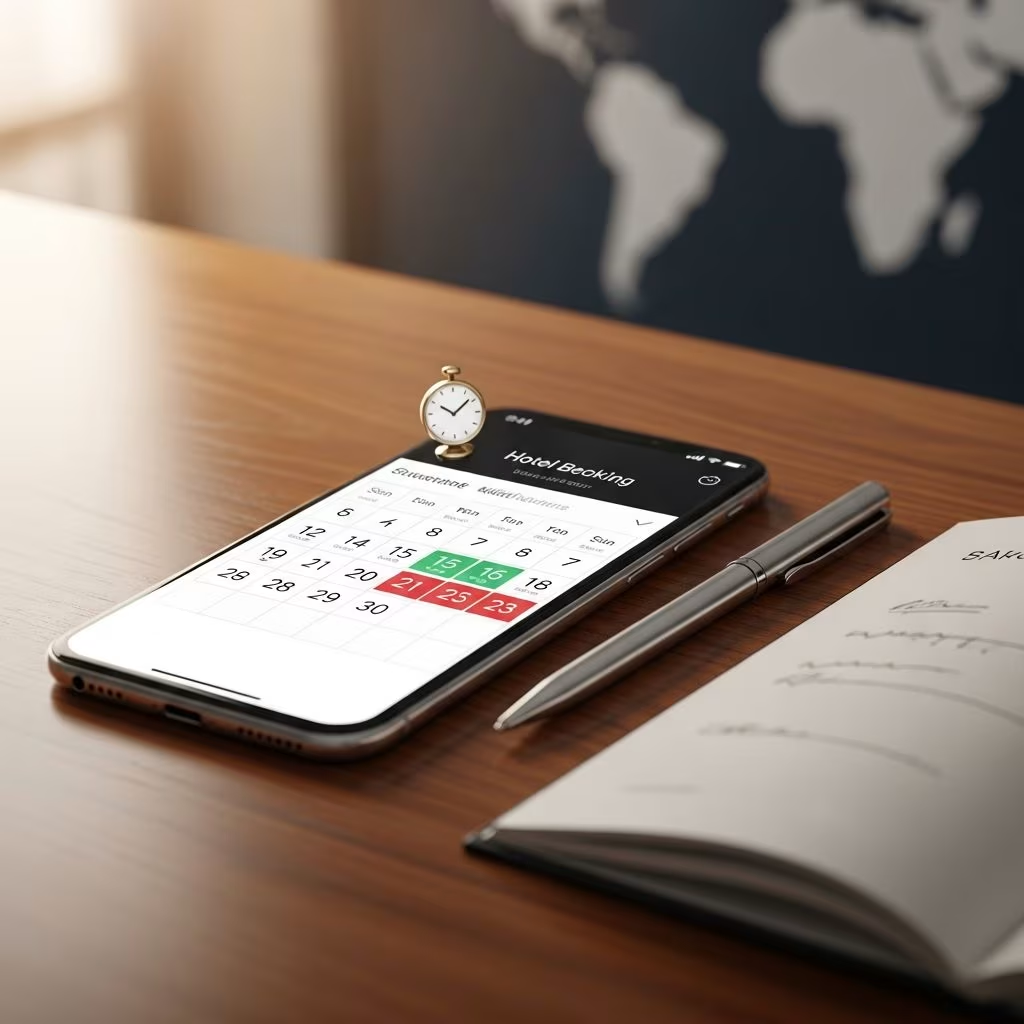
StaysSecuring the right hotel at the best price hinges on understanding dynamic pricing patterns driven by demand, seasonality, and market trends. Industry analysis reveals that reserving accommodations 1 to 3 months prior often yields optimal rates for standard trips, striking a balance between availability and affordability. This approach allows travelers to lock in choices before prices surge while avoiding overly premature bookings that rarely offer discounts.
Decoding Hotel Pricing Dynamics
Hotel rates fluctuate based on occupancy forecasts, local events, and broader travel cycles. Unlike fixed airline tickets, room prices adjust in real-time to fill capacity. During high-demand periods, such as holidays or festivals, algorithms push rates upward weeks in advance. Conversely, quieter times see promotions to attract guests.
Key factors influencing these shifts include:
- Seasonal Demand: Peak summer in beach destinations or winter in ski resorts can double prices overnight.
- Events and Holidays: Conferences, sports, or cultural celebrations prompt early sell-outs.
- Weekday vs. Weekend: Business-oriented midweek stays often undercut leisure-focused weekends.
- Economic Indicators: Currency strength affects international bookings, favoring off-peak currency dips.
Tracking these via price alert tools on booking platforms empowers proactive decisions, often saving 20-30% compared to impulsive reservations.
Ideal Booking Timelines by Trip Type
Tailoring your reservation window to your itinerary maximizes value. Here’s a breakdown:
| Trip Type | Recommended Booking Window | Why It Works | Avg. Savings Potential |
|---|---|---|---|
| Domestic Leisure | 1-3 months ahead | Balances availability before demand peaks | 15-25% |
| Peak Holiday/Events | 3-6 months ahead | Secures spots amid rapid sell-outs | 30-50% |
| International | 2-4 months ahead | Accounts for visa processing and flights | 20-40% |
| Business/Last-Minute | 1-2 weeks ahead | Leverages unsold inventory discounts | 10-35% |
| Shoulder Season | Flexible, 2-8 weeks | Lower competition yields deals | 25-45% |
Data from travel advisors supports these ranges, noting domestic flights pair well with hotel bundles booked 60 days out, extending to 90 for abroad. Recent studies pinpoint 15 days pre-stay as a sweet spot for some markets, where hotels release promotional inventory.
Seasonal Strategies for Maximum Savings
Aligning trips with shoulder seasons—transitional periods like spring or fall—often trumps timing alone. In the U.S., April-May and September-October see reduced crowds and rates 20-40% below peaks. Europe mirrors this in autumn, offering mild weather minus summer throngs.
For peak avoidance:
- Target post-holiday lulls, like early January after New Year’s.
- Book midweek (Tuesday-Thursday) for urban stays, as leisure demand dips.
- Extend trips by a day; shifting arrival from Friday to Monday can cut costs significantly.
Off-peak last-minute gambles shine here, with properties slashing rates 48 hours out to fill rooms. However, popular spots risk zero availability, underscoring the need for flexibility.
Domestic vs. International Booking Nuances
Domestic travel permits shorter windows due to abundant options and easier changes. A 1-3 month horizon suffices for most U.S. cities, where chains dominate and compete aggressively.
International journeys demand foresight: 2-4 months covers fluctuating exchange rates, peak visa seasons, and aligned flights. Advisors recommend monitoring 6 months out for sales, especially transatlantic or Asia-Pacific routes. Local holidays—like Diwali in India or Golden Week in Japan—require 4-6 months to avoid blackouts.
Currency plays a pivotal role; booking when your home currency strengthens can amplify savings by 10-15% on dollar-denominated stays.
Leveraging Tools and Flexibility for Deals
Modern platforms revolutionize timing with price trackers and predictions. Set alerts for target properties; rebooking refundable rates if drops occur preserves options without loss.
Loyalty programs amplify this: elite status unlocks unpublished rates, while bundles (hotel + flight) yield extras. Direct hotel sites often beat aggregators by 5-10%, especially with promo codes.
Flexibility is king—adjust dates by 1-2 days via calendars showing cheapest nights. Weekdays favor budget hunters, trading vibrancy for value and quieter sites.
Risks of Common Booking Pitfalls
Avoid these traps:
- Too Early: 6+ months rarely discounts; inventory unconfirmed.
- Rigid Dates: Peak Fridays inflate budgets unnecessarily.
- Non-Refundable Blind Spots: Locks you in, forfeiting better deals.
- Ignoring Fees: Resort or city taxes spike totals unexpectedly.
Opt for cancellable rates initially, converting later. This hedges against changes while chasing lows.
Accommodation Variations and Timing
Not all stays equal:
- Luxury Hotels: Book 2-3 months; high demand fills fast.
- Budget Chains: More forgiving, good last-minute.
- Vacation Rentals: 1-2 months; owners plan further out.
- Hostels/B&Bs: Walk-ins viable off-peak.
Type dictates strategy—hotels flex most, rentals least.
Frequently Asked Questions
Should I book hotels far in advance or wait for deals?
For high-demand periods, advance secures spots; off-peak favors last-minute for discounts.
What day of the week offers the cheapest rates?
Tuesdays and Wednesdays often lowest, as weekend demand ebbs.
Do loyalty programs affect optimal timing?
Yes—members access early bird rates or flash sales, starting 3 months out.
How does travel during shoulder seasons impact booking?
Shorter windows suffice with bigger savings due to surplus rooms.
Is international booking riskier for last-minute?
Generally yes—flights and events limit options; plan 90+ days ahead.
Advanced Tactics for Savvy Travelers
Beyond basics, layer strategies: combine shoulder midweeks with alerts. Negotiate directly for groups or repeats. Bundle for comped perks. Track competitor pricing laws in Europe, mandating matches.
Post-pandemic, hybrid work extends shoulder appeal, thinning peaks further. Data shows 2022-2025 trends toward 15-day averages in recovering markets.
Ultimately, informed timing transforms budgets, freeing funds for experiences. Start monitoring early, stay adaptable, and watch savings compound.
References
- Travel Smarter with the Best Time to Book Flights and Hotels — AAA Club Alliance. 2023. https://cluballiance.aaa.com/the-extra-mile/advice/travel/travel-smarter-with-the-best-time-to-book-flights-and-hotels
- Finding the Best Day to Book a Hotel for Maximum Savings and Convenience — Travala. 2024. https://www.travala.com/blog/adventurers-guide/travel-tips/finding-the-best-day-to-book-a-hotel-for-maximum-savings-and-convenience/
- Expert Tips on the Best Time to Book a Hotel Room — Minor Hotels. 2023. https://www.minorhotels.com/en/minor-pro/blog/trends/best-time-to-book-a-hotel
On This Page
Decoding Hotel Pricing Dynamics Ideal Booking Timelines by Trip Type Seasonal Strategies for Maximum Savings Domestic vs. International Booking Nuances Leveraging Tools and Flexibility for Deals Risks of Common Booking Pitfalls Accommodation Variations and Timing Frequently Asked Questions Advanced Tactics for Savvy Travelers← Previous
Best Time to Visit Vietnam: Month-by-Month Travel Guide
Next →
Best Things to Do in Oaxaca, Mexico: Food, Ruins & Culture
Related Reading