

 Travel Essentials
 Travel Essentials

Comprehensive guide to seeing the Northern Lights in Iceland: best seasons, nightly windows, top spots, forecasts, and tour options for unforgettable views.
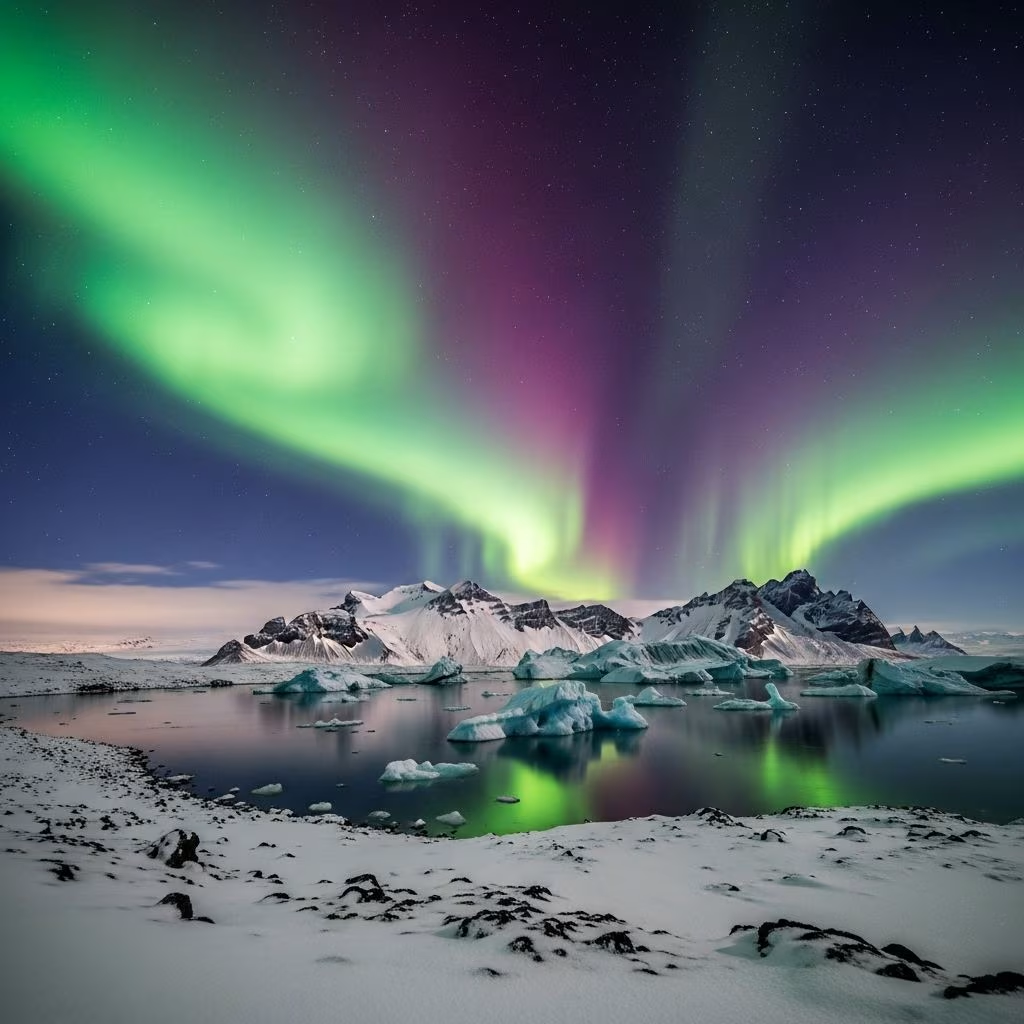 Travel Essentials
The Northern Lights, or aurora borealis, create one of nature’s most stunning spectacles, and Iceland offers some of the world’s premier viewing opportunities due to its high latitude and clear winter skies. This guide explores everything you need to know to maximize your chances of witnessing this ethereal light show, from seasonal timing to strategic locations and practical planning tips.
The aurora borealis occurs when charged particles from the sun collide with Earth’s atmosphere, producing vibrant greens, purples, and reds. Iceland’s position near the Arctic Circle places it directly under the auroral oval, where these displays are most frequent and intense. Solar activity peaks every 11 years, influencing display strength, but even during quieter periods, clear conditions in Iceland yield impressive shows.
Key factors for visibility include darkness, minimal cloud cover, and low light pollution. Nights must be long enough—typically requiring winter months—and skies free of obstruction. Solar wind strength, measured on a 0-9 scale, predicts activity; levels above 3 signal promising displays.
The aurora season in Iceland spans late summer to early spring, but optimal periods align with longest nights. Here’s a month-by-month overview:
Avoid May-August; midnight sun prevents true darkness.
Auroras peak during deepest darkness, typically 9 PM to 2 AM, with midnight as the sweet spot. Displays can flicker briefly or endure hours, often intensifying post-midnight. Tours depart around 8-9 PM to position viewers optimally.
| Time Window | Why It Works | Activity Peak |
|---|---|---|
| 9 PM – 11 PM | Emerging darkness | Moderate |
| 11 PM – 1 AM | Deepest night | High |
| 1 AM – 2 AM | Pre-dawn surge | Moderate-High |
| After 2 AM | Fading possible | Low |
Patience pays; lights may dance intermittently.
Escape light pollution for clearest views. Southwest dominates due to accessibility, but northern and remote areas excel.
Drive northbound, face skyward. Rural stays outperform cities.
Check daily aurora forecasts from vedur.is (Icelandic Met Office) or apps like Aurora Alerts. Combine Kp index (geomagnetic activity), cloud cover, and solar wind data. Aim for Kp 3+, <20% cloud cover.
Winter weather is volatile: storms common, but clear spells follow. Pack thermals, waterproof layers; temps dip to -10°C (14°F). Road.is monitors conditions; avoid unprepared drives.
Rent 4×4 vehicles; experience recommended. Tours suit beginners.
| Option | Cost (per person) | Best For |
|---|---|---|
| Bus Tour | $50-80 | Budget travelers |
| Super Jeep | $100-150 | Adventure seekers |
| Boat Tour | $120-200 | Sea views |
| Self-Drive | $20-50 (gas) | Independent explorers |
Use tripods, wide-angle lenses (f/2.8+), 10-30s exposures at ISO 1600-3200. Cameras capture more than eyes in low light. Apps like PhotoPills aid settings.
February-March offers long nights, clearer skies, and high activity.
Yes, during strong displays (Kp 5+), from spots like Perlan or lighthouse.
Multiple nights weekly in peak season under clear skies.
No, but high success rates (80%+) with skilled operators.
2024-2025 peak enhances shows; check NOAA forecasts.
Book flights/hotels early for winter. Stay 4-7 nights in varied spots: Reykjavik base, day trips north. Pair with glaciers, lagoons. Sustainable viewing: stick to paths, minimize lights. With preparation, Iceland’s lights await.
