

 Travel Essentials
 Travel Essentials

Explore Yukon's premier Northern Lights viewing spots, best seasons, tours, and adventures. From Whitehorse bases to remote sites, plan your aurora hunt amid stunning landscapes.
 Travel Essentials
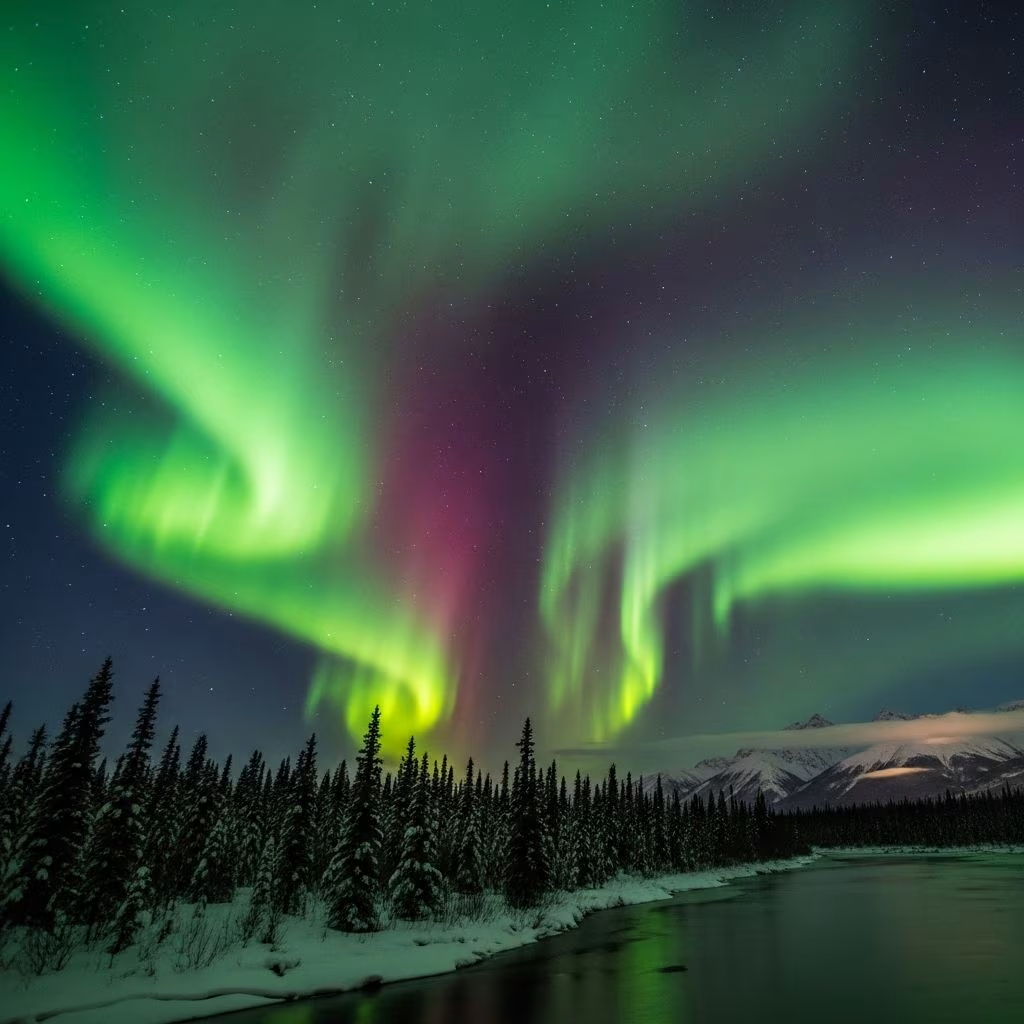
The Yukon Territory stands as one of North America’s premier destinations for witnessing the aurora borealis, a breathtaking natural phenomenon where charged particles from the sun collide with Earth’s atmosphere, creating vibrant displays of green, purple, and pink lights dancing across the night sky. Positioned close to the Earth’s magnetic north pole, this remote Canadian region offers frequent and vivid sightings, drawing travelers from around the world seeking nature’s most spectacular light show.
Yukon’s geographic advantage places it directly under the auroral oval, the ring-shaped zone where solar activity most commonly triggers the lights. Unlike more southern latitudes, the territory experiences clear, dark skies for up to 240 nights annually, far surpassing many other locations. Communities like Whitehorse provide easy access via direct flights, blending urban convenience with quick escapes to light-free zones. The surrounding wilderness—rivers, mountains, and forests—enhances the magic, especially when fall colors or winter snow reflect the glow.
Aurora visibility spans from late August through mid-April, when nights grow long enough for darkness to prevail. Summer’s midnight sun prevents sightings, but the transition into fall brings early opportunities amid golden foliage. Winter peaks from November to March deliver the most reliable displays, with extended darkness and crisp air sharpening visibility. Spring extends the season into April, often with milder weather for comfortable viewing.
Ideal conditions include clear, moonless nights with minimal cloud cover. Solar activity forecasts, available via apps or local tourism sites, predict peak displays.
Whitehorse, Yukon’s capital on the historic Yukon River, serves as the launchpad for aurora quests. While city lights can dim fainter shows, venturing 25-45 minutes north reveals pristine sites. Remote lodges and historic tent camps offer north-facing, unobstructed panoramas away from pollution.
| Location | Distance from Whitehorse | Key Features |
|---|---|---|
| Northern Viewing Sites | 25 minutes north | Heated tents, campfires, snacks, free photos |
| Yukon Wildlife Preserve | 30 minutes | Wildlife viewing by day, dark skies at night |
| Eclipse Nordic Hot Springs | 1 hour | Relax in thermal pools under the lights |
Airplane or hot air balloon tours elevate the experience, soaring above clouds for uninterrupted vistas.
Professional operators ensure comfort with transportation, warm gear, and insider spots. Many include add-ons like photography tips or beverages. Northern Tales and similar outfits provide exclusive sites with wood-fired stoves and marshmallow roasts.
Platforms like GetYourGuide offer bookable experiences with free cancellation, often rated highly for knowledgeable guides. Expect 4-8 hour outings starting post-dinner.
Yukon’s aurora season aligns with world-class winter pursuits, filling sunny (or snowy) days with excitement. From Whitehorse, access mountains for skiing or fat biking, forests for wildlife spotting, and cultural sites showcasing Indigenous heritage.
Fall visitors enjoy hiking amid colorful tundra, while spring brings thawing rivers for canoeing prep.
Stay in Whitehorse hotels, aurora-focused lodges, or glamping tents. Many properties feature glass-domed roofs or wake-up calls for overhead shows. Book early for peak winter months.
Capture the lights with long exposures (10-30 seconds), low ISO (800-3200), and wide apertures (f/2.8). Use manual focus on infinity; apps like PhotoPills aid settings. Guides often share files or tips.
Monitor Kp index (3+ for good shows), cloud cover via Yukon weather sites, and aurora cams. Local operators provide real-time updates.
Mid-August to mid-April, with November-March offering the most nights. Peak viewing: 10pm-3am on clear nights.
Yes, with easy flights and tours to dark sites nearby. Up to 240 visible nights yearly.
Ground chases, flightseeing, dog sled combos; book via official sites for reliability.
Tours provide basics; pack warm layers and camera gear for best results.
No, due to midnight sun; start in late August.
Cold weather demands preparation: stay hydrated, watch for frostbite. Tours prioritize safety with heated vehicles and experienced leaders. Check Environment Canada for avalanches or storms.
