

 Travel Essentials
 Travel Essentials

Unlock the best periods to visit Alaska: peak summer for daylight and wildlife, shoulders for savings, and winter for northern lights. Plan your ideal trip now.
 Travel Essentials
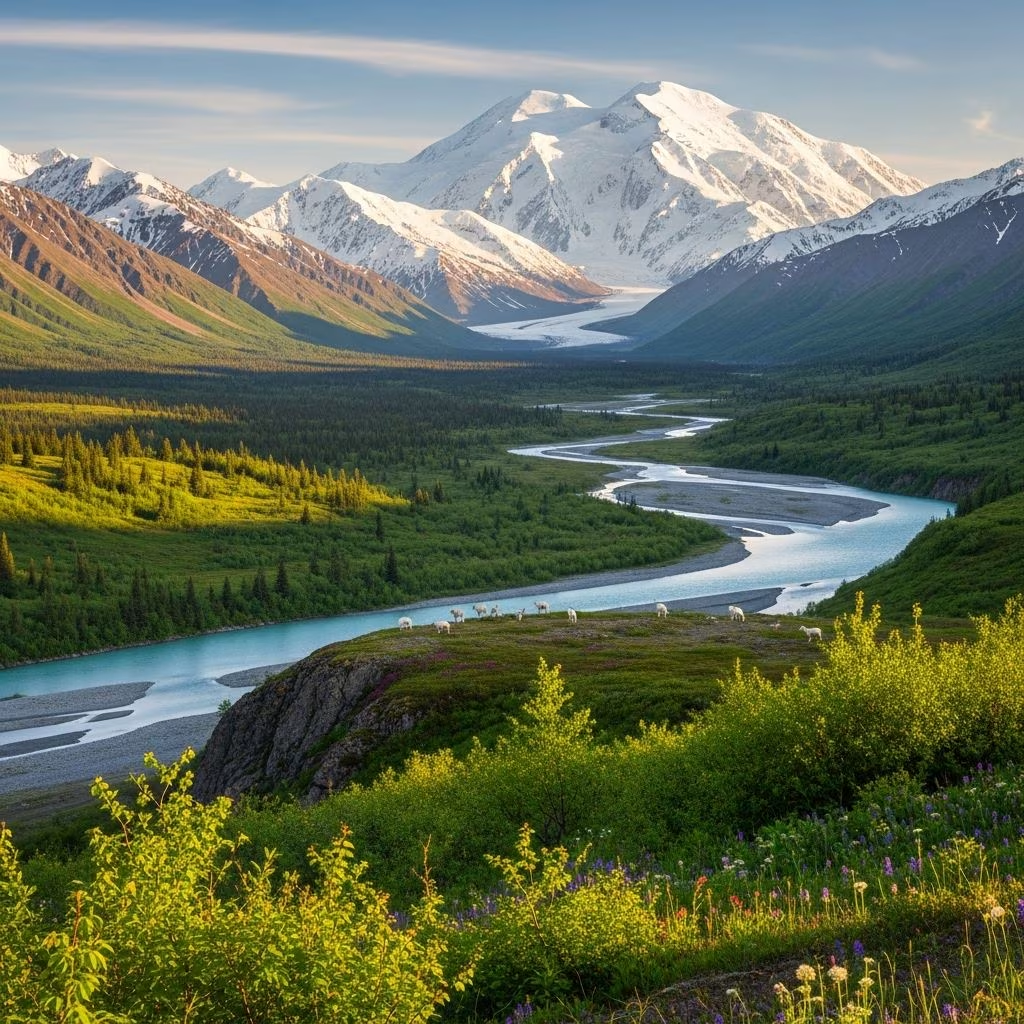
Alaska’s vast landscapes, abundant wildlife, and extreme seasonal shifts make timing your visit crucial for an unforgettable experience. The prime window spans late spring through early fall, when mild weather and extended daylight unlock hiking trails, glacier tours, and marine life sightings. Beyond peak months, shoulder periods offer budget-friendly options with fewer tourists, while winter delivers unique spectacles like the northern lights.
Alaska’s climate varies dramatically by region and elevation, influenced by its northern latitude. Coastal areas see more moderate temperatures due to ocean currents, while the interior experiences wider swings. Daylight hours range from nearly 24 in midsummer to just a few in deep winter, directly impacting activity options. Wildlife patterns also shift seasonally: salmon runs peak in summer, drawing bears and eagles, while migratory birds fill skies in spring and fall.
Temperatures generally climb from the 40s°F in May to the 60s-70s°F in July-August, dropping back in September. Precipitation is highest in coastal southeast regions, but summers remain relatively dry. Planning around these patterns ensures comfort and maximizes natural highlights.
The heart of Alaska tourism beats strongest from mid-June to mid-August, when the midnight sun bathes the state in up to 19 hours of light daily. Average highs reach the low 60s°F statewide, warmer in the interior, creating ideal conditions for outdoor pursuits. All attractions, from national parks to cruise ports, operate at full capacity, with vibrant wildflower blooms and active wildlife.
July stands out as the top month, combining peak warmth, accessible trails, and abundant animals. However, expect higher costs and crowds at hotspots like Juneau and Anchorage.
Flanking summer, May and September deliver excellent value with 30-50% lower rates on lodges, flights, and tours. Weather holds mild—50s-60s°F—with 14-16 hours of light early on, tapering in fall. Mosquitoes wane, trails open progressively, and fall foliage paints the landscape in golds and reds by late September.
| Month | Avg. Temp (°F) | Daylight (hrs) | Key Perks |
|---|---|---|---|
| May | 45-60 | 16-18 | Early whales, bear cubs, low crowds |
| Early June | 50-65 | 18-19 | Blooming tundra, fewer lines |
| September | 45-55 | 12-13 | Fall colors, aurora starts, deals |
These periods suit budget travelers seeking solitude amid active wildlife. Coastal cruises run fully, and interior drives reveal migrating caribou.
As snow recedes, April-May heralds renewal with budding greenery and returning seabirds. Temperatures hover in the 40s-50s°F, with lengthening days chasing winter away. Roads and ferries resume service, but high country lingers under snow. Bargain hunters score empty lodges and discounted flights, ideal for early-season fishing or quiet coastal paddles.
Post-summer, September-October trades heat for color explosions—aspens glow yellow, berry bushes crimson. Nights darken for initial aurora glimpses, and salmon redds dot streams. Cooler 40s°F temps deter bugs, enhancing hikes in Chugach or Wrangell-St. Elias parks. Tours wind down, but select cruises persist into early October.
Wildlife remains viewable: moose rut, eagle feasts on spawned salmon. This window balances accessibility with tranquility.
Embracing cold (0-30°F), winter transforms Alaska into an aurora hotspot from late August through April, peaking September-March. Dark skies and solar activity ignite green-purple displays, best in Fairbanks or remote lodges. Days shorten dramatically, limiting daylight activities to mornings.
No cruises operate; focus shifts to flights into interior hubs. Pack layers for subzero nights.
Target June-early September for kid-friendly weather, open playgrounds like gold panning, and train rides. All services run, minimizing logistical hassles.
May-July maximizes sightings: whale migrations, bear feasts, bird nests. Shoulder edges extend opportunities cost-effectively.
June-August for snow-free paths and golden light. September adds dramatic foliage frames.
April-September sailings, peaking mid-June-August for prime glacier views and excursions.
April-May, September-October slash expenses while delivering 80% of summer thrills.
June-August for king and silver salmon runs under perpetual sun.
Alaska spans climates: Southeast (Juneau) stays rainy-mild; Southcentral (Anchorage) balances seasons; Interior (Fairbanks) swings hot-cold; Arctic North chills year-round. Cruises hug coasts; fly-drives hit interiors. Check forecasts per zone for microclimates.
July offers peak weather, daylight, and wildlife synergy.
No—skies stay too light; target late August-April.
Lowlands yes; higher elevations need June.
Busy at ports; vastness absorbs most.
Mild 50s°F, drier than winter, light enough for days out.
